
Dark Brown Bookshelf
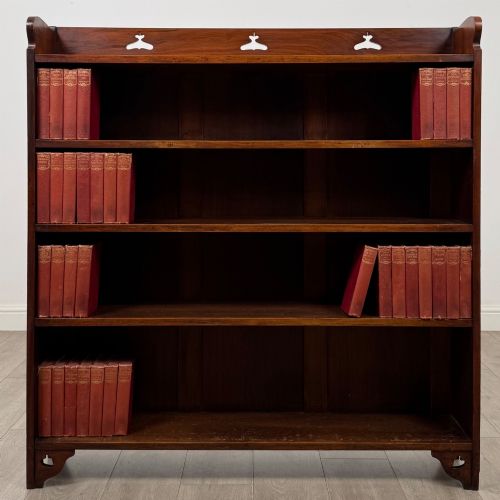
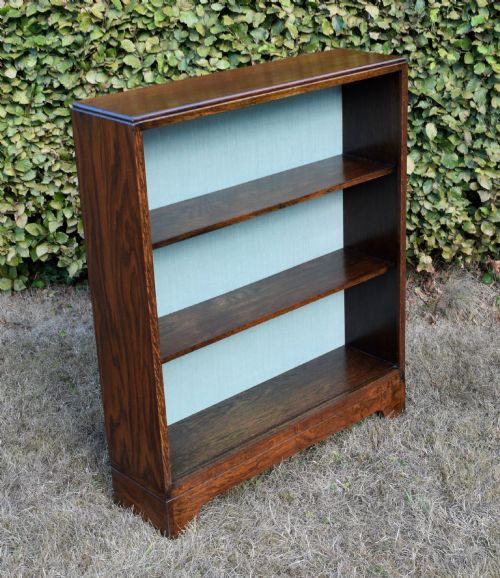
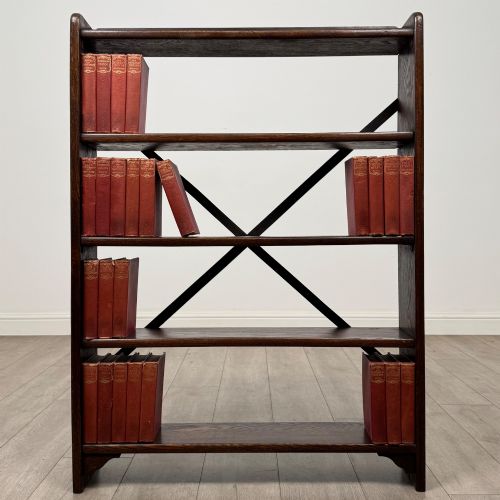
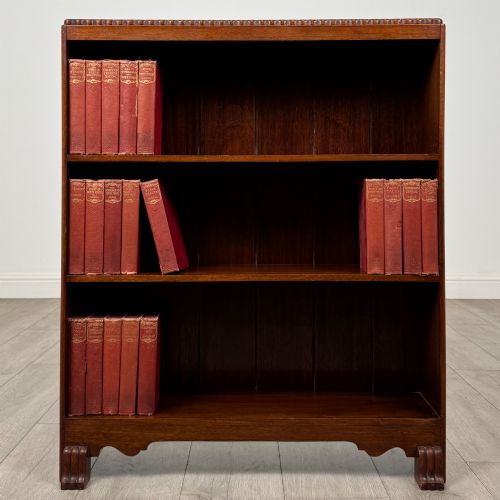
A dark brown bookshelf brings deep timber tones to a room, offering sturdy storage for volumes while grounding the interior with period character.
Dark Brown Bookshelf
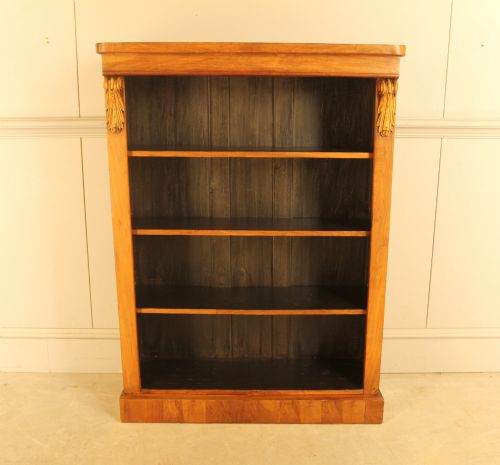
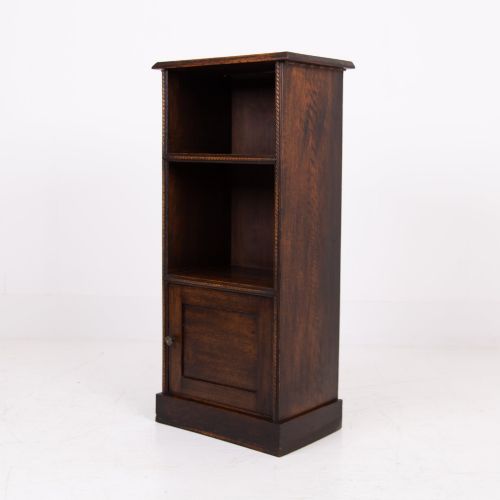
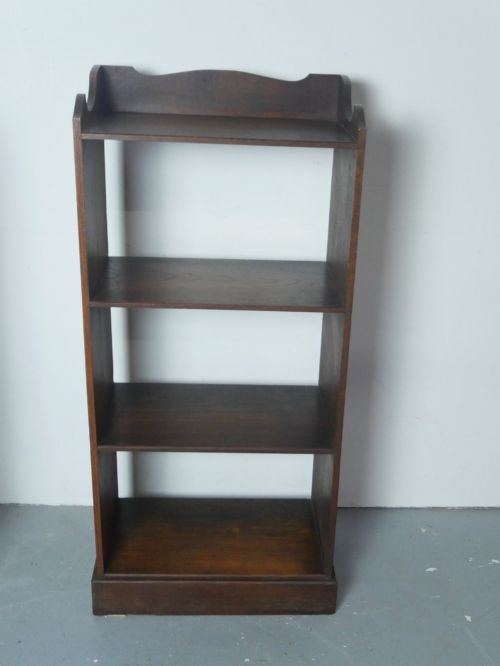
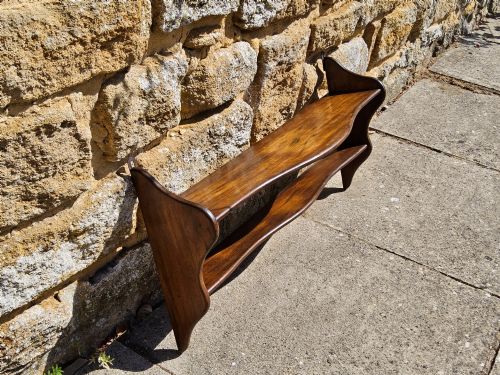
When searching for a dark brown bookshelf, buyers encounter a robust variety of traditional forms originating from the nineteenth and early twentieth centuries. These pieces encompass open bookcases, wall shelves, display cabinets, and compact whatnots designed to house libraries in domestic spaces.
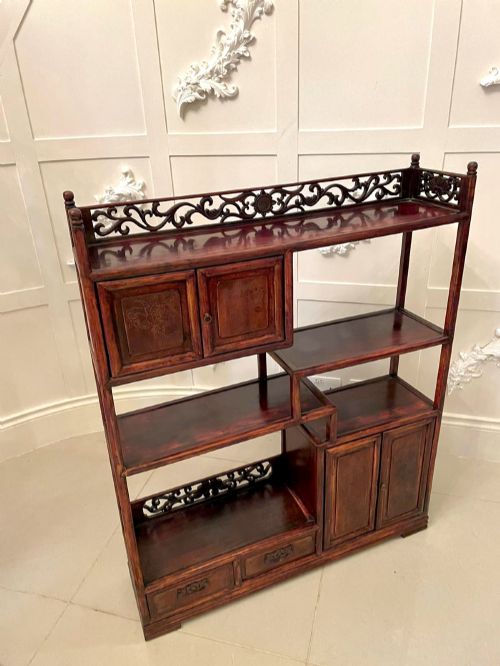
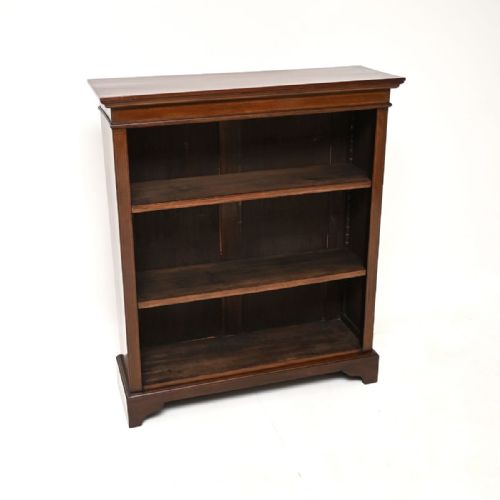
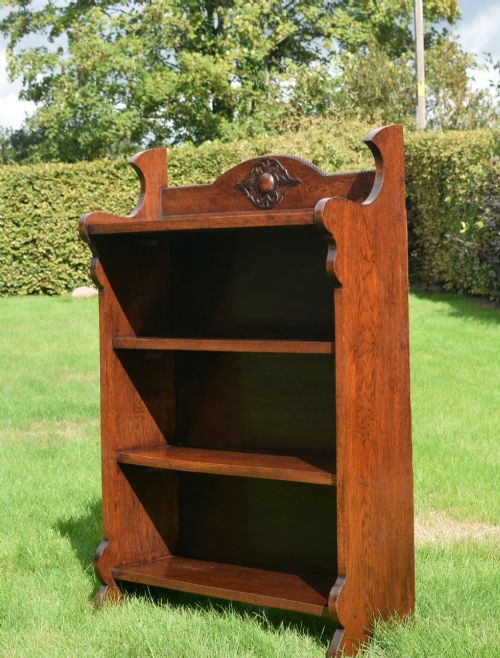
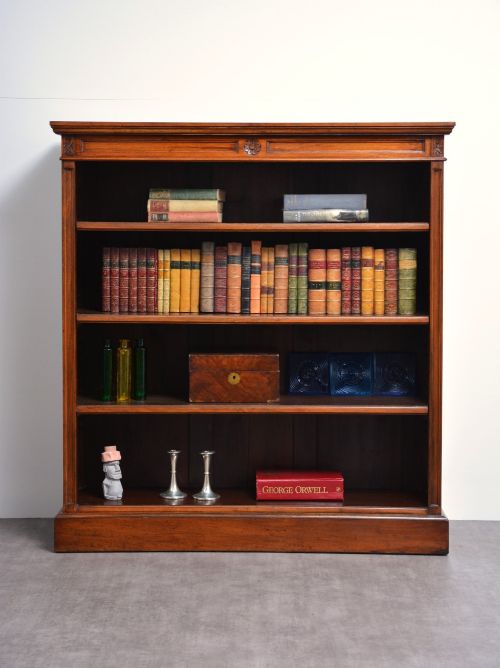
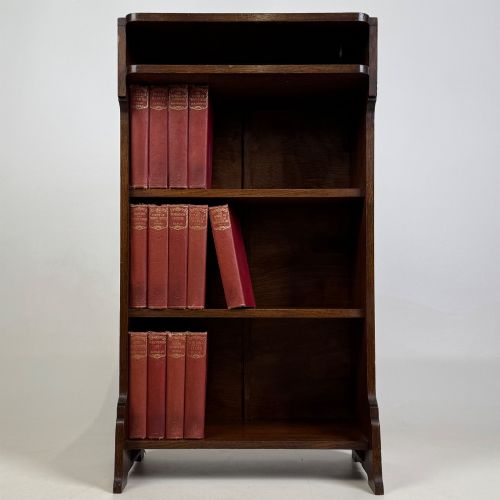
The selections available here lean heavily towards Victorian, Edwardian, and Art Deco eras, constructed in enduring woods that naturally exhibit deep brown hues. From tall oak library units to small walnut open cases and mahogany breakfronts, these items reflect the practical domestic storage needs of past decades.
Materials and Construction
Cabinet makers utilised dense hardwoods such as oak, mahogany, and walnut, often finished to emphasise the rich, dark grain of the timber. Solid construction methods paired with brass or iron hardware ensure the enduring structural integrity of these shelves.
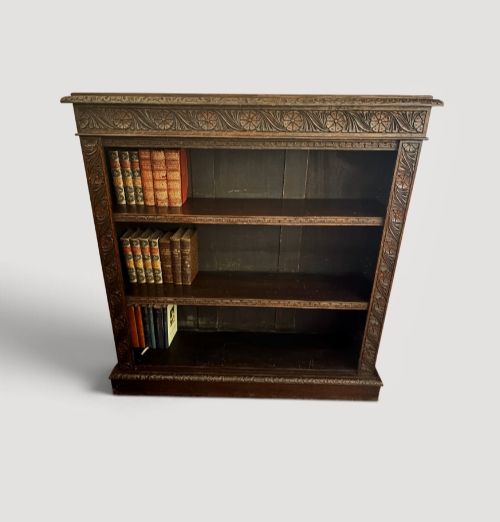
Many examples incorporate fine details such as carved ornamentation, beaded edges, or rosewood veneers, while others feature adjustable shelving systems to accommodate varying book sizes.
The listings feature pieces from the Victorian and Edwardian periods utilising oak, walnut, and mahogany alongside brass hardware.
Assessing Quality and Craft
Quality in these dark brown bookshelves is visible in the selection of the timber and the precision of the joinery rather than mere ornamentation. Superior examples display carefully matched wood grains, solid backboards, and well-fitted adjustable mechanisms that operate smoothly.
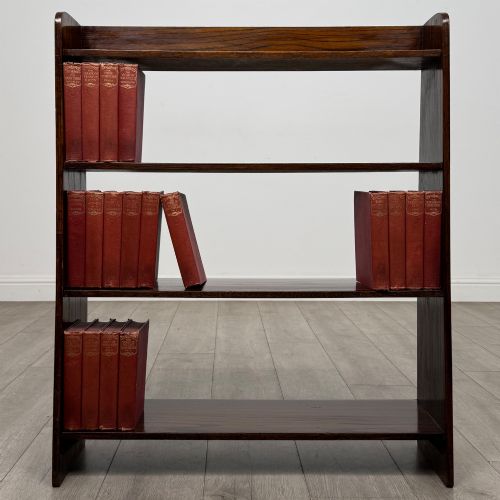
Finer pieces maintain proportion and architectural balance, whether executed in a straightforward Arts and Crafts style or as a detailed Victorian Gothic Revival bookcase.
The Dark Brown Bookshelf Glossary
- Open bookcase
- A piece of furniture designed for storing books without front doors, allowing direct access to the volumes inside. These units often feature adjustable shelves supported by wooden pegs or brass tracks.
- Breakfront
- A large cabinet or bookcase where the central section projects forward from the flanking outer sections. This architectural form creates depth and visual interest in library furniture.
- Whatnot
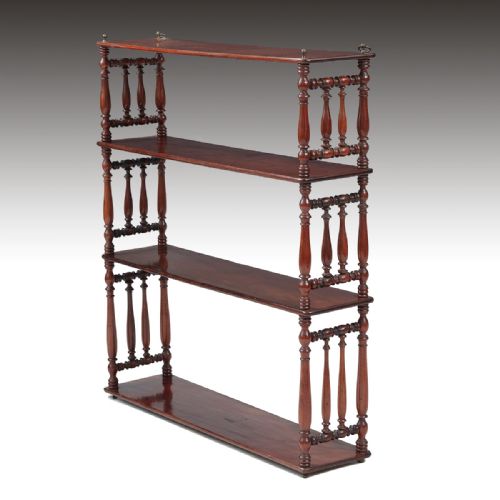
- A set of open shelves supported by slender pillars, traditionally used for displaying ornaments and small books. They became popular in the Victorian period for corner or wall placement.
- Revolving bookcase
- A compact, rotating shelving unit designed to sit on a floor or table for easy book selection from any angle. Edwardian examples often utilise clever internal cross-framing.
- Veneer
- A thin layer of superior wood applied to a base timber to provide an attractive exterior surface. Nineteenth-century makers frequently used rosewood or walnut veneers for decorative impact.
Dark Brown Bookshelf: Frequently Asked Questions
How do I date an oak bookcase?
Dating typically relies on architectural styles, construction marks, and timber preparation methods visible on the piece. Edwardian and Victorian pieces often exhibit distinct carving motifs and hardware styles characteristic of their respective decades.
Examining the backboards and shelf supports provides further clues to the manufacturing period, as mass-produced metal brackets generally indicate later twentieth-century production.
Are the shelves adjustable?
Many traditional bookcases feature adjustable shelving systems, utilising wooden ratchets, fixed peg holes, or brass strips. This flexibility allows the storage of varying book heights.
Checking the interior walls of the bookcase will reveal whether the original adjustment mechanisms remain intact.
What woods create dark brown tones?
Naturally dark timbers such as walnut, mahogany, and rosewood supply deep brown hues, often enhanced through polishing and ageing over time. Oak can also appear very dark when finished with traditional stains or darkened by centuries of exposure.
These natural materials develop a warm patina that distinguishes antique furniture from modern alternatives.
Where should I place a wall shelf?
Wall shelves and hanging bookshelves suit smaller rooms where floor space is limited, offering vertical storage for books or decorative objects. Regency and nineteenth-century hanging shelves require secure fixing to support the weight of heavy volumes.
Placing them away from direct sunlight and heat sources protects the timber and polishes from drying out.