
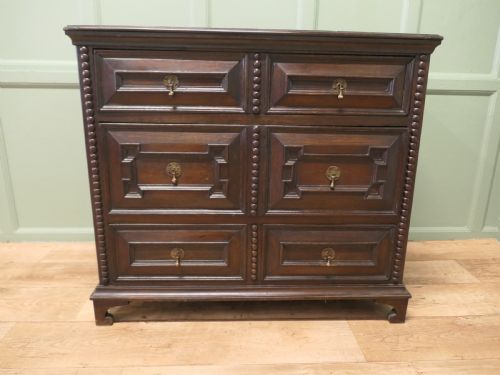
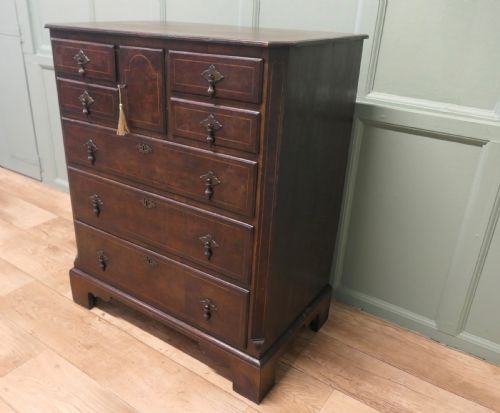
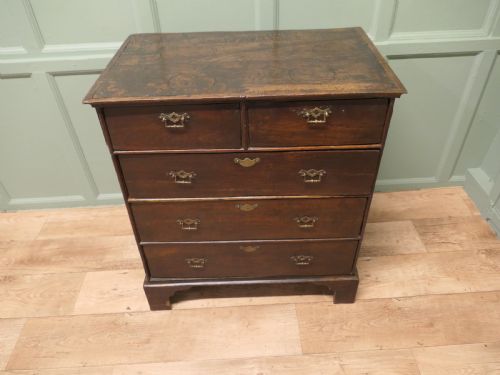
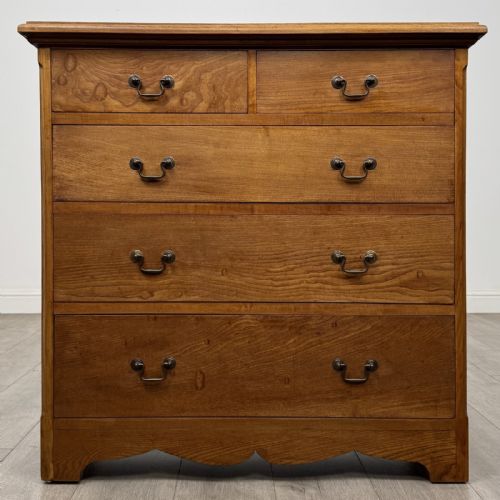
Georgian Oak Storage Dresser
These georgian oak storage dresser pieces combine robust utility with period craftsmanship, offering generous proportions and rich timber grain for modern rooms.
Georgian Oak Storage Dresser
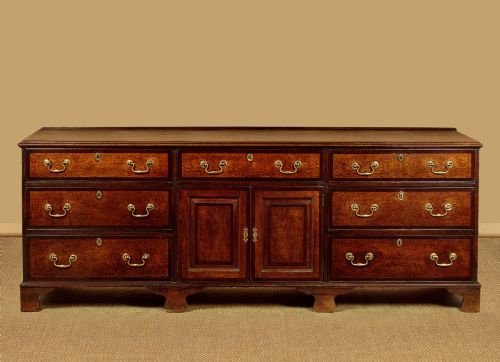
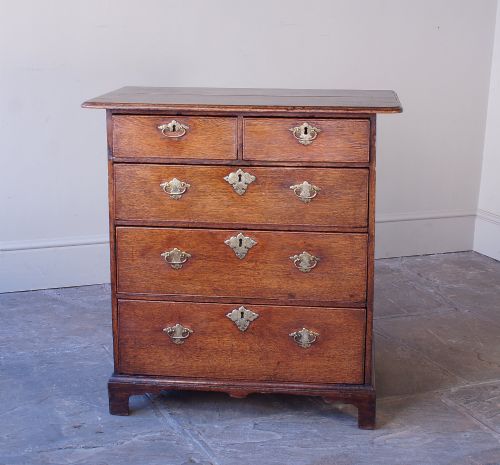
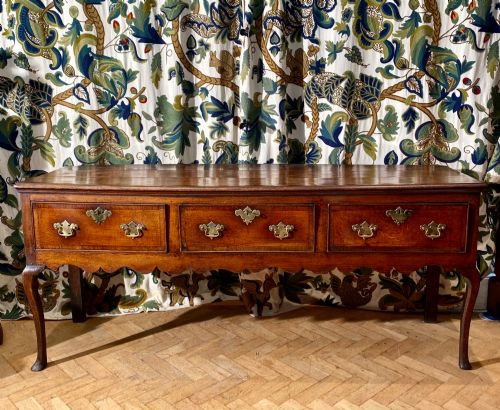
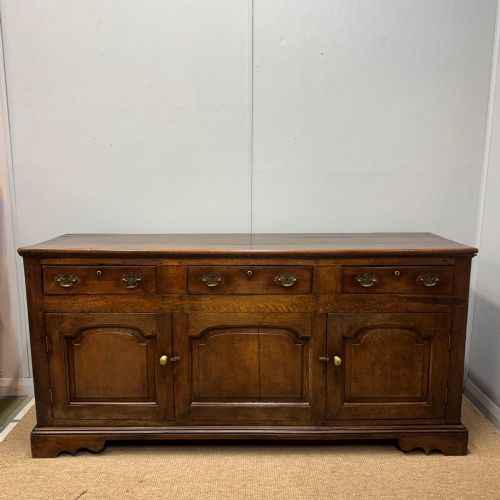
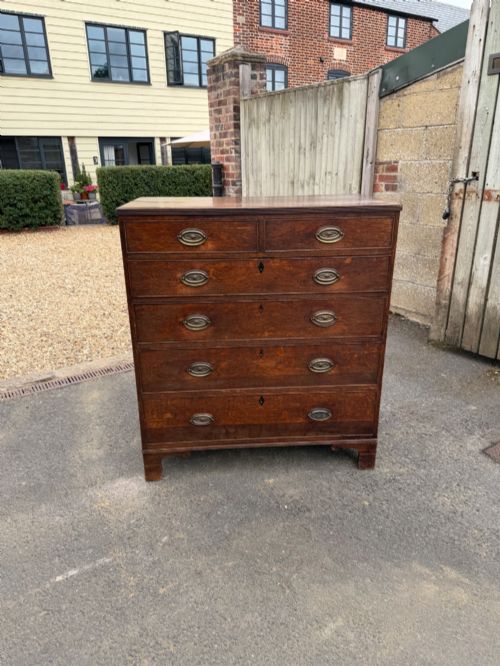
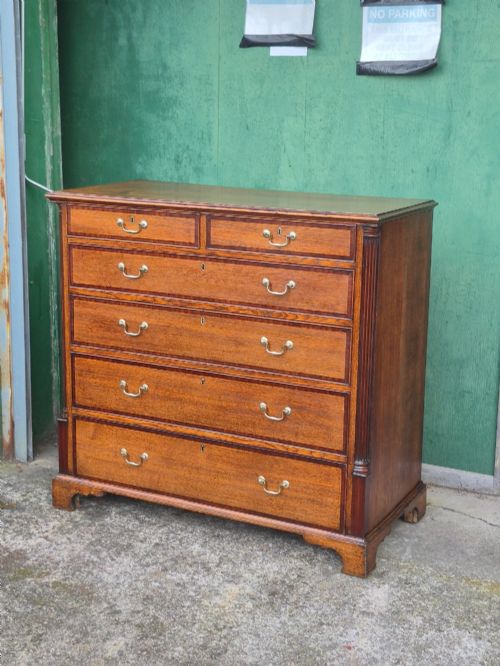
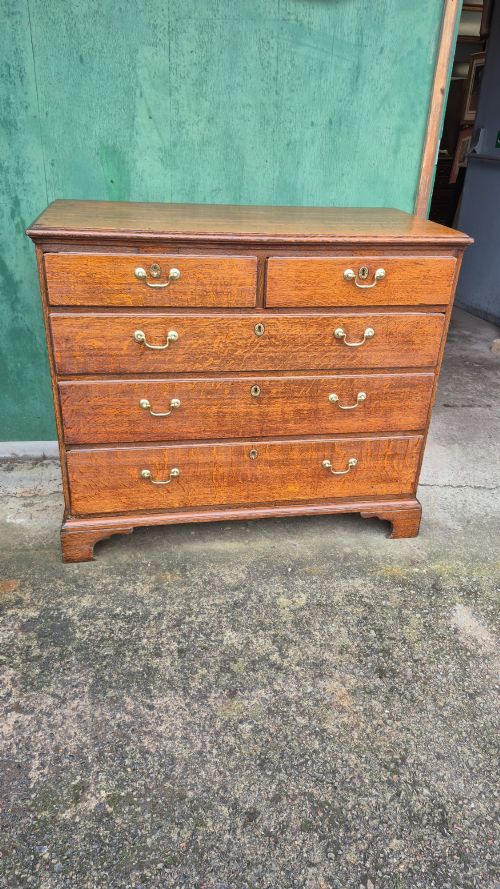
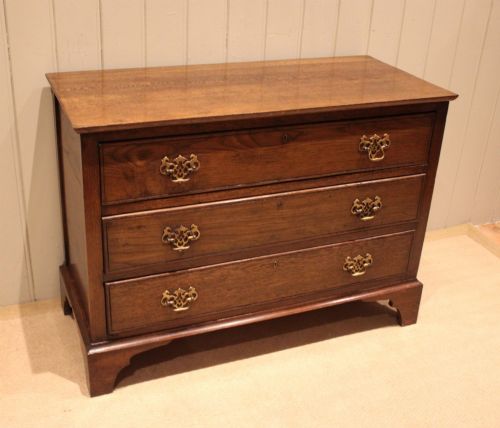
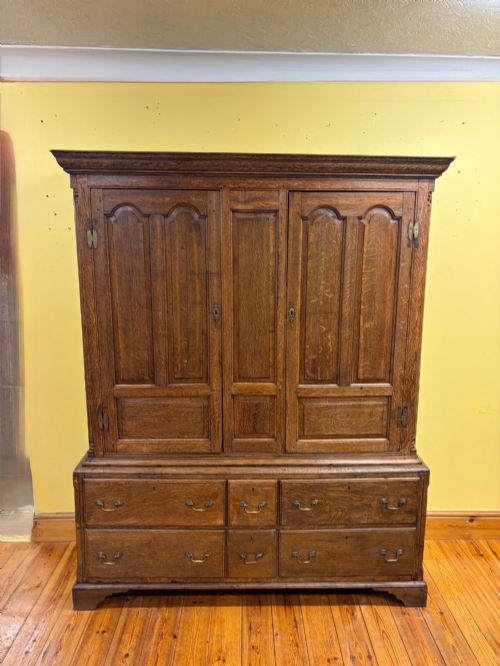
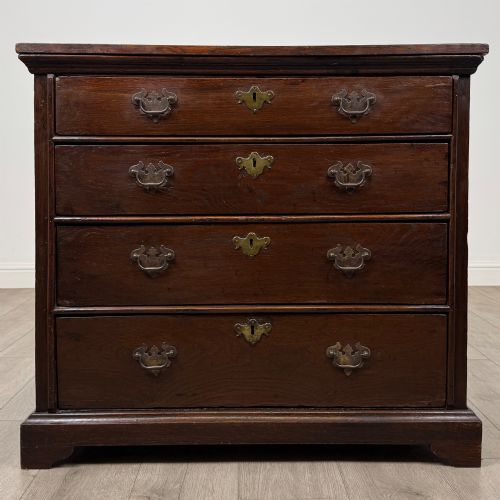
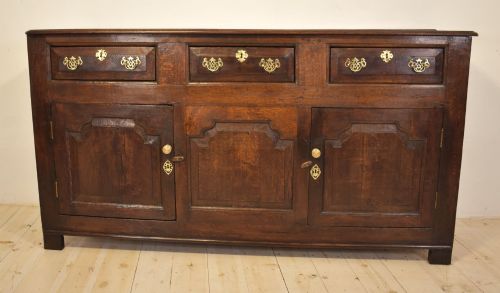
A georgian oak storage dresser search reveals substantial timber furniture built to hold household provisions, linens, and tableware across generations. Buyers encounter high dresser bases, housekeeper's cupboards, and broad chests of drawers originating from eighteenth and nineteenth century workshops.
The inventory on this page centres upon robust oak timbers, occasionally accented with mahogany crossbanding or walnut veneers. Pieces span provincial English designs, Welsh formats, and Lancashire dresser bases designed for heavy domestic service.
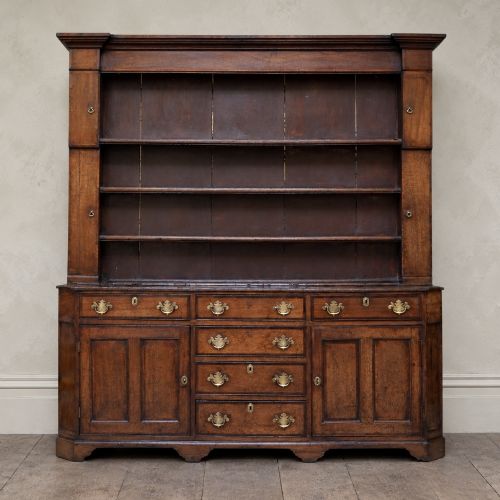
Most examples date from the Georgian era or reflect subsequent revivals, presenting fitted plate racks, tier drawers, and sturdy panelled doors. These forms serve dining rooms and kitchens effectively by offering deep cavities and surface display space.
How they were made
Joiners built these items primarily from solid oak planks, frequently selecting figured elm, walnut, and mahogany for decorative banding and drawer linings. Artisans employed traditional frame and panel construction to accommodate seasonal wood movement without splitting.
Surfaces received hand planing and natural waxing to highlight the grain, while hardware relied upon brass drop handles and cast iron hinges. Secondary timbers like deal or pine often lined drawer interiors and internal shelving behind heavy oak doors.
Some country dresser bases retain deep score marks inside their drawers from centuries of sharpening carving knives.
What varies in quality
The integrity of timber selection and surface patination determines the standing of a piece, distinguishing honest vernacular items from heavily altered examples. Original brass hardware, untouched drawer bottoms, and crisp mouldings indicate superior workshop origins.
Proportion and structural balance dictate overall excellence, separating utilitarian country pieces from finer urban output with crossbanded veneers. Survival of original plate racks on dresser bases adds considerable weight to a piece's historical completeness.
The Georgian Oak Storage Dresser Glossary
- Crossbanding
- A decorative border technique where thin strips of veneer, such as mahogany, are laid perpendicular to the grain of the primary oak surface.
- Dresser Base
- The lower section of a storage dresser, typically fitted with a configuration of drawers and cupboards beneath a solid working top.
- Plate Rack
- Open wooden shelving mounted above a dresser base, designed specifically to display ceramic plates and platters upright.
- Coffer
- A heavy wooden chest with a hinged lid, utilised historically for secure storage of valuables and household textiles.
- Bracket Feet
- Small architectural supports projecting from the bottom corners of chests and cabinets, often shaped with simple curves.
Georgian Oak Storage Dresser: Frequently Asked Questions
What is a georgian oak storage dresser?
It is a heavy wooden storage unit combining deep drawers, cupboards, and sometimes plate racks, built during the eighteenth or early nineteenth centuries.
These functional pieces served rural and urban homes for linen, tableware, and provisions before fitted kitchens existed.
How do I identify a genuine period piece?
Examine the timber construction methods, drawer linings, and overall wear patterns for consistency with eighteenth-century workshop practices.
Hand-cut dovetails, pegged joints, and natural patination on the oak surfaces usually indicate true age rather than later reproduction.
Where were these pieces originally used?
Householders placed them in kitchens, dining parlours, and hallways to store heavy ceramics, cutlery, and household linens.
Their robust timber construction allowed them to withstand constant daily use in busy domestic environments.
How should I care for antique oak furniture?
Maintain stable indoor humidity and temperature levels to prevent the solid oak timbers from drying out or splitting.
Apply occasional applications of traditional beeswax and buff gently with a soft cloth to preserve the surface lustre.