

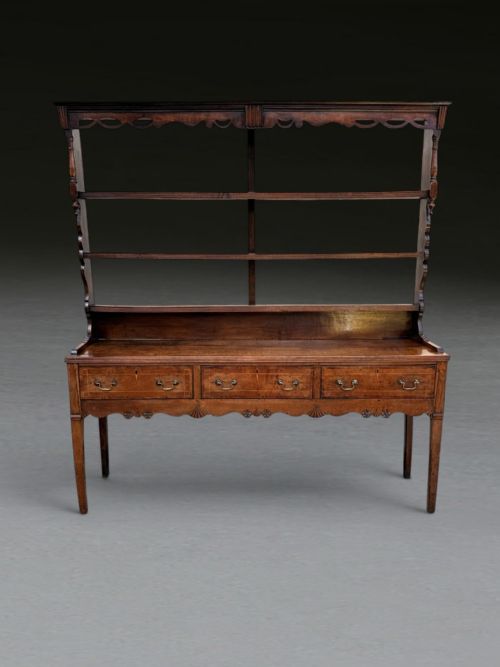
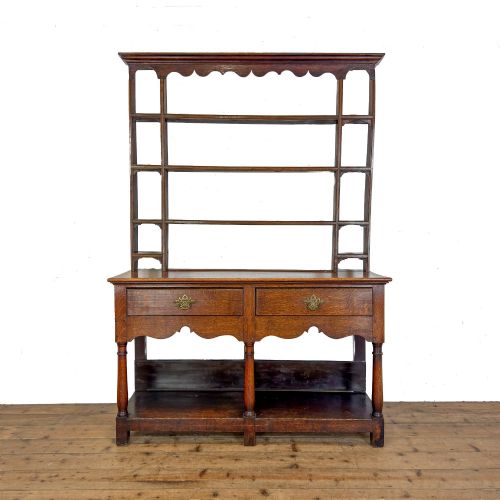
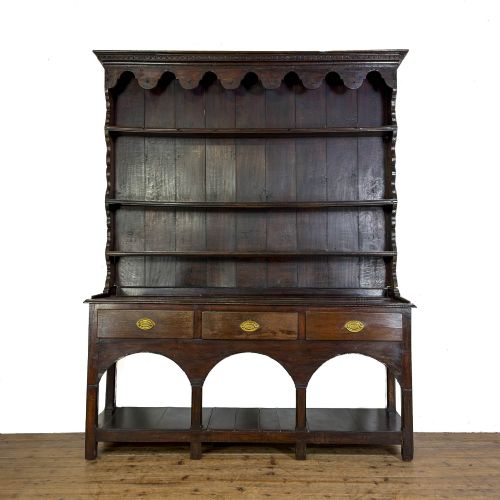
Georgian Kitchen Dresser Rack
A georgian kitchen dresser rack brings substantial timber shelving and centuries of practical kitchen history straight to your dining room wall.
Georgian Kitchen Dresser Rack
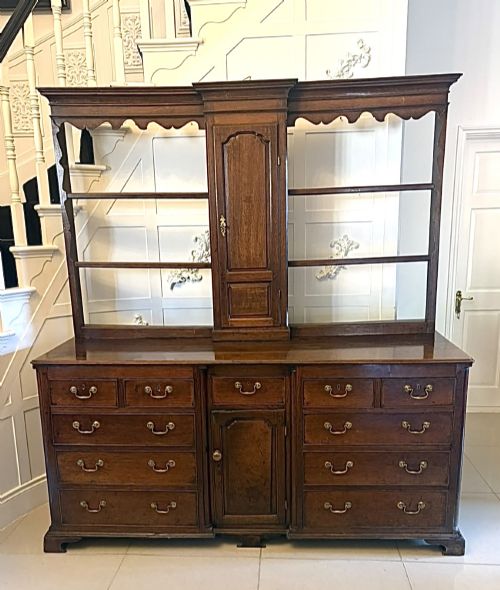
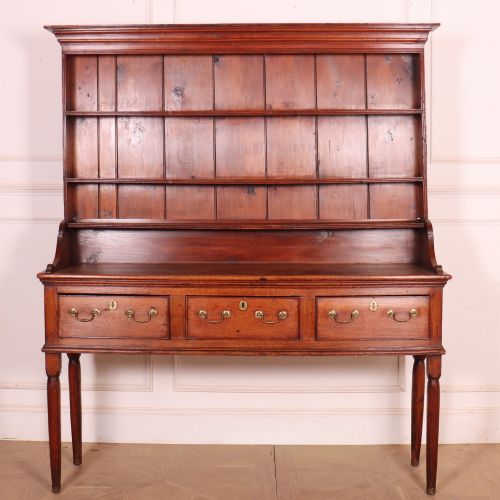
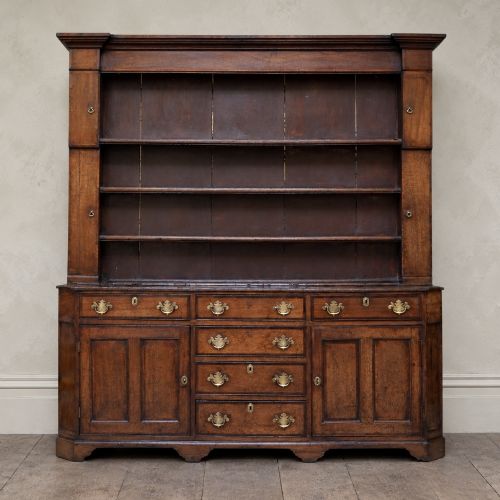
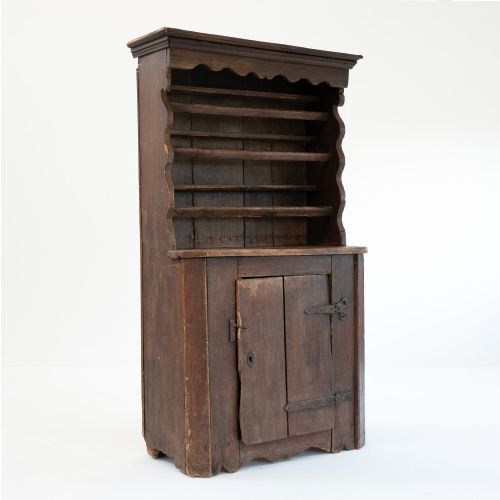
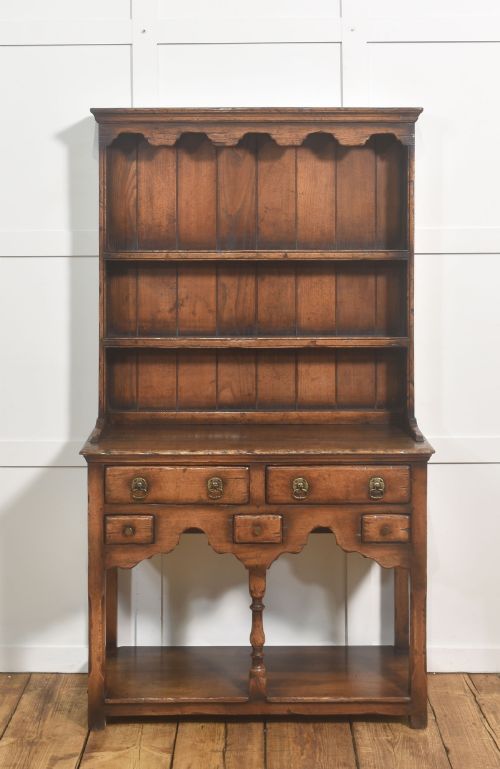
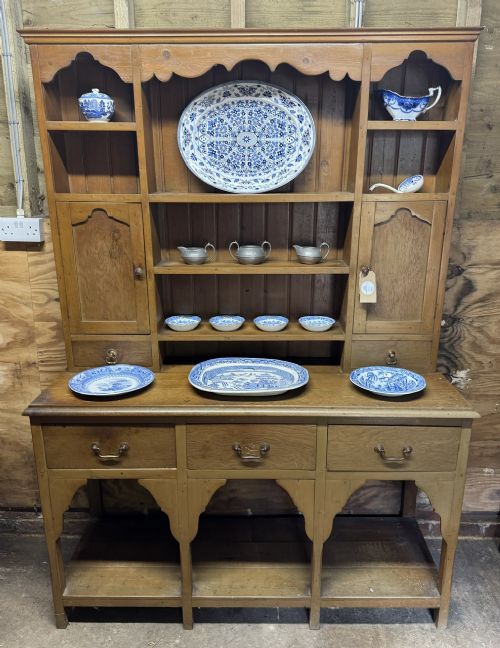
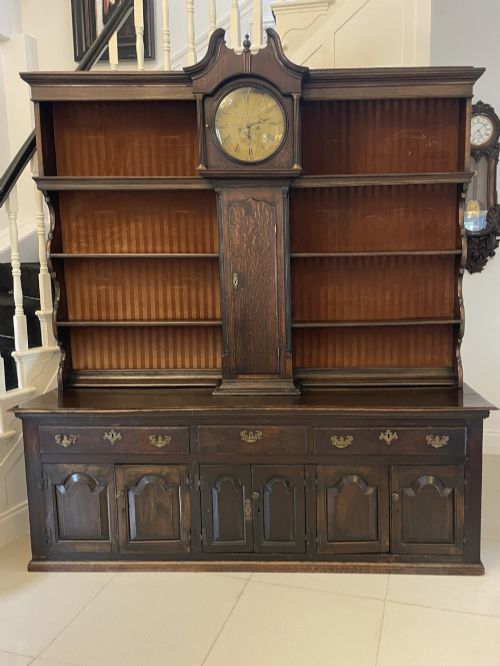
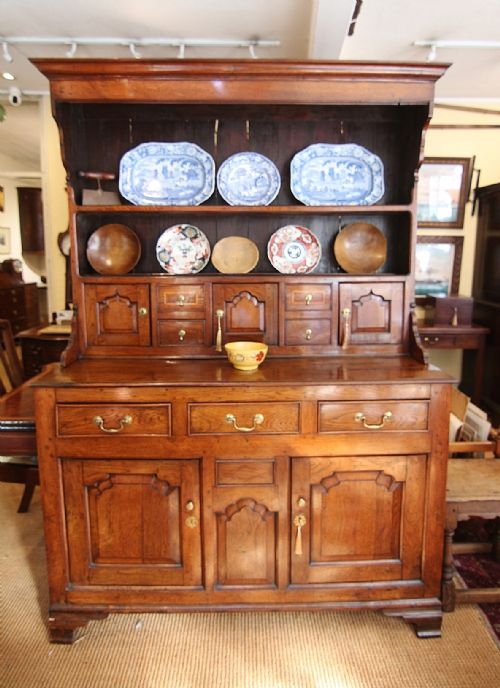
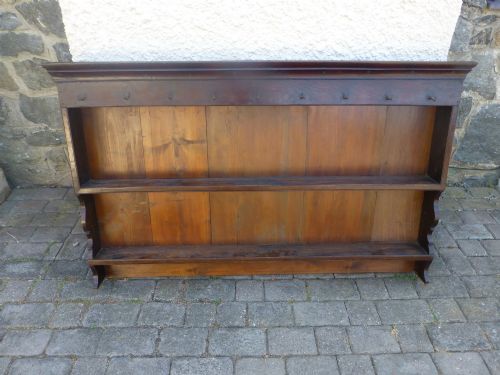
A buyer searching for a georgian kitchen dresser rack examines open shelving units designed to sit atop a base or mount directly to a wall for displaying earthenware. These pieces emerge primarily from 18th century and 19th century workshops in regional styles such as Welsh vernacular, English country, and George III.
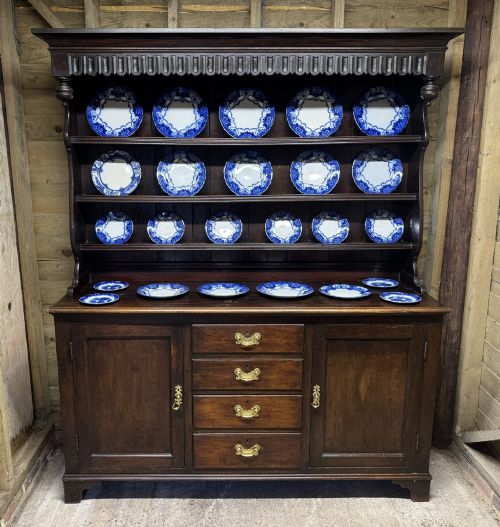
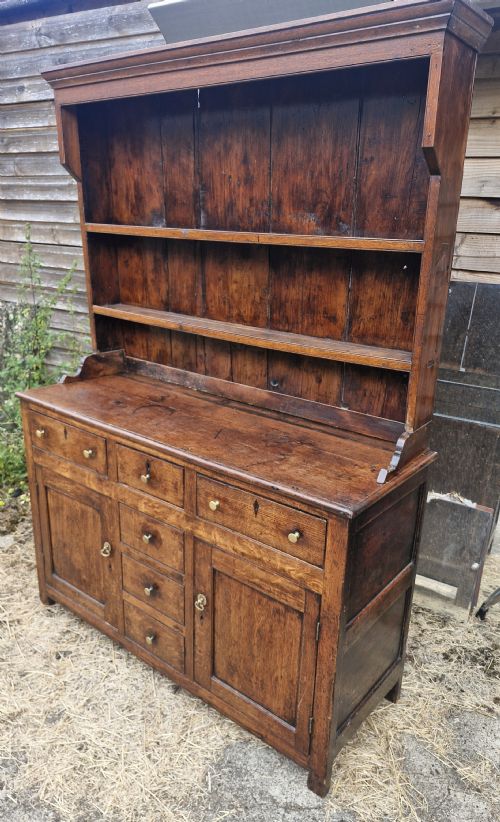
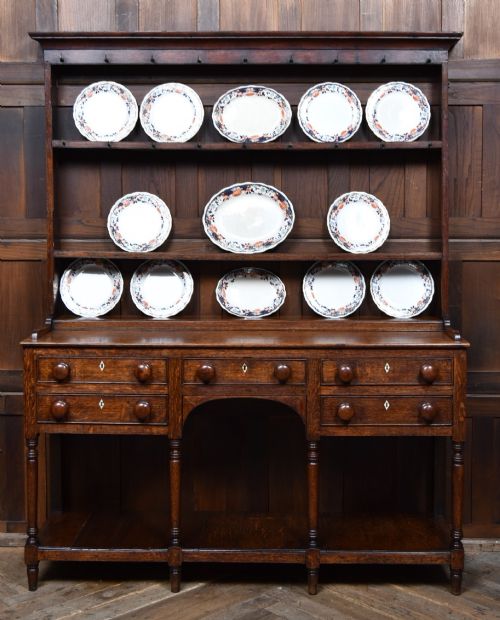
You are most likely to meet oak and pine examples featuring open plate rails, shaped friezes, and vertical sideboards intended for domestic crockery storage. The forms range from independent wall-hung delft racks to integrated components paired with potboard bases.
Regional variations span from Snowdonia and Llanrwst origins to Shropshire and West Country workshops. Each piece carries the marks of vernacular rural furniture making rather than metropolitan polish.
Materials and construction
Local timbers dictate the construction, with solid oak and pine forming the primary frameworks across the listings. Workshops utilised mahogany for crossbanding on select examples, while iron, brass, and bone appear in structural fixings and handles.
Joinery relies on pegged mortise and tenon frames to support heavy rows of ceramic plates and platters. Backboards consist of vertically laid planks secured behind open shelves, frequently retaining their original patination and surface wax.
Listings feature oak and pine as the dominant woods, supplemented by mahogany, brass, and iron hardware across 18th century and 19th century periods.
Distinguishing quality
The division between standard utilitarian storage and superior cabinet work rests on timber selection and architectural detail. Better examples display carefully figured oak grain, mahogany inlay work, and crisply moulded cornice work along the upper edge.
Proportion and survival of original surface finishes dictate the standing of a piece. Retaining untouched patination, original potboards, and integrated rack structures elevates a dresser above later or heavily restored alternatives.
The Georgian Kitchen Dresser Rack Glossary
- Delft rack
- A set of open wall shelves specifically built for displaying ceramic plates and chargers upright. These tiers often include small plate grooves along the shelf boards to prevent dishes from sliding.
- Potboard
- A low horizontal planked shelf fitted between the lower legs of a dresser base. This open platform served originally for storing heavy pots and metalware.
- Crossbanding
- A decorative border technique where thin strips of veneer are laid across the grain of the primary timber. This method highlights drawer fronts and cornices on finer country pieces.
- Patina
- The deep surface sheen and colour acquired by wood through decades of handling, cleaning, and oxidation. This ageing process distinguishes untouched antique timber from modern finishes.
- Vernacular
- Regional furniture built by local country joiners using traditional methods and native timbers rather than following strict London fashion. These pieces reflect the specific domestic needs of rural households.
Georgian Kitchen Dresser Rack: Frequently Asked Questions
What is a georgian kitchen dresser rack?
A georgian kitchen dresser rack is a set of open wooden shelves designed to hold plates, bowls, and mugs in a domestic interior. These racks function either as the upper section of a two-piece floor dresser or as independent wall-hung units.
Craftsmen built these shelves from native timbers like oak and pine to withstand heavy daily use in historic kitchens. They remain popular today for displaying pottery and storing kitchenware in traditional settings.
How were these racks originally used?
Families used these open shelves to store and display everyday earthenware, pewter plates, and decorative pottery within easy reach of the hearth. Grooves cut into the shelves kept round plates tilted securely against the backboards.
Beyond simple storage, the display functioned as a showcase for a household's best ceramic wares. The arrangement kept frequently used kitchen items accessible while protecting delicate pieces on higher tiers.
How can I tell a regional style apart?
Regional differences appear in the timber choice, construction details, and moulding profiles unique to local cabinet makers. Welsh vernacular pieces often utilise local oak with distinctive shaped friezes, while West Country or northern workshops display their own characteristic board arrangements.
Examining the backboards, nail types, and side profiles helps attribute a piece to a specific area. Local timber availability heavily influenced whether a maker selected plain pine or figured oak for the construction.