

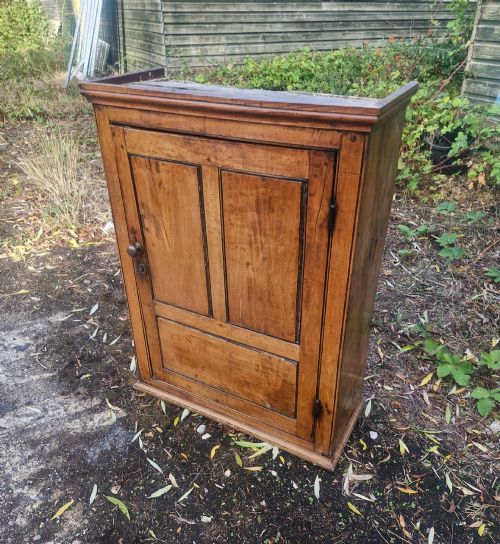
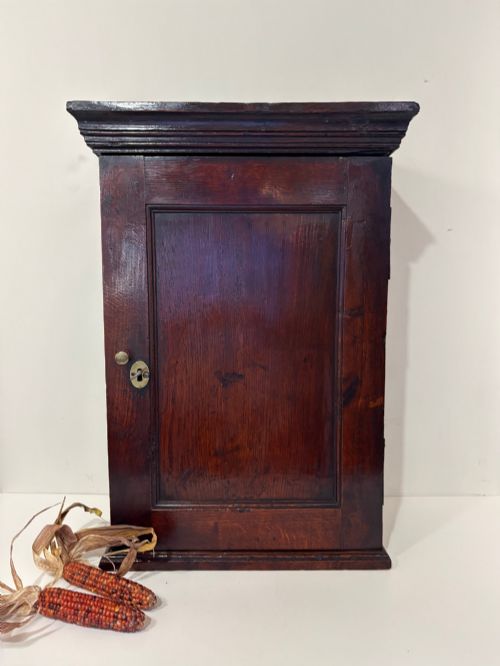
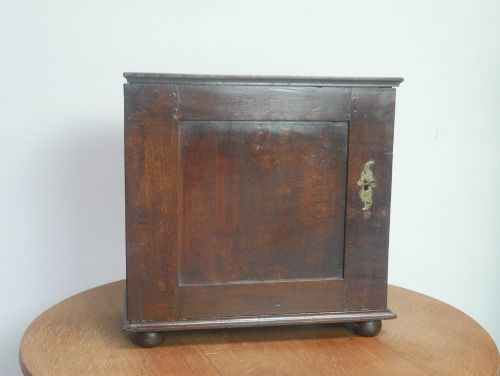
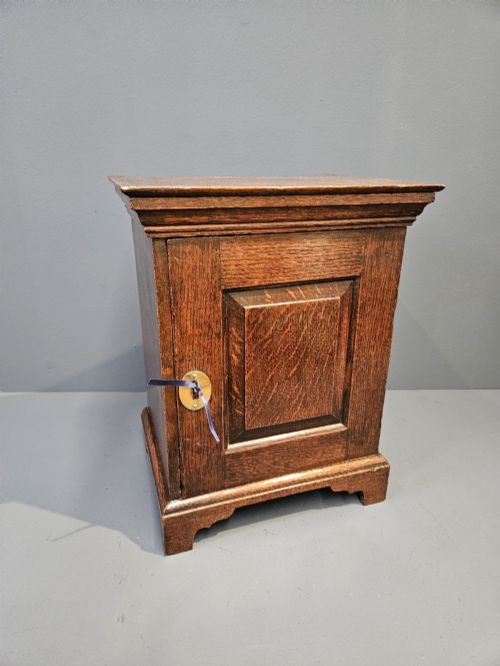
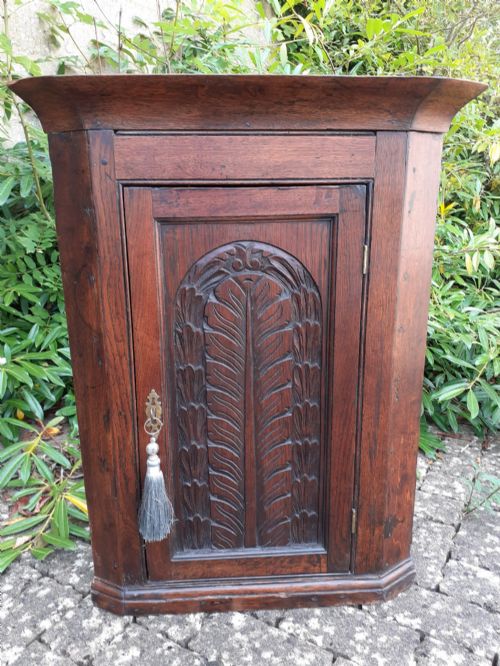


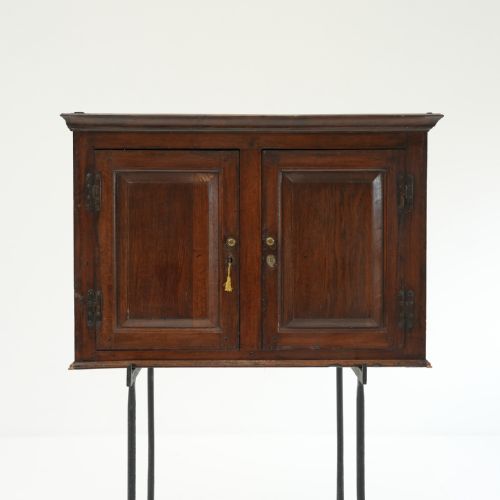


Georgian Oak Spice Cupboard
A georgian oak spice cupboard offers compact storage with provincial charm, bringing centuries of practical British craftsmanship into your home.
Georgian Oak Spice Cupboard
A georgian oak spice cupboard is a small wall-hanging cabinet designed to hold valuable household provisions, featuring a single door that conceals internal compartments. These pieces originate primarily from the eighteenth century, spanning periods from the seventeen-hundreds through the reign of George the Second and into the early nineteenth century.
The most common formats on this page are compact wall cabinets and hanging spice cupboards, often incorporating provincial styling or Welsh vernacular design. Many examples measure small enough for desktop placement or wall mounting, while related forms include corner cupboards and hanging food cabinets.
Makers working within these regional traditions built pieces to last, utilising local timber and straightforward joinery suited to domestic interiors. Survivors from this era display the honest utility characteristic of period country furniture.
How they were made
Makers constructed these cabinets using solid oak as the primary timber, occasionally complemented by mahogany accents or wood inlay for decorative contrast. Structural framing relied on traditional joints to handle daily domestic use.
Hardware consists of brass and iron fittings, including hinges and latches, alongside wrought iron elements on specific provincial pieces. Some examples feature carved details or specific dates inscribed into the wood.
Regional styles include Welsh vernacular and provincial country designs, spanning wall cabinets, corner cupboards, and desktop spice cabinets.
What varies in quality
The distinction between standard examples and finer pieces rests upon the crispness of any carving, the choice of secondary woods like mahogany, and the presence of decorative wood inlay. Provincial regional variations, such as those originating from Welsh workshops, introduce distinct cabinet-making characteristics.
Survival of original brass or iron hardware and the condition of the timber surfaces dictate the overall integrity of the piece. Unaltered cabinet construction preserves the historical character expected by collectors of period woodwork.
The Georgian Oak Spice Cupboard Glossary
- Vernacular furniture
- Domestic items made by local craftspeople using regional materials, reflecting traditional rural styles rather than metropolitan fashions.
- Hanging cupboard
- A small wall-mounted cabinet designed to save floor space, often featuring internal shelves or small drawers for provisions.
- Inlay
- A decorative technique where contrasting pieces of wood are inserted into the primary timber surface to create patterns.
- George the Second
- The period of British history spanning from seventeen twenty-seven to seventeen sixty, associated with specific shifts in furniture design.
- Provincial
- Describing items made outside the major urban centres, typically displaying simpler, sturdy construction methods.
Georgian Oak Spice Cupboard: Frequently Asked Questions
Where were these cupboards placed in the home?
These cabinets were typically hung on walls in kitchens or private rooms where valuable provisions and spices needed secure storage away from pests and dampness. Their compact proportions allowed them to fit easily into smaller domestic spaces.
Today, they function well in similar domestic settings, mounted at eye level in kitchens, hallways, or living areas to display small collections while serving practical storage needs.
How do I date an 18th century oak cupboard?
Dating relies on examining the construction techniques, timber selection, hardware styles, and any physical clues such as tool marks or inscribed dates left by the maker. Regional variations in provincial pieces also provide helpful chronological markers.
Comparing the joinery and wood patination with documented examples from similar periods helps establish a reliable timeline for individual pieces.
What is the difference between a spice cupboard and a wall cabinet?
A spice cupboard traditionally refers to a smaller form designed specifically to house expensive culinary ingredients in partitioned interior compartments or tiny drawers. General wall cabinets often feature open shelf space or larger internal areas for broader domestic storage.
Both forms utilise similar hanging methods and oak construction, reflecting the practical needs of period households.
Can these small cabinets support daily use?
Solid oak construction and durable iron or brass hinges make these antique cabinets structurally robust for everyday handling of lightweight household items. Their original purpose demanded resilience against regular opening and closing.
Treating the antique timber with care and avoiding excessive weight ensures these pieces remain functional parts of a modern interior.