

Georgian Oak Side Tables
Georgian oak side tables combine honest British utility with rich timber patination, offering sturdy surfaces that anchor a room with understated historic character.
Georgian Oak Side Tables
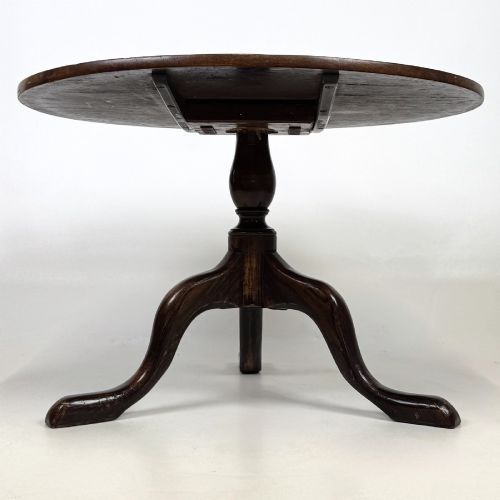
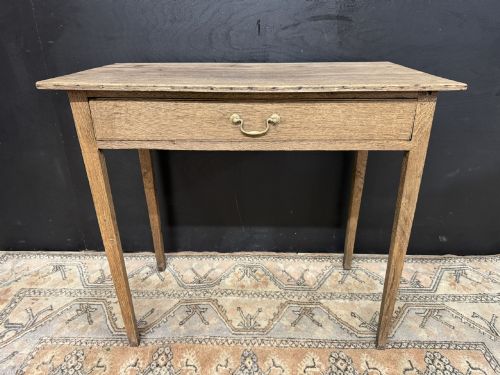
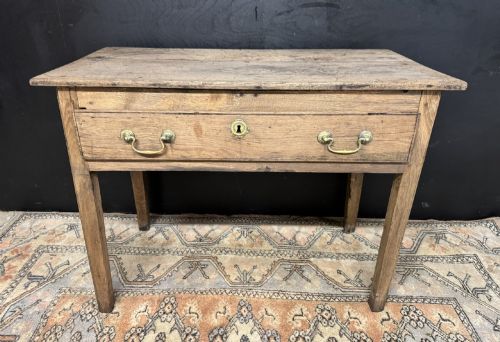
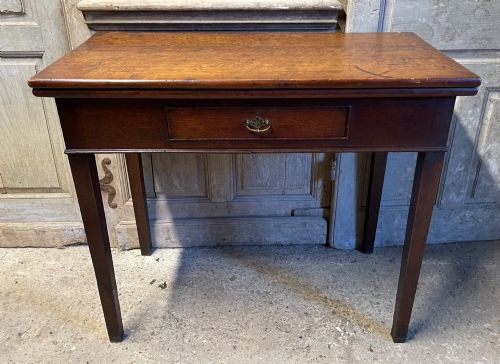
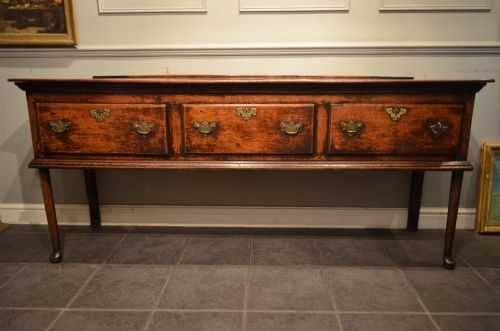
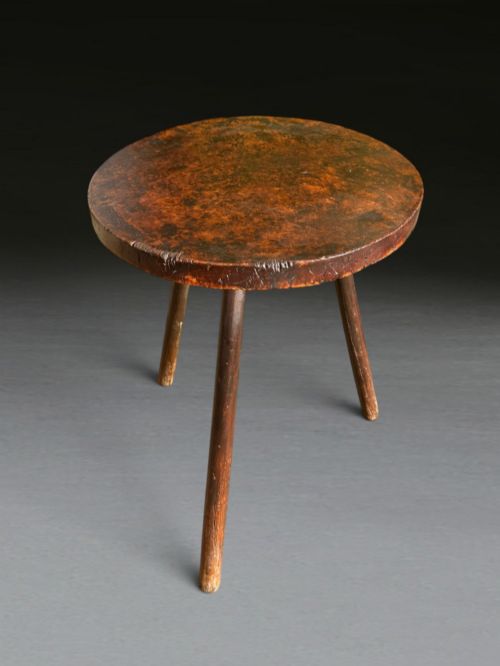
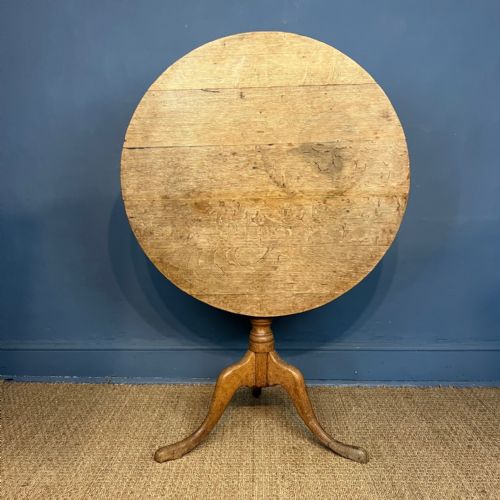
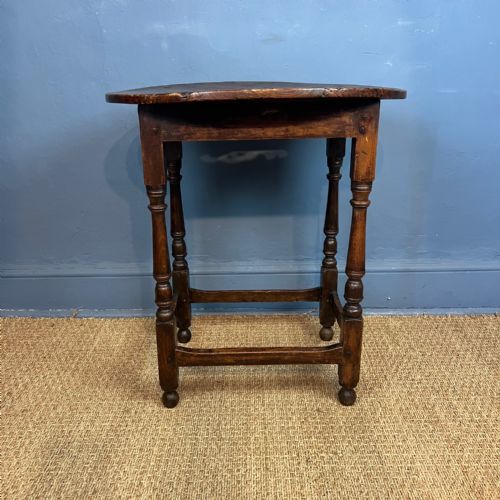
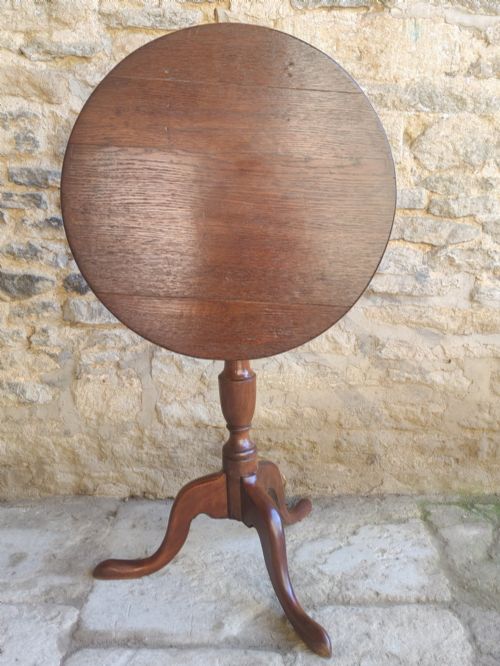
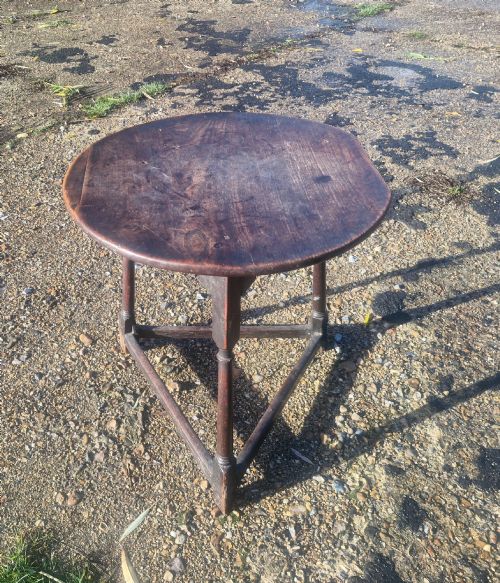
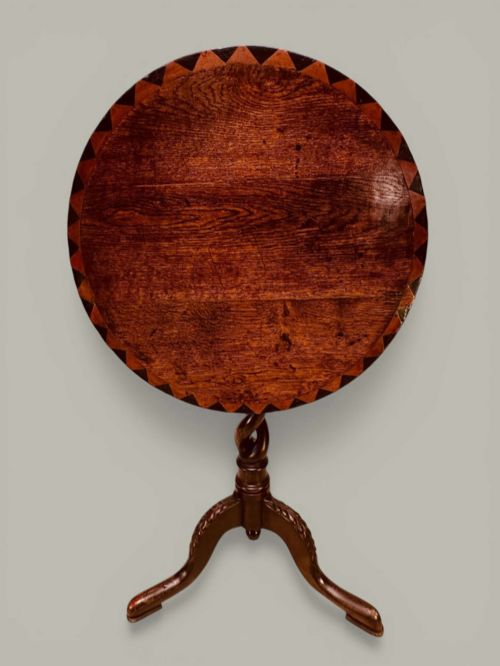
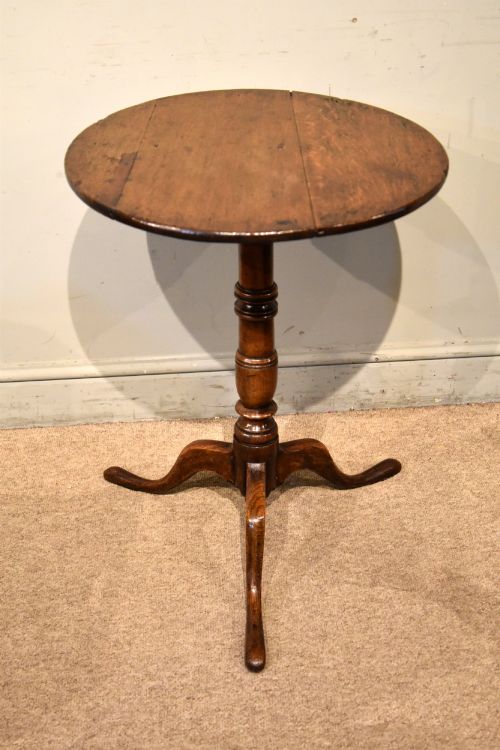
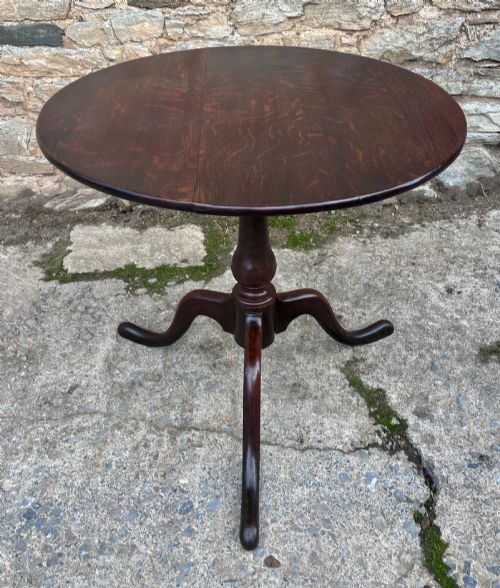
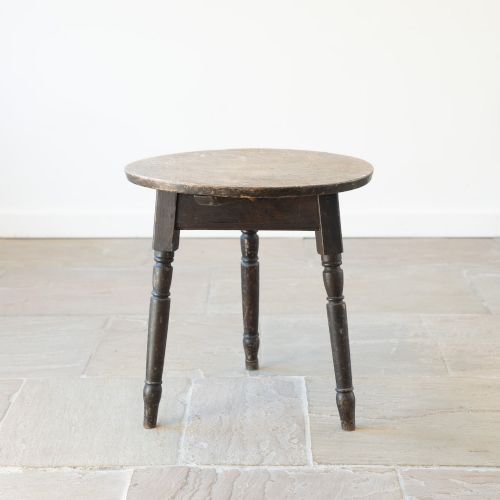
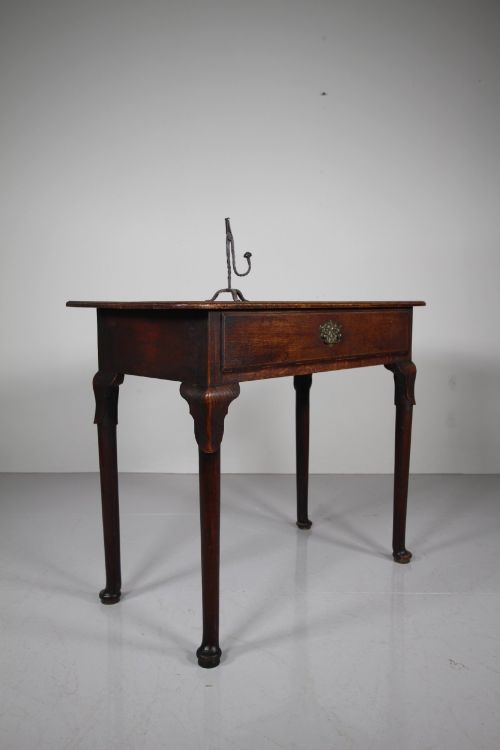
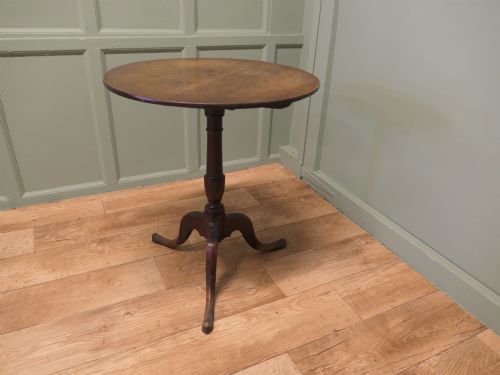
When you search for georgian oak side tables, you encounter practical furniture pieces created primarily across the eighteenth century and the early nineteenth century. These listings span compact lowboys fitted with drawers, tripod tilt-top tables, and rustic cricket tables built for everyday domestic use.
The prevailing form on this page is the lowboy or simple side table, often originating from English country houses and provincial workshops. Makers utilised sturdy native timbers to construct versatile surfaces intended for halls, parlours, and bedchambers.
Pieces frequently align with reigns such as George I, George II, and George III, alongside broader Georgian and Regency designations. The selection also embraces occasional drop-leaf formats, pembroke tables, and substantial dresser bases fulfilling similar functional roles.
Materials and Construction
Makers built these tables predominantly from solid oak, sometimes combining secondary woods like elm for table tops or drawer linings. Workshops employed traditional joinery techniques such as mortise and tenon frames, securing components with wooden pegs rather than modern fasteners.
Surface preparation involved hand-planing and scraping the oak boards, which over centuries developed a dry, warm surface patination. Brass handles, keyplates, and birdcage mechanisms appear on select examples, fastened with hand-forged screws or iron pins.
Georgian Oak Side Tables Retail Price Guide 2026
Typical asking prices for georgian oak side tables among the pieces listed under this phrase on Sellingantiques today, from the lower quarter to the upper quarter. They describe what is for sale here now, not the wider market.
Several tilt-top tables include clever birdcage mechanisms that let the top spin in circles while you ponder your tea.
Substance and Proportion
The distinction between ordinary and superior tables rests largely upon the figure of the timber and the retention of original surfaces. Tables displaying unpolished, dry surfaces with minimal later alterations command stronger interest from buyers seeking authenticity.
Proportion and structural integrity also separate regional vernacular pieces from more refined urban commissions. Clean lines in the legs, whether pad feet, square tapered supports, or pad-foot cabriole legs, indicate careful planning by the original cabinetmaker.
The Georgian Oak Side Tables Glossary
- Lowboy
- A small oak table featuring one or more drawers beneath the working surface, historically used as a dressing table or side table.
- Tilt-top table
- A round table fitted with a catch and hinge mechanism allowing the top to tilt vertically when not in use for convenient storage against a wall.
- Cricket table
- A small, lightweight occasional table supported on three legs, traditionally designed with stretchers for stability on uneven stone floors.
- Pad foot
- A rounded, simple foot shape found at the base of cabriole legs on eighteenth-century vernacular furniture.
- Birdcage
- A rotating wooden framework beneath a tilt-top table top that allows the surface to both pivot and rotate.
Georgian Oak Side Tables: Frequently Asked Questions
What is a lowboy used for?
A lowboy serves as a compact side table or writing surface, originally positioned in bedchambers for personal grooming.
In modern rooms, buyers use them as hallway tables, lamp stands, or small desk spaces where depth is limited.
Are these tables made of solid oak?
The listings consist predominantly of solid oak construction, occasionally supplemented with secondary timbers like elm for structural elements.
Makers utilised native hardwoods throughout the eighteenth century, ensuring durability across generations of daily domestic service.
How do I care for antique oak?
Antique oak benefits from occasional applications of natural beeswax to nourish the dry timber and protect the historic surface.
Keep tables away from direct heat sources and dramatic humidity fluctuations to prevent wood splitting or shrinkage.