


Georgian Oak Seating
Georgian oak seating brings solid country character to a room through sturdy settles, Windsor armchairs and provincial dining chairs built to last.
Georgian Oak Seating
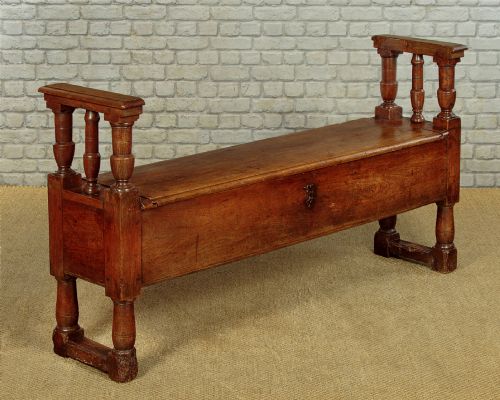
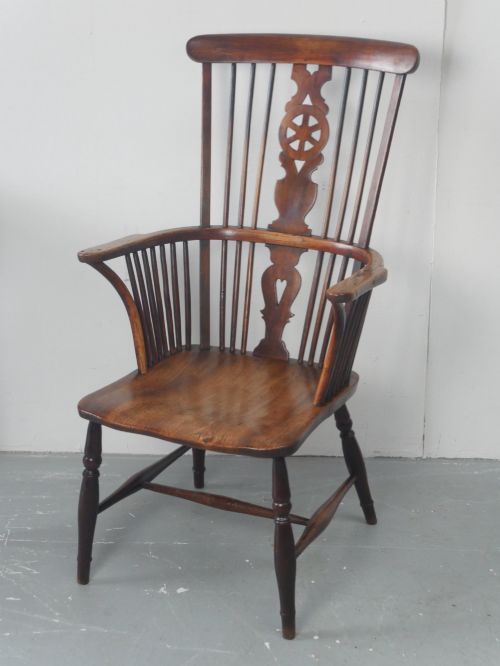
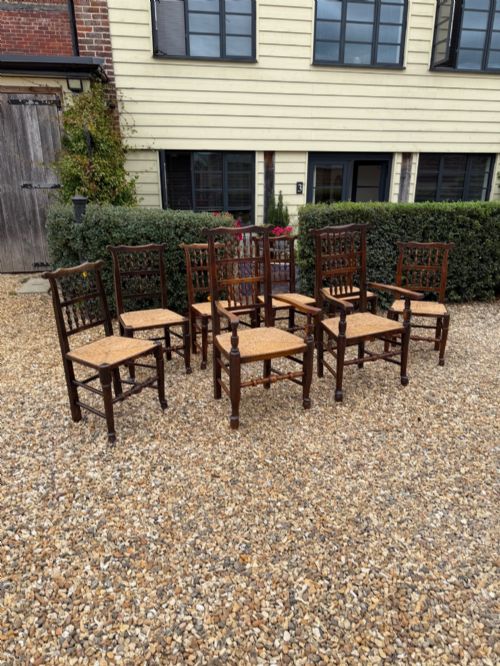
Georgian oak seating encompasses a broad variety of domestic forms designed for everyday use in country houses, farmhouses and taverns. Buyers searching for georgian oak seating will encounter substantial settles, high-backed armchairs, joint stools and ladderback dining chairs originating primarily from the eighteenth and nineteenth centuries. These pieces reflect regional English vernacular traditions, spanning provincial workshops from the Thames Valley to Lancashire and Wales.
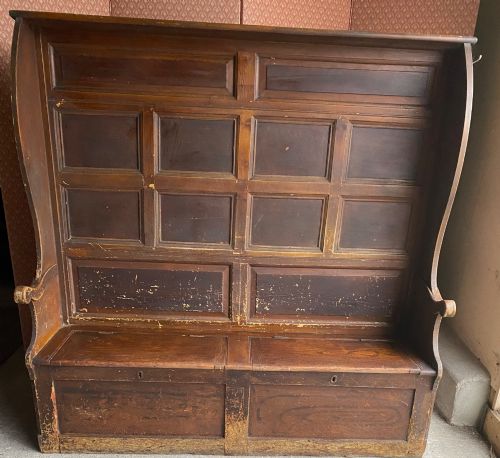
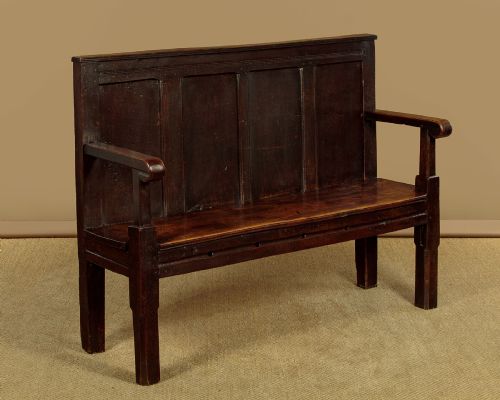
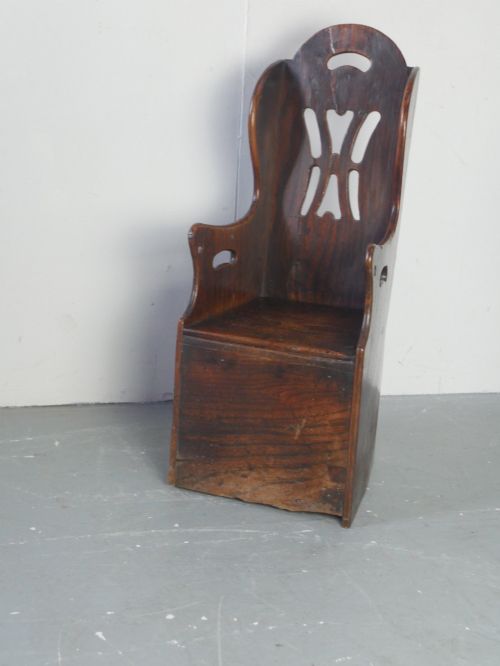
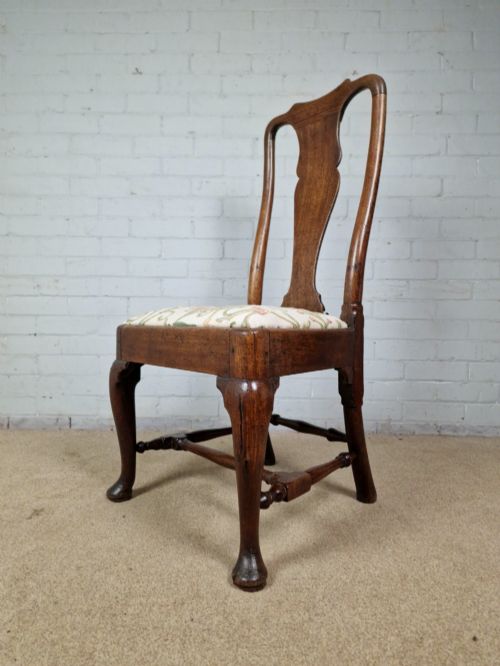
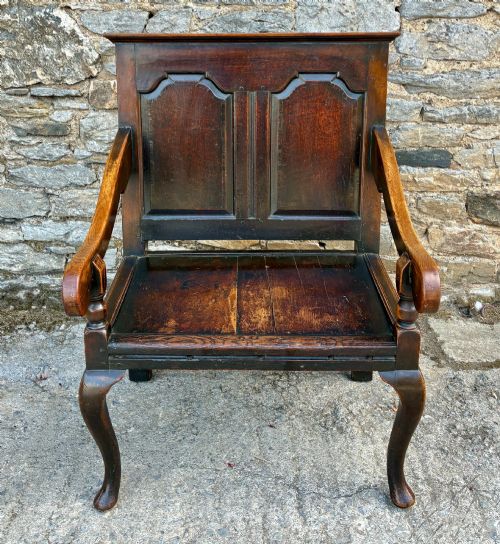
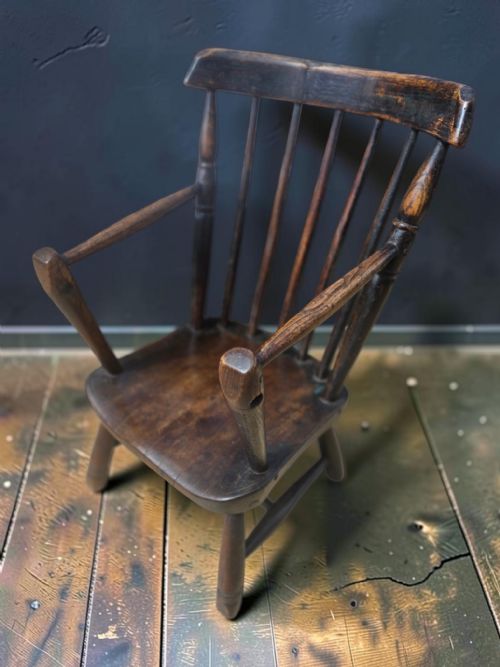
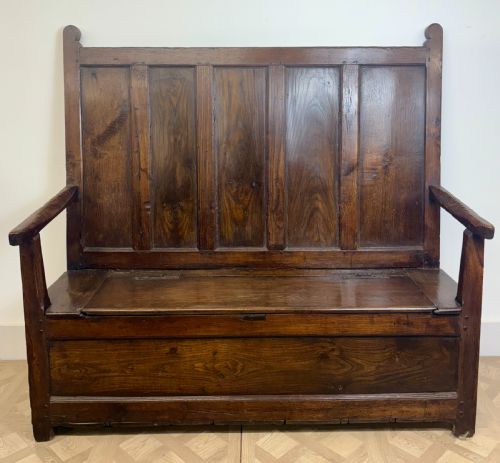
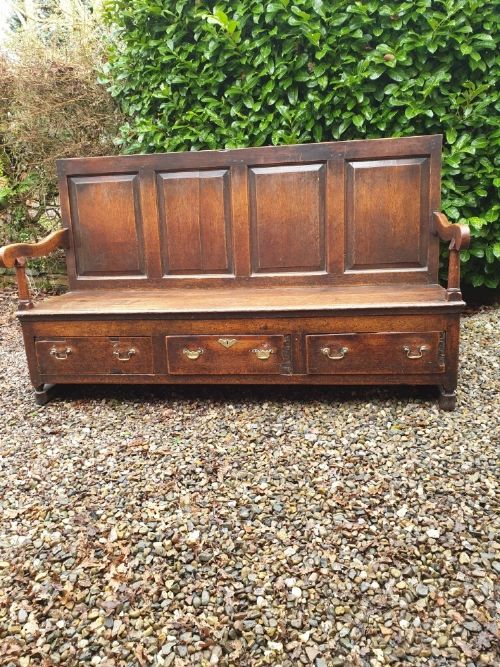
Settles and benches form a major part of the available selection, often incorporating panelled backs or storage boxes beneath board seats to keep out draughts. Dining chairs and country armchairs frequently feature rush seats paired with ash, elm or oak frames. Smaller examples such as children's chairs and joint stools appear alongside grander matching sets of farmhouse kitchen chairs.
Materials and Construction
Makers relied primarily on native timbers, predominantly oak for structural frames, joint stools and settle panels, often combined with ash, elm and yew for bentwood Windsor chair components and spindle backs. Rush seats were woven directly onto frames, while board seats utilised single or joined planks of solid timber fastened with traditional pegged joints.
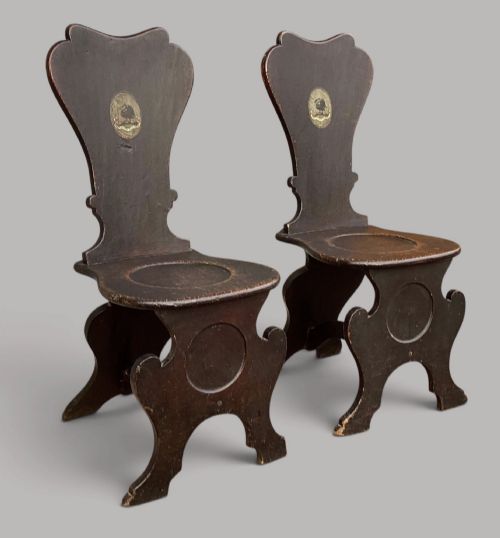
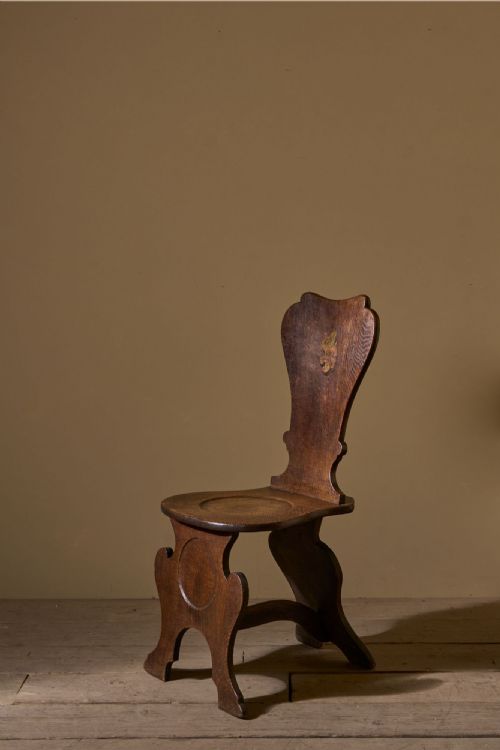
Construction techniques prioritised durability, employing mortise and tenon joinery secured with wooden dowels rather than metal fasteners. Provincial makers shaped spindles and legs with drawknives and lathes, occasionally adding painted decoration or carved panel details to hall chairs and settle backs.
Georgian Oak Seating Retail Price Guide 2026
Typical asking prices for georgian oak seating among the pieces listed under this phrase on Sellingantiques today, from the lower quarter to the upper quarter. They describe what is for sale here now, not the wider market.
Available forms range from provincial joint stools and child's chairs to long tavern benches and high-backed settles.
Craftsmanship and Integrity
Quality in these vernacular pieces rests on the integrity of the original construction and the survival of untouched surfaces. Examples retaining rich, deep patination and honest timber wear command greater appreciation than those stripped bare or heavily restored.
The sophistication of regional turning, the balanced proportions of a comb back or hoop back Windsor, and the retention of original board seats or period rush work distinguish finer provincial workshops from simpler utilitarian output.
The Georgian Oak Seating Glossary
- Settle
- A wooden bench with a high panelled back, solid seat and often enclosed sides or a box base designed to block cold draughts in older homes.
- Windsor Chair
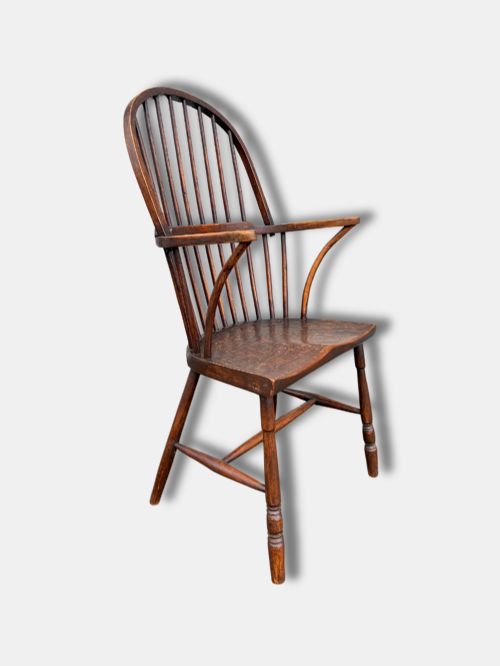
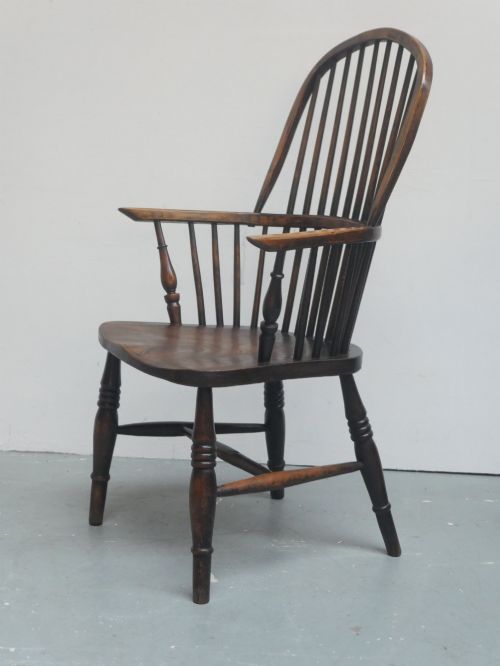
- A wooden armchair featuring a saddle-shaped solid seat into which the legs and back spindles are directly socketed. They often display distinctive hoop, comb or spindle back designs.
- Joint Stool
- A sturdy wooden stool constructed with mortise and tenon joints using pegged framing. These early seats served multiple domestic purposes before the widespread use of individual chairs.
- Rush Seat
- A seating surface woven from dried marsh rushes twisted into cords. This traditional technique provides a resilient and comfortable base for ladderback and country dining chairs.
- Ladderback
- A chair back constructed with horizontal arched slats between vertical uprights. This regional vernacular design was widely adopted in provincial English kitchens and dining rooms.
Georgian Oak Seating: Frequently Asked Questions
What is a box settle?
A box settle combines a high-backed wooden bench with a built-in storage chest beneath the seat. This dual-purpose furniture kept blankets and household items close at hand while offering shelter from cold hall draughts.
These pieces were staples of farmhouse and tavern interiors throughout the eighteenth century. Their enclosed lower sections helped insulate sitters from unheated stone floors.
How do I identify a Windsor chair?
A Windsor chair is characterised by a thick sculpted wooden seat into which the legs and back spindles are independently bored. They typically feature bentwood bows or comb pieces forming the upper back.
Regional variations include Thames Valley, Lancashire and West Country styles. Each region utilised different turning patterns and native timbers like yew, elm and ash.
Where were ladderback chairs made?
Ladderback chairs were produced by provincial makers across various English regions, with notable regional centres in Lancashire and Cheshire. Local craftsmen utilised local hardwoods and rush to supply sturdy domestic seating.
These chairs often survived in sets for farmhouse kitchens and dining spaces. Their straightforward construction allowed for easy repair and continued daily use over centuries.
How should I care for antique oak seating?
Antique oak benefits from stable indoor humidity and protection from direct heat sources that can dry out the timber. Regular dusting and occasional application of traditional beeswax help preserve the surface patination.
Avoid harsh chemical cleaners or modern polishes that can damage the aged finish. Gentle handling of rush seats and wooden joints ensures these historic pieces remain structurally sound.