






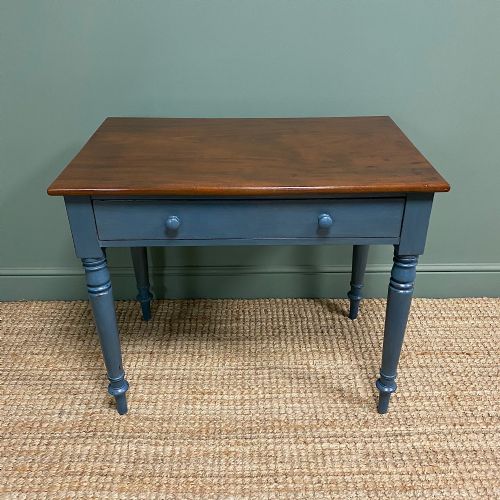
Georgian Oak Bedside Table
A Georgian oak bedside table is a practical piece of period furniture built from honest timber that brings warmth and function to a bedroom.
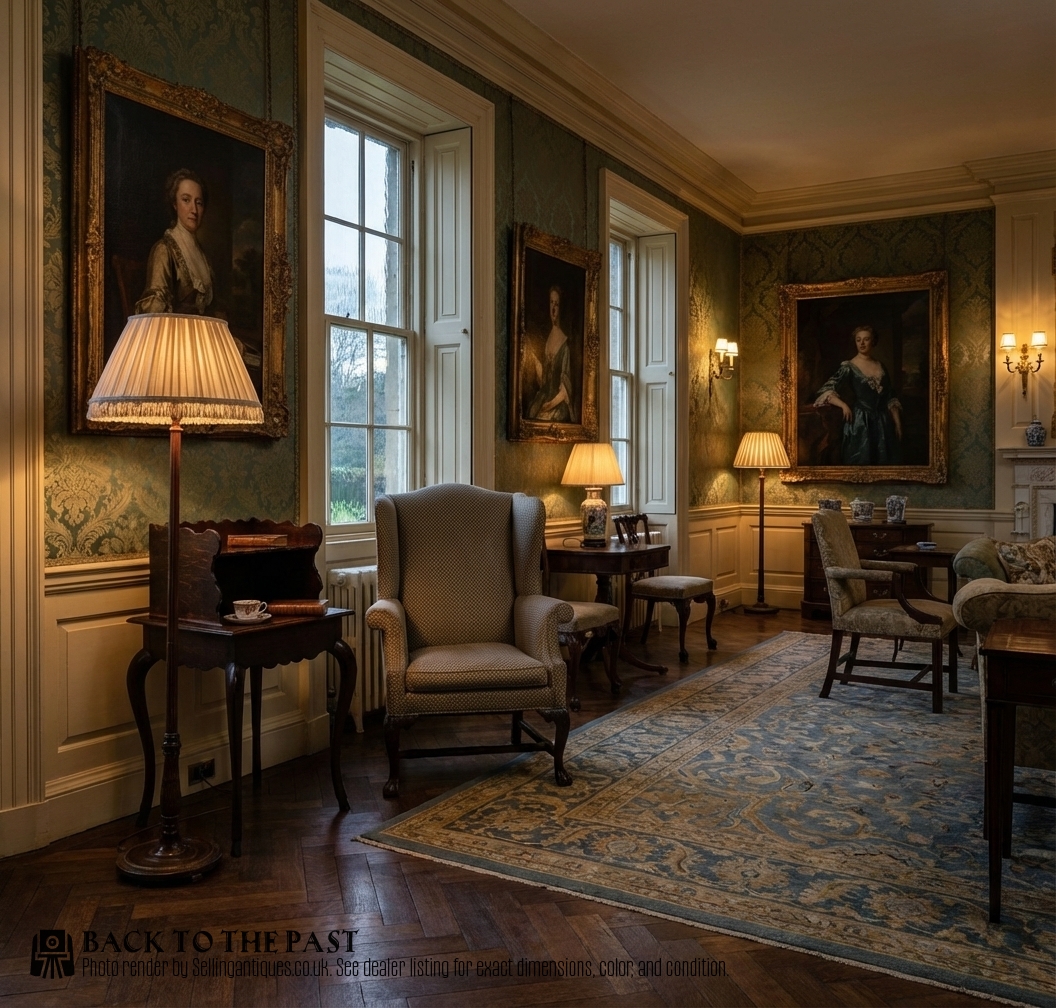
Georgian Oak Bedside Table
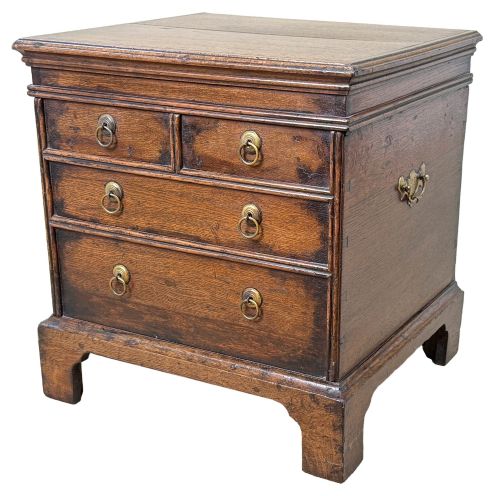
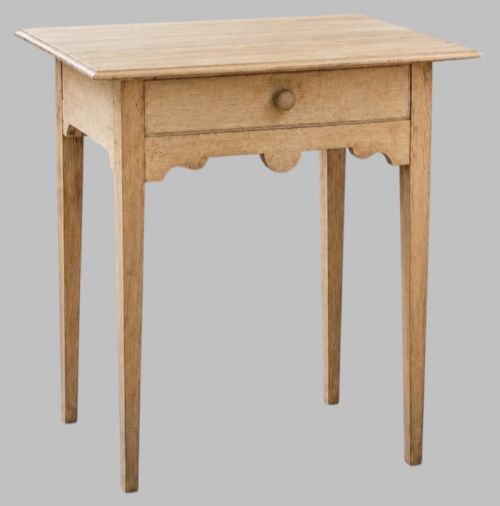
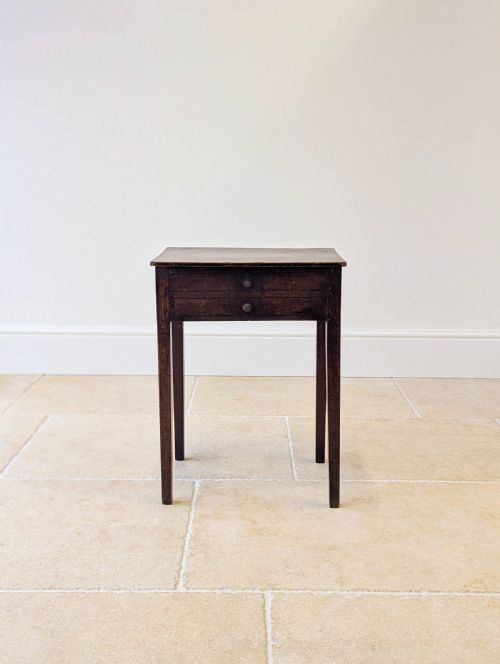
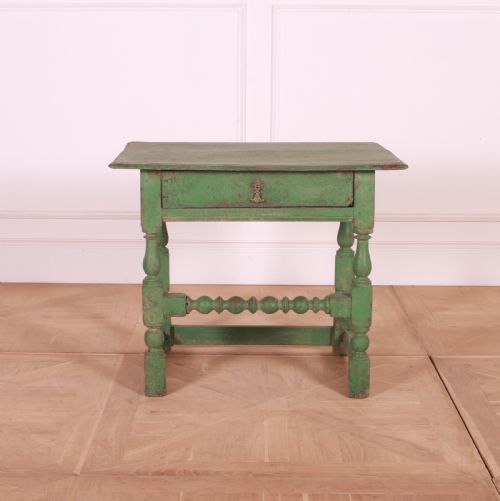
When you search for a Georgian oak bedside table, you are looking at utilitarian wooden furniture primarily produced during the eighteenth and nineteenth centuries. These pieces encompass various forms including compact side tables, small chests of drawers, work tables, and close stools adapted for domestic use.
The versions you are most likely to meet on this page span the Georgian period, the eighteenth century, and the nineteenth century. They display regional English country craftsmanship, sometimes showing the influence of Queen Anne styles or later Georgian revival periods.
How they were made
Makers constructed these pieces using solid oak, frequently supplemented with secondary woods like pine or fruitwood for internal elements. Surfaces were treated in various ways, resulting in finishes that include polished oak, bleached oak, and painted wood.
Hardware typically incorporates brass handles and fittings on drawer fronts and cupboards. The construction relies on traditional joinery methods suited to sturdy country workshops of the period.
Some bedside chests cleverly disguise their sanitary origins as polite furniture.
What varies in quality
The character of the timber and the depth of the finish determine much of the visual appeal. Tables featuring carefully selected oak grain or successful bleaching sit apart from heavier, plain utilitarian variants.
Proportion and form dictate the desirability of each piece. Compact proportions and well-executed country details distinguish the finer examples from standard utility items.
The Georgian Oak Bedside Table Glossary
- Close stool
- A piece of furniture designed to enclose a chamber pot, often disguised as a small chest or cabinet with a hinged top. These items were essential bedroom conveniences before plumbed indoor sanitation.
- Bleached oak
- Timber that has undergone a process to lighten its natural dark tone, creating a pale, Scandinavian-style surface. This finish appears on both period pieces and later decorative items.
- Fruitwood
- Dense timber gathered from fruit-bearing trees such as pear, apple, or cherry, used by country cabinetmakers for secondary elements or smaller items. It takes a fine polish and contrasts pleasingly with darker oak.
- Queen Anne
- A style characterised by curving lines, pad feet, and restrained ornamentation, prevalent in the early eighteenth century. It represents a shift away from heavier seventeenth-century proportions.
- Lamp table
- A small occasional table designed to hold a light source, though frequently utilised today for general display or bedside placement.
Georgian Oak Bedside Table: Frequently Asked Questions
Are all these tables from the Georgian period?
The selection includes pieces spanning the eighteenth century, the Georgian era, and the nineteenth century. Some examples reflect later revival styles rather than strict period manufacture.
Check the listed dates and styles carefully to understand the exact age and background of each individual item.
What materials were used to make them?
Oak is the primary timber across the inventory, occasionally supplemented by pine or fruitwood. Metal fittings generally consist of brass.
Finishes range from traditional polished surfaces to bleached oak and painted wood treatments.
How were close stools used?
A close stool served as a discreet bedroom cabinet enclosing a chamber pot for nocturnal use. They were built in the form of small chests or side tables to blend with other chamber furnishings.
Today, collectors appreciate their clever cabinetry and compact dimensions as bedside storage.
How do I choose between a side table and a lamp table?
Side tables and lamp tables both offer compact surfaces suitable for a bedside setting. The choice depends entirely on the height, proportions, and drawer configuration that suit your room.
Review the dimensions and structural form of each piece to find the correct fit for your space.