

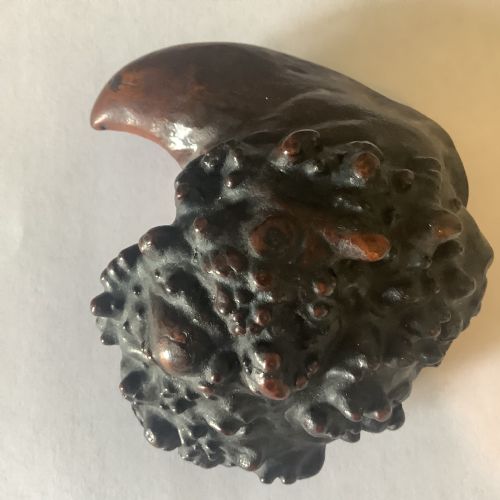


Georgian Novelty Box
A georgian novelty box offers a clever functional container shaped as fruit, shoes, fish or wine bottles, prized by collectors for ingenuity and handcraft.
Georgian Novelty Box
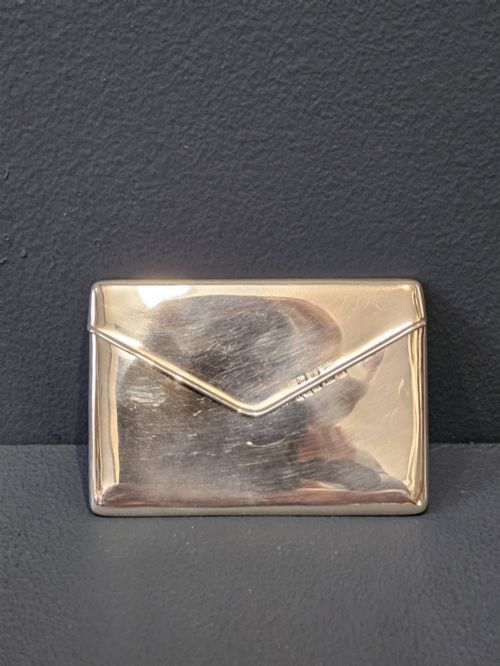
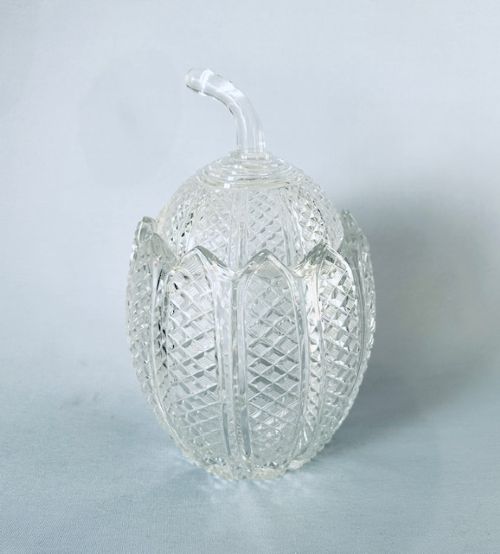
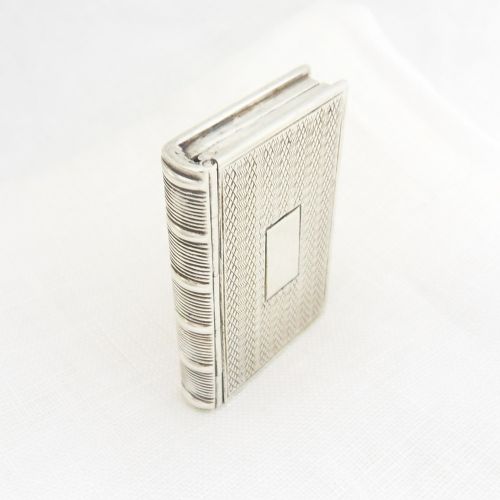
When you examine a georgian novelty box, you encounter pocket containers and desk items fashioned into playful shapes like shoes, fish, melons and wine bottles. These functional pieces served everyday needs such as holding snuff, nutmeg, stamps or vinaigrettes while displaying whimsy.
The selections available here range widely across the Georgian, Victorian and Edwardian eras, encompassing both delicate silver vinaigrettes and rustic treen or fruitwood carvings. Treen shoe boxes and nut-based containers form a prominent part of this tradition.
Makers drew inspiration from nature and daily life, producing items in brass, silver, copper, glass and papier-mâché. Each object balances utilitarian purpose with sculptural form.
Materials and technique
Craftsmen shaped these items from native and exotic materials, utilising fruitwood, burr walnut, coquilla nut and turtle shell alongside sterling silver, brass, copper and glass. Metals were cast, chased and gilt, whilst organic materials relied on careful carving and turning.
Surface decoration often involved inlaid brass piquet work, mother-of-pearl panels, enamel work and intricate hand-carved details that exploited the natural grain of the wood or shell.
Articulated joints in silver fish and hinged lids on nut boxes required precise metalwork to ensure seamless movement while maintaining the illusion of the natural subject.
Georgian Novelty Box Retail Price Guide 2026
Typical asking prices for georgian novelty box among the pieces listed under this phrase on Sellingantiques today, from the lower quarter to the upper quarter. They describe what is for sale here now, not the wider market.
Carvers frequently turned humble nuts and timber into footwear, transforming fruitwood into miniature buckled shoes to delight the pocket.
Quality and execution
The standard of a piece rests heavily on the crispness of the carving and the fidelity of the natural form, whether the item represents a fruit, a shoe or an animal. Superior examples display fluent lines and tactile warmth from age and handling.
Material selection dictates distinction, as seen in richly figured burr walnut, dense coquilla nut or heavy gauge sterling silver with legible hallmarks. Finer items integrate functional elements like hinged lids and grater inserts harmoniously into the sculptural design without disrupting the illusion.
The Georgian Novelty Box Glossary
- Treen
- Small handmade wooden domestic objects. These items showcase traditional turning and carving skills.
- Vinaigrette
- A small hinged box containing a perforated internal grille. It held a sponge soaked in aromatic vinegar.
- Nutmeg grater
- A miniature container housing a metal rasp. Travellers carried these to grate fresh spice into drinks.
- Pique work
- Inlay technique using tiny pins or strips of gold and brass. Artisans pressed these metals into tortoiseshell or wood surfaces.
- Coquilla nut
- The hard, dark brown fruit of a South American palm. Carvers valued it for intricate miniature boxes.
Georgian Novelty Box: Frequently Asked Questions
What were novelty snuff boxes used for?
These containers held dry powdered tobacco, known as snuff, which users consumed by inhalation. The whimsical shapes served as conversation pieces in social settings.
Craftsmen designed them to fit easily into pockets or sit upon a desk, combining personal utility with witty design.
How do I date a silver nutmeg grater?
Silver pieces often carry hallmark stamps indicating the year of manufacture, assay office and maker. Examining these marks provides a reliable chronological anchor.
Stylistic cues such as the engraving style and the form of the hinge support the physical evidence of the metal.
What is treen?
Treen encompasses small functional wooden objects created by turning on a lathe or through hand carving. Items range from shoe-shaped boxes to nutmeg graters and small domestic utensils.
The material patinates richly through handling over decades and centuries.
How should I care for antique wooden boxes?
Keep wooden and nut containers away from direct sunlight and rapid humidity fluctuations to prevent splitting. Gentle dusting preserves the tactile surface and historic patina.
Avoid using modern liquid polishes, which can build up and dull the carved details.