



Georgian Neoclassical Silver
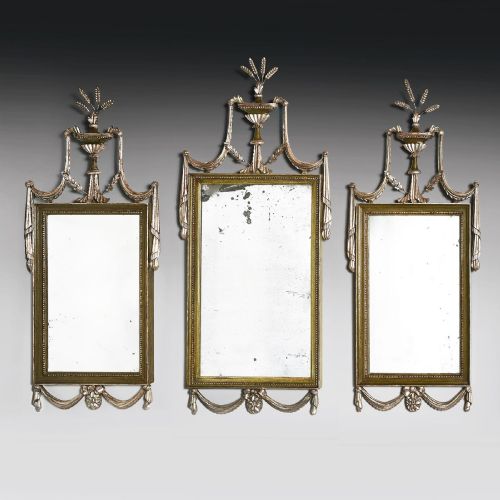
Georgian neoclassical silver unites restrained classical proportion with the bright weight of sterling or the soft sheen of Old Sheffield plate.
Georgian Neoclassical Silver
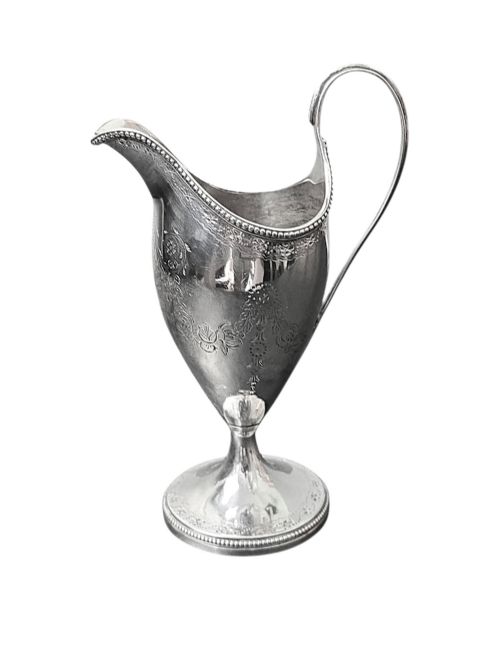
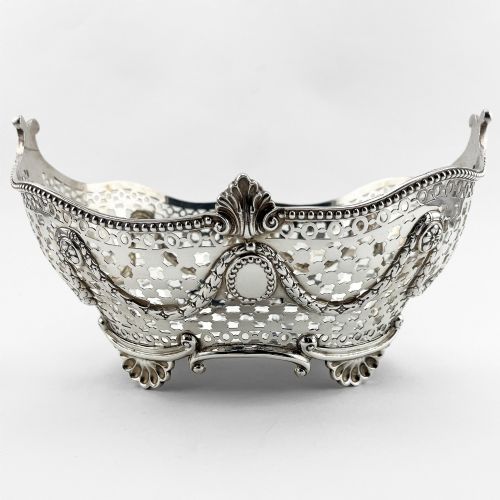
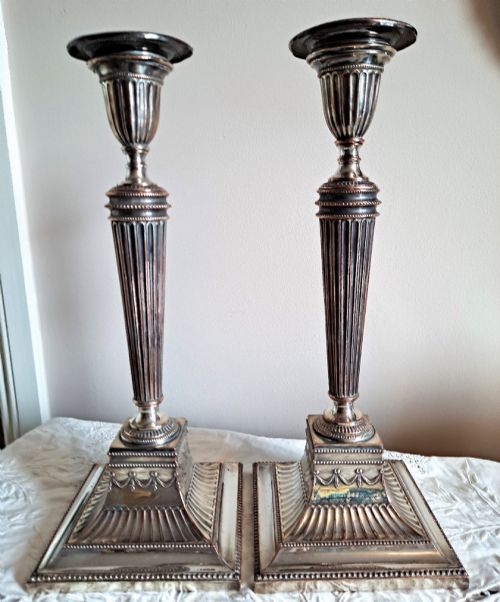
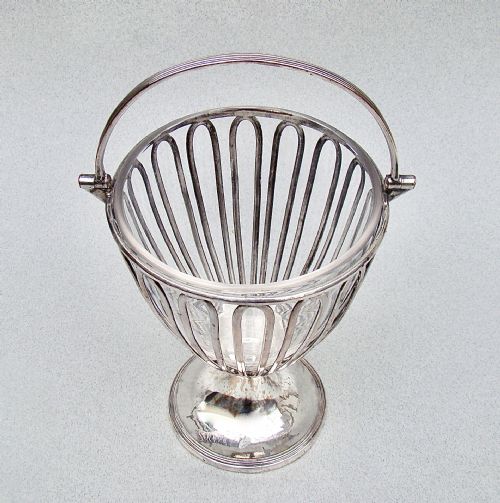
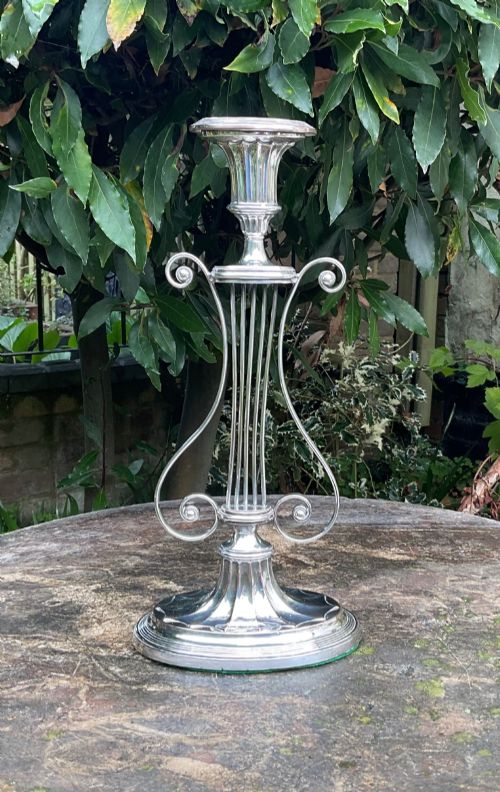
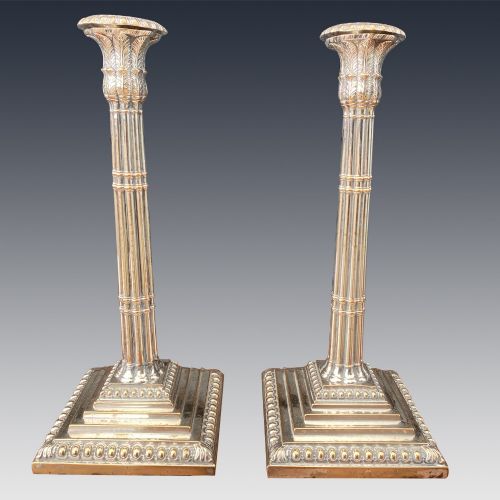
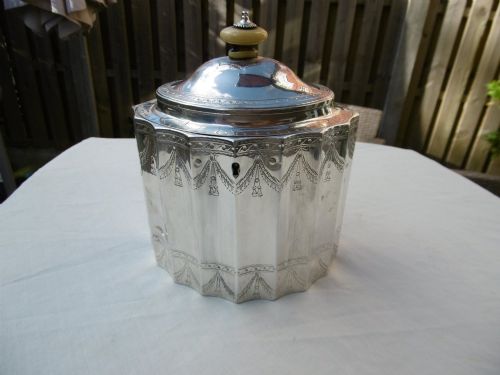
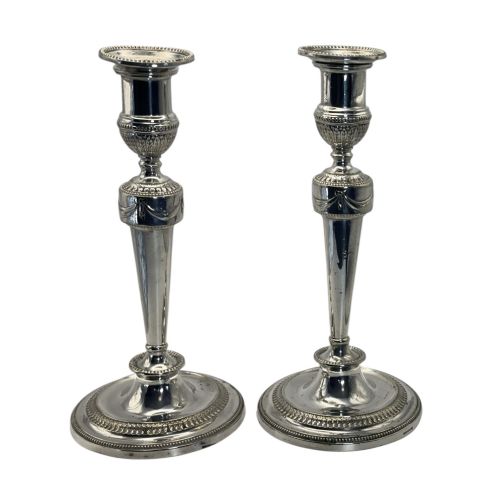
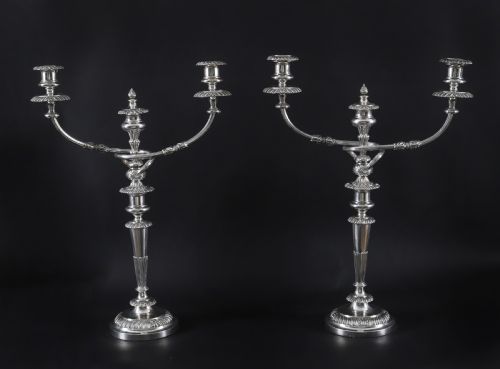
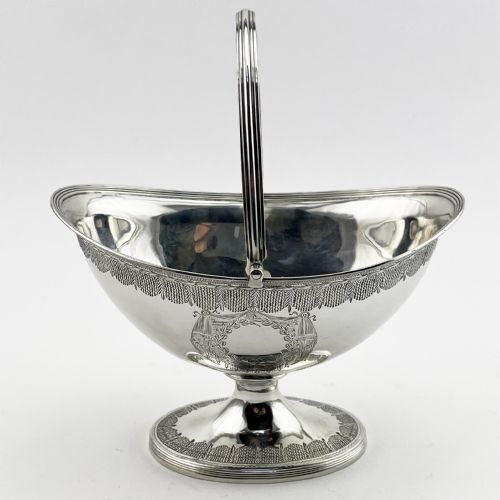
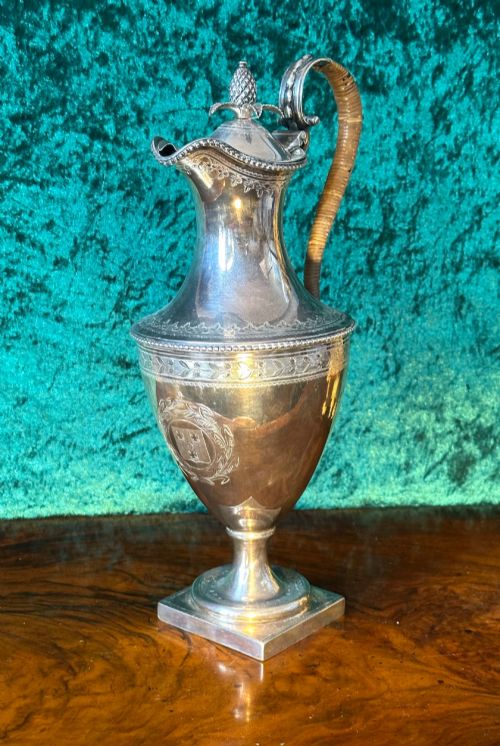
When buyers search for georgian neoclassical silver, they encounter domestic table wares and lighting pieces shaped by late eighteenth-century design. Candlesticks, sugar baskets, tea caddies, and ewers dominate the selection, alongside Old Sheffield plate candelabra and tea urns.
The objects stem predominantly from the Georgian period and the George III reign, with later revivals appearing in Edwardian and twentieth-century silver plate. Surviving items include domestic utensils and table accessories designed for formal dining and tea service.
Materials and Technique
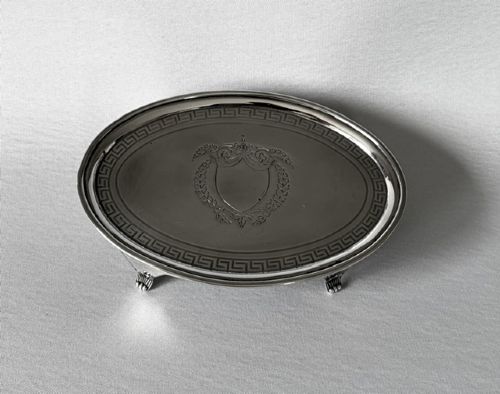
Silversmiths utilised sterling silver and Old Sheffield plate, fusing copper and silver to create durable domestic vessels and lighting. Wirework, bright cut engraving, and fluted surfaces define the decorative execution on tea caddies, sugar baskets, and jugs.
Candelabra and candlesticks incorporate removable sconces and column supports, demonstrating the mechanical precision applied to eighteenth-century metalwork.
Georgian Neoclassical Silver Retail Price Guide 2026
Typical asking prices for georgian neoclassical silver among the pieces listed under this phrase on Sellingantiques today, from the lower quarter to the upper quarter. They describe what is for sale here now, not the wider market.
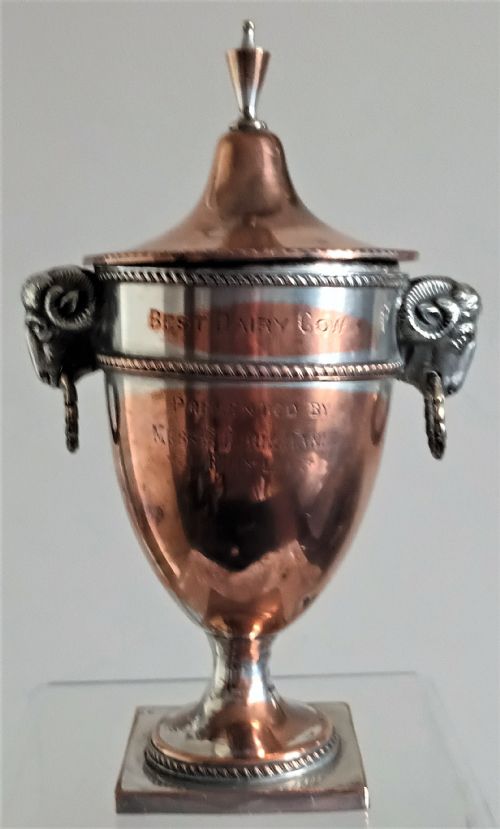
A miniature chestnut urn proves that even eighteenth-century households required very small vessels for roasting nuts by the fire.
Judging Quality
Superior pieces display crispness in their engraved bright cut decoration and clean architectural lines on column candlesticks and urns. Maker marks from prominent silversmiths provide reliable indicators of workshop origin and standard.
The integrity of Old Sheffield plate depends on the preservation of the fused silver layer over the copper base, particularly around high-wear edges and handles.
Robert Hennell·Matthew Boulton·Henry Chawner·Goldsmiths and Silversmiths Co·John Scofield·Mappin & Webb·Barker Ellis·Gillows Of Lancaster
The Georgian Neoclassical Silver Glossary
- Old Sheffield Plate
- A composite material made by fusing a sheet of silver to a copper core. This technique predates electroplating and produces a warm glow.
- Bright Cut Engraving
- A surface decoration technique using faceted V-cut incisions. It catches the light to create a sparkling border on tea caddies and jugs.
- Sconce
- The detachable nozzle fitted to the top of a candlestick to catch dripping wax. Removable components indicate higher grade lighting.
- Pounce Pot
- A small container with a perforated lid used to sprinkle resin powder on paper. This prepared rough parchment for ink absorption before blotting paper became common.
- Sugar Basket
- An open wirework or pierced vessel designed to hold sugar lumps. These typically feature swing handles and blue glass liners.
Georgian Neoclassical Silver: Frequently Asked Questions
What is Old Sheffield plate?
Old Sheffield plate is an early fusion material created by melting a thin layer of sterling silver onto a thick copper ingot. The combined metal is then rolled into sheets for smithing.
This method differs entirely from nineteenth-century electroplating. It produces a rich surface that wears differently over decades of polishing.
How do I identify Georgian silver?
Georgian silver is identified through hallmarks stamped directly into the metal. These marks typically record the maker, town of assay, date letter, and the sterling standard.
Stylistic cues such as neoclassical symmetry, urn motifs, and bright cut engraving also help date these items to the eighteenth century.
What were tea caddies used for?
Tea caddies served as secure containers for expensive loose leaf tea during the eighteenth century. Because tea was a luxury import, these vessels were often fitted with locks.
They sat on the tea table alongside sugar baskets and teapots, often housed within fitted wooden boxes or displayed independently.
How should I clean silver plate?
Silver plate requires gentle cleaning with non-abrasive cloths and specialist silver polishes. Vigorous scrubbing damages thin surface layers, particularly on Old Sheffield plate.
Store pieces in dry environments away from direct sunlight to maintain the finish without stripping the historical patina.