
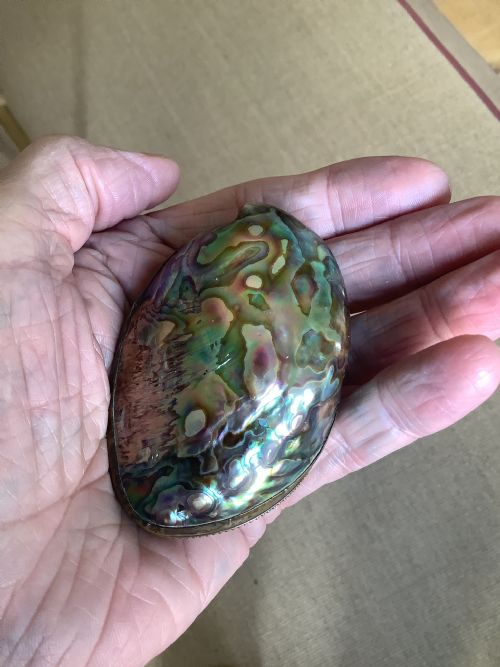


Georgian Mother of Pearl
Georgian mother of pearl encompasses delicate personal items and decorative containers fashioned from iridescent shell and paired with silver or exotic woods.
Georgian Mother of Pearl
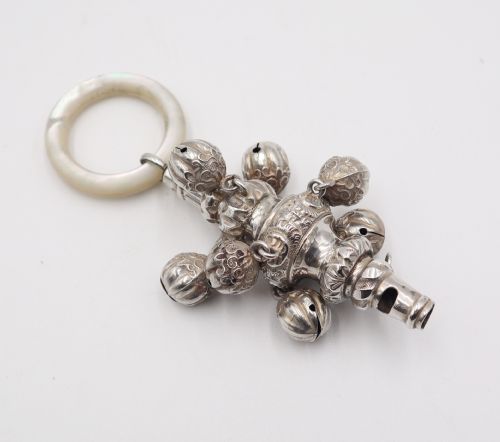
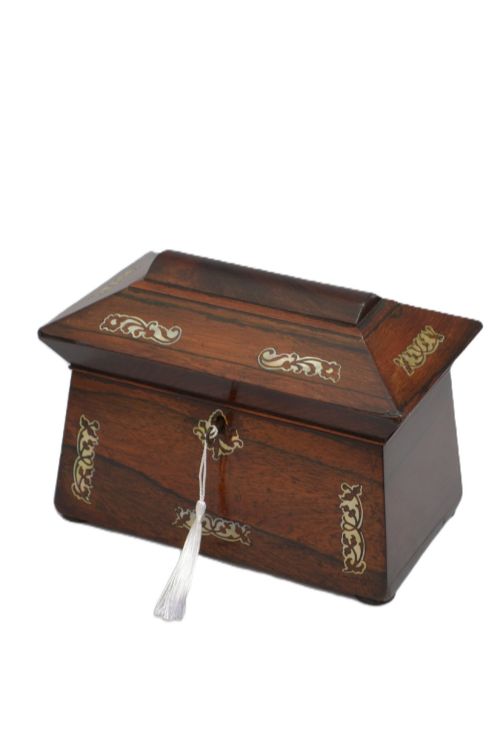
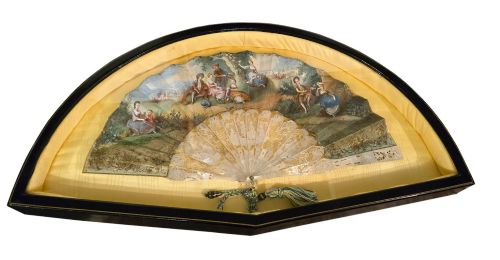
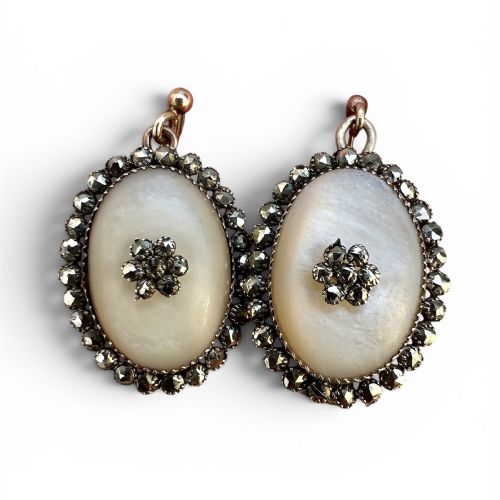
Items associated with georgian mother of pearl span functional tabletop accessories, personal grooming tools, and small storage vessels. The material appears frequently on tea caddies, cutlery handles, pocket knives, counter boxes, and delicate snuff containers.
Many surviving examples combine the iridescent shell with silver mounts, brass accents, or dark woods like rosewood and coromandel. These objects date across the eighteenth and nineteenth centuries, reflecting neoclassical, regency, and early victorian design sensibilities.
Buyers encounter everything from small gaming counters and fruit knives to larger stationery boxes and writing slopes embellished with inlaid shell motifs. The selection highlights both utilitarian items and decorative keepsakes produced across british and continental workshops.
Materials and construction methods
Craftsmen sourced nacre from marine shells, cutting the thin, shimmering layers into precise geometric plaques or figurative shapes for surface inlay. These delicate pieces were then pressed into prepared recesses within wood, papier-mâché, or tortoise-shell bases.
Metalwork components such as blades, ferrules, and hinges typically utilised sterling silver or brass, secured carefully alongside the shell elements. Silversmiths and specialised turners worked in tandem to construct handles, caddy spoons, and folding fruit utensils.
Assessing quality in shell artefacts
The standard of an individual piece depends heavily on the depth of iridescence and the precision of the mosaic or inlay work. Superior examples display tightly fitted shell sections with minimal filler, maintaining smooth, flush surfaces across varied material boundaries.
Hand-engraved detailing upon the nacre itself distinguishes finer decorative boxes and gaming counters from simpler production pieces. The integration of solid silver mounts and robust secondary timbers such as coromandel or rosewood also elevates the standing of a given object.
George Austin·Samuel Pemberton·Cocks & Bettridge·William Pugh
The Georgian Mother of Pearl Glossary
- Nacre
- The iridescent internal layer of certain mollusc shells commonly known as mother of pearl. This natural substance provides the shimmering surface seen on handles, inlay, and small boxes.
- Caddy spoon
- A short-handled spoon specifically designed for measuring loose tea leaves from a caddy. These examples frequently feature shaped mother of pearl bowls or carved handles.
- Writing slope
- A portable slant-topped desk used for correspondence and document storage. Many incorporate hidden compartments alongside exterior shell cartouches and brass fittings.
- Counter box
- A small container built to hold gaming counters or tally markers. The interior often houses thin discs carved from shell or bone.
- Turned
- Shaped on a lathe to create cylindrical or rounded wooden and metal components. This technique formed the stems of corkscrews, rattles, and fruit forks.
Georgian Mother of Pearl: Frequently Asked Questions
What are mother of pearl items made from?
These objects utilise the iridescent inner layer of marine shells, harvested from pearl oysters and other molluscs. The thin plates are shaped and polished before being applied to surfaces.
Makers combined this luminous material with sterling silver, brass, tortoiseshell, and dense exotic woods like rosewood and coromandel.
How were folding fruit knives used?
Wealthy diners carried personal fruit knives to peel and slice acidic fruits during dessert courses. The shell handles prevented the staining that standard steel blades might suffer from fruit acids.
Many of these folding utensils paired carved mother of pearl scales with hallmarked silver blades and mechanisms.
How do I care for antique shell items?
Keep these delicate pieces away from direct sunlight, extreme temperature shifts, and excessive moisture. Gentle dusting with a dry, soft cloth is normally sufficient for routine maintenance.
Avoid using harsh chemical polishes or water immersion, which can damage the organic adhesives and wooden substrates supporting the shell.
How can I tell the period of a box?
Dating relies on examining the construction techniques, secondary woods, and any accompanying hallmarks on silver mounts. Earlier georgian pieces often display hand-cut dovetails and simpler geometric inlay.
Later nineteenth-century examples frequently incorporate more complex machinery work, varied veneers, and distinct victorians styles of foliate engraving.