



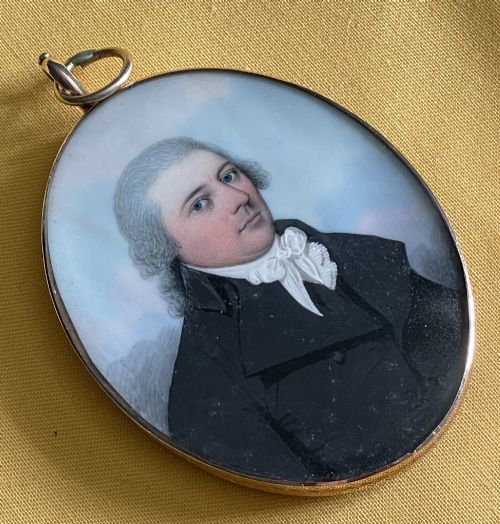
Georgian Miniature Painting Oval
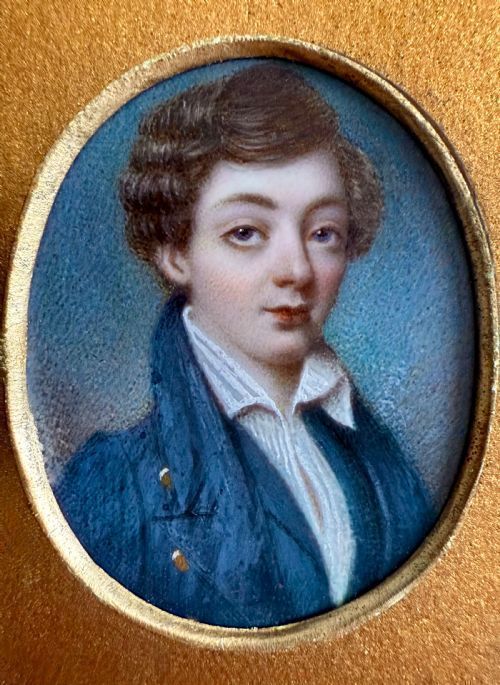
Georgian miniature painting oval works present intimate portraiture executed in watercolour, enamel, and silhouette across the eighteenth and nineteenth centuries.
Georgian Miniature Painting Oval
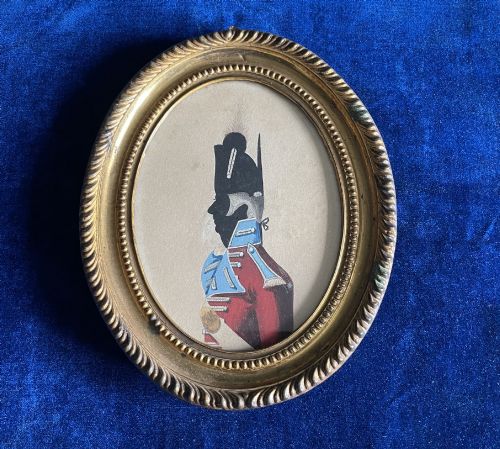
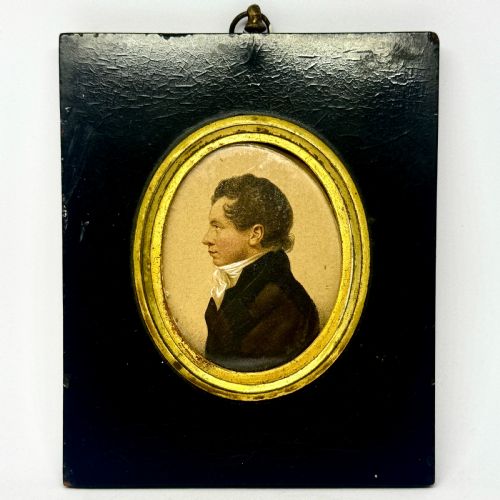
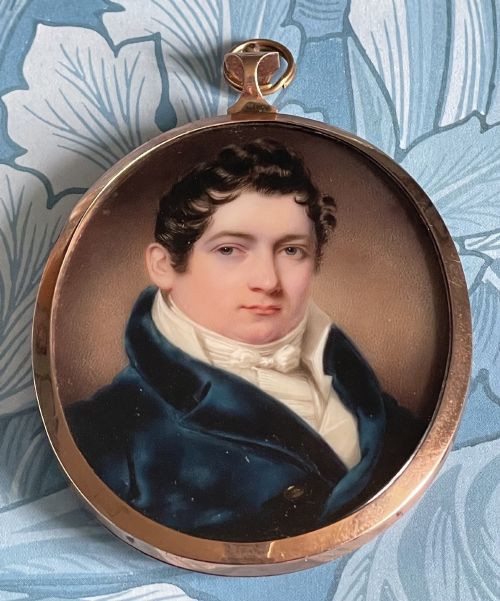
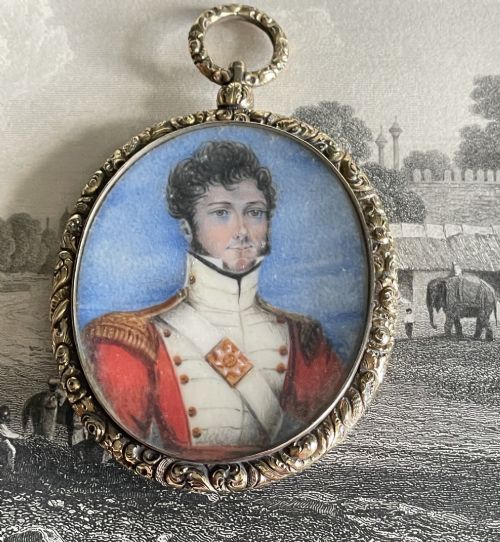
A georgian miniature painting oval brings together hand-painted likenesses framed in compact formats designed for personal devotion or remembrance. These works capture subjects from country girls to titled nobility through the meticulous brushwork of professional artists.
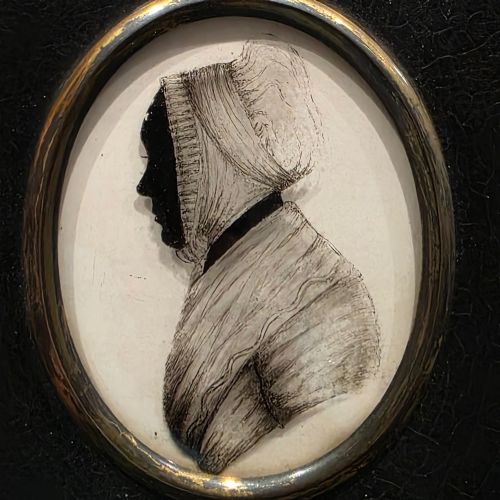
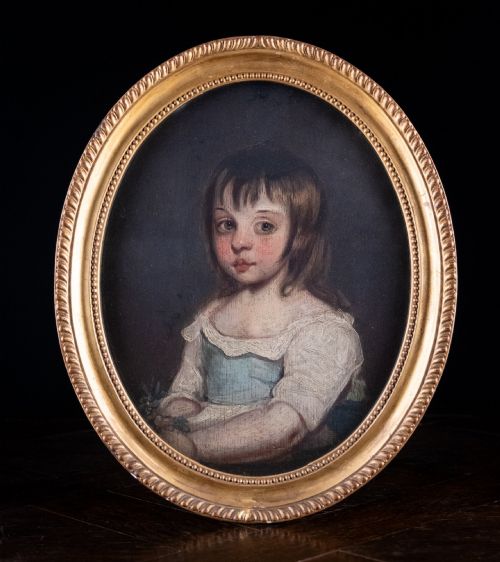
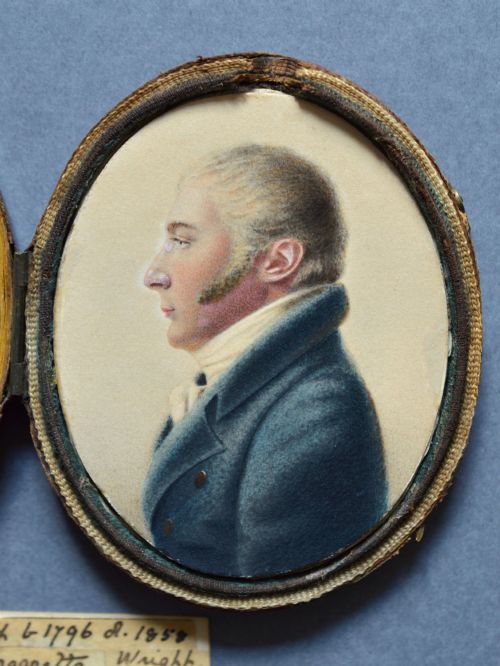
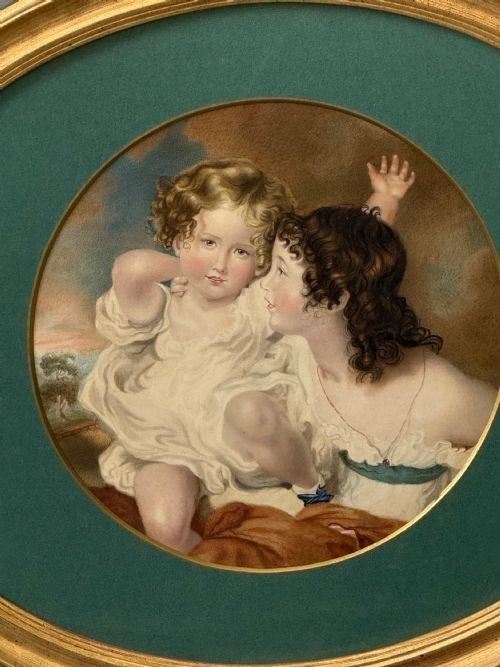
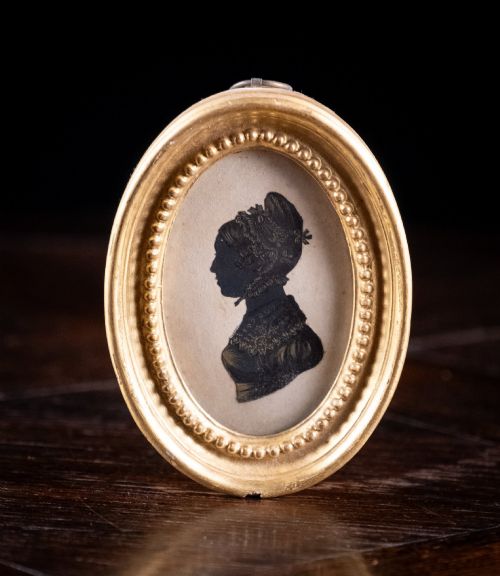
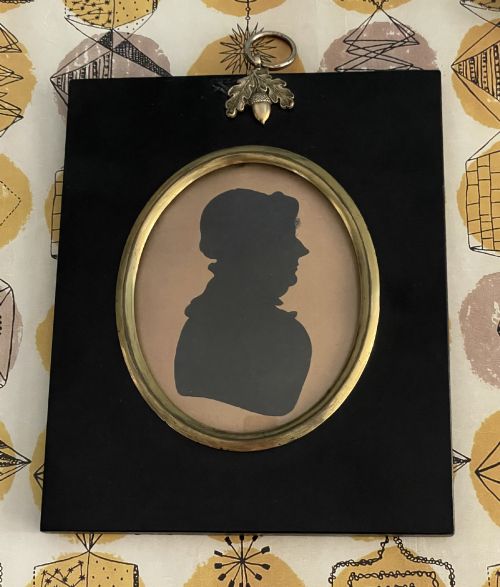
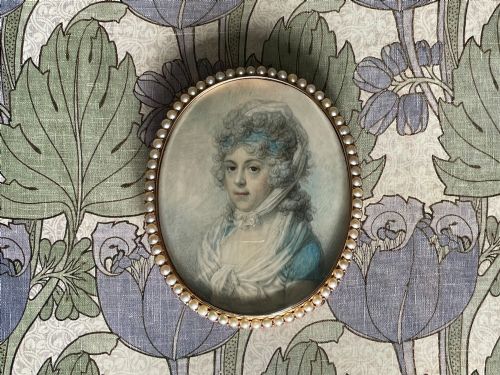
The pieces on this page span the eighteenth and nineteenth centuries, taking the shape of framed wall art, pendant lockets, and silhouettes on glass. Most examples present shoulder-length portraits rendered with delicate precision in watercolour or enamel.
The physical form relies on the oval shape to soften the composition and focus attention on the subject's gaze. Such objects often retain their original housing, whether ebonised wood or gilded metal frames.
How They Were Made
Artists painted these works using fine watercolours on paper or vellum, while others employed enamel techniques on small plaques. Glass protected the fragile pigment surface, frequently backed by silhouettes or woven hair within gold and brass pendants.
One portrait captures a spirited young girl holding an apple as if negotiating her bedtime.
What Varies in Quality
The fineness of the brushwork and the psychological depth of the sitter set the better examples apart from standard workshop output. Master practitioners rendered light in the eyes and texture in the clothing with extraordinary precision.
Original mountings in gold or structured ebonised frames with intact protective glass contribute significantly to the integrity of the piece. Provenance and identifiable attribution to known miniaturists elevate the standing of an individual work.
James Sharples·Henry Bone·Richard Cosway·John C D Engleheart·Frederick Buck·William Wood·Charles Hayter·William Naish·Nicolas Freese·John Miers·George Engleheart·James Ferguson·George Hargreaves·Archibald Skirving
The Georgian Miniature Painting Oval Glossary
- Miniature painting
- A small-scale portrait executed with meticulous detail on materials such as vellum, paper, or ivory. These works served as personal tokens of affection or remembrance during the Georgian period.
- Silhouette
- A profile likeness cut from black paper or painted onto glass or card. The form gained popularity in the late eighteenth and nineteenth centuries for its rapid execution and striking contrast.
- Enamel
- A material created by fusing powdered glass to a metal substrate through firing at high temperatures. Enamel miniatures resist fading and maintain their vibrant colour over centuries.
- Vellum
- A fine parchment prepared from calfskin, providing a smooth surface for watercolour application. Artists favoured vellum for its durability and ability to hold crisp, minute lines.
Georgian Miniature Painting Oval: Frequently Asked Questions
How were these miniature paintings worn?
Many of these pieces were mounted as gold pendants or lockets to be worn close to the heart on a chain or ribbon. Others functioned as desk pieces or were hung in small groupings on domestic walls.
The inclusion of loops or rings on the frames indicates personal carriage, allowing the owner to keep the likeness of a relative or spouse nearby during travels.
What is a reverse painted silhouette?
This technique involves painting the profile directly onto the reverse side of a glass sheet, often adding fine gold highlights for clothing or jewellery. The glass then acts as the protective front surface when framed.
Craftsmen achieved depth by layering dark pigments and placing light-coloured backgrounds behind the glass panel to make the silhouette stand out clearly.
How do I date a Georgian miniature?
Dating relies heavily on the style of clothing, hair, and framing materials characteristic of the eighteenth or nineteenth century. Written provenance on the reverse or accompanying documentation also helps establish the creation period.
Changes in framing styles, from simple ebonised wood to ornate seed pearl gilt surrounds, provide further clues to the decade of production.