



Georgian Military Officer Portrait
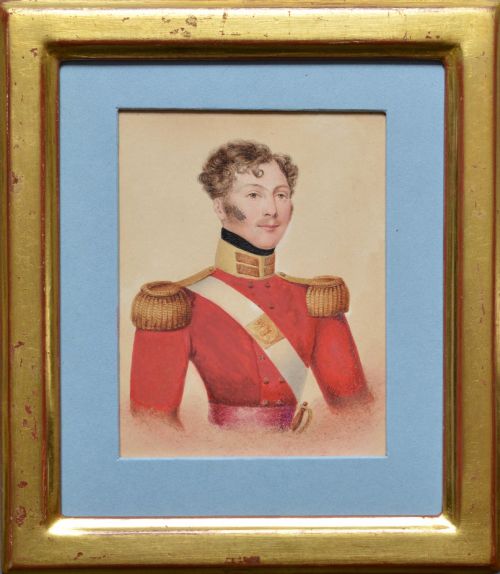
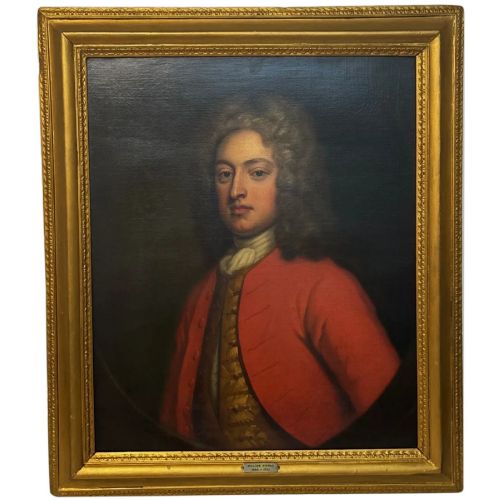
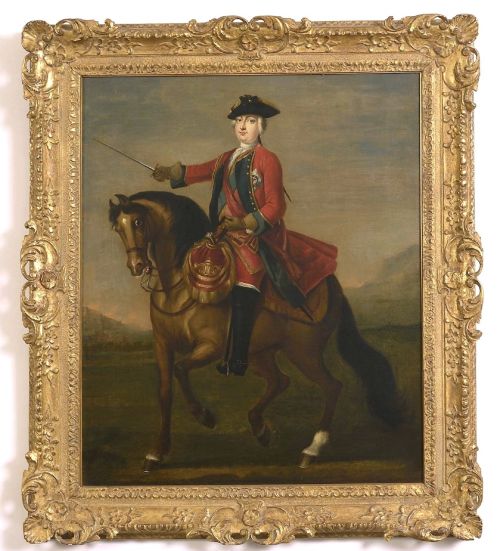
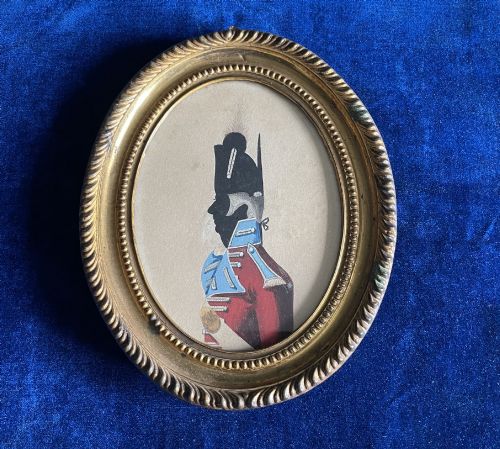
When you search for a georgian military officer portrait, you encounter painted records of British and European commanders, captains, and generals from eras of intense conflict.
Georgian Military Officer Portrait
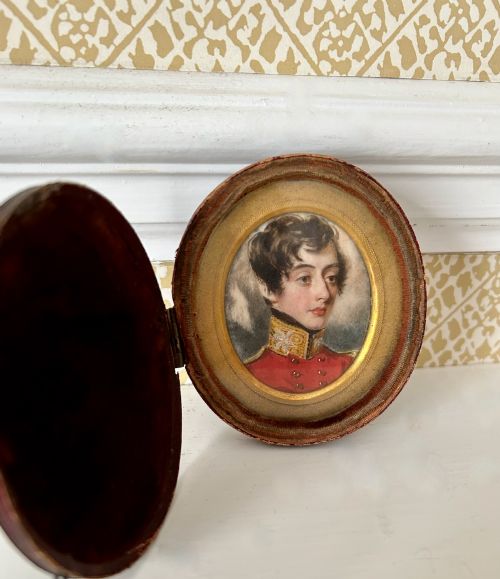
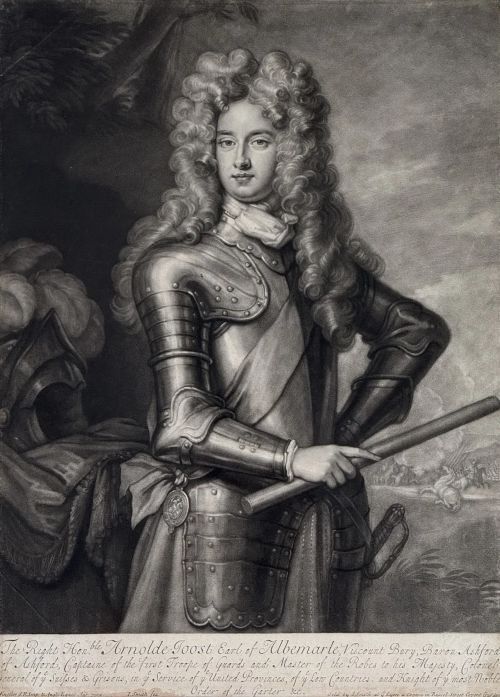
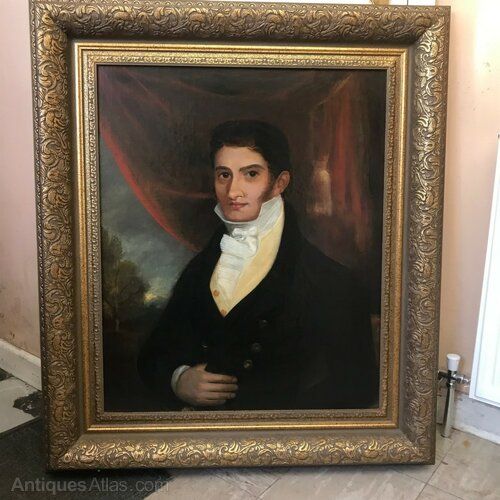
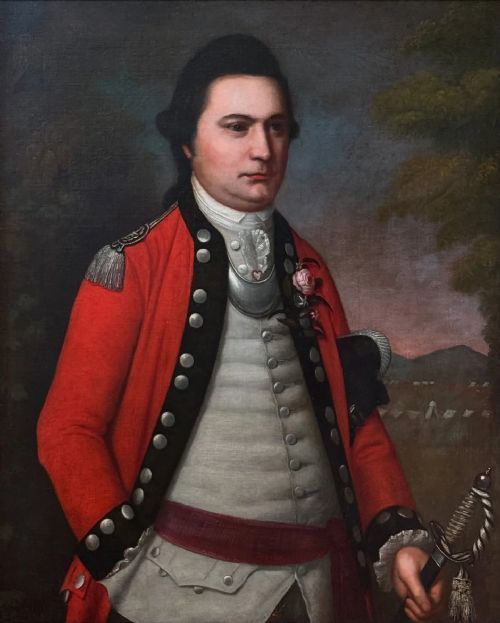
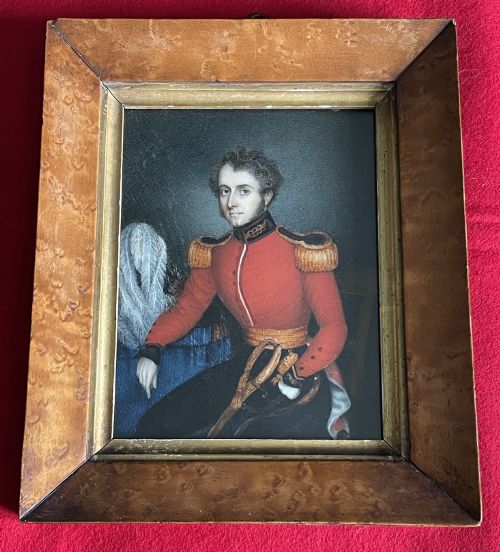
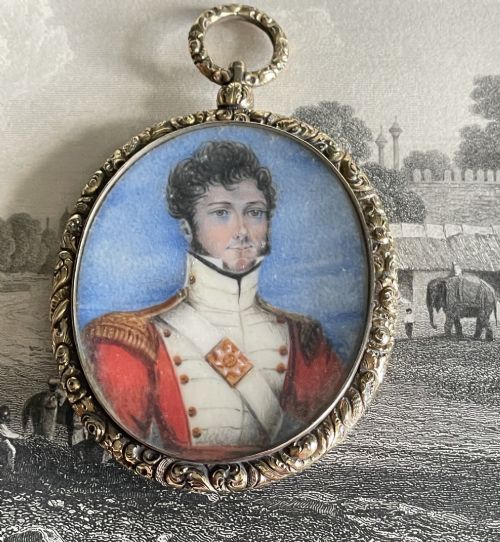
A georgian military officer portrait captures individuals of rank, from naval captains and infantry officers to generals and admirals, rendered during periods spanning the eighteenth and nineteenth centuries. These works record specific historical figures, such as regimental commanders, naval heroes, and militia members, identified by uniform details and decorations.
The objects take several distinct forms, predominantly oil paintings on canvas, delicate portrait miniatures on panel or paper, watercolours, and occasional prints and engravings. Buyers most commonly meet canvas oils and intimate miniatures framed in gold or giltwood on this page.
Origins stretch beyond Britain to include French, German, Austrian, Anglo-Indian, and Russian subjects, reflecting widespread European military engagements. The formats range from large formal oils intended for institutional display to small portable keepsakes designed for personal carriage.
Materials and methods
Painters utilised oil on canvas for larger compositions, applying pigment to capture the rich colours of military uniforms, gold braid, and facial likenesses. Watercolours on paper and gouache served for smaller, portable works that required precise detailing on a reduced scale.
Miniatures frequently employed specialised supports such as agate panels or prepared card, housed within protective glass and precious metal frames like eighteen-carat gold. Engravings and prints offered a mechanical method of reproduction, translating original painted compositions into multiple inked impressions on paper.
Listings feature works spanning the eighteenth century, the Regency era, and the nineteenth century, executed in oil, watercolour, and engraving.
Markers of distinction
The quality of the materials employed, from finely woven canvas and stable ground layers to heavy giltwood frames and gold miniature cases, signals the original commission's importance. Signed works or those attributed to recognised painters carry greater documentary weight than anonymous school pieces.
Stickland Lowry·John Simmons·Sir Thomas Lawrence·Edward Pugh·Henry Hoppner Meyer·Sir William John Newton·Samuel Lane·George Duncan Beechey·Sir Richard Westmacott·Gerrit Schipper·Henry Wyatt·Robert Ker Porter·Harry Ashby·Ambrosini Jerome
The Georgian Military Officer Portrait Glossary
- Portrait miniature
- A small, highly detailed painting executed on ivory, vellum, card, or panel, designed for private viewing or wear as jewellery.
- Regiment
- A permanent unit of an army commanded by a colonel, whose specific uniform colours and facings help identify the sitter's branch of service.
- Giltwood
- Wood that has been carved and coated with a thin layer of gold leaf or gold paint, commonly used for nineteenth-century picture frames.
- Order
- A society of knights or an official decoration worn on a ribbon or pinned to a uniform to denote military or civil merit.
- Provenance
- The documented history of ownership of an artwork, tracing its descent from the original commission to the present day.
Georgian Military Officer Portrait: Frequently Asked Questions
What is a georgian military officer portrait?
These works are painted or engraved likenesses of armed forces personnel created during the eighteenth and early nineteenth centuries. They record the likenesses of men who served in land and naval campaigns.
The subjects wear period uniforms, often displaying medals, sashes, and insignia that indicate their rank and regiment. Such pieces served as official records of service or private mementoes for families.
How were miniatures used?
Portrait miniatures served as portable tokens of affection or allegiance, easily carried in a pocket or worn close to the heart. Families commissioned them to remember officers deployed on distant campaigns.
These small items often featured braided hair or decorative monograms set behind glass on the reverse of the case. They allowed loved ones to maintain a visual connection during prolonged separations.
How do I identify the sitter?
Identification relies on accompanying inscriptions, labels on the reverse, uniform colours, and specific campaign medals or orders depicted by the artist. Researching regimental records helps match uniform facings to historical units.
Catalogues and biographical dictionaries of military personnel often provide comparative likenesses. Portraits of high-ranking generals and admirals are frequently documented in historical archives.
How should I display these pieces?
Oil paintings require stable indoor environments away from direct sunlight and excessive humidity to protect the canvas and pigment. Miniatures, being sensitive to light, benefit from placement out of strong rays to prevent fading.
Securing heavy giltwood frames with appropriate wall fixings ensures the safety of larger works. Proper framing protects both the paper supports of watercolours and the delicate surfaces of panel paintings.