
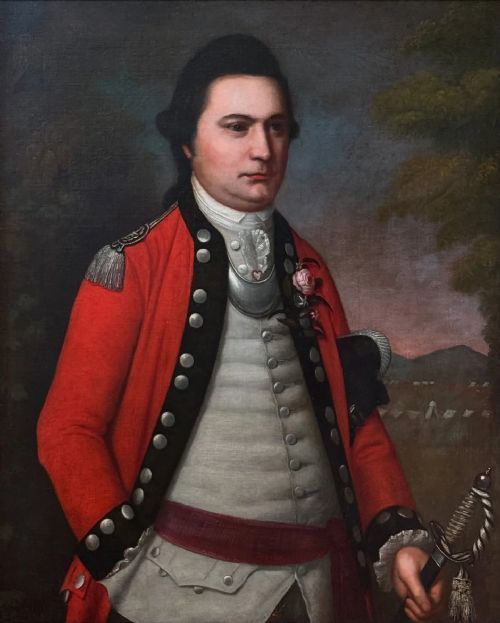
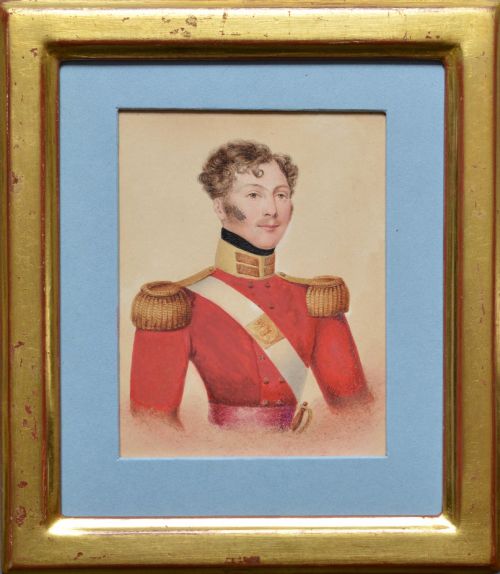
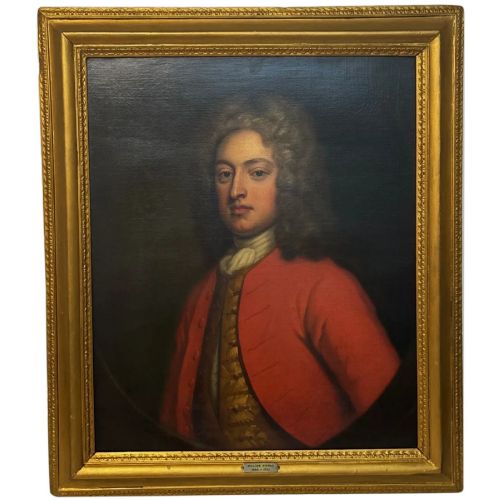
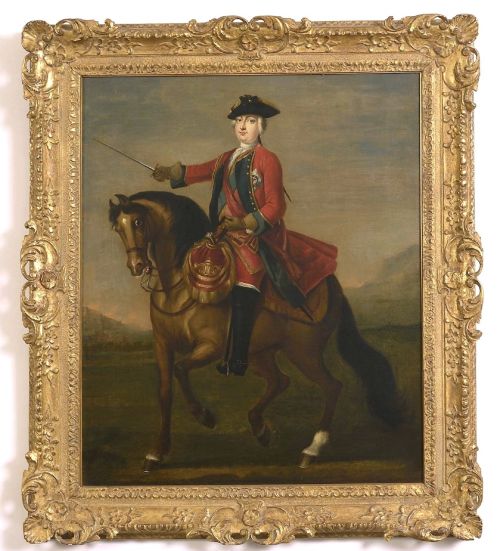


Georgian Military Coat Portrait
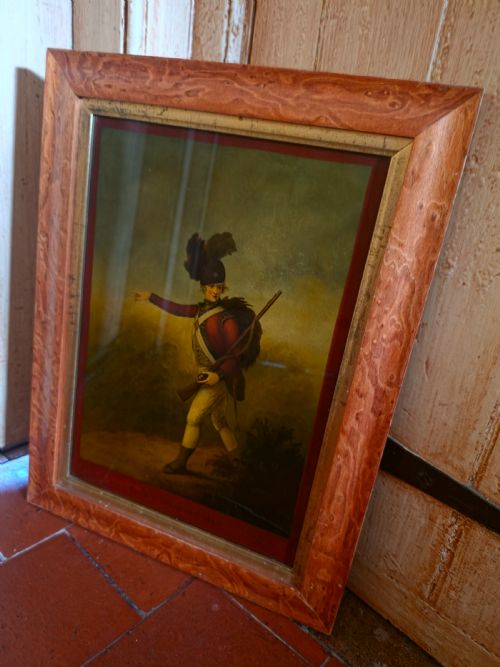
A georgian military coat portrait captures officers and soldiers in uniform, offering collectors a direct window into regimental history through period painting.
Georgian Military Coat Portrait
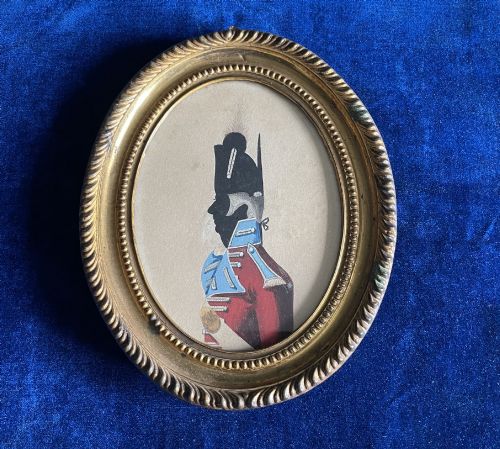
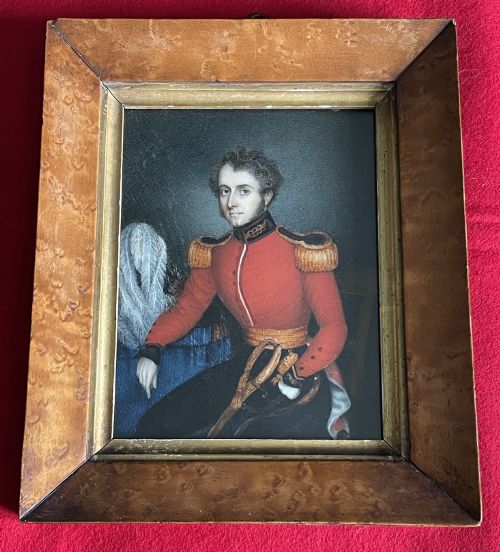
When you search for a georgian military coat portrait, you encounter depictions of infantry officers, generals, and naval commanders rendered in oils or watercolours. The examples available span the eighteenth and nineteenth centuries, capturing the distinct uniforms, lace, and insignia of British regiments.
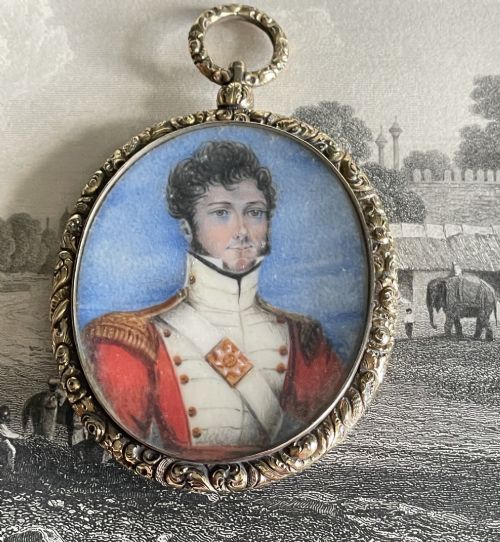
You meet both large oil on canvas works and intimate portrait miniatures executed on paper, glass, or agate panels. These pieces portray named historical figures and anonymous militia members alike, reflecting the military hierarchy of the period.
The visual focus rests heavily on the cut and colour of the military coat, which denotes specific ranks and regiments. These artworks range from formal academic paintings to folk art interpretations and reverse glass pictures.
Materials and technique
Artists relied primarily on oil on canvas and delicate watercolours on paper to render these uniforms, occasionally utilising glass for reverse paintings and agate panels for miniature portraits. Paint layers build the rich reds, blues, and buffs of the coats, while giltwood frames complete the presentation.
Miniature works demand exceptional precision with fine brushes to detail lace, buttons, and epaulettes on small surfaces. Larger oil paintings employ layered glazes to capture the texture of wool, velvet, and gold braid on the military garments.
Markers of quality
Quality rests upon the precision of the uniform details and the anatomical accuracy of the sitter, distinguishing master portraitists from provincial copyists. The rendering of facial expression and the play of light across the fabric elevate certain works above standard record paintings.
The preservation of the original medium, whether oil, watercolour, or reverse glass, dictates the visual impact of the piece. Superior examples retain their original giltwood framing and maintain clear provenance connecting the sitter to specific military campaigns.
Stickland Lowry·John Wootton·Thomas Hudson·Sir Thomas Lawrence·Henry Walton·Sir William John Newton·George Duncan Beechey·Sir Richard Westmacott·Gerrit Schipper
The Georgian Military Coat Portrait Glossary
- Portrait Miniature
- A small-scale painting executed on materials such as paper, ivory, or agate. These intimate works often served as personal tokens or mementoes.
- Reverse Glass Picture
- An image painted on the back side of a glass panel and viewed from the front. This technique produces a glossy surface finish.
- Giltwood
- Wood carved and covered with a thin layer of gold leaf. It forms the traditional ornate framing for period oil paintings.
- Watercolour
- A paint consisting of colour suspended in a water-soluble binder. Artists utilised this medium on paper for portable and detailed military studies.
- Regiment
- A permanent unit of an army commanded by a colonel. The specific uniforms of these units form the subject matter of these portraits.
Georgian Military Coat Portrait: Frequently Asked Questions
What periods do these portraits cover?
The works originate primarily from the eighteenth and nineteenth centuries, aligning with the Georgian and Regency eras. A few later interpretations also appear among the selections.
These dates correspond to the active service years and recruitment periods of the officers and regiments depicted.
How were these military portraits used?
Families commissioned them to record a son or husband's commission, rank advancement, or participation in notable battles. Miniature versions were frequently carried by loved ones during long military campaigns.
Larger canvases hung in country houses to display military lineage and civic duty across generations.
How do I identify the rank from the coat?
Painters meticulously recorded the specific lace, epaulettes, facings, and collar insignia dictated by official army and navy dress regulations. Generals and field marshals wear distinctive gold embroidery and sashes that separate them from junior infantry officers.
Comparing the uniform details against regimental histories often reveals the exact battalion and campaign era.
How should I care for a watercolour portrait?
Keep watercolours away from direct sunlight to prevent the pigments and paper from fading over time. Maintain stable humidity levels to protect both the paper support and the surrounding frame.
Display them on interior walls where environmental fluctuations remain minimal.