




Regency Fine Art Painting
Regency fine art painting brings together expressive oil portraits, delicate miniatures, and watercolours from the Georgian and Regency eras.
Regency Fine Art Painting
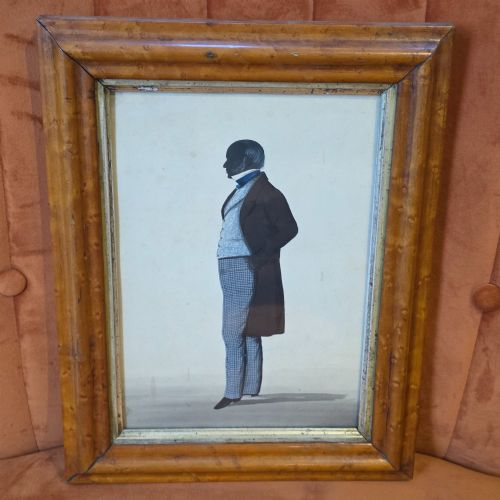
When you search for regency fine art painting, you encounter works produced across the late eighteenth and nineteenth centuries, spanning Georgian and Regency aesthetics. These pieces capture sitters in oils, watercolours, pastels, and gouache, recording individual identities with remarkable presence.
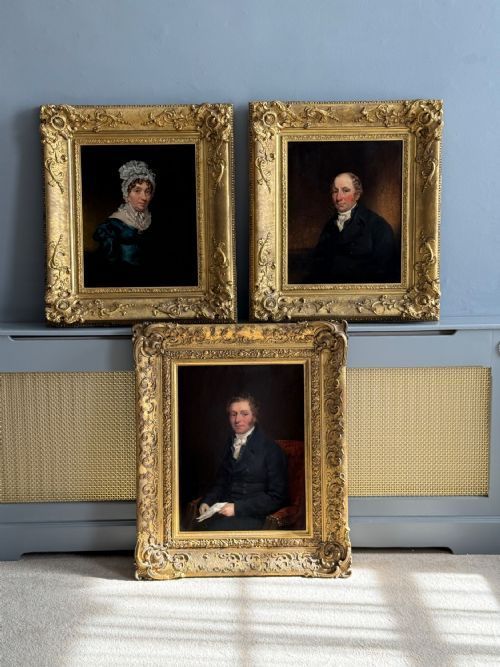
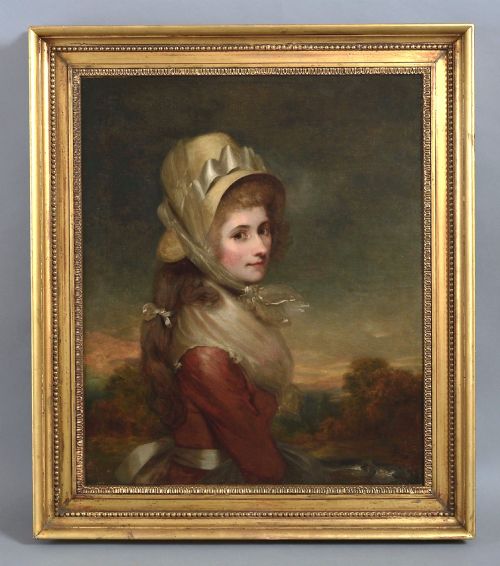
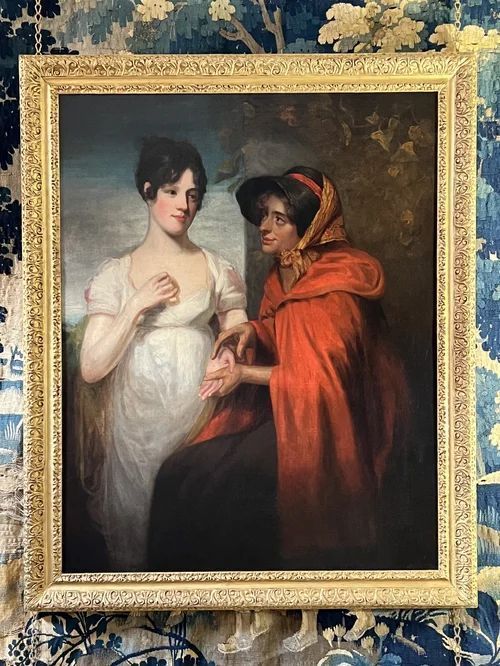
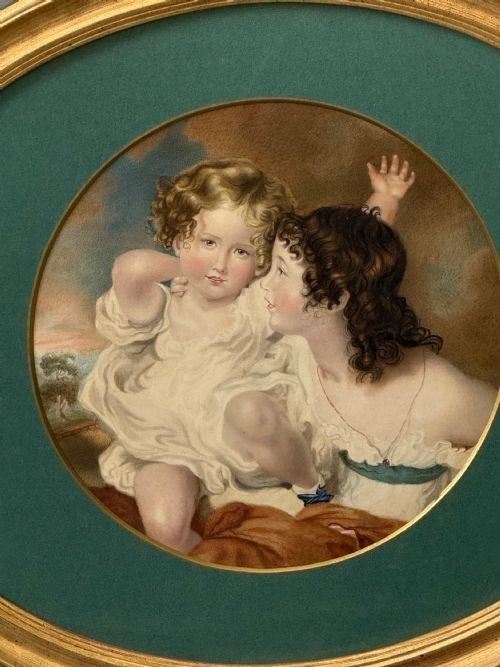
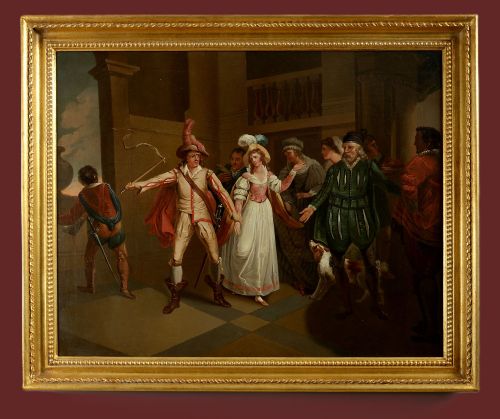
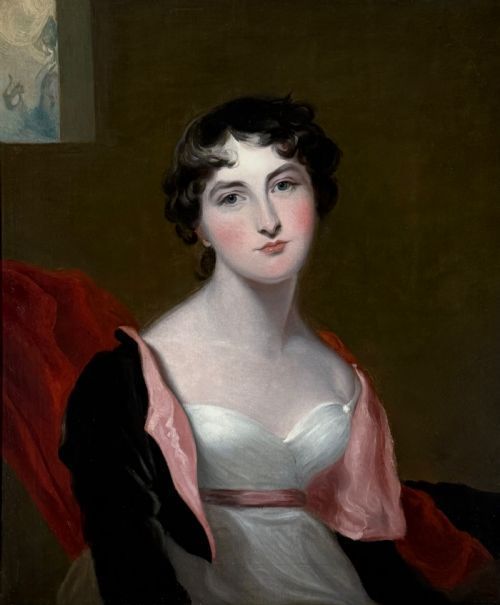
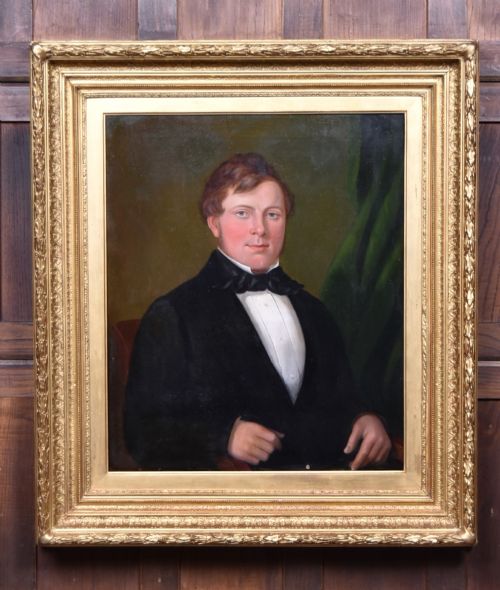
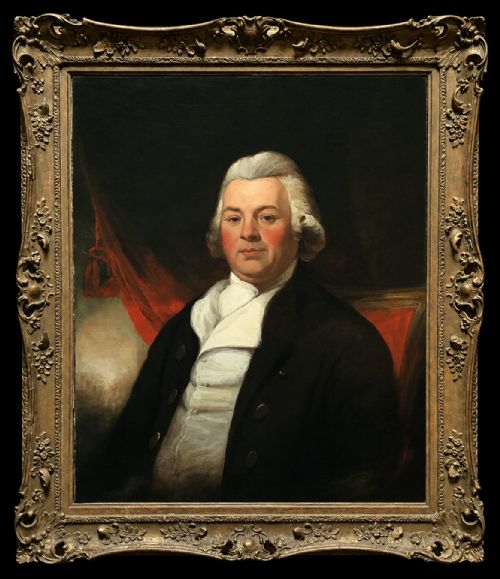
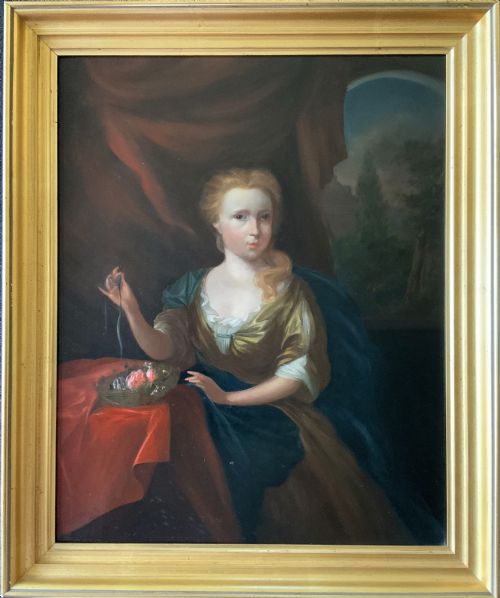
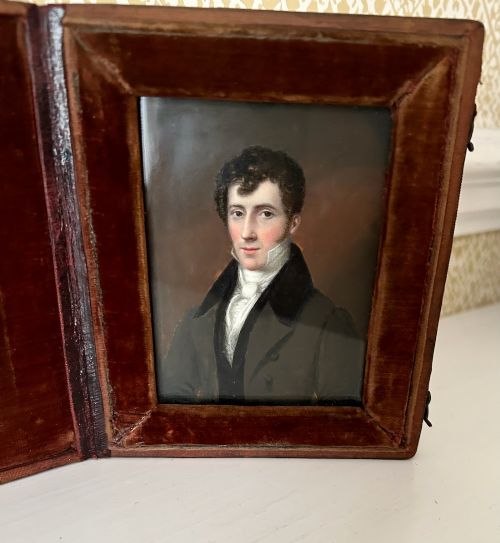
Portraits dominate the selection, ranging from large oils on canvas to intimate portrait miniatures framed for personal devotion. Sitters include distinguished gentlemen, elegant ladies, and children, sometimes accompanied by their pets or depicted within narrative genre scenes.
Works originate from named British and European artists, studio circles, and regional schools working around eighteen hundred and the subsequent decades. The most common form on this page is the oil portrait, presented in period frames of wood and giltwood.
Materials and methods
Artists of this period applied oil paint to stretched canvas or wooden panels, building rich skin tones and textile textures through layered glazes. Watercolours and pastels were worked onto paper or card, capturing lighter, immediate effects favoured for miniature portraiture.
Substantial works rely on sturdy wooden stretchers and heavy oil paint, whilst delicate miniatures are protected beneath glass, often housed within fitted cases or delicate metal surrounds.
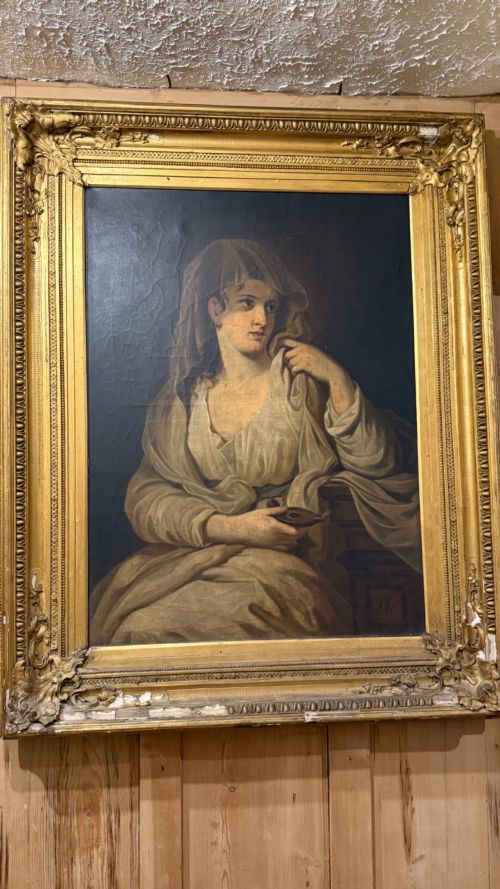
Frames play a structural and aesthetic role, constructed from wood and finished with carved gesso and giltwood to complement the tonal depth of the paintings.
Several portraits preserve the likenesses of beloved household pets, including a remarkably attentive dog named Mr Quiz.
Factors determining quality
Attribution and provenance elevate certain pieces, particularly those tied directly to documented practitioners or recognised academy exhibitors rather than anonymous regional schools. The preservation of the original support, undisturbed paint layers, and period frames further distinguishes superior examples.
Sir William Beechey·Joseph Clover·Sir Martin Archer Shee·James Sharples·John Opie·Sir Thomas Lawrence·George Watson·Nicolas Freese·Frederick Buck·Albin R Burt·William Egley·John Raphael Smith
The Regency Fine Art Painting Glossary
- Oil on Canvas
- A traditional painting method where pigment suspended in oil medium is applied to a woven fabric support. This combination allows for rich blending and deep tonal graduation.
- Portrait Miniature
- A small, highly detailed painting designed for personal carriage or intimate display. These are typically executed on ivory, vellum, or card and protected by glass.
- Giltwood
- Wood carved and coated with a thin layer of gold leaf or gilt finish. Frames of this material frequently accompany formal period portraits.
- Genre Painting
- Artwork depicting scenes from everyday life involving ordinary people. These compositions often tell a subtle narrative beyond simple portraiture.
- Attributed To
- A term used when a work demonstrates the distinct style of a known artist without formal documentation proving direct authorship.
Regency Fine Art Painting: Frequently Asked Questions
What is a regency fine art painting?
These works are original portraits and narrative scenes created during the Georgian and Regency periods, predominantly utilising oil on canvas, watercolour, or pastel. They document the likenesses and social standing of individuals from the era.
Created by academic painters, regional artists, and studio circles, these artworks reflect the prevailing aesthetic values and portraiture conventions of the early nineteenth century.
How were these paintings displayed originally?
Large oil portraits were hung in the principal rooms of country houses and town residences to project family lineage and status. Miniature portraits were kept in private chambers, worn as lockets, or carried during travel.
Display practices aimed to complement interior wood panelling and decorative plasterwork, utilising substantial giltwood frames to establish visual weight.
How do I care for a historic painting?
Historic canvases and paper works require stable environmental conditions away from direct sunlight and fluctuating humidity. Protecting them from extreme temperature changes prevents the cracking of oil paint and the fading of watercolours.
Cleaning and restoration should be left to professional conservators to avoid damaging fragile paint layers or altering original varnishes.
How can I tell a period piece from a later copy?
Period works utilise materials, pigments, and stretchers consistent with manufacturing techniques of the eighteenth and nineteenth centuries. Examination of the canvas weave, backing boards, and framing construction reveals the age of the object.
Signatures, exhibition labels, and historical documentation further help authenticate the period of execution.