


Georgian Military Box
A georgian military box is a robust travel chest designed for officers on the move, combining fine timbers with tough brass mounts.
Georgian Military Box
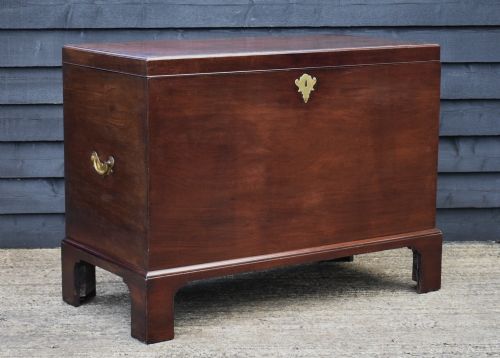
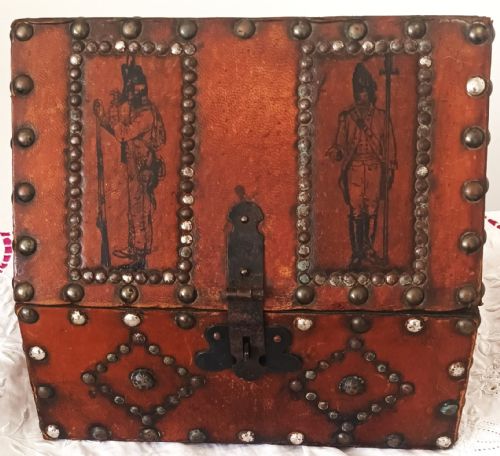
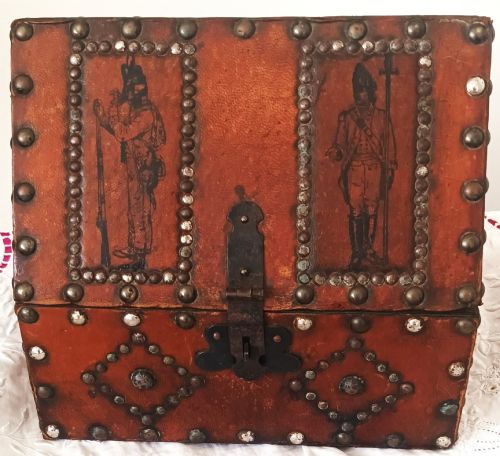
When you search for a georgian military box, you encounter pieces built for travel and service during the Georgian and Regency periods. These range from heavy mahogany writing slopes fitted with secret drawers to large brass bound trunks and apothecary boxes.
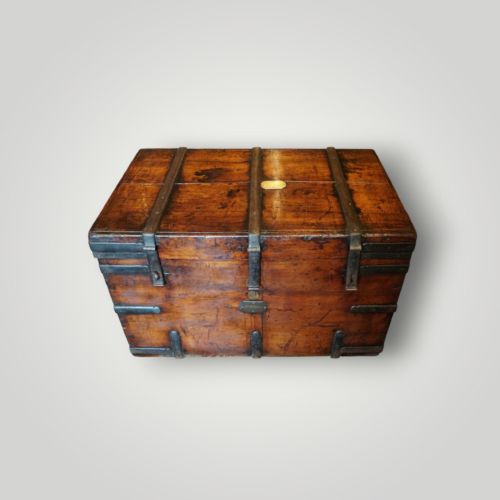
The versions most commonly met on this page are mahogany or camphorwood boxes reinforced with iron or brass corners and straps to withstand rough transport. They served officers on campaigns, functioning as portable desks, medicine chests or secure storage for personal valuables.
The forms reflect utilitarian needs executed with domestic refinement. Whether you examine a small writing box or a full campaign chest, the construction prioritises structural integrity alongside polished wood surfaces.
Materials and construction
Cabinetmakers utilised dense hardwoods such as mahogany, walnut and camphorwood to resist warping in fluctuating climates. These timbers were selected for both durability and a handsome grain that took a deep polish.
To protect corners and edges from heavy impacts during transit, makers applied heavy brass bindings and inset carrying handles flush with the wood. Internal compartments often included clever locking mechanisms and secret drawers for confidential papers.
Sir Randolph Isham Routh left behind a heavy iron-bound trunk that once carried the burdens of a Waterloo Commissary General.
Judging quality in campaign pieces
Quality rests in the precision of the joinery and the gauge of the brass hardware. Superior examples display tightly fitted dovetail joints and well-cast brass mounts that sit completely flush with the timber surface.
The interior fit-out also separates standard items from finer works. Original leather writing surfaces, intact secret compartments and working locks with matching keys elevate the standing of a piece.
The Georgian Military Box Glossary
- Writing slope
- A portable box with a slanted lid that opens to reveal a writing surface and compartments for ink and pens. Many include hidden drawers beneath the stationery fittings.
- Apothecary box
- A specialised fitted chest containing small glass bottles, scales and pestles for medical remedies. These were essential for officers stationed away from supply towns.
- Brass mount
- Protective metalwork screwed or inset into the edges and corners of travel chests. It absorbs impacts and reinforces the wooden structure.
- Secret drawer
- A concealed compartment accessed by pressing hidden springs or removing dummy partitions. Officers used them to secure currency and sensitive documents.
Georgian Military Box: Frequently Asked Questions
What is a georgian military box?
A georgian military box is a portable chest or desk used by officers during the eighteenth and nineteenth centuries. These pieces were constructed to withstand the rigours of travel while maintaining refined interior fittings.
They encompass various forms, from writing slopes to large storage chests, all characterised by sturdy timbers and protective metal hardware.
How were these boxes used?
Officers utilised these boxes as mobile desks, medical cabinets and secure storage for uniforms and valuables. The interiors were meticulously partitioned to keep ink, paper and instruments safe during rough transit.
Many featured folding writing surfaces and hidden compartments to protect sensitive documents and personal currency from theft or loss.
What woods are commonly found?
Mahogany is the primary timber encountered in these listings, alongside camphorwood, walnut and teak. These dense woods were chosen for their strength and resistance to splitting.
Cabinetmakers paired these sturdy timbers with brass bindings and iron reinforcements to ensure the chests survived long journeys across land and sea.
How do I spot a writing slope?
A writing slope is identified by a hinged lid that opens flat or at an angle to form a desk surface. Inside, you will find dedicated slots for inkwells, nibs and stationery.
These compact boxes often feature split lids that reveal additional storage compartments and sometimes a lined leather writing pad.
Are these pieces suitable for modern homes?
These boxes function exceptionally well as desktop organisers, coffee table storage or decorative accent pieces in contemporary interiors. Their compact proportions and flat tops make them practical for everyday use.
Placing them in a study or living room adds historical character while providing concealed storage for modern items like stationery or small accessories.