

Georgian Mezzotint Artwork
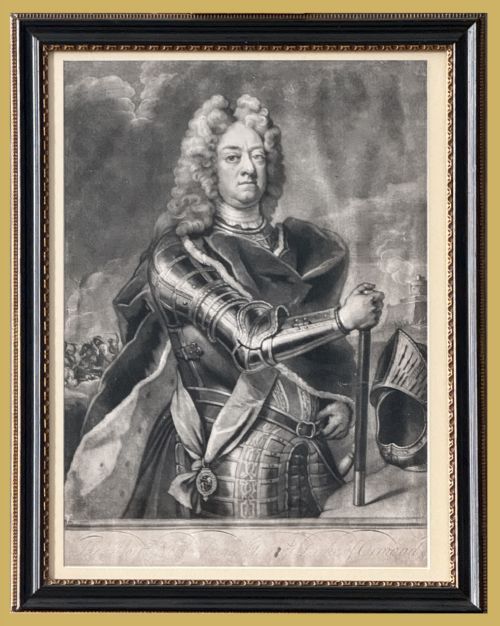
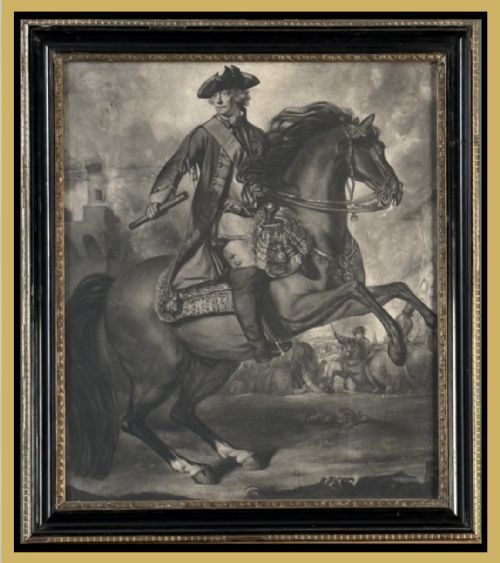
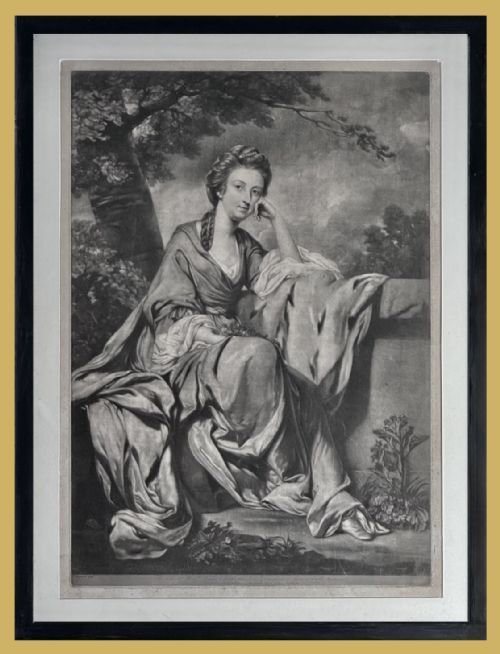
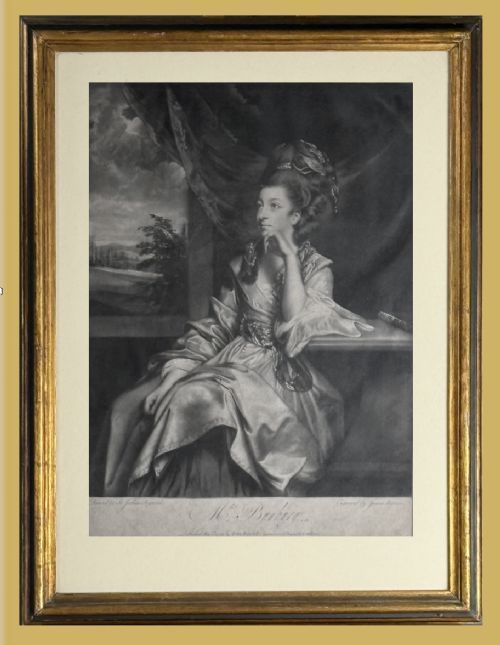
Georgian mezzotint artwork captures aristocratic sitters and classical subjects through deep tonal gradations, offering a glimpse into eighteenth-century portraiture.
Georgian Mezzotint Artwork
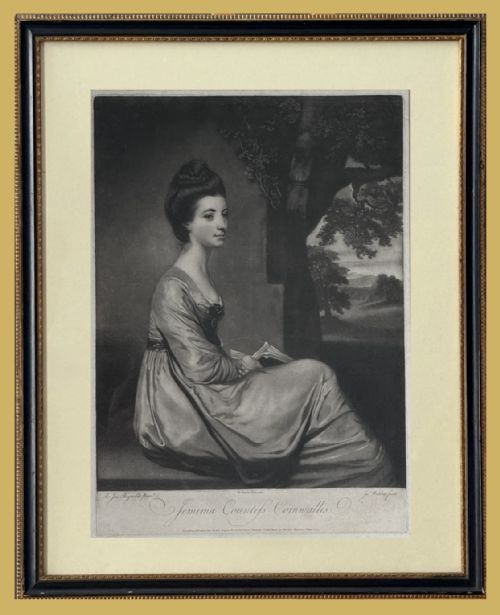
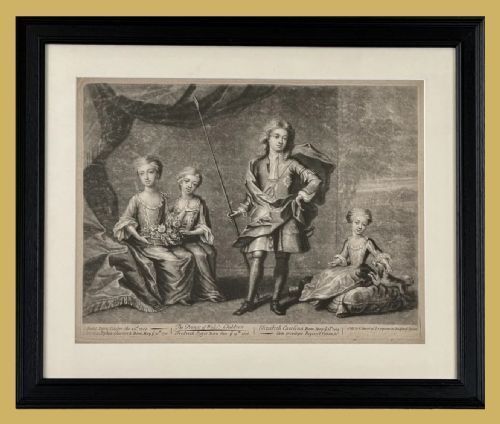
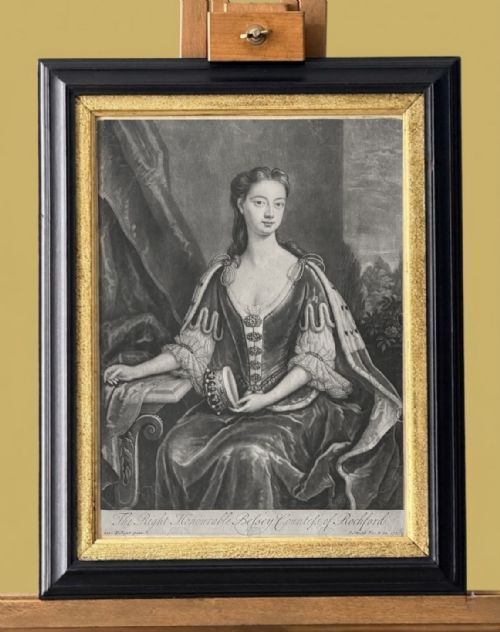
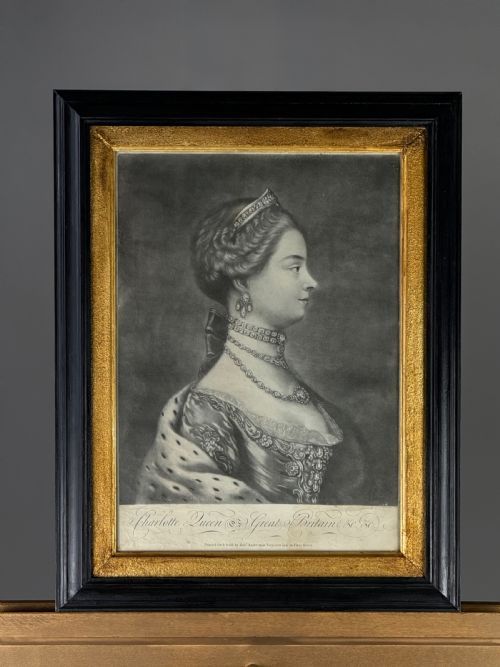
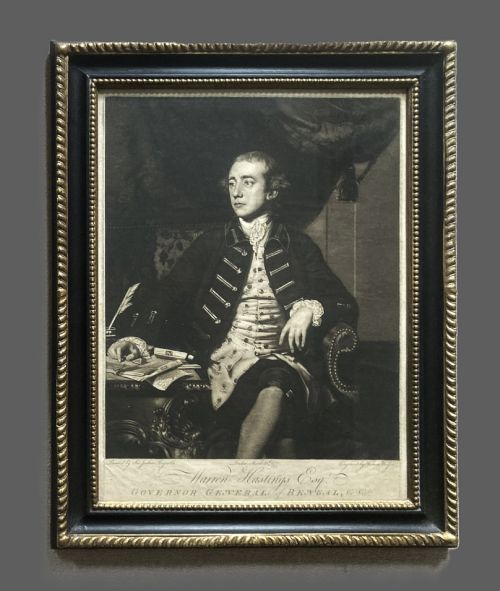
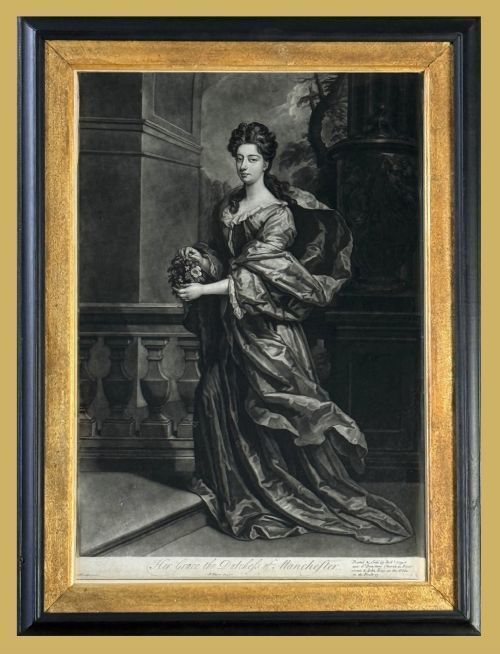
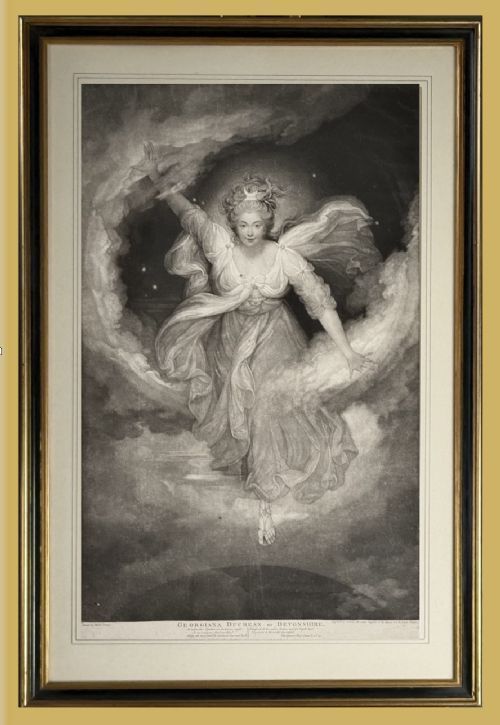
When browsing georgian mezzotint artwork, a buyer encounters formal portraiture and seasonal allegories rooted in the eighteenth and nineteenth centuries. The majority of surviving pieces depict nobility, royalty, or literary scenes rendered through printmaking.
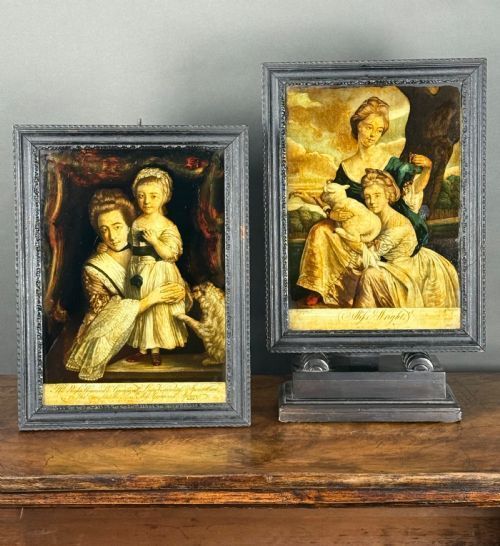
Framed works commonly take the form of wall art, prints and engravings, or reverse glass paintings. These pieces bridge the gap between traditional copperplate printing and decorative interior furnishings.
Materials and Technique
Makers produced these works using inked copper plates prepared with a rocker to create rich dark surfaces, often supplemented by hand-colouring. Paper and glass serve as the primary substrates for the impressions.
Enclosing frames frequently incorporate wood, gold leaf, and gilt finishes to protect the delicate ink and paint layers.
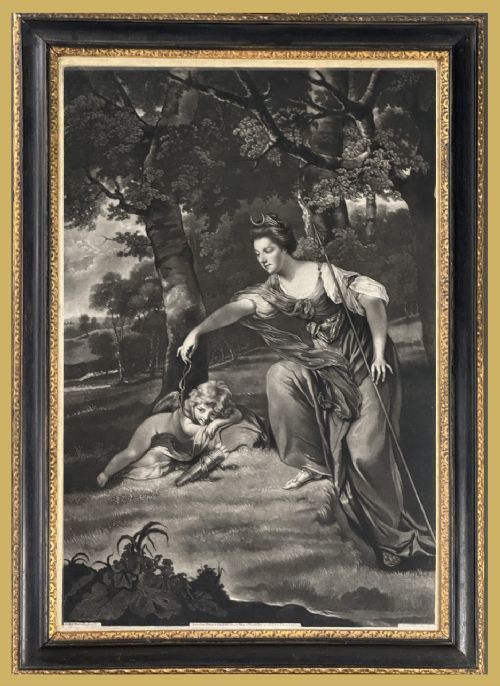
Several ladies of the court appear permanently poised alongside mischievous cupids and farmyard pigs.
Judging Quality
The clarity of the tonal transition determines the visual strength of the image, separating deep velvety blacks from muddy impressions. Strong impressions retain the fine burr left by the rocker on the metal plate.
The preservation of the underlying paper or the integrity of the reverse glass painting dictates the longevity of the object. Associated framing, such as period wood and gilt mouldings, contributes to the integrity of the piece.
John Simon·Edward Fisher·John Smith·James Watson·John Faber Jr·Valentine Green
The Georgian Mezzotint Artwork Glossary
- Mezzotint
- A printmaking process where the copper plate is roughened to produce rich dark tones and subtle gradients. This method allows for smooth transitions between light and shadow without relying on traditional line etching.
- Reverse glass
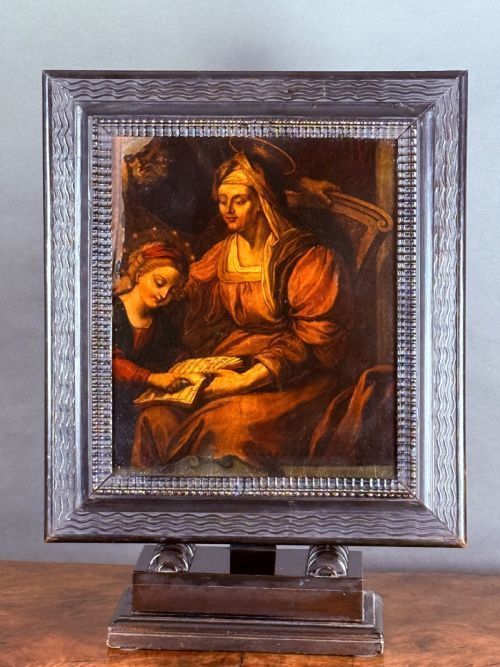
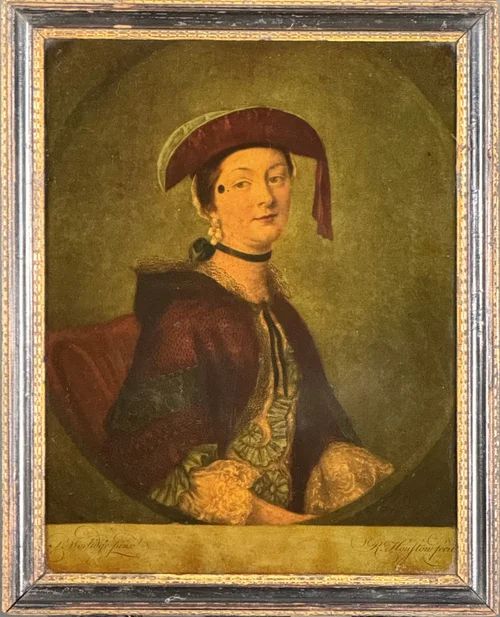
- A technique where the image is painted directly onto the back of a glass panel to be viewed from the front. This method creates a glossy surface finish popular in eighteenth-century domestic decoration.
- Engraving
- A method of cutting design lines directly into a metal plate using a sharp tool. These lines hold ink to transfer the image onto paper under pressure.
- Artist proof
- An early trial impression pulled to allow the printmaker to check the progress of the plate. These impressions often precede the standard published edition.
Georgian Mezzotint Artwork: Frequently Asked Questions
What is a mezzotint?
A mezzotint is an intaglio printmaking technique where the copper plate is pitted uniformly to hold ink for deep shadows. Lighter areas are scraped away to produce gradual shifts in tone.
This method differs from line engraving by focusing on continuous tones rather than outlines, resulting in velvety portraits and atmospheric scenes.
How do you display reverse glass prints?
Reverse glass prints require hanging away from direct sunlight to prevent the pigments and backing materials from fading over time. Stable indoor humidity protects the glass and the underlying painted layers.
Original wooden frames support the weight of the glass panel and should be handled with care during placement.
How are periods identified?
Periods are determined through a combination of paper types, engraving styles, sitter attire, and framing materials. Inscriptions naming the engraver, artist, and publisher provide key chronological markers.
Stylistic cues link portraits to specific reigns, such as the Georgian or Regency eras.
Were these works hand coloured?
Some impressions received additional pigment by hand after the initial monochrome printing process. This technique added subtle hues to garments, skin tones, and background elements.
Not all examples feature added colour, as many collectors prized the rich monochrome tones of the dark plate.