



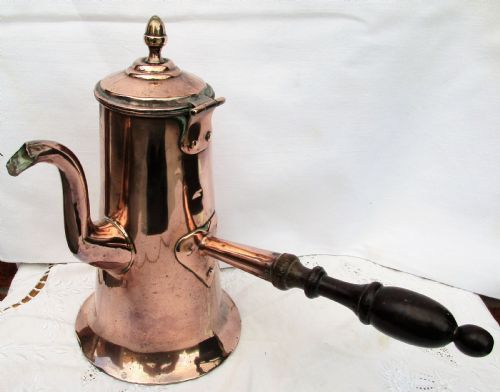


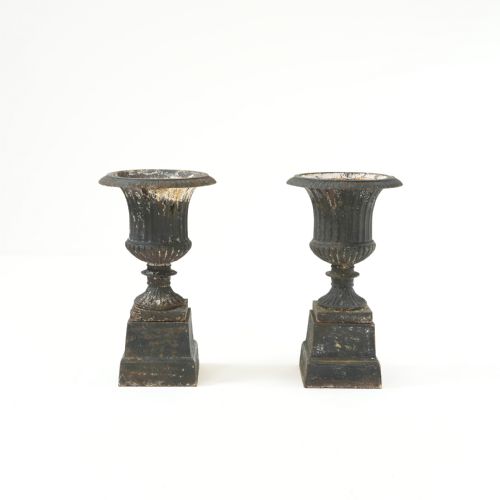

Georgian Metal Urns
Georgian metal urns are substantial vessels of copper, brass, bronze and silver plate designed for hot water or display, bringing classical gravity to an interior.
Georgian Metal Urns
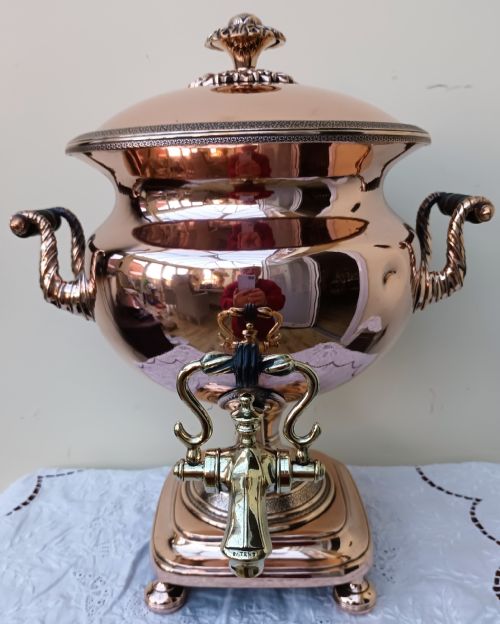
When searching for georgian metal urns, collectors encounter tea urns, samovars, coffee urns and classical garden or decorative vessels spanning the Georgian and Regency periods. The selection on this page relies heavily on copper, brass and silver plate, alongside bronze and pewter examples from the eighteenth and early nineteenth centuries.
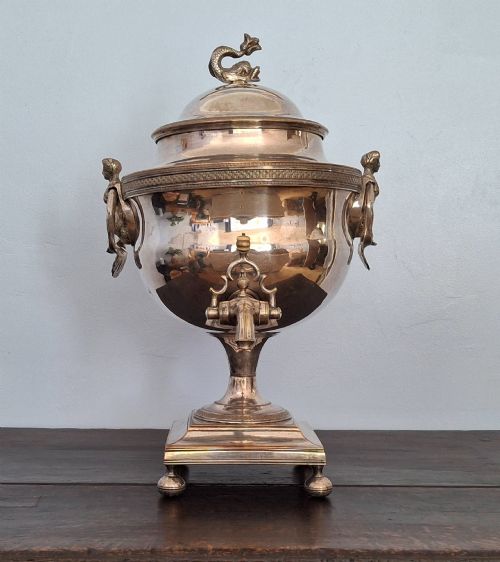
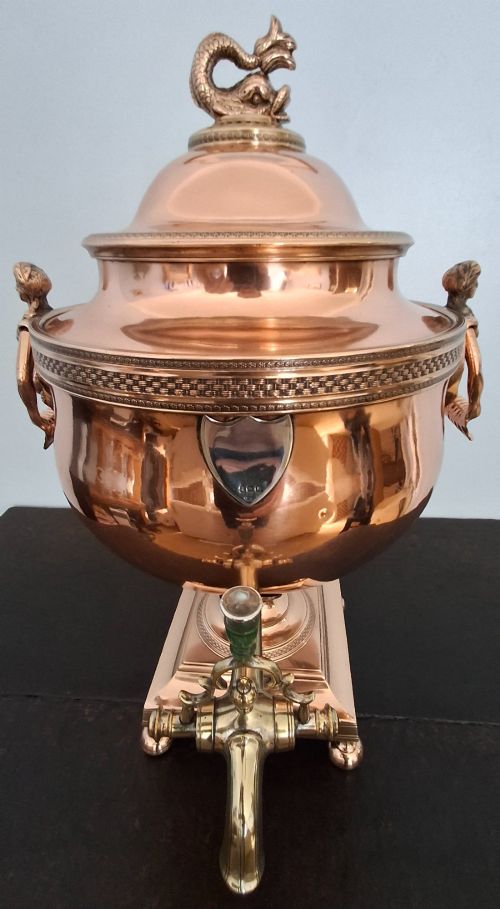
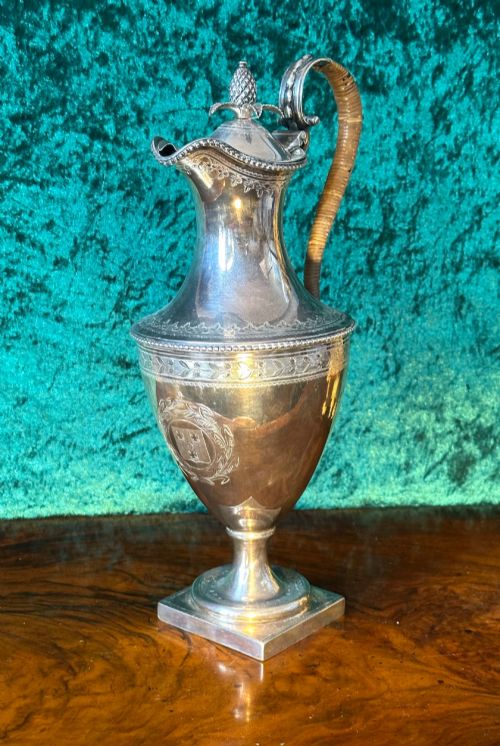
Form follows classical precedent, featuring campana shapes, spigot taps and classical mounts derived from Neoclassical and French Empire styles. These vessels served practical domestic roles on tea and dining tables or stood as ornamental centerpieces in period reception rooms.
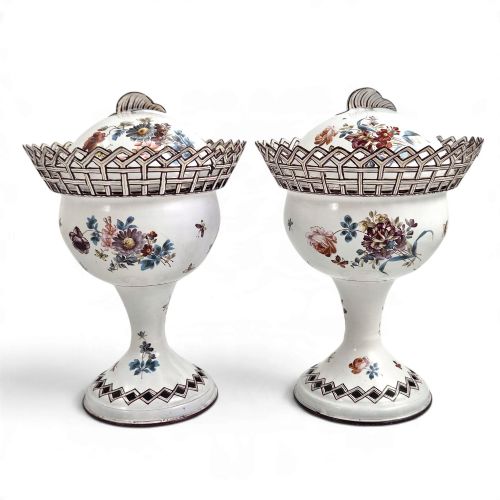
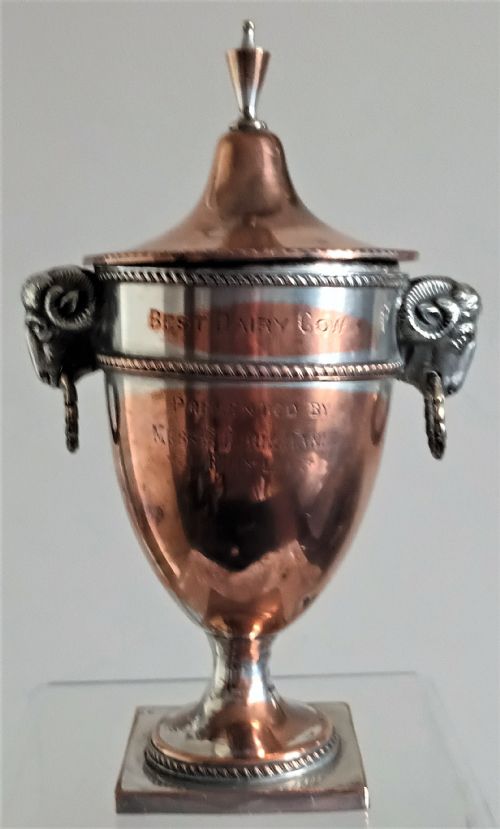
Origins stretch across English, Dutch and French workshops, encompassing George III items and Pontypool type japanned tin-ware. Buyers find both monumental water vessels and miniature chestnut urns or cassolettes.
How they were made
Metalsmiths hammered sheets of copper, brass and steel into hollow vessels or cast them in bronze, bell metal and iron. Brazing, riveting and soldering joined the bodies to pedestals, handles and spigot fittings.
Surface treatments included ormolu gilding, silver plating, Old Sheffield Plate fusing and dark bronzing. Japanning applied resinous lacquers to tin-ware to mimic oriental lacquer finishes.
Georgian Metal Urns Retail Price Guide 2026
Typical asking prices for georgian metal urns among the pieces listed under this phrase on Sellingantiques today, from the lower quarter to the upper quarter. They describe what is for sale here now, not the wider market.
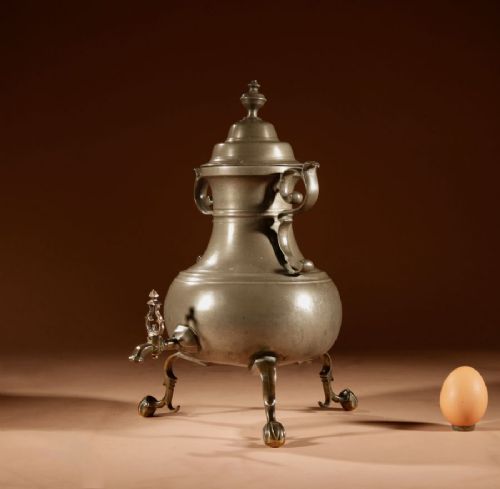
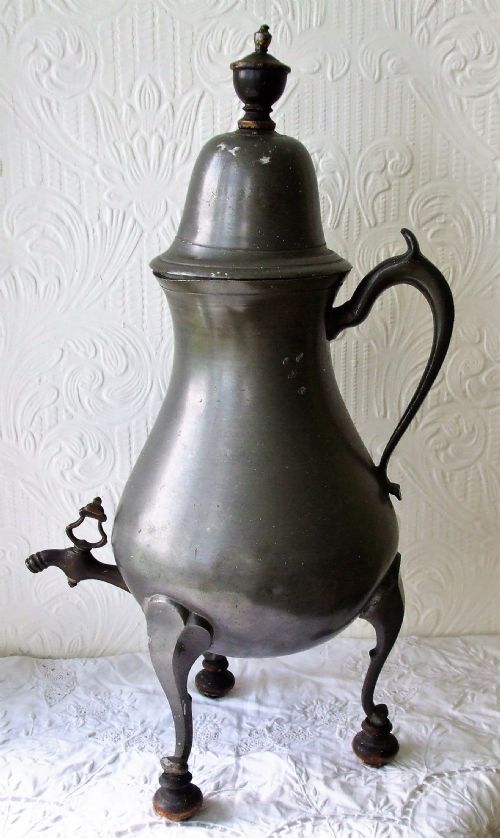
Dutch pewter kraantjeskan vessels bring a tap directly to the coffee table, proving our ancestors took their caffeine delivery very seriously.
What varies in quality
The sophistication of the classical casting and hand-chasing dictates the distinction between standard utilitarian vessels and ornamental showpieces. Crisp definition in campana handles, lion-mask spouts and pedestal mounts separates superior examples.
The integrity of original fittings, taps and internal heating elements influences overall merit. Intact Old Sheffield Plate surfaces and well-preserved bronze patination reflect superior preservation and original workshop execution.
The Georgian Metal Urns Glossary
- Samovar
- A heated metal urn used to boil and dispense water for tea, traditionally featuring an internal central heating tube.
- Campana
- A bell-shaped vessel profile derived from ancient Roman pottery, common in classical urn design.
- Old Sheffield Plate
- A composite material formed by fusing a thin sheet of silver to a thicker copper base under heat and pressure.
- Cassolette
- A decorative vessel shaped like a censer or perfume burner, often fitted with a reversible lid.
- Japanning
- A European imitation of East Asian lacquer work created using heat-dried varnish layers on tin or metal plates.
- Bell Metal
- An alloy of copper and tin specifically formulated to produce a resonant tone and a rich golden-bronze surface.
Georgian Metal Urns: Frequently Asked Questions
What is the difference between a tea urn and a samovar?
Tea urns generally served to hold pre-heated water for tea service, while traditional samovars incorporated an internal vertical metal tube for charcoal heating.
Both forms acted as central focal points on dining and tea tables during the Georgian era.
How do I date a metal urn?
Dating relies on stylistic markers such as Neoclassical motifs, George III proportions and Regency bronze casting techniques. Construction methods like hand-beaten copper seams and early Sheffield plating also indicate the period.
Handling original spigots and fittings helps confirm the era of manufacture.
Where were these urns placed in a home?
Georgian households placed large copper and silver-plated urns on sideboard tables during formal meals to supply hot water. Decorative bronze and campana urns stood on mantelpieces, pedestals or side tables purely for display.
Smaller chestnut urns and wine coolers sat directly on dining tables during dessert courses.
What metals are most common?
Copper, brass and silver plate dominate the surviving examples, often complemented by bronze mounts and bell metal taps. Pewter and iron appear less frequently in specific Dutch and garden forms.
Old Sheffield Plate represents the higher tier of domestic silver-finished vessels.