




Georgian Metal Candle Holders
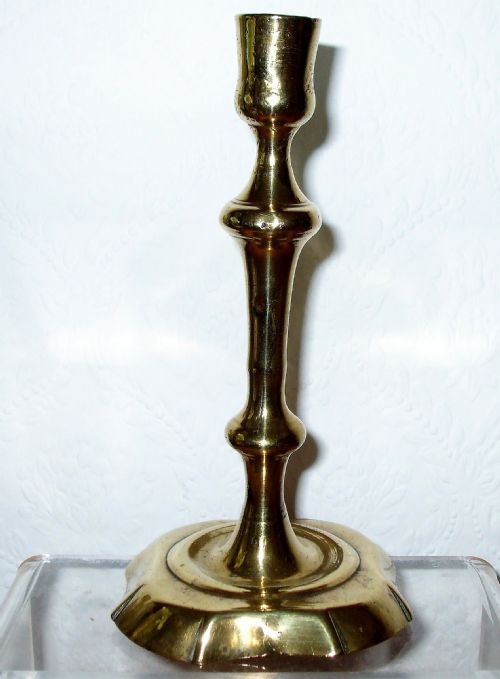
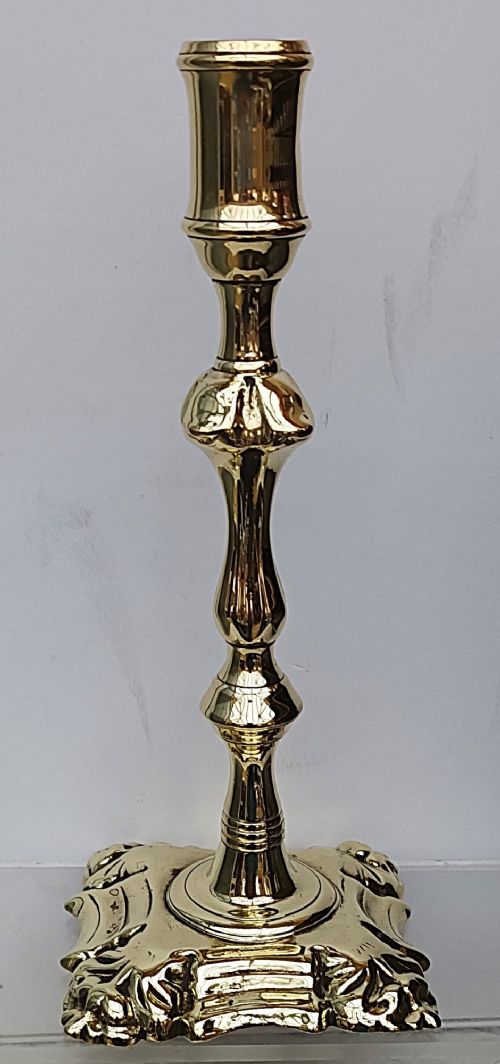
Georgian metal candle holders bring weight and warmth to a room, cast in brass, bronze, and old Sheffield plate to hold a simple taper.
Georgian Metal Candle Holders
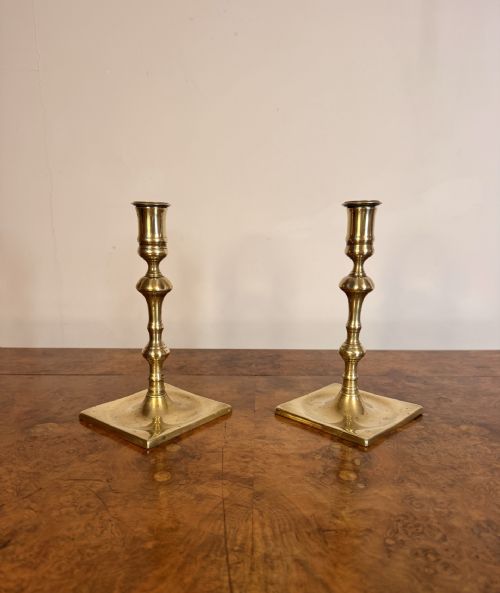
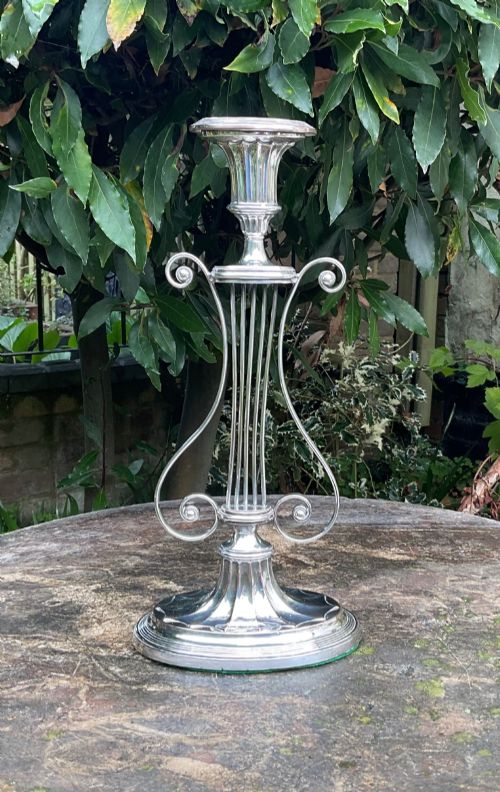
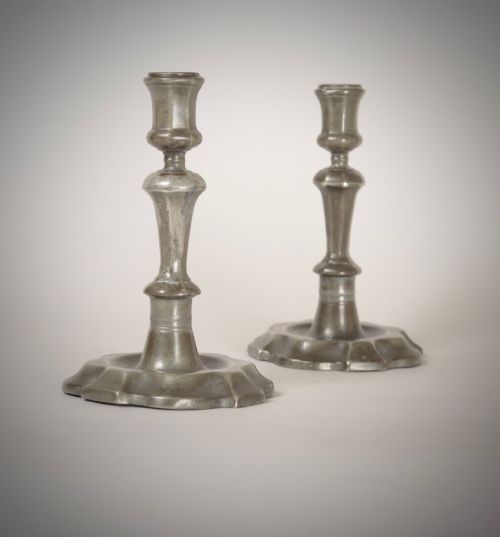
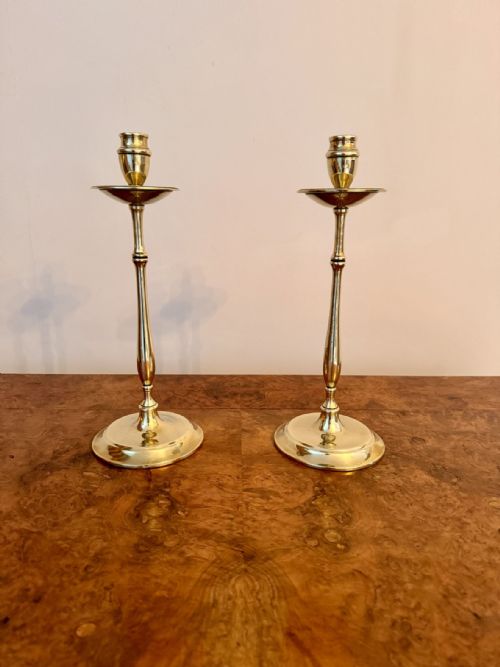
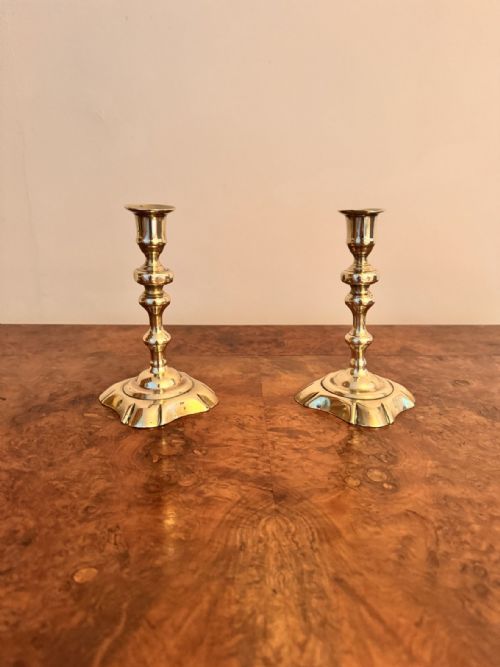
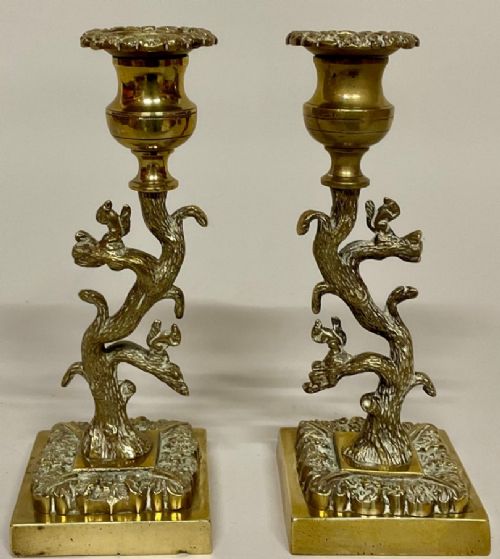
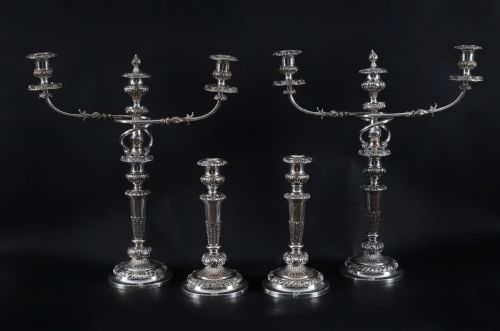
When searching for georgian metal candle holders, buyers examine functional lighting shaped by hand and lathe across the eighteenth and early nineteenth centuries. The pieces on this page span chamber sticks, wall sconces, multi-branch candelabra, and simple pairs of candlesticks.
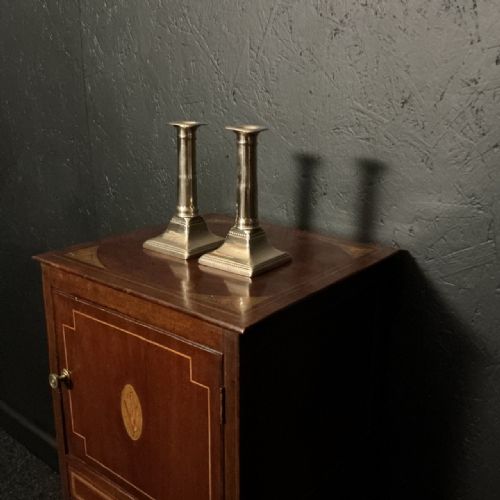
Brass dominates the selections, alongside bronze, bell metal, copper, and silver plate. Most examples arrive as matched pairs, reflecting the symmetry favoured in period interiors.
Materials and construction
Metals were cast in sand moulds or formed in multiple sections before being joined together at invisible seams. Seamed brass and bell metal items reveal the technical skill of early founders who worked with molten alloys.
Finishes range from polished surfaces to gilt bronze and ormolu details, whilst iron and copper introduce contrasting textures. Heavier pieces often incorporate internal weights or hollow stems supported on square and petal bases.
Georgian Metal Candle Holders Retail Price Guide 2026
Typical asking prices for georgian metal candle holders among the pieces listed under this phrase on Sellingantiques today, from the lower quarter to the upper quarter. They describe what is for sale here now, not the wider market.
Listings feature items spanning the eighteenth and nineteenth centuries, formed in brass, silver plate, copper, bronze, and iron.
Judging the range
Quality rests upon the crispness of the casting and the thickness of the metal used in the construction. Sharp details on sculptural branches and well-defined mouldings separate standard production items from superior works.
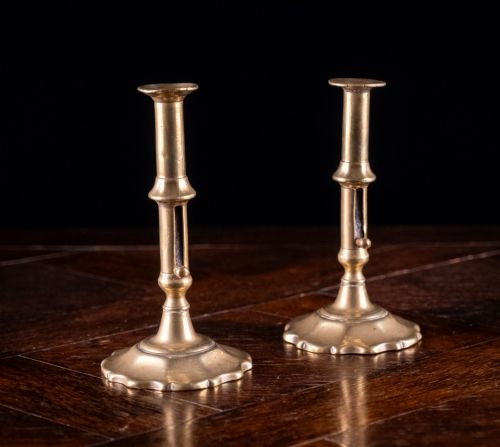
Proportion and weight dictate the presence of a piece on the table. Heavy, solid castings with intact ejector mechanisms or original silver plating hold greater interest than lighter, later replacements.
Barker Ellis·Blagden Hodgson And Co·Harrison Patent·J T And Co
The Georgian Metal Candle Holders Glossary
- Ejector candlestick
- A domestic candlestick fitted with an internal push-rod to lift out the remaining candle stump. This mechanism required careful assembly by period metalsmiths.
- Pricket candlestick
- A form featuring a central spike that impales the base of the candle rather than sliding into a socket. Such designs often appear on larger altar or hall pieces.
- Old Sheffield plate
- A composite material made by fusing a thin sheet of silver to a thicker copper base. The technique produced durable tableware and lighting before modern electroplating.
- Campana sconce
- A candle cup shaped like an inverted bell, commonly seen on Regency branches and stems. It provides a wide rim to catch dripping wax.
- Paktong
- An alloy of copper, nickel, and zinc imported from China, prized for its bright silvery appearance. English makers shaped it into high-status candlesticks during the eighteenth century.
Georgian Metal Candle Holders: Frequently Asked Questions
What metals were used for Georgian candlesticks?
Makers utilised brass, bell metal, bronze, copper, and iron alongside silver plated surfaces.
Heavier alloys provided stability, while finer metals received decorative gilding or ormolu mounts.
How do I spot a seamed brass candlestick?
Seamed pieces display vertical joining lines where rolled sheet metal was soldered together.
This method preceded advanced solid casting techniques and points to mid-eighteenth-century production.
What is an ejector mechanism?
An ejector mechanism uses an internal slide or stem to push out leftover wax.
This practical addition allowed users to clear stubborn candle butts without damaging the brass.
Where were chamber sticks placed?
Chamber sticks sat in bedrooms and hallways to guide occupants through dark corridors.
Their wide drip pans caught falling wax while carried by hand.