


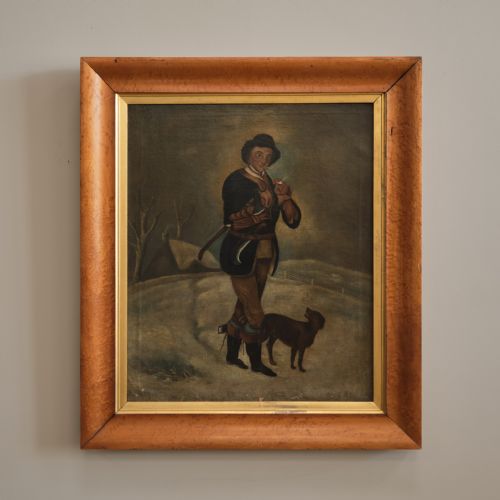


Georgian Maple Frame
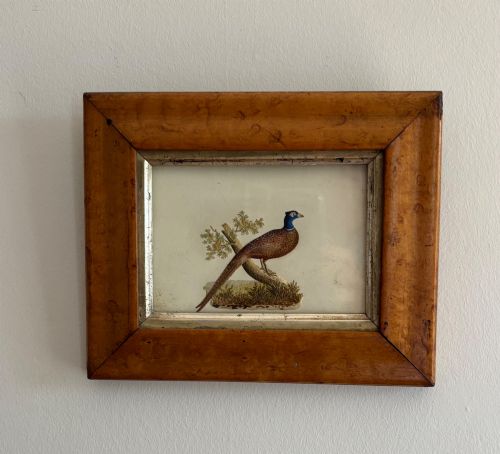
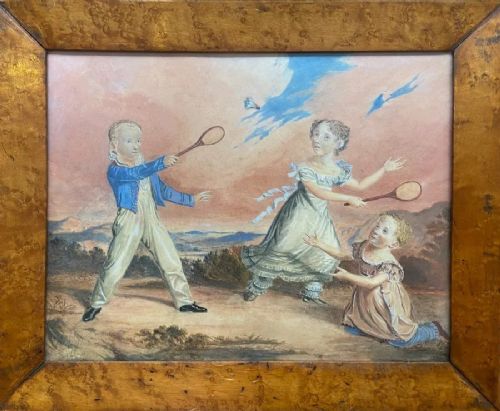
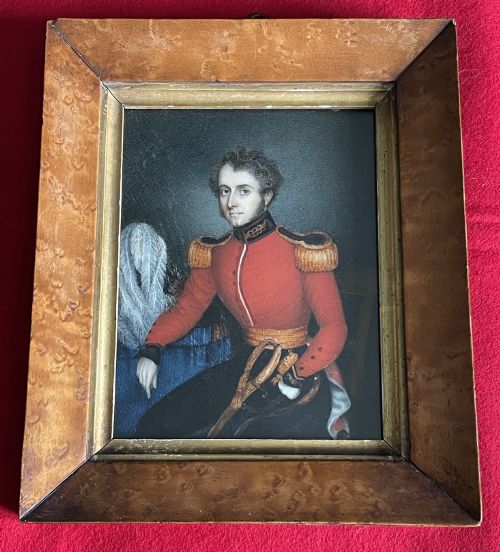
A georgian maple frame brings together rich timber grain and period portraiture, botanical watercolours or mirrors.
Georgian Maple Frame
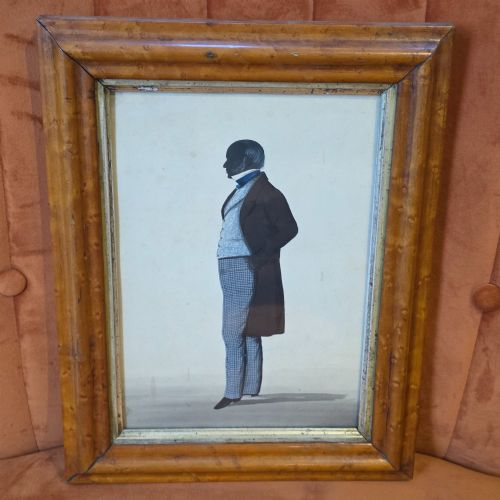
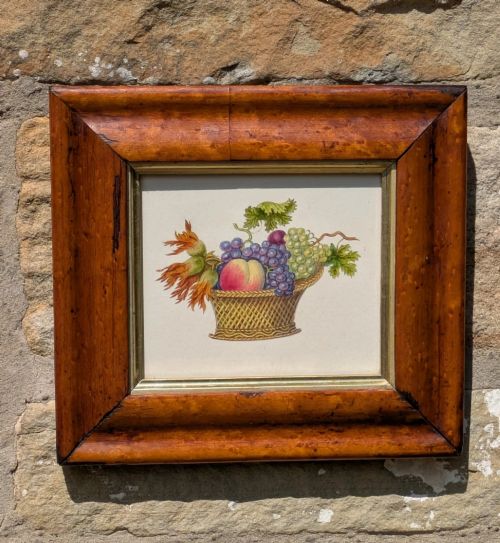
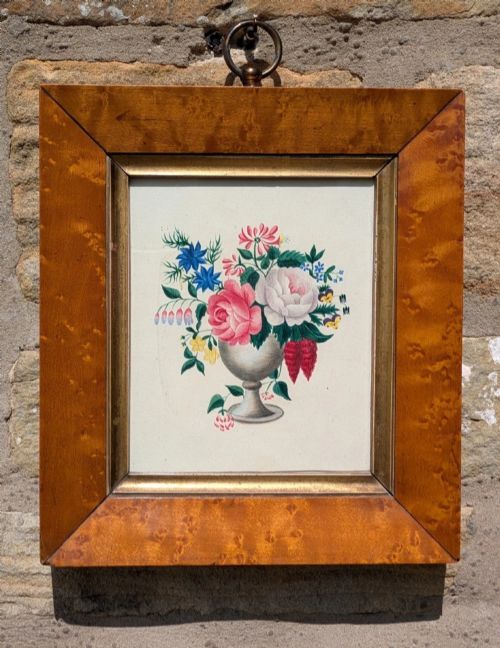
A georgian maple frame encloses a variety of period works, most commonly silhouette portraits, botanical watercolours, maps and wall mirrors from the eighteenth and nineteenth centuries. The wood itself displays a distinctive bird's eye or burr figure that defines the character of these enclosures.
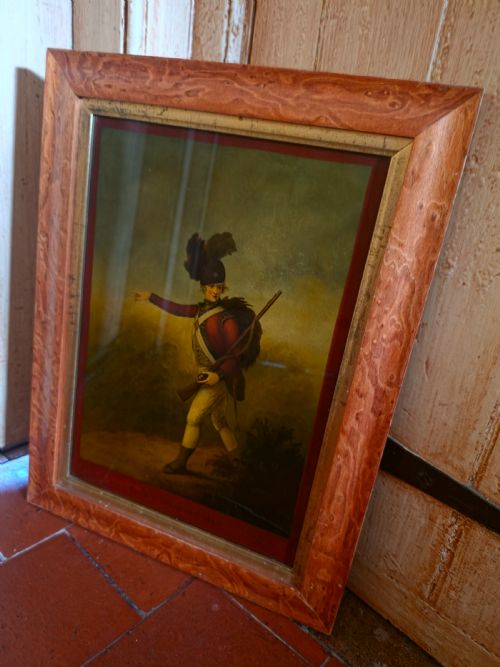
Buyers will encounter these frames housing everything from naive oil paintings and textile samplers to reverse glass prints and engraved topographical views. The combination of figured maple with giltwood accents or simple mitred mouldings is typical of the Regency and Georgian eras.
Materials and construction
Makers utilised solid maple or applied fine burr and bird's eye maple veneers over a secondary timber core, often pairing the figured wood with narrow slips of gold leaf. These surfaces were polished to a warm sheen that accentuated the natural grain patterns of the timber.
Framing workshops combined traditional joinery with glass protection for delicate paper works like watercolours, silk embroideries and hand-cut silhouettes. The resulting enclosures were designed to complement the intimate scale of portrait miniatures and domestic prints.
Listings feature maple frames enclosing watercolours, textile samplers, mirrors and silhouette portraits across the Georgian, Regency and Victorian periods.
Assessing quality in the grain
The density and activity of the maple figure determine the visual appeal of the piece, with heavily spotted bird's eye or rich burr patterns commanding greater interest than plain timber. Crisp mitres and original gilding on internal sight edges indicate careful initial workmanship.
Survival of the original glass, backing boards and historical contents preserves the integrity of the object. Pieces that retain their early finish without heavy modern intervention offer a truer representation of period domestic display.
Samuel Dixon·Augustin Edouart
The Georgian Maple Frame Glossary
- Bird's eye maple
- A figure in maple wood where the grain swirls around small circles, resembling tiny birds' eyes. This decorative grain pattern was highly prized by Regency and Georgian cabinet makers.
- Reverse glass painting
- An artwork painted directly onto the back of a glass panel so that the final image is viewed through the front. These delicate pictures often featured patriotic or military scenes.
- Silhouette
- A portrait profile cut from black paper or painted on card, popular before the widespread use of photography. Many were housed in narrow maple surrounds.
- Sampler
- A piece of embroidery or needlework produced as a demonstration or test of skill. Georgian examples frequently incorporated alphabets, motifs and genealogical records.
- Basso-rilievo
- A sculptural relief technique where the figures project only slightly from the background plane. These pictorial panels were sometimes mounted within timber wall frames.
Georgian Maple Frame: Frequently Asked Questions
How do I date a maple frame?
Dating relies on observing the assembly methods, timber thickness and the style of the rebate behind the glass. Earlier examples from around eighteen hundred often feature hand-cut timber mouldings and older backing papers.
Matching the enclosed artwork, such as a Regency botanical watercolour or a Georgian silhouette, also helps narrow the date of manufacture.
Are maple frames always English?
While many pieces originate from British workshops during the Georgian and Regency periods, continental makers also utilised the wood. Biedermeier examples from northern Europe show a distinct approach to grain selection and polish.
Examining the underlying construction timber and framing nails provides clues to the geographical origin of the piece.
Can I change the artwork inside?
Original historic pairings of frame and artwork form an integral part of the object's character and value. Altering the contents disturbs a relationship that may have existed for two centuries.
Collectors generally prefer to keep the original silhouette, map or watercolour undisturbed within its historical enclosure.
How do I clean bird's eye maple?
Maintenance requires only a soft, dry cloth to remove dust from the polished wooden surface. Moisture and chemical polishes should be avoided as they can damage antique finishes and old gilding.
Keeping the frame away from direct sunlight prevents the maple grain from fading over time.