
Tapestry Frame
A tapestry frame holds the fabric taut while needlework or embroidery takes shape, spanning centuries of craft from simple domestic stretchers to grand framed panels.
Tapestry Frame
When searching for a tapestry frame, a buyer encounters two distinct categories within these listings: the physical stretcher frames used to mount and tension textile work, and the finished tapestries and needlework panels housed within decorative frames.
The physical equipment includes adjustable wooden stretchers, needlepoint work stands, and floor or table frames originating mainly from the Victorian and Edwardian eras. These utilise turned woods such as walnut, mahogany, and beech to hold canvas firmly during the stitching process.
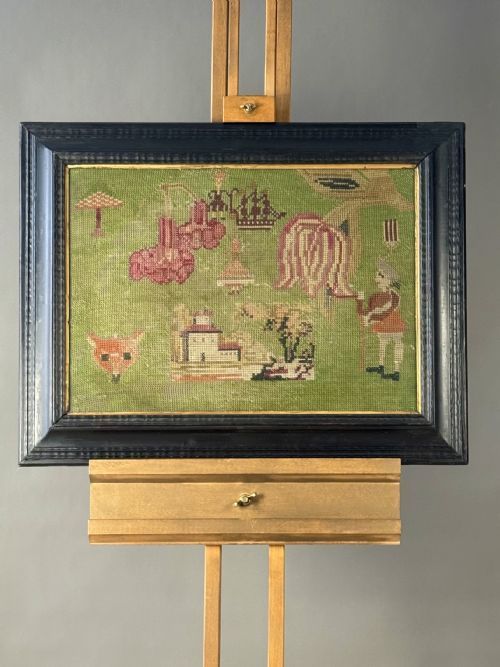
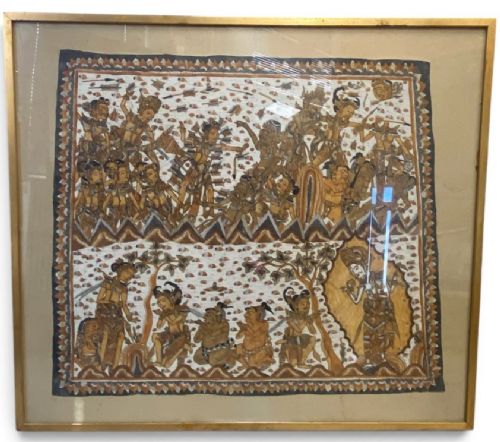
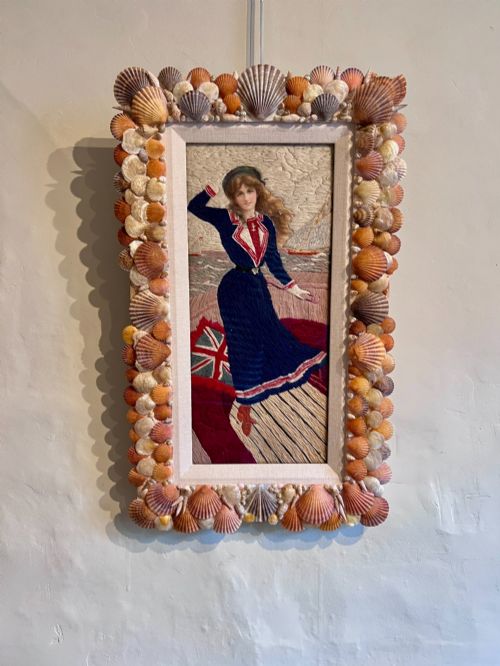
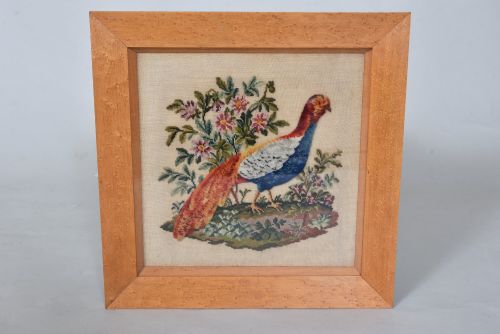
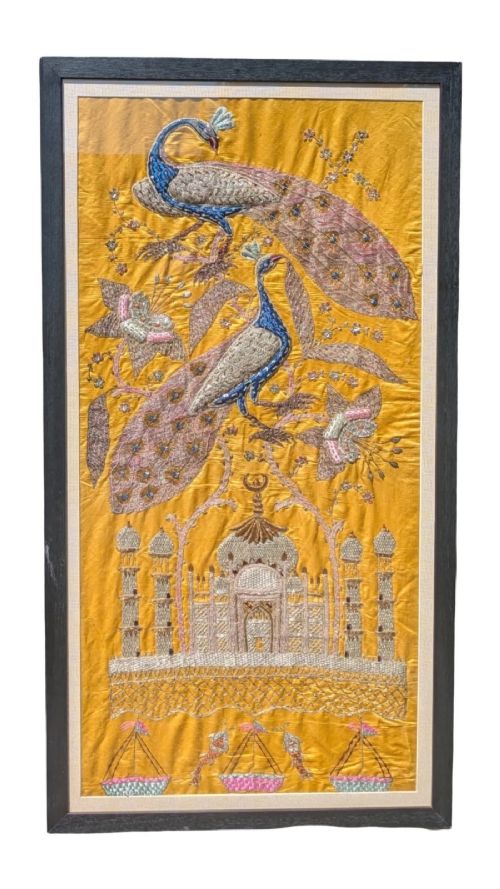
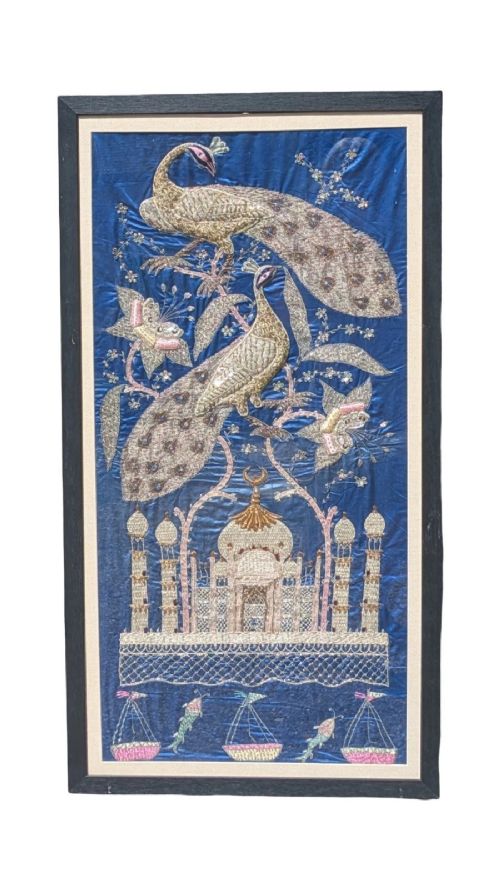
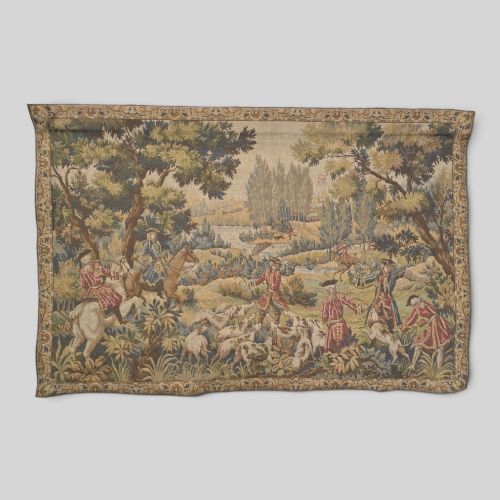
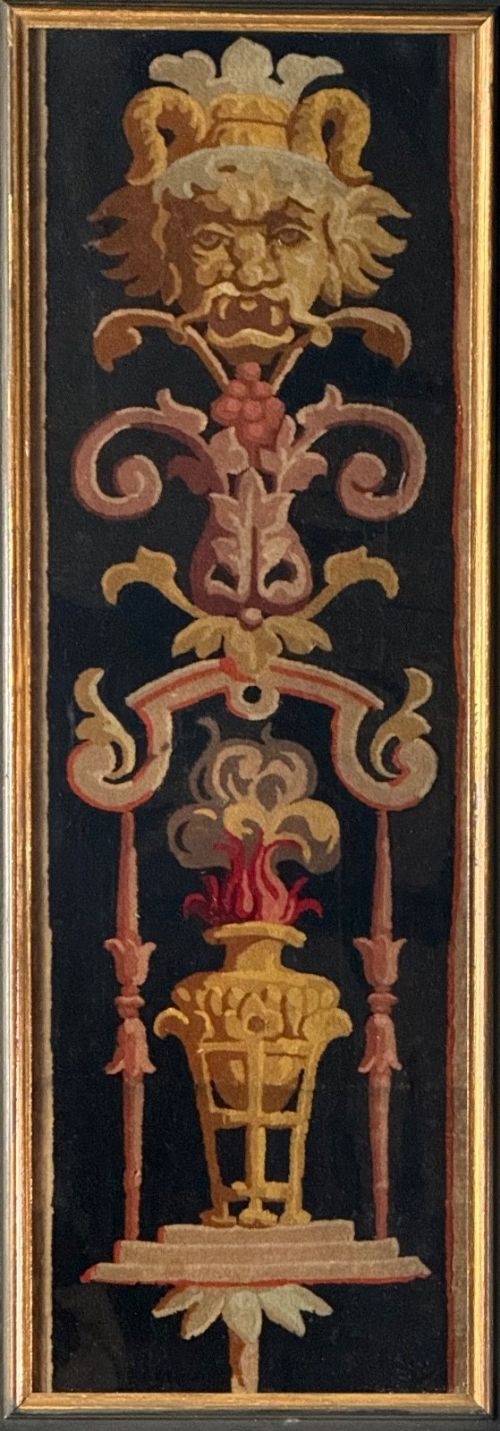
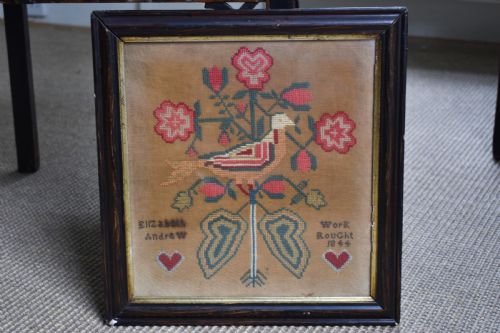
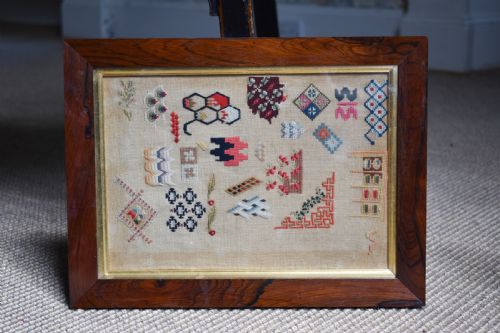
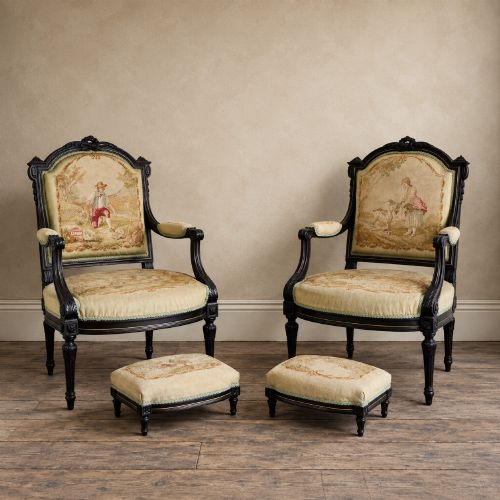
Alternatively, the category frequently presents framed textile art, including Berlin woolwork, petit point wall hangings, and verdure fragments preserved under glass or mounted within period wood frames. These pieces span from the seventeenth century through the early twentieth century, reflecting varied regional styles from English samplers to French pastoral scenes.
What Varies in Quality
Quality in these pieces rests upon the density of the stitching, the complexity of the design, and the integrity of the surrounding frame. Fine needlework displays tight, uniform tension and subtle shading using silk or wool threads, whereas simpler execution relies on broader stitches.
The physical housing also dictates value, with sturdy hardwood frames, original glass, and intact adjusting screws demonstrating superior craftsmanship compared to later replacements.
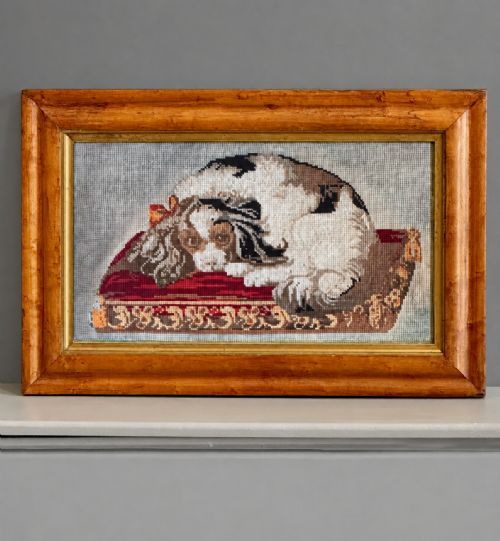
Many a Victorian parlour was kept warm not just by the coal fire, but by the intense concentration required to stitch King Charles Spaniels in wool.
The Tapestry Frame Glossary
- Berlin work
- A popular form of nineteenth-century needlepoint worked in wool from printed and hand-coloured grid patterns. It allowed Victorian stitchers to create highly detailed pictorial scenes.
- Petit point
- Needlepoint executed on a fine mesh canvas using single-thread tent stitches. This technique permits intricate detail and smooth tonal gradations in pictorial panels.
- Crewelwork
- Embroidery using wool yarn on linen or cotton twill fabric. It typically employs traditional surface embroidery stitches to form flowing floral and vegetal designs.
- Stretcher frame
- A wooden framework designed to stretch canvas or linen tightly before and during the embroidery process. Adjustable versions allow the maker to alter tension as the work progresses.
- Verdure tapestry
- A woven or embroidered textile depicting a lush landscape, foliage, and trees. These panels often include birds or mythological creatures peeking through stylized forest foliage.
Tapestry Frame: Frequently Asked Questions
What is the difference between a tapestry stretcher and a framed tapestry?
A tapestry stretcher is the mechanical wooden frame used by the artisan to tension fabric while stitching takes place. It often includes adjustable screws or peg joints designed for workshop use.
A framed tapestry is the finished textile panel mounted permanently behind glass or within a decorative wooden frame for display on a wall or as part of a piece of furniture.
How do I identify a Victorian woolwork picture?
Victorian woolwork pictures, often termed woolies or Berlin work, typically feature thick wool threads worked onto canvas to depict animals, biblical scenes, or sentimental portraits. They frequently appear in period maple, rosewood, or gilt frames.
The materials and subject matter reflect the domestic handicraft boom of the nineteenth century, utilising bright dyed wools and dense stitching techniques.
What woods were commonly used for antique frames?
Cabinetmakers and frame makers utilised dense hardwoods such as walnut, mahogany, rosewood, and oak to construct durable housings for textiles. Burr maple and ebonised beech also appear frequently in nineteenth-century examples.
These woods were chosen for their stability and grain pattern, often polished or gilded to complement the needlework inside.
How were antique needlework frames used in period interiors?
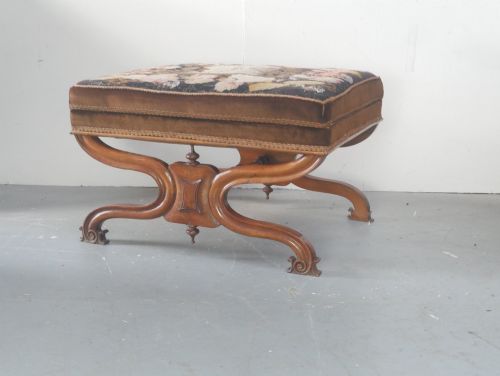
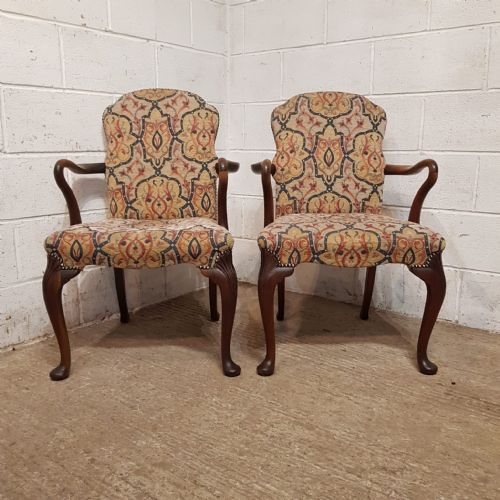
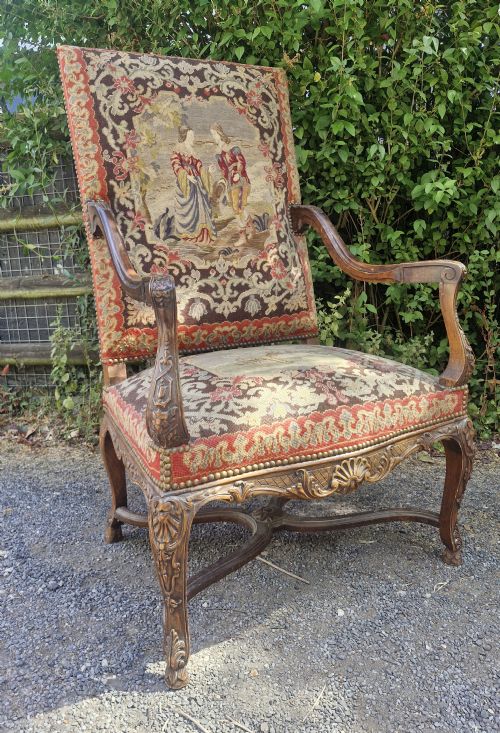
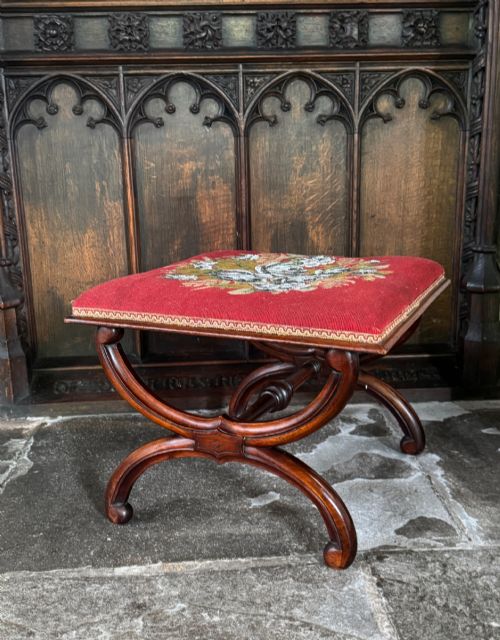
Needlework panels and frames served multiple domestic functions, appearing as wall hangings, fire screens, and upholstery inserts for armchairs and X-frame stools. Fire screens protected sitters from hearth heat while displaying the needlewoman's skill.
Tabletop stretchers and work stands remained functional studio equipment until the completed embroidery was mounted for display.