

Georgian Mantel
When you search for georgian mantel pieces, you are looking at items designed to sit upon or above a fireplace during the eighteenth and nineteenth centuries.
Georgian Mantel
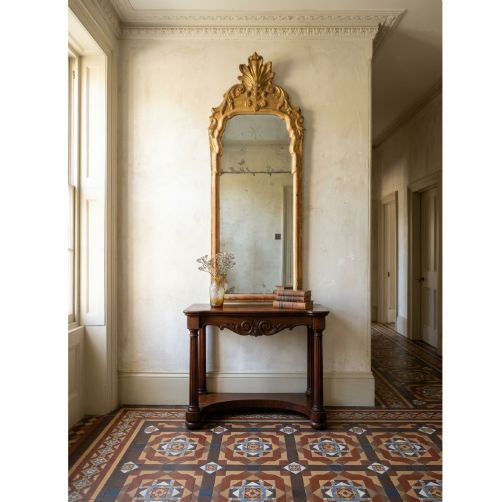
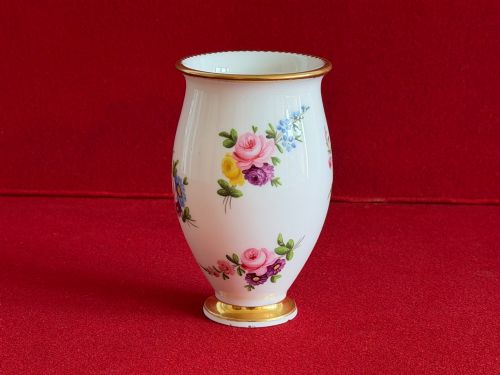
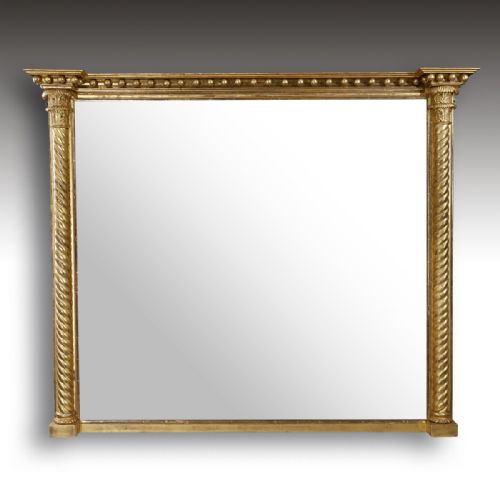
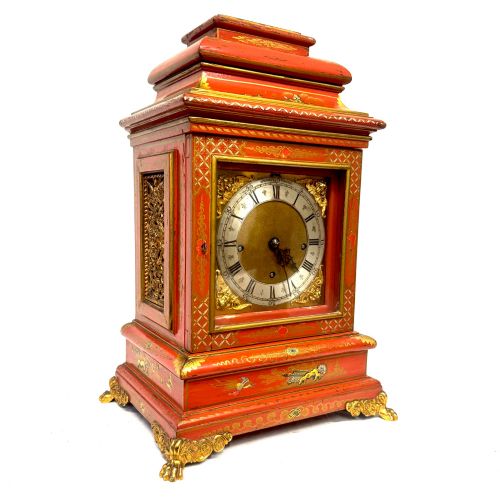
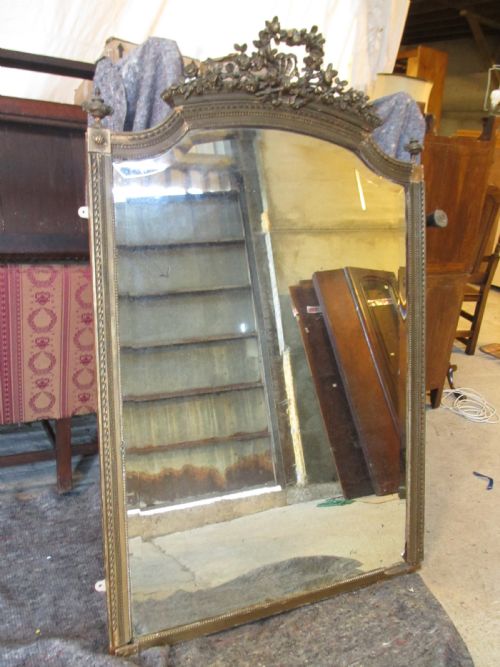
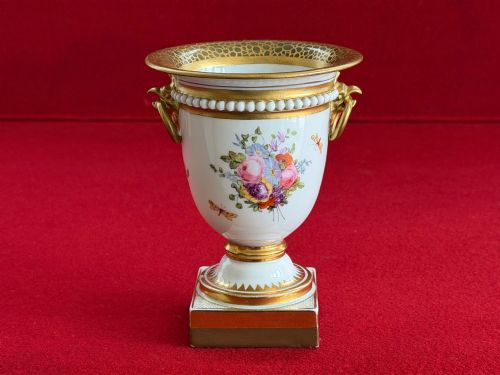
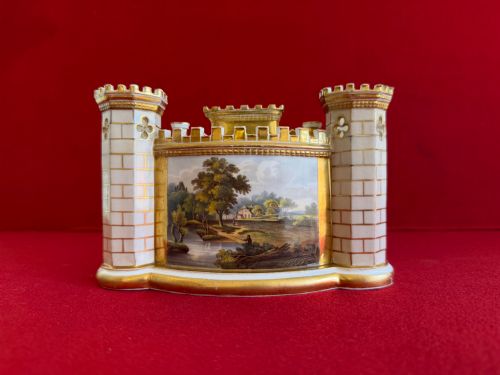
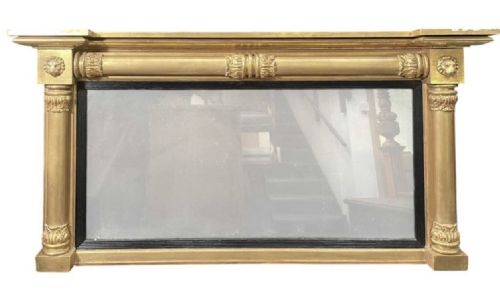
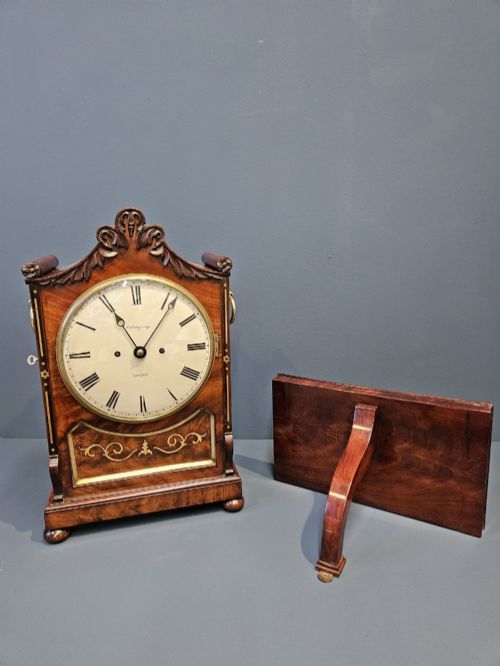
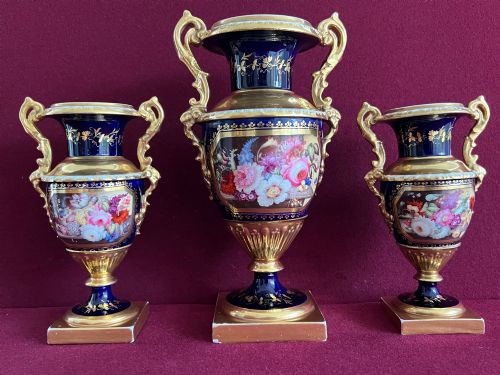
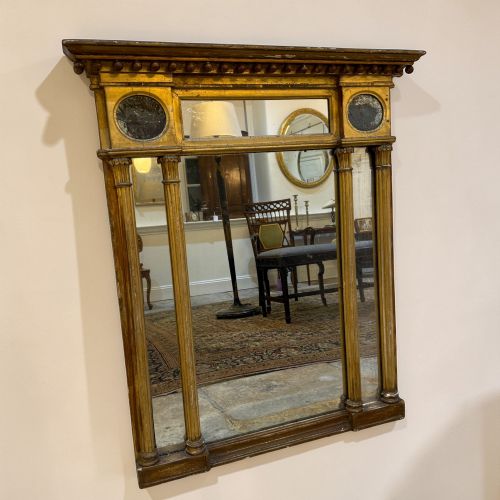
A georgian mantel search brings up a distinct variety of functional and decorative household items, most commonly bracket clocks, overmantel mirrors, porcelain vases, and brass candlesticks. These objects hail primarily from the Georgian, Regency, and nineteenth-century periods, capturing the refined taste of historic domestic interiors.
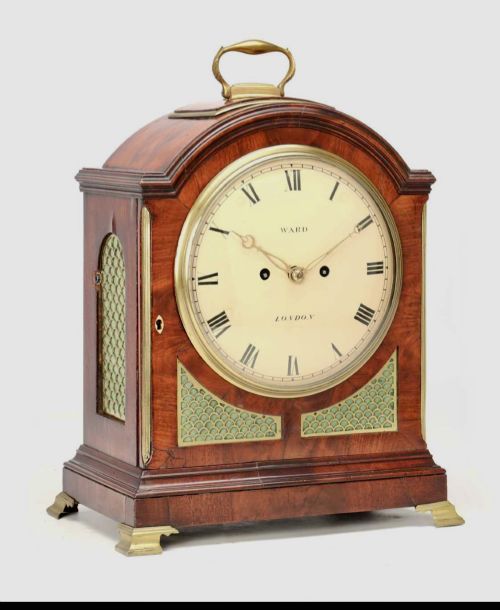
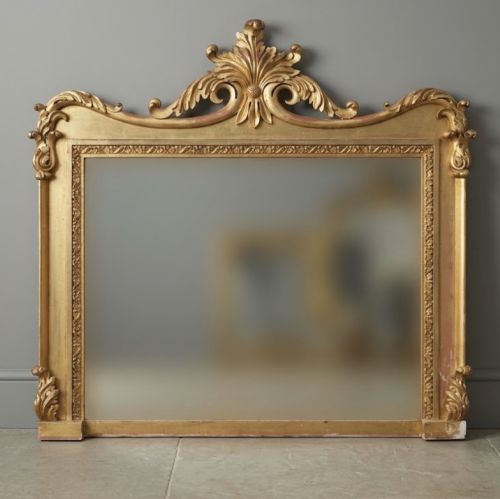
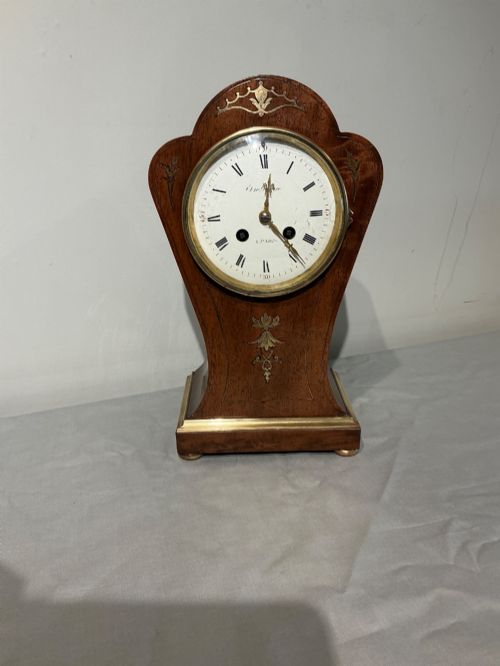
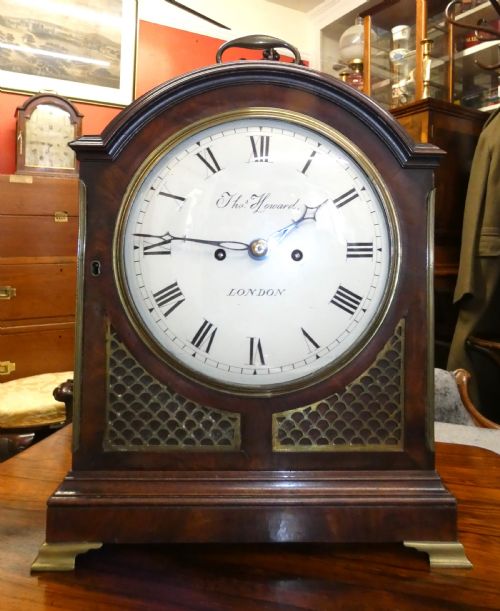
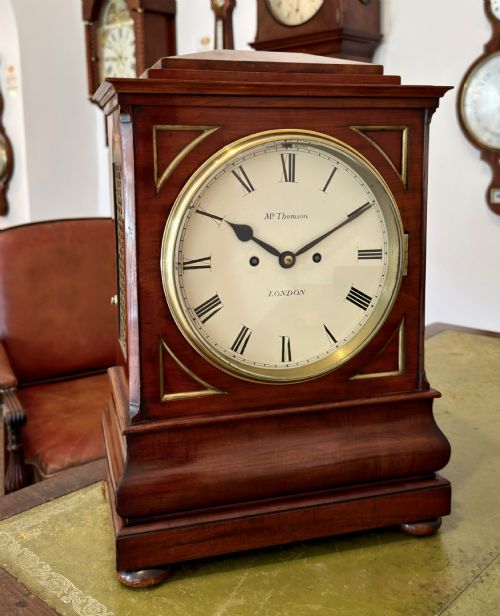
Clock forms dominate the horological offerings, ranging from mahogany table clocks with verge movements to grander bracket clocks signed by London makers. Alongside timepieces, giltwood overmantel mirrors and decorative porcelain garnitures complete the typical inventory found within these listings.
The materials span rich hardwoods, gilded surfaces, and English porcelains from notable factories, reflecting the functional requirements of period mantelpieces. Buyers encounter both strict period originals and later revivals spanning the nineteenth century.
Materials and Construction
Makers utilised dense timbers like solid mahogany and burr walnut for clock cases, constructing architectural housings with chamfered tops and delicate fretwork. Brass fittings, dial plates, and verge or fusee movements provide the complex mechanical core for these timepieces.
Mirrors and garnitures rely heavily on giltwood and gesso over carved wooden bases, employing techniques of water gilding and burnishing to achieve reflective, metallic brilliance. Porcelain pieces from factories such as Spode and Worcester involve hand-painted enamel decoration fired onto refined ceramic bodies.
Georgian Mantel Retail Price Guide 2026
Typical asking prices for georgian mantel among the pieces listed under this phrase on Sellingantiques today, from the lower quarter to the upper quarter. They describe what is for sale here now, not the wider market.
Listings feature mahogany, giltwood, brass, and English porcelain forms originating from the eighteenth and nineteenth centuries.
Assessing Workmanship
The division between standard and superior pieces rests in the crispness of the carving and the original integrity of the materials. Finely executed giltwood mirrors display deep relief work in the gesso without smoothing from over-cleaning, while better clocks house signed movements from reputable makers.
Porcelain quality shows in the precision of the hand-painted enamel details and the preservation of the original gilding across garnitures and spill vases. Substantial weight in the brass candlesticks and structural honesty in the mahogany clock cases further distinguish the finer examples.
P Ketterer·Agar of Malton·Taylor of London·Thomas Howard·Thomson of London·Widenham of London·Comitti Of London·William Gard·Webster·Mappin and Webb·Charles Pratt·Ellicott and Smith
The Georgian Mantel Glossary
- Bracket clock
- A portable household clock originally designed to sit on a wall bracket or a mantelpiece, often featuring a brass carrying handle.
- Overmantel mirror
- A large horizontal looking glass designed specifically to hang on the wall directly above a fireplace mantel.
- Verge movement
- An early mechanical clock escapement controlled by a balance wheel and foliot or spring, producing a distinct ticking rhythm.
- Giltwood
- Wood, such as pine or carved composition, that has been coated with a thin layer of gold leaf or metal powder.
- Garniture
- A set of three or more ornamental vases or pots designed to be displayed together symmetrically on a mantel or sideboard.
Georgian Mantel: Frequently Asked Questions
What is a georgian mantel clock?
A georgian mantel clock is a mechanical timekeeper housed in a wooden case, usually mahogany, designed to sit securely on a fireplace mantel or bracket.
These clocks often utilise verge or fusee movements and feature brass dials, striking mechanisms, and carrying handles for portability between rooms.
How do I style an overmantel mirror?
An overmantel mirror is traditionally hung flush against the wall directly above the fireplace surround, reflecting light and creating a focal point in the room.
When styling the mantel shelf below, pair the mirror with symmetrical porcelain garnitures, vases, or candlesticks to maintain visual balance.
How do I date a bracket clock?
Dating a bracket clock involves examining the dial signature, case timber, and internal movement style to distinguish between eighteenth-century originals and later nineteenth-century interpretations.
Maker signatures inscribed on the brass dial plate often provide a direct link to recorded working dates in London and regional workshops.
Were porcelain vases used on mantelpieces?
Porcelain vases, spill vases, and bough pots were frequently arranged on mantel shelves alongside clocks and candlesticks as part of a decorative garniture set.
Factories like Spode and Worcester produced matching pairs or sets specifically painted with botanical or scenic enamels for domestic display.