

Georgian Male Portrait Art
Georgian male portrait art captures the likeness of gentlemen, scholars and statesmen through enduring oil paintings and pastels.
Georgian Male Portrait Art
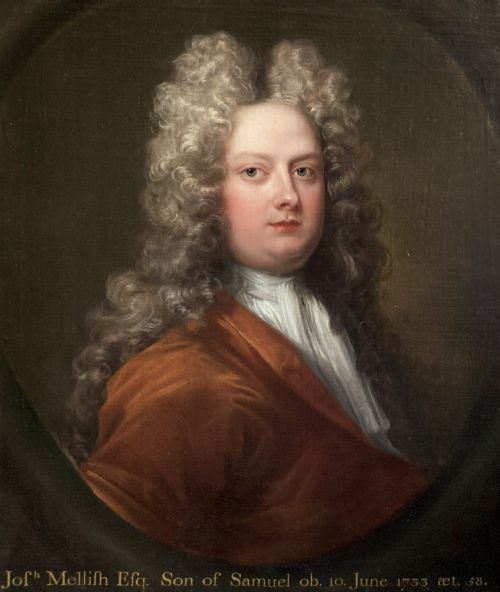
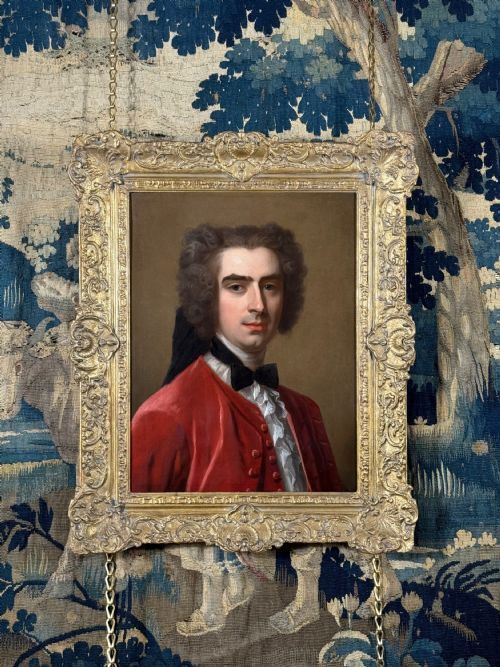
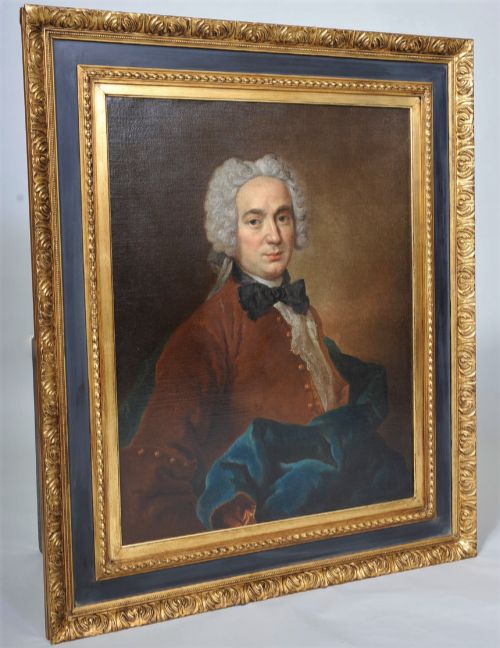
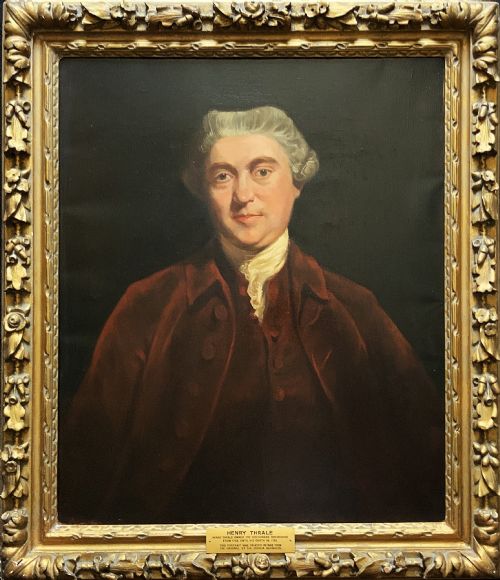
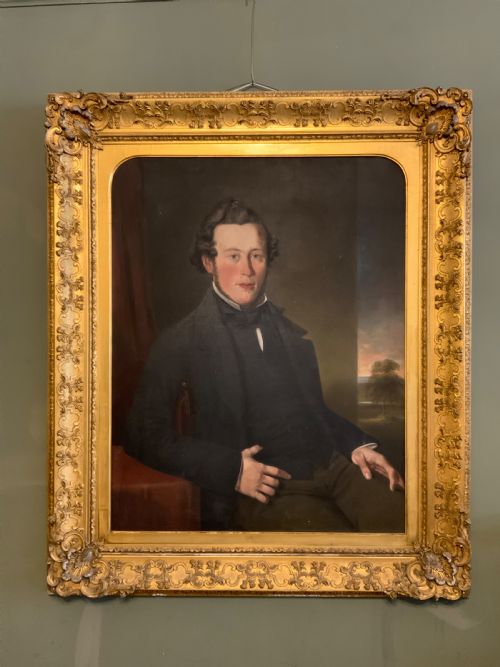
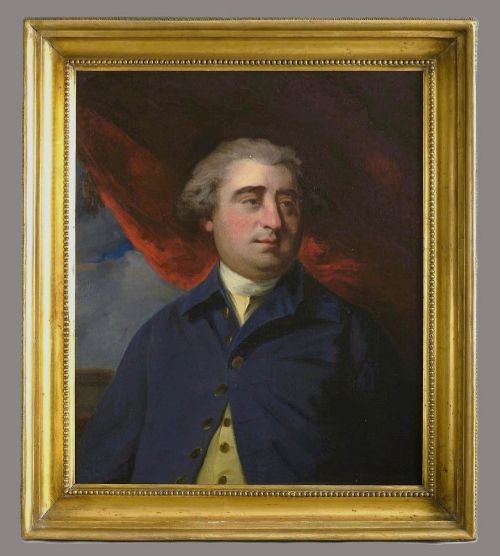
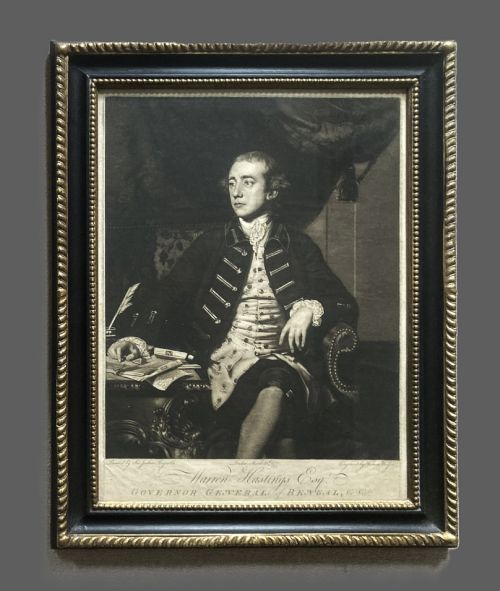
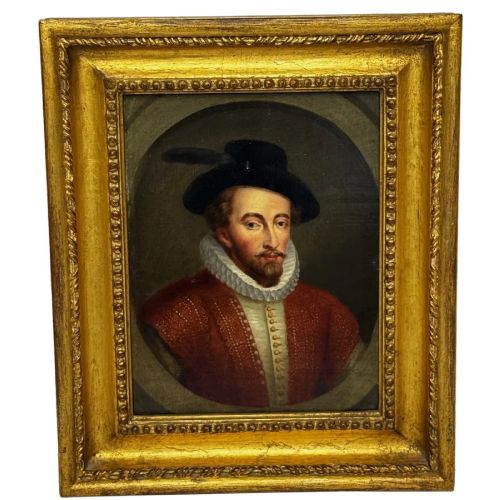
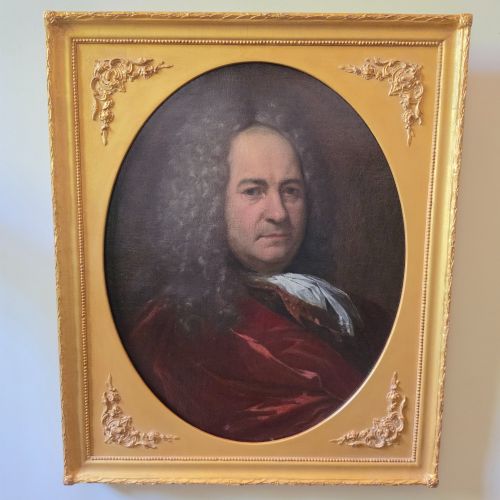
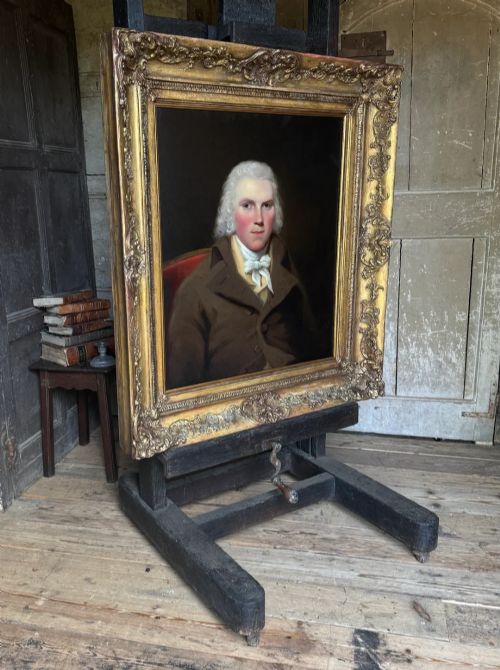
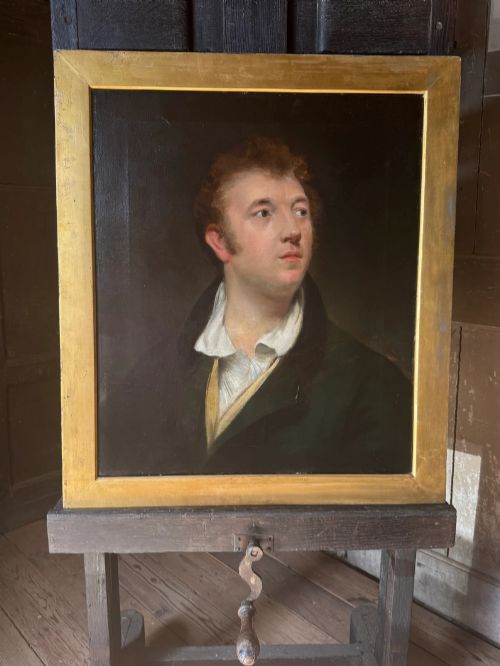
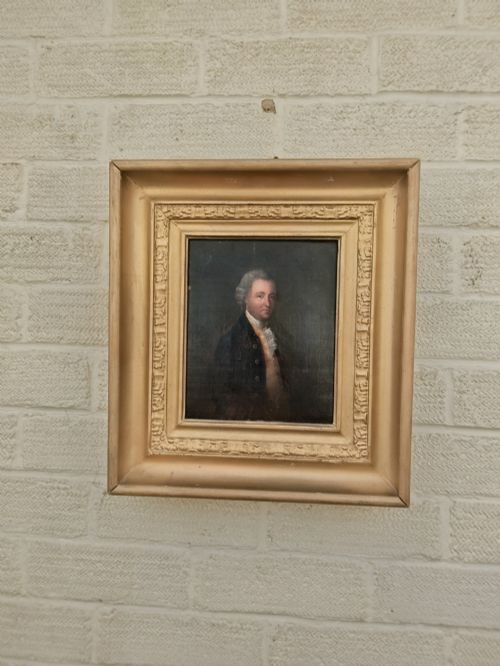
Georgian male portrait art primarily comprises oil paintings on canvas depicting identifiable gentlemen, physicians, surgeons and peers from the seventeenth to the nineteenth centuries. These works record the status and profession of their subjects, ranging from medical doctors and politicians to privateers and noblemen.
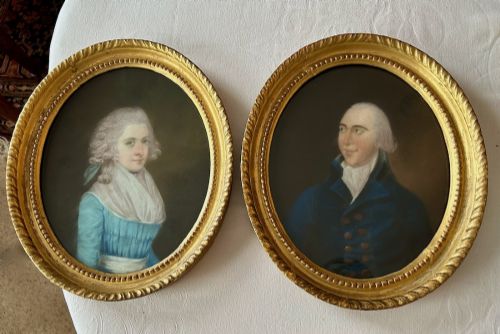
The prevailing form on this page is the oil painting on canvas, often housed within period frames of giltwood or wood with gold leaf embellishments. Pastel portraits and antique prints also appear, representing both formal studio commissions and intimate depictions of sitters.
Originating largely from British and Scottish schools, these pieces reflect the aesthetic preferences of the Georgian and Regency eras. Regional schools, including French influences, further broaden the selection available to the collector.
Materials and technique
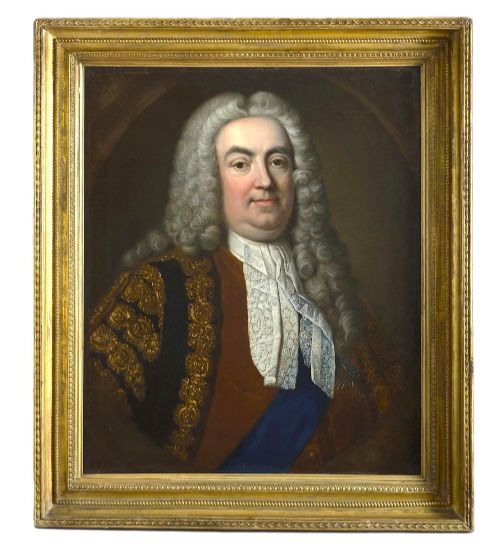
Artists of this period built their compositions using oil paint applied to stretched canvas, frequently supported by wooden stretcher frames. Pigments were worked in layers to achieve depth in garments such as crimson coats, scarlet jackets and lace jabots.
Surrounding many of these paintings are frames fashioned from wood and giltwood, often accented with gold leaf. These frames serve to complement the tonal qualities of the portraits while providing structural protection to the canvas.
Listings span periods from the seventeenth century through the Regency era, utilising oil on canvas, pastel, wood and gold leaf.
Judging the work
The capability of the hand defines the distinction between standard commercial portraiture and masterwork execution. Superior examples demonstrate a precise understanding of facial anatomy, skeletal structure and the play of light across fabric.
The handling of secondary elements, such as hands, lace collars and background drapery, reveals the depth of studio involvement. Works from the direct hand of a recognised master carry greater conviction than those produced by circle members or followers.
Sir William Beechey·Charles Jervas·Jean Baptiste Van Loo·Sir Joshua Reynolds·Thomas Watson·James Howe·Francis Hayman·George Watson·Michael Dahl·Thomas Hudson·John Hamilton Mortimer·Nicolas De Largilliere
The Georgian Male Portrait Art Glossary
- Oil on Canvas
- A traditional painting medium where pigments suspended in oil are applied to a woven canvas support. This technique allowed artists to achieve rich colour saturation and subtle tonal gradations.
- Pastel Portrait
- A work executed using powdered pigment sticks applied directly to paper or canvas. These pieces require protective glazing to prevent the friable pigment from disturbing.
- Giltwood
- Wood carved and finished with a thin layer of gold leaf applied over a prepared gesso ground. This material was standard for framing high-status eighteenth-century artworks.
- Mezzotint
- A printmaking process of the intaglio family where the copper plate is roughened uniformly to produce rich dark tones and subtle gradients. It was frequently utilised to reproduce famous painted portraits.
- Lace Jabot
- A decorative ruffle of lace worn at the throat, characteristic of eighteenth-century male attire. Its intricate depiction often signals the social standing of the sitter.
Georgian Male Portrait Art: Frequently Asked Questions
Who are the subjects in these portraits?
The sitters include identifiable historical figures such as politicians, physicians, admirals and nobility. Many works also portray untitled gentlemen and scholars of the period.
Inscriptions on the reverse or contemporary documentation often preserve the name and profession of the individual depicted.
How do I distinguish eighteenth from nineteenth-century works?
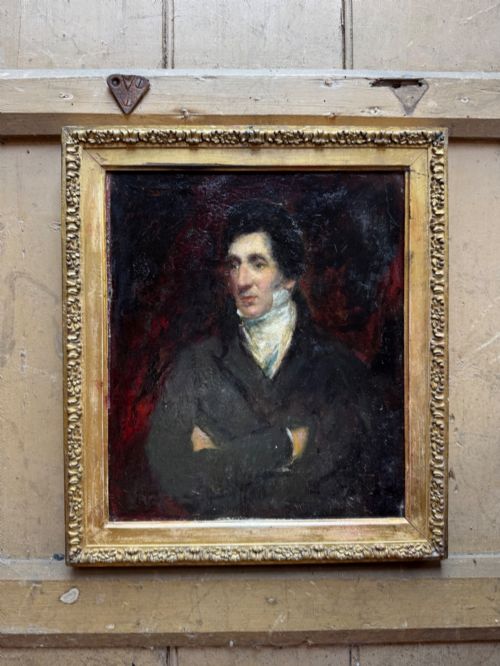
Stylistic cues in clothing, hair and frame construction provide primary dating evidence. Eighteenth-century sitters frequently wear powdered wigs, waistcoats and elaborate coats, whereas Regency subjects show shorter natural hair and high-collared neckwear.
Canvas preparation and stretcher frame construction also evolve visibly between these eras.
What is the difference between studio work and circle pieces?
Works from the studio of an artist were executed by assistants under the direct supervision of the master, often repeating a successful composition. Circle pieces are by artists working in proximity to a master, sharing a similar style without direct instruction.
Both categories differ from autograph works painted entirely by the named master's hand.
How should I care for an antique oil painting?
Display these works away from direct sunlight, high humidity and sudden temperature fluctuations to protect the canvas and paint layer. Gentle dusting with a soft, dry brush is sufficient for routine maintenance.
Professional cleaning and restoration should be left to conservators to avoid damaging the original varnish and pigment.