



1700s Portrait Artwork
These 1700s portrait artwork pieces are centuries-old painted likenesses that bring immediate historic presence and character into any room.
1700s Portrait Artwork
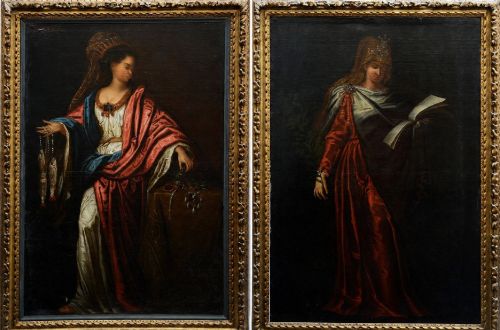
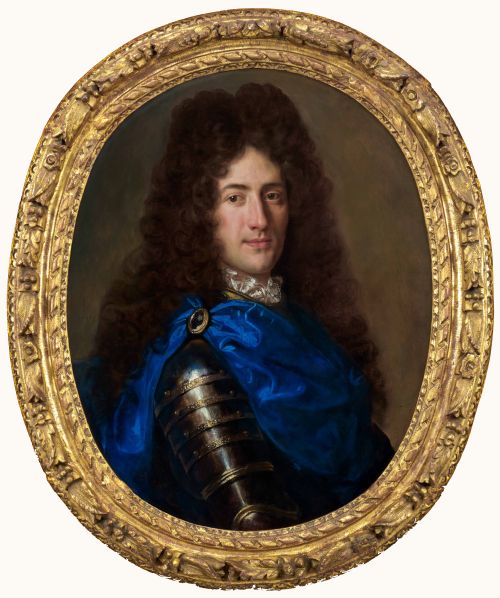
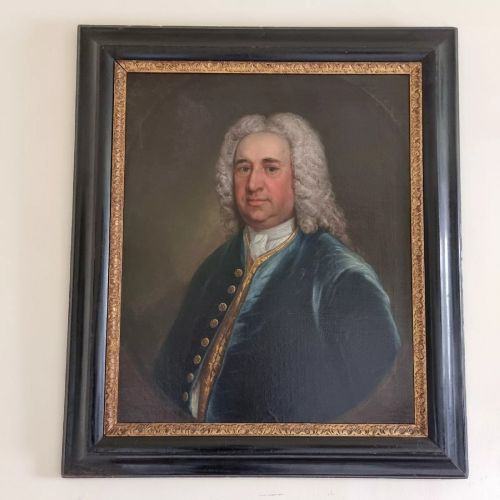
When you search for 1700s portrait artwork, you are looking at oil paintings depicting named or recorded sitters from the eighteenth century and the year 1700. The examples found here range from anonymous gentlemen in armour to specific family members captured by named European and British hands.
The subjects include French school compositions, British gentry, and figures painted as far afield as India. Most pieces sit firmly within the 18th century, with several concentrated around the turn of that century.
These works capture the attire, status, and artistic conventions of early Georgian and Baroque society. They serve as direct visual links to the distant past through oil paint on canvas.
How they were made
These portraits rely fundamentally on oil on canvas as the primary medium for building depth, shadow, and fabric texture. Artists built up layers of pigment to render intricate details such as azure cloaks, diamond clasps, and steel armour.
Many of these canvases sit within period frames constructed from wood and finished with gold leaf or giltwood. The combination of oil paint and carved, gilded wooden surrounds defines the physical construction of these survivals.
Materials recorded across the selection include oil on canvas, giltwood, wood, and gold leaf.
What varies in quality
Quality in 1700s portrait artwork rests on the skill of the brushwork and the sureness with which the sitter's anatomy and expression are rendered. Works from the studio or circle of established painters show differing degrees of masterly control compared to anonymous regional pieces.
The preservation of the original canvas and the integrity of the surrounding giltwood frame also separate examples. Finer pieces retain their original surface texture and framing without heavy later restorations masking the eighteenth-century hand.
Joseph Vivienne·Arthur William Devis·Hans Hysing·Andrea Soldi·Bartholomeus Van Burgindis·Sir Godfrey Kneller
The 1700s Portrait Artwork Glossary
- Baroque
- A flamboyant artistic style of the seventeenth and early eighteenth century characterised by movement and drama. It heavily influences the theatrical drapery and rich lighting found in these portraits.
- Giltwood
- Wood carved and covered with a thin layer of gold leaf or gilt powder. It forms the ornate framing typical of early Georgian wall art.
- Oil on canvas
- A painting medium using pigments suspended in drying oil applied to stretched fabric. This technique allows for subtle blending of skin tones and rich fabrics.
- Circle of
- A term indicating the work of an artist closely associated with a master and working in their exact style. It denotes high competency without direct attribution to the master's own hand.
1700s Portrait Artwork: Frequently Asked Questions
How do I date an 18th-century portrait?
Dating relies on the sitter's clothing, hairstyle, and the technical execution of the oil paint on canvas. Evidence often comes from inscriptions, stylistic comparisons, or records linking the subject to a specific decade.
Many works carry approximate dates around 1700 or specific documented years like 1792, which help anchor the piece within the Georgian period.
Where were these portraits originally hung?
These artworks typically hung in the country houses, town residences, and reception rooms of the European and British elite. They served as expressions of lineage, status, and family history.
Today, they function similarly in domestic interiors, bringing historical depth to living spaces and studies.
What is the difference between studio work and a named artist?
Works by a named master command attention for their direct authorship and individual hand. Pieces from the studio or circle were produced under the master's supervision or by close associates following their methods.
Both categories utilise traditional oil painting techniques of the era, though attribution changes the historical weight of the piece.
How should I care for an old oil painting?
Keep these canvases away from direct sunlight, high humidity, and extreme temperature fluctuations. Stable environmental conditions prevent the oil paint and canvas from cracking.
Dust the giltwood frames gently with a soft, dry brush and avoid using any liquid cleaners on the painted surface.