
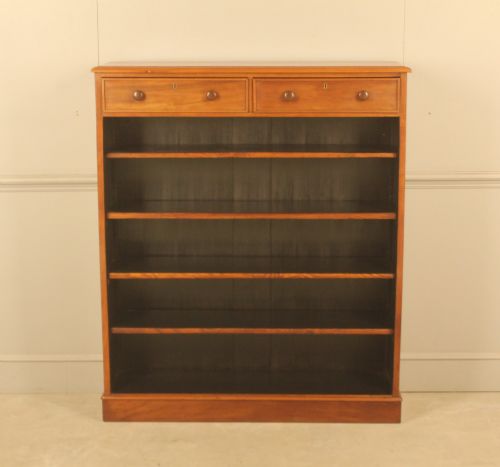


Georgian Mahogany Plinth
A georgian mahogany plinth provides a sturdy, elegant stage for display, bringing rich wood grain and classic proportions to any interior.
Georgian Mahogany Plinth
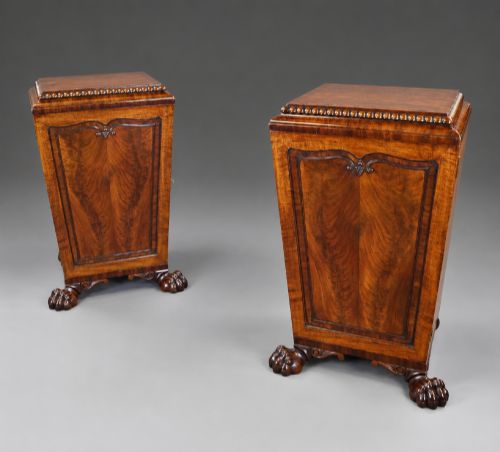
A georgian mahogany plinth stands as a classic architectural support for sculpture, urns, and display items. These timber columns and pedestals elevate decorative objects to eye level, creating a distinct focal point in a room.
Most examples found within these listings date from the nineteenth century, including Victorian interpretations and revival styles such as Chippendale and Regency. They share a heritage of formal display, functioning as architectural fragments brought indoors.
Makers utilised dense timber to construct these stands, resulting in robust forms that range from hexagonal pedestal cabinets to carved column stands. Their primary role remains unchanged across the centuries: to support art with dignity.
How they were made
Makers constructed these pieces using solid mahogany and flame mahogany veneer applied over secondary timbers, achieving deep red-brown tones through polishing. Carpenters turned columns on lathes and joined boxwood stringing or brass mounts to enrich the plain surfaces.
Structural integrity depended on heavy timber frames and stable bases designed to hold substantial weight without tipping. Cabinetmakers applied shellac polishes by hand to build a glossy, reflective surface that protected the wood and highlighted its natural grain patterns.
Listings feature mahogany, brass, glass, leather, and boxwood across Victorian, Georgian, and Regency periods.
What varies in quality
The distinction between standard utility stands and finer exhibition pieces lies in the selection of timber and the precision of the carving. Flame mahogany veneer with strong, undulating figures commands greater attention than plain, straight-grained wood.
Execution of detail separates workshop output, seen in the crispness of carved columns, the tightness of mitre joints, and the integration of brass fittings. Superior construction ensures the top surface remains level and capable of bearing heavy weights securely.
Mawer & Stephenson
The Georgian Mahogany Plinth Glossary
- Mahogany
- A durable tropical timber known for its deep reddish-brown colour and fine grain. It became the dominant wood for British fine furniture from the eighteenth century onwards.
- Flame mahogany veneer
- A thin slice of timber cut from the point where a branch joins the main trunk, producing a fiery, symmetrical pattern. Cabinetmakers laid this over stable secondary woods to decorate prominent surfaces.
- Pedestal
- A structural support or base that elevates a statue, urn, or column. In interior decoration, it acts as an independent display stand.
- Boxwood
- A dense, pale yellow wood frequently used for delicate inlay and stringing lines on darker cabinet surfaces. It provides a sharp visual contrast against mahogany.
- Regency
- A style period spanning the early nineteenth century characterised by neoclassical restraint and classical architectural motifs. Furniture from this era often incorporates columns and brass mounts inspired by antiquity.
Georgian Mahogany Plinth: Frequently Asked Questions
What was a plinth used for originally?
These timber stands served primarily to elevate sculpture, large vases, and ornamental urns within formal reception rooms. By raising the object, makers ensured it caught the light and commanded attention away from floor level.
Over time, wealthy households utilised them in libraries and entrance halls as architectural statements. Their solid construction allowed them to bear significant weight safely.
How do I care for a mahogany stand?
Keep the timber away from direct sunlight and strong heat sources to prevent the wood from drying out and the polish from fading. Regular dusting with a dry, soft cloth maintains the natural sheen of the shellac finish.
Avoid placing damp items or unsealed pottery directly on the surface to protect the timber and veneer from water rings. Apply a mild beeswax occasionally if the surface appears dry.
How do I distinguish a genuine period piece?
Examine the timber underneath and inside for tool marks, hand-cut joints, and the natural oxidation that occurs over long periods. Older pieces display minor irregularities in the wood grain and construction that machine-made reproductions lack.
Review the polish type and the wear patterns around the base where shoes or cleaning implements might make contact. Consistency in materials and construction methods points directly to the period of origin.