

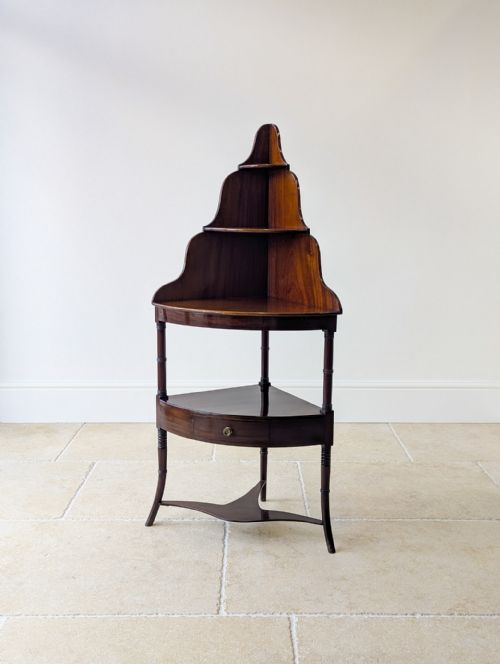
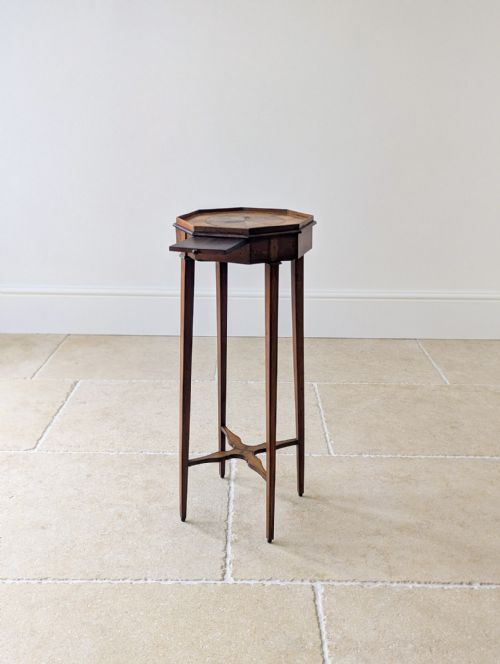
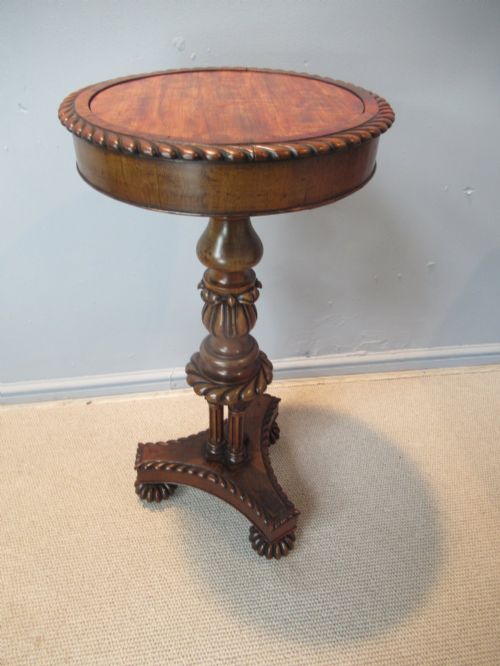
Georgian Mahogany Plant Stand
A georgian mahogany plant stand holds tall foliage or light fittings with slender dignity, offering timber rich in grain and deep in colour for the corner of a room.
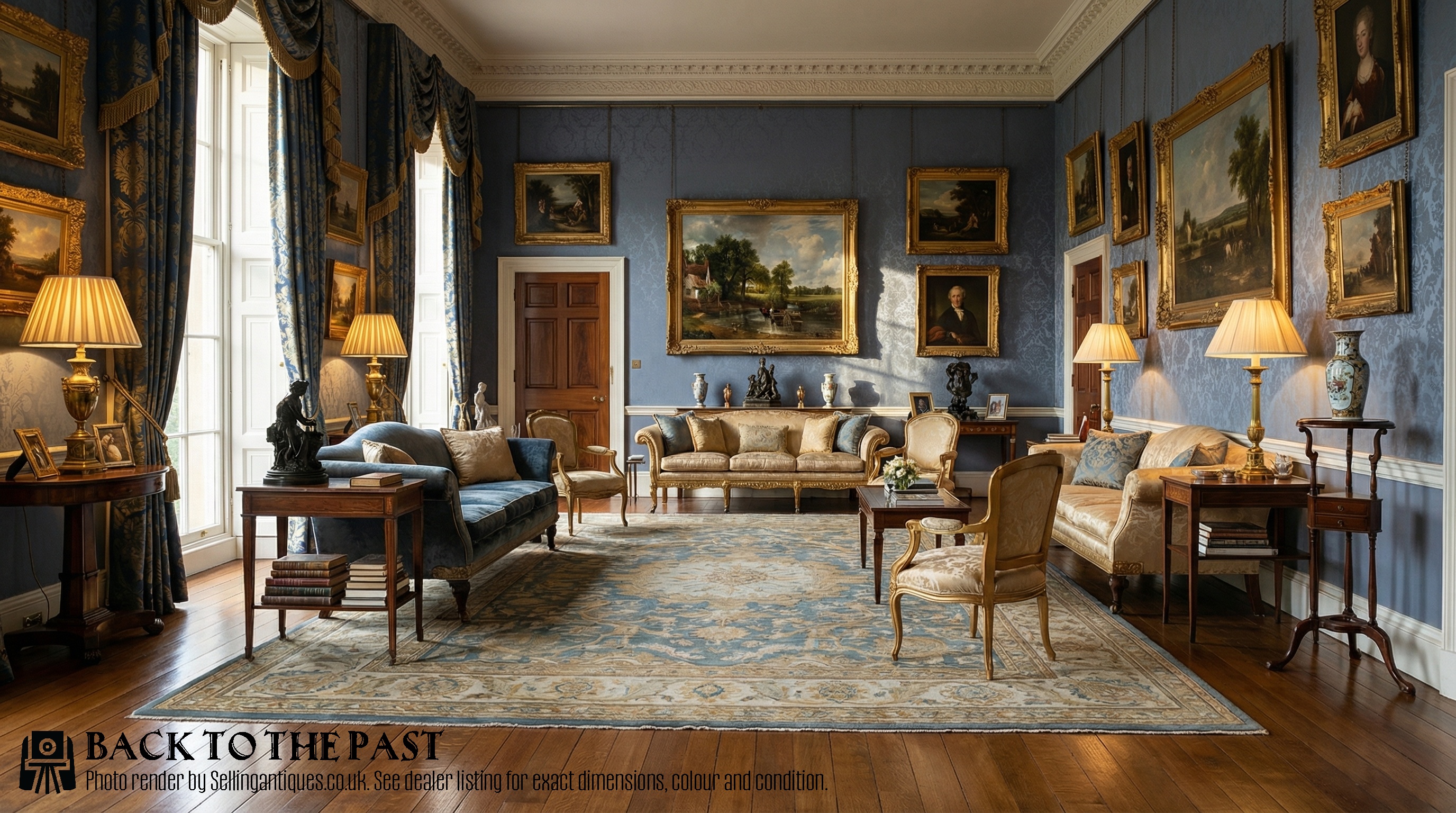
Georgian Mahogany Plant Stand
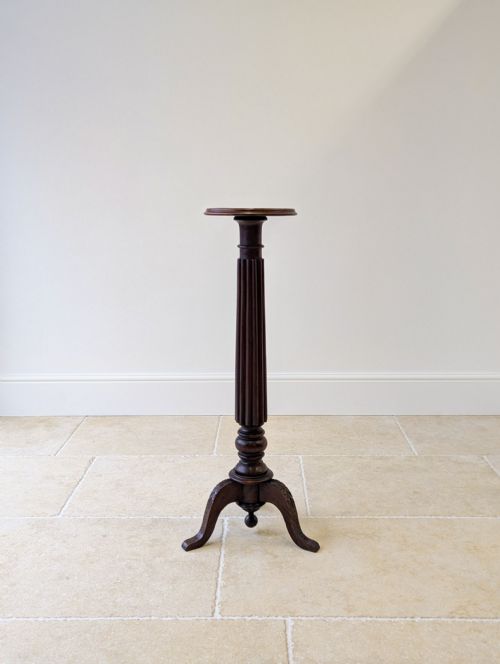
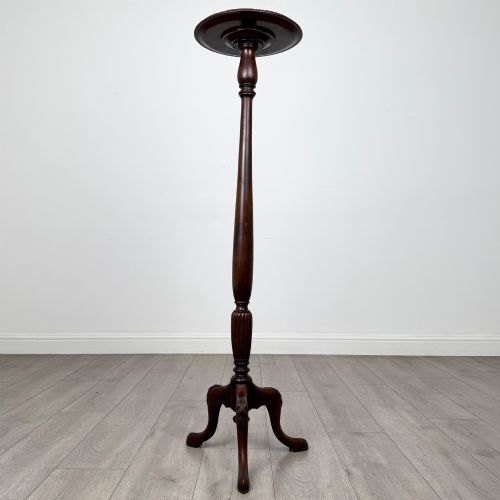
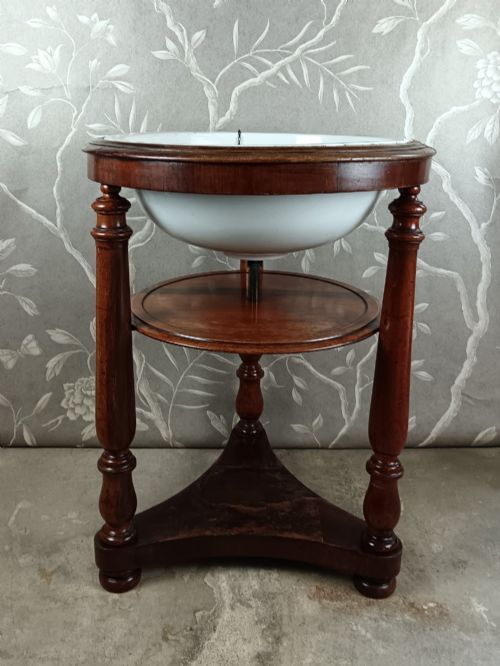
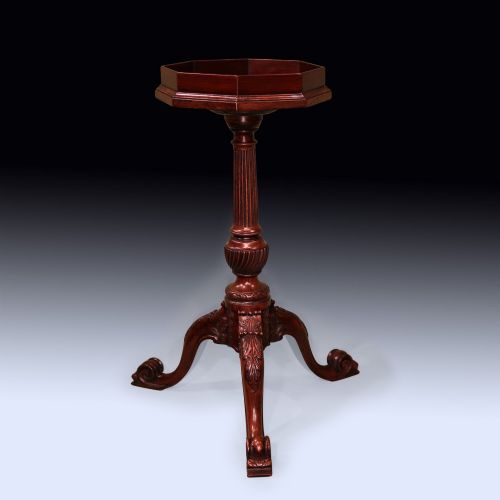
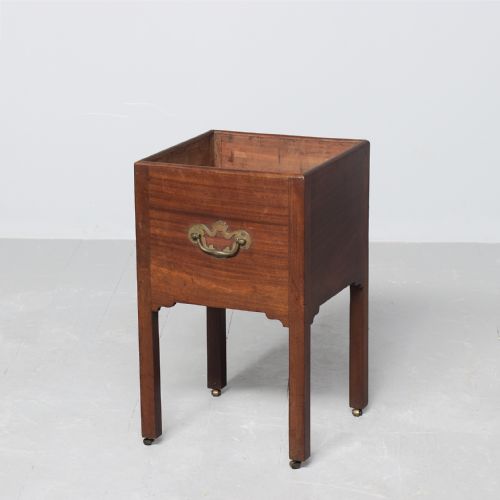
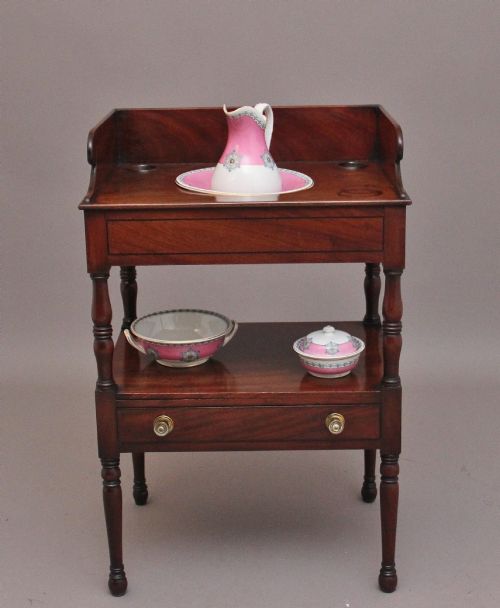
A georgian mahogany plant stand brings upright timber height to domestic interiors, serving as a display point for pots, vases, or lamps. When exploring this selection, buyers frequently encounter related forms such as torcheres, urn stands, kettlestands, and washstands that share the same elevated timber structure.
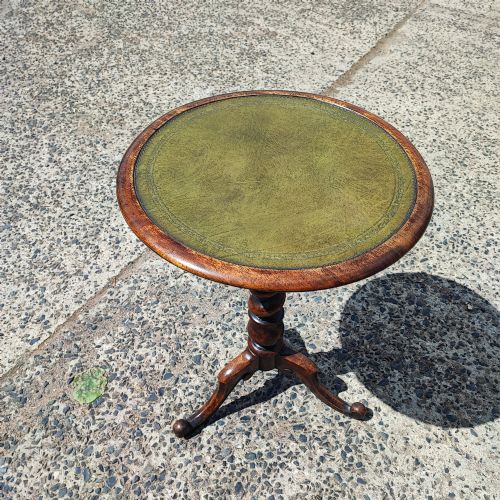
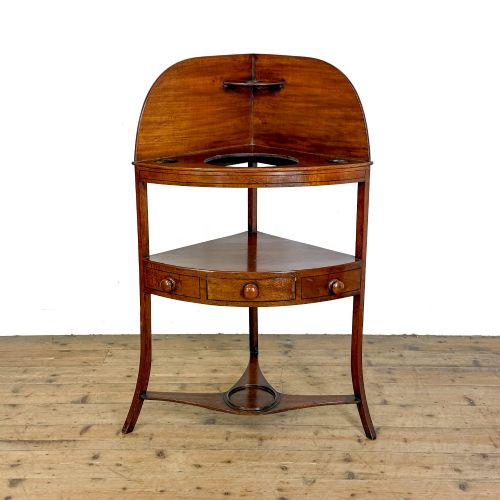
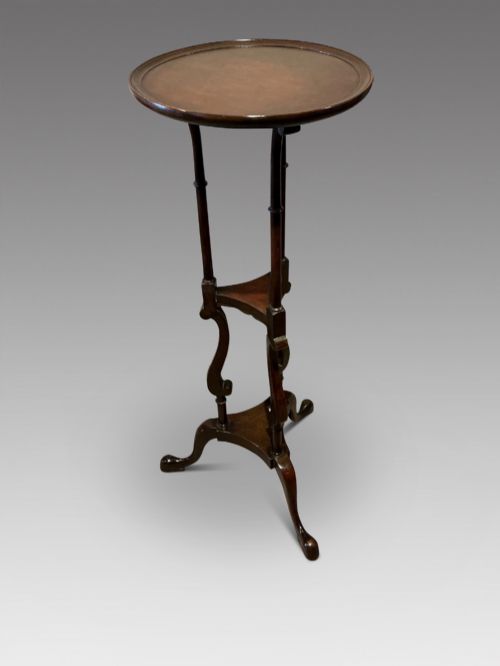
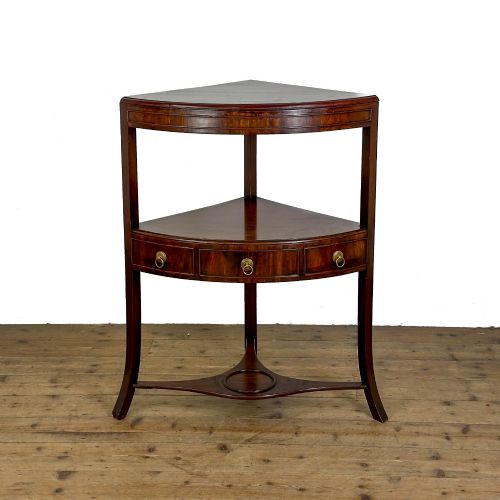
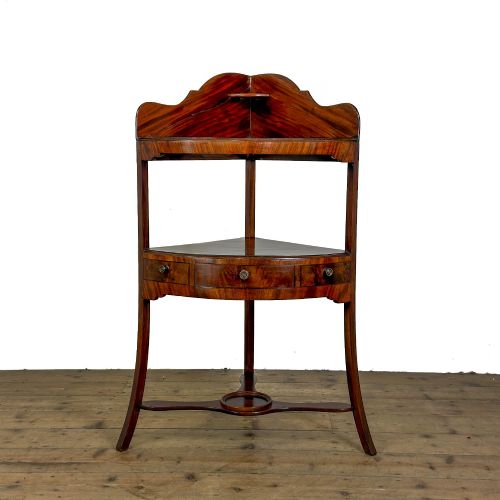
The pieces span authentic 18th century Georgian periods through to later revival interpretations from the Victorian, Edwardian, and early 20th century eras. These variations include slender tripod tables, corner washstands adapted for display, and tall multi-tiered columns designed to hold botanical specimens or heavy candleholders.
Makers and cabinetmakers built these stands with specific spatial roles in mind, fitting them snugly into corners or standing them freely beside seating. The fundamental purpose remains the display of objects at eye level, utilising timber surfaces shaped by period joinery traditions.
How they were made
Cabinetmakers built these stands primarily using solid mahogany and mahogany veneers, sometimes enhanced with delicate satinwood inlay or brass banding. The construction relies on sturdy tripod bases, slender turned pedestals, and carefully joined circular or octagonal tops.
Joints were pegged or mortised by hand, giving the tall columns and slender legs the strength to support heavy ceramic pots or metal vessels without wobbling. Surfaces were finished with polishes that brought out the deep reddish-brown grain of the timber.
Listings feature mahogany timber combined with satinwood inlay, brass fittings, and ceramic elements across Georgian and later revival periods.
What varies in quality
Quality rests in the crispness of the carved details on the legs and pillars, from simple reeding to elaborate acanthus leaves or Chinese Chippendale fretwork. Finer examples display superior timber selection with rich, highly figured grain patterns that remain stable across the tabletop.
The overall proportion and balance distinguish standard workshop items from exceptional cabinetwork. A superior stand maintains absolute vertical alignment in its central pillar and firm, tight joints where the legs meet the shaft.
The Georgian Mahogany Plant Stand Glossary
- Torchere
- A tall, slender stand designed originally to hold a candle or torch, now frequently used for plants or lamps. These pieces emphasise vertical height over surface area.
- Urn stand
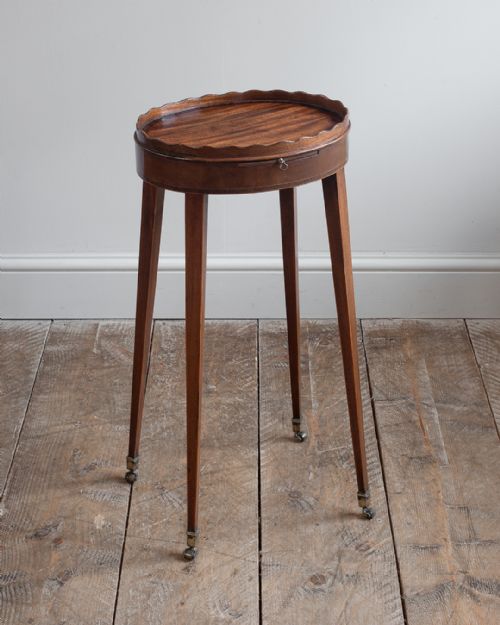
- A small, often square or oval table built to elevate a tea urn, now utilised for botanical displays. They frequently feature pull-out slides or raised galleried edges.
- Tripod table
- A small occasional table supported by three legs radiating from a central pillar. This design provides stable footing on uneven historical floorboards.
- Kettlestand
- A compact table designed to hold a hot water kettle during tea service. Their diminutive tops and sturdy frames make them ideal for modern plant display.
- Jardiniere
- A decorative pot or stand intended for holding plants and flowers. In timber pieces, this often includes a waterproof liner or a brass-bound bucket top.
Georgian Mahogany Plant Stand: Frequently Asked Questions
What is a torchere plant stand?
A torchere plant stand is a tall, narrow pedestal originally made to hold a light source and now used to elevate botanical displays.
These pieces use minimal floor space while drawing the eye upward through slender turned columns and decorative wooden bases.
How do I use a corner washstand?
A corner washstand fits neatly into room angles, providing a tiered wooden surface that holds trailing plants or decorative items.
Originally built for personal hygiene with basins and ewers, their triangular profiles make practical plant stands in compact rooms.
How do I date a mahogany stand?
Dating involves examining the timber grain, construction techniques, and stylistic cues such as tripod leg curvature or inlay patterns.
Earlier pieces show hand-cut joinery and dense, heavy mahogany, while revival pieces from later centuries adopt standard machine-made precision.
Are these stands stable for heavy pots?
Most stands with tripod bases provide reliable balance, though weight distribution depends on the width of the leg spread.
Heavier ceramic containers require sturdy 18th century or substantial Victorian frames to prevent tipping on carpeted or uneven floors.