


Georgian Mahogany Figure Pedestal
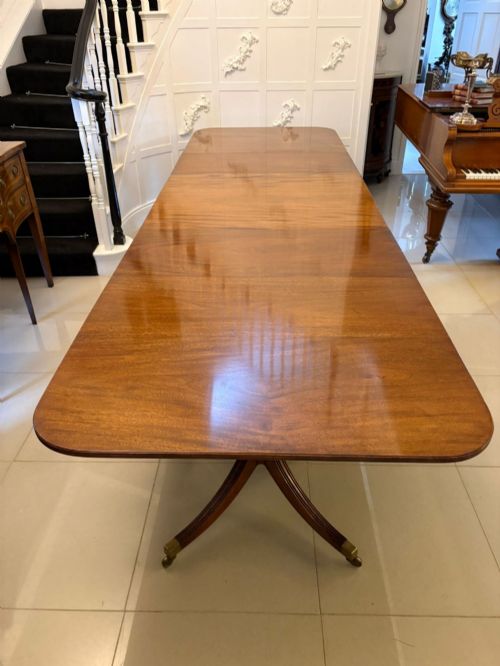
A georgian mahogany figure pedestal brings rich timber grain and architectural presence into a room, most commonly found here as large multi-pillar dining tables.
Georgian Mahogany Figure Pedestal
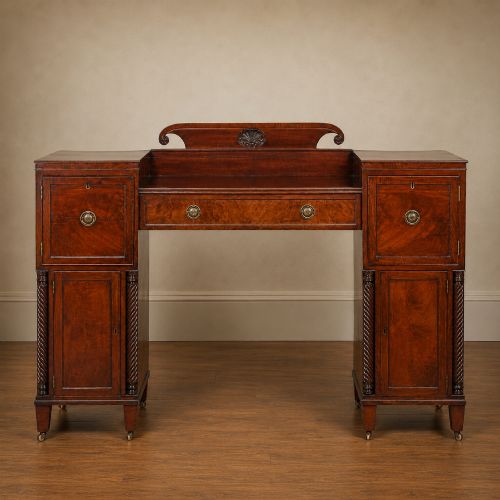
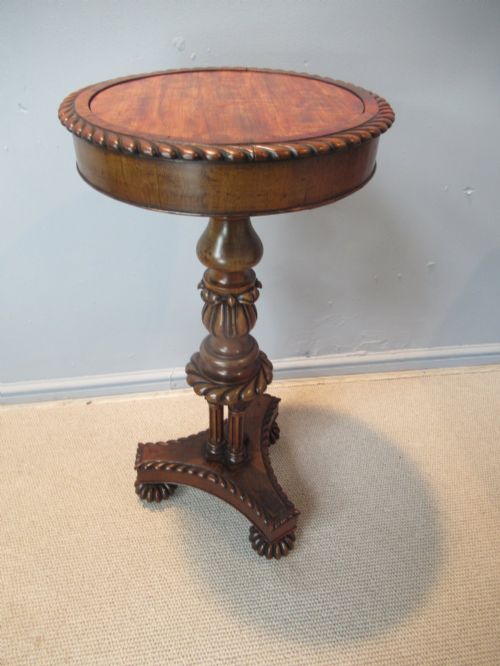
When searching for a georgian mahogany figure pedestal, you encounter substantial dining furniture and serving pieces originating primarily from the Georgian, Regency, and William IV periods. The selection focuses heavily on extending dining tables supported by multiple timber pillars, alongside sideboards, console tables, and plant or figure stands.
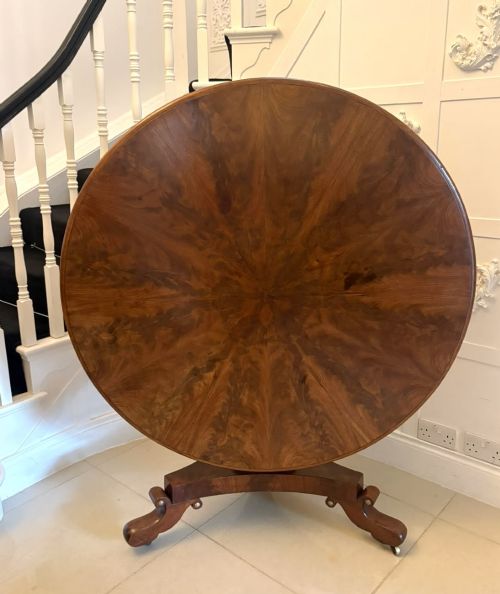
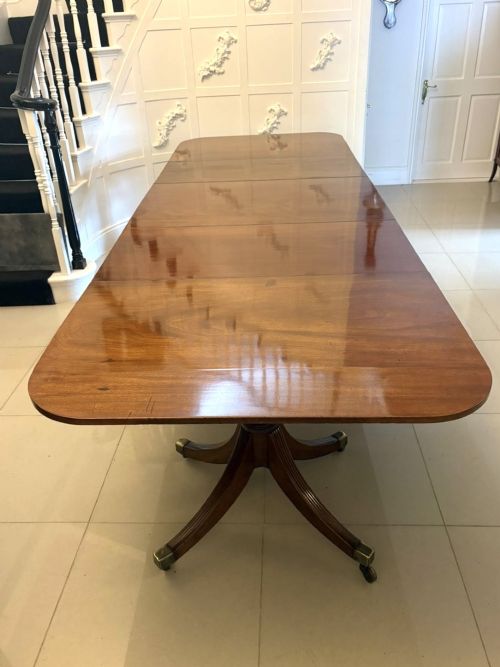
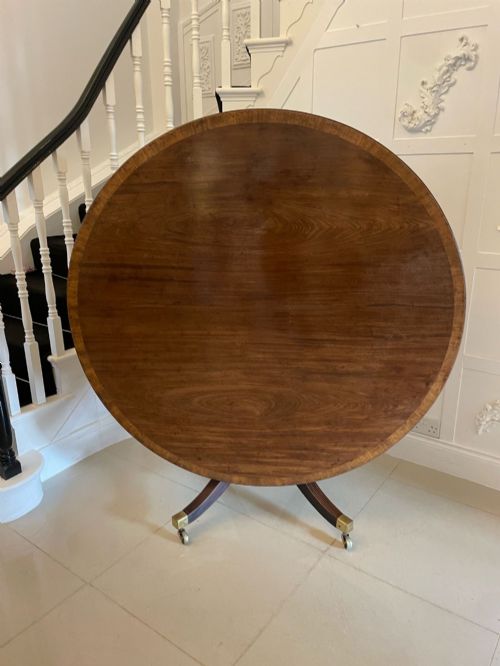
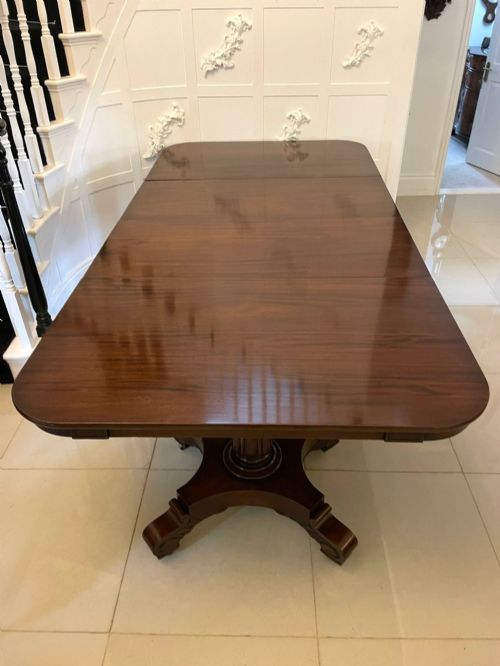
The version you meet most often on this page is the multi-pillar dining table designed to seat anywhere from six to eighteen guests. These tables utilise figured mahogany timber, frequently paired with tilt-top mechanisms, brass mounts, or boxwood stringing depending on the specific maker's workshop and the decade of production.
How they were made
Cabinet makers constructed these pieces using solid mahogany and flame mahogany veneers applied over secondary framing timbers to create striking grain patterns across large surfaces like table tops and sideboard doors. Carpenters selected timber for its natural figure, often accentuating the grain through careful polishing and French polishing techniques.
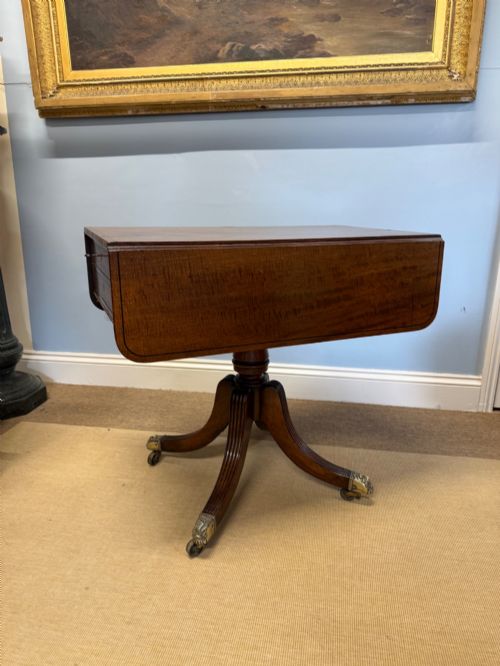
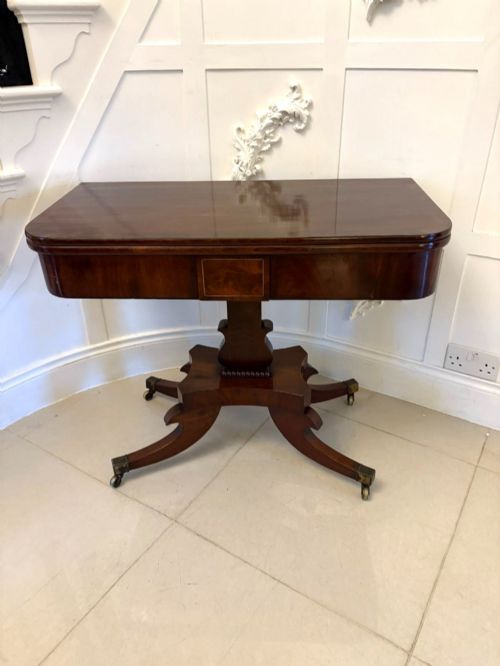
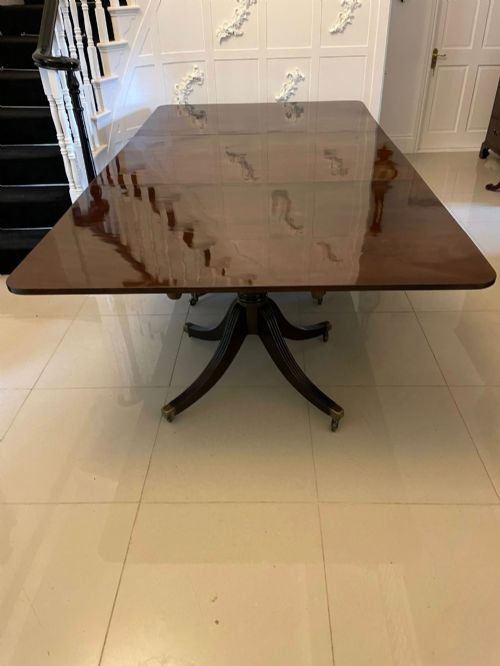
Structural elements incorporated brass fittings, leather inserts, and boxwood details to finish surfaces and mounting points. Pillar supports and pedestals relied on heavy turned timber shafts resting on splayed legs fitted with brass castors to manage the substantial weight of extended dining surfaces.
Listings feature dining tables spanning six to eighteen seats, supported by up to three mahogany pillars.
What varies in quality
The distinction between tiers of quality rests upon the selection of timber veneers and the crispness of carved details across the pillars and pedestals. Superior pieces display vibrant flame mahogany figures matched symmetrically across leaves, while simpler examples utilise plainer grain cuts with minimal embellishment.
Construction methods also separate standard production from superior workshops, visible in the stability of pillar joints, the integration of original brass castors, and the handling of secondary woods. Tables with documented pillar configurations and harmonious proportions command attention through balanced engineering rather than surface decoration alone.
The Georgian Mahogany Figure Pedestal Glossary
- Figured mahogany
- Timber selected for distinctive, rippled, or flame-like grain patterns that create visual depth when polished. This wood forms the primary surface aesthetic across the listed tables and sideboards.
- Tilt-top
- A hinged table mechanism allowing the top to pivot vertically for storage against a wall when not in use. This construction is common among circular and breakfast tables.
- Pillar
- A central turned or carved vertical timber support carrying the weight of a large table top. Multiple pillars stabilise extended dining surfaces seating twelve or more guests.
- Flame mahogany veneer
- A thin slice of timber cut from the fork of the mahogany tree to produce a flickering, fiery grain pattern. Craftsmen laid these veneers symmetrically over stable base woods.
- Boxwood
- A pale, dense hardwood utilised for fine stringing inlay and contrasting geometric borders on table edges. This material provides sharp visual lines against dark mahogany surfaces.
Georgian Mahogany Figure Pedestal: Frequently Asked Questions
How do I seat twelve people?
Multi-pillar dining tables utilise two or three separate pedestal bases linked with drop-in leaves to extend the surface length. This modular construction allows you to adjust the table size for intimate dinners or large gatherings.
Ensure your dining room has adequate clearance around the perimeter once fully extended so guests can move comfortably past the chair lines and pedestal bases.
How do I identify a Regency piece?
Regency items typically date from the early nineteenth century and often incorporate classical architectural motifs, gilded brass mounts, and robust pedestal supports. The timber selection emphasises highly figured mahogany veneers paired with dark patination.
Examine the secondary woods beneath tabletops and inside drawer linings, as Georgian and Regency workshops relied on native hardwoods like oak and pine for internal framing.
Where should I place a pedestal sideboard?
Pedestal sideboards and serving pieces require a dedicated wall space where their long proportions and figured timber grain can be appreciated without obstruction. They function well in traditional dining rooms for serving food or storing table linen.
Keep these items away from direct heat sources and strong sunlight to protect the fragile mahogany veneers and historic polish from drying out or fading over time.