
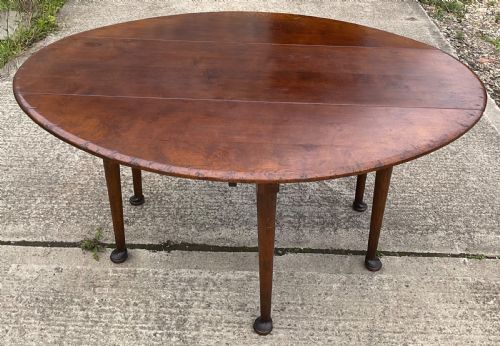


Georgian Mahogany Dropleaf
A georgian mahogany dropleaf provides a practical surface that folds away neatly when floor space matters.
Georgian Mahogany Dropleaf
When searching for a georgian mahogany dropleaf, a buyer looks at versatile tables designed to expand for dining or working and contract against a wall when not in use. These pieces appear in forms ranging from compact occasional tables and Pembroke tables to large dining tables intended to seat several guests.
The selection on this page centres primarily on pieces originating from the eighteenth and nineteenth centuries, alongside later Georgian style revivals. Forms include pedestal bases, gateleg supports, and side tables fitted with drawers.
How they were made
Cabinet makers utilised solid timber and veneer mahogany, often supported by secondary woods, to construct tops that hinged smoothly along the drop leaves. Brass hardware, iron fittings, and delicate wood inlays including boxwood and satinwood completed the construction.
Joinery techniques such as gateleg framing and pedestal mountings allowed the hinged flaps to remain stable and bear weight when extended.
Many a historical breakfast was hastily cleared as a wobbling leaf betrayed an over-enthusiastic elbow.
What varies in quality
The standard of a georgian mahogany dropleaf depends on the choice of timber grain, the crispness of any inlay work, and the structural integrity of the folding mechanism. Superior examples display carefully matched veneer patterns and robust hinge fittings that operate smoothly without sagging leaves.
Proportions also distinguish the execution, where refined smaller tables or substantial dining versions demonstrate balanced design and careful attention to the turning of legs and pedestals.
The Georgian Mahogany Dropleaf Glossary
- Pembroke table
- A small rectangular table featuring two hinged drop leaves on opposing sides, often equipped with a single drawer. This form served various domestic purposes from breakfast to writing.
- Gateleg table
- A table with hinged leaves supported by legs that swing outward like a gate to hold the flaps. This design provides sturdy under-support for large dining surfaces.
- Cross-banding
- A decorative border of veneer laid around the perimeter of a tabletop with the wood grain running perpendicular to the centre. It creates a neat visual frame on mahogany surfaces.
- Satinwood
- A pale, lustrous exotic timber utilised for contrasting inlay work and stringing on eighteenth-century furniture. Cabinet makers used it to highlight borders and central medallions.
- Pad foot
- A simple rounded foot resting flat on the floor at the base of a cabriole or straight leg. This foot type appears frequently on mid-eighteenth-century tables.
Georgian Mahogany Dropleaf: Frequently Asked Questions
How did people use dropleaf tables?
These tables served primarily as flexible furniture for dining, writing, or needlework in parlours and dining rooms. Dropped leaves allowed families to push the furniture against a wall to clear floor space during the day.
When visitors arrived or meals were served, the leaves lifted upward to accommodate extra guests without requiring a permanently large table in the room.
How do I tell an eighteenth-century table from a later revival?
Examination of the timber density, hand-cut joinery, and the wear patterns on the underside usually reveals the age of the piece. Eighteenth-century examples display construction methods appropriate to the period, such as hand-cut tenons and older fastener types.
Later nineteenth-century and twentieth-century revivals often utilise more uniform machine-sawn components and different secondary woods beneath the mahogany surfaces.
Will a dropleaf table work in a modern dining room?
A dropleaf table fits well into contemporary spaces because it adapts easily to different room sizes and seating requirements. The folding flaps allow the table to function as a side console on normal days and extend fully for dinner parties.
Placing the table away from direct heat sources and sunlight protects the mahogany surface and the hinged joints from movement over time.