
Georgian Lowboy Desk
A georgian lowboy desk is a compact, elegant table with drawers, designed for writing or grooming, prized for its versatile proportions and historic character.
Georgian Lowboy Desk
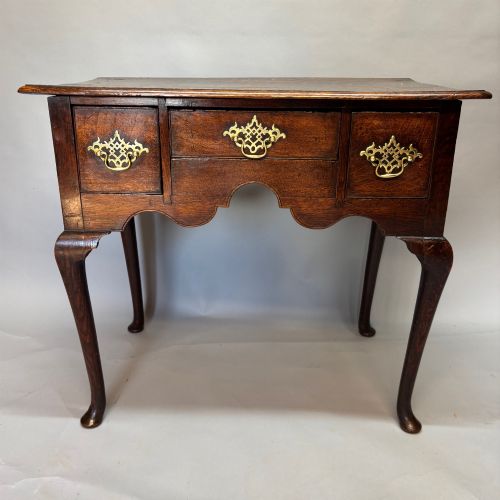
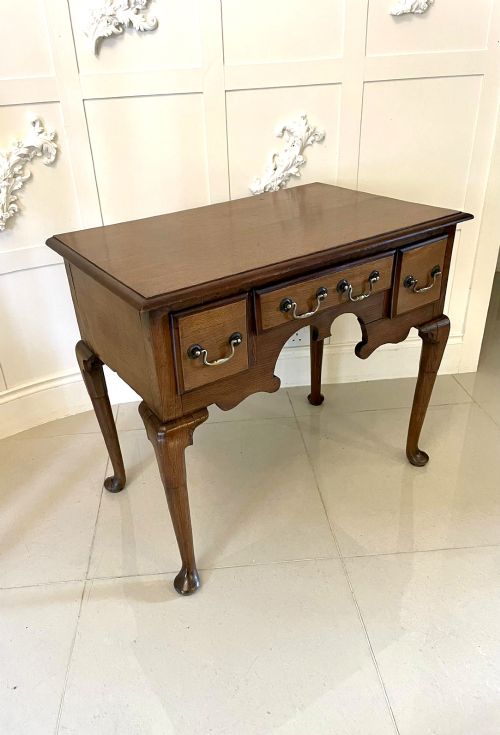
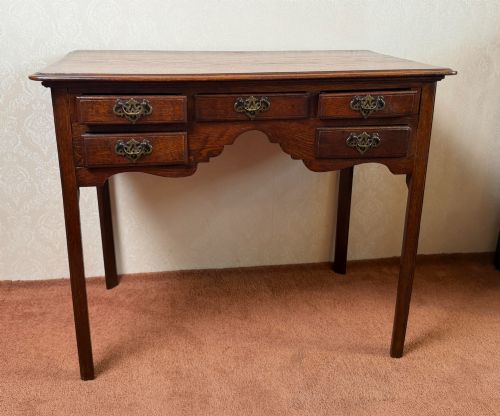
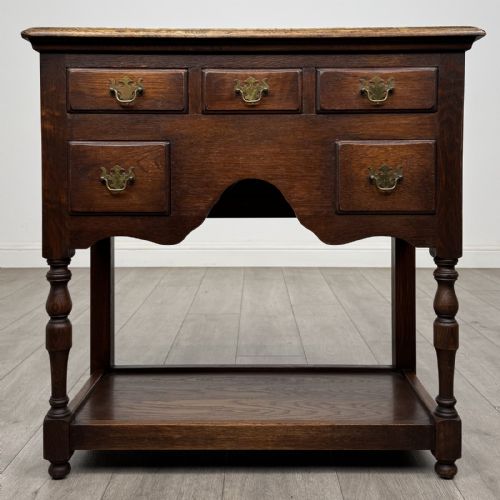
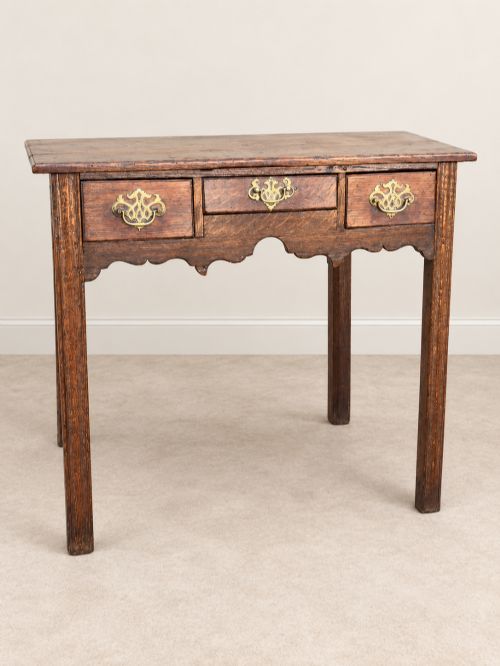
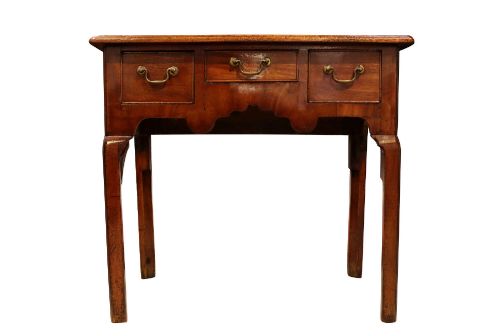
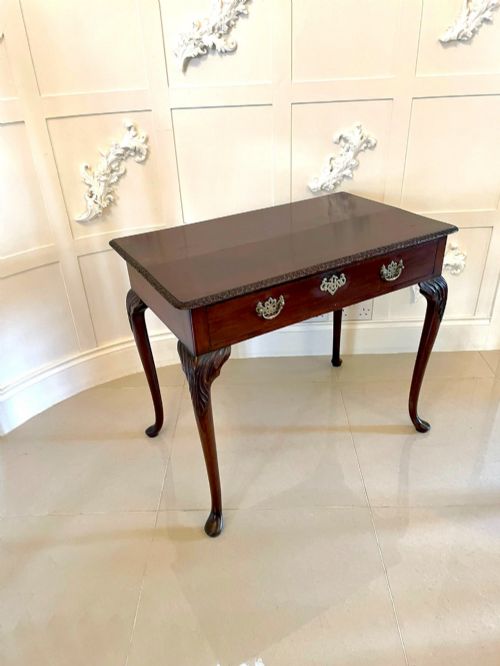
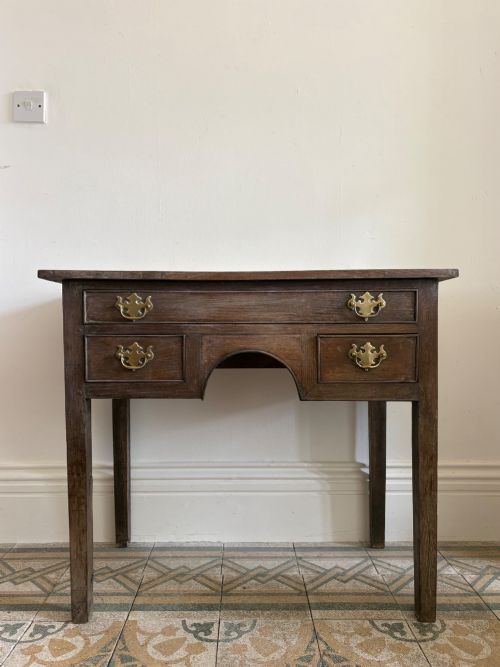
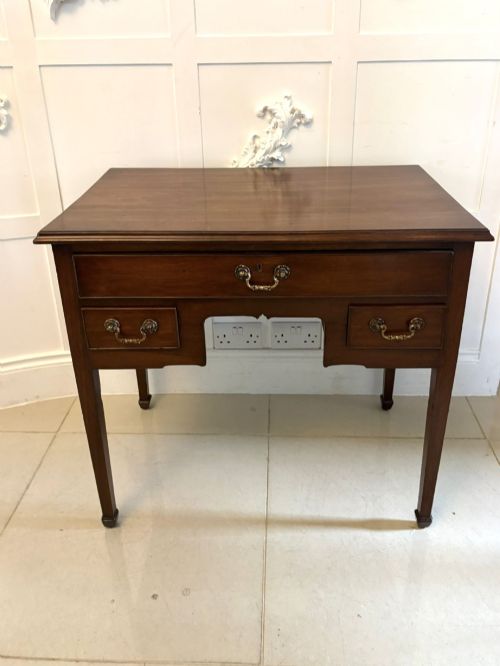
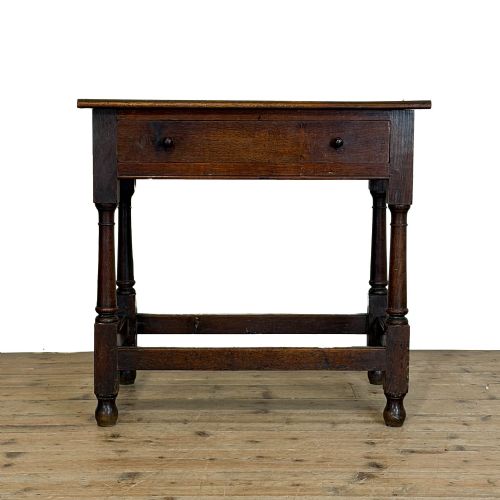
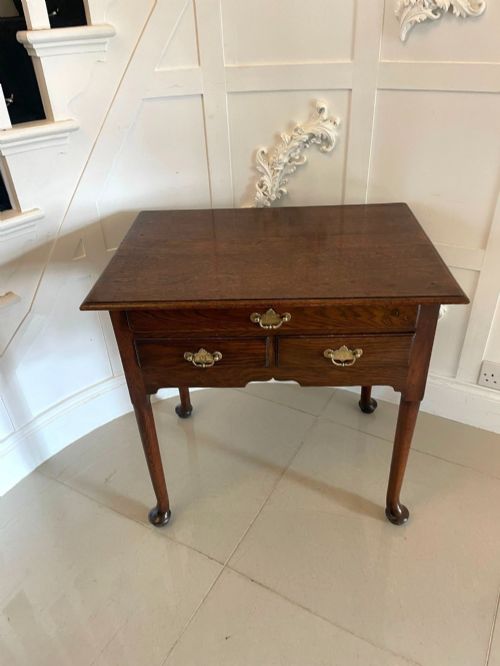
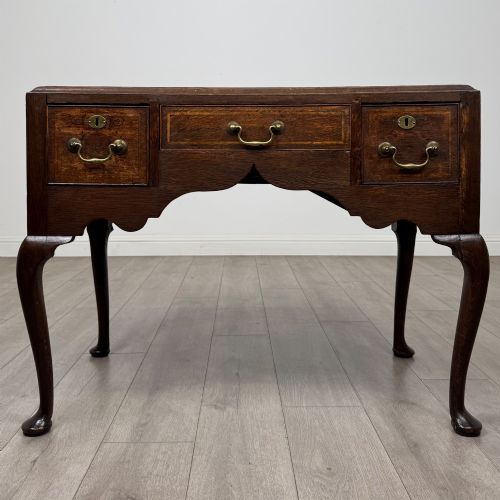
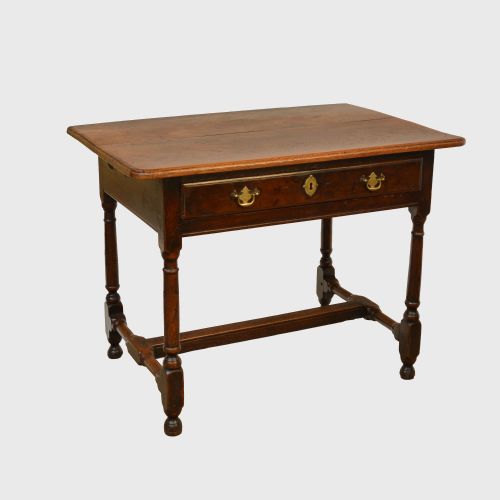
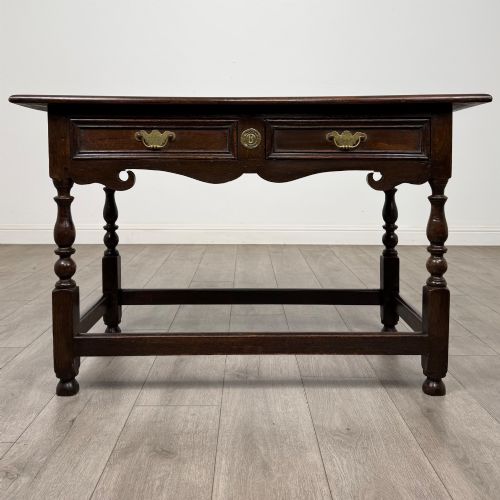
A georgian lowboy desk functions as a small dressing table, writing surface, or side table with integrated drawers beneath the top. Most examples on this page date from the eighteenth century, spanning the George I, George II, and George III periods, alongside later revival pieces.
Materials and construction
Cabinet makers utilised dense hardwoods such as oak, mahogany, and walnut, often selecting figured burr veneers, elm, yew, and fruitwood for decorative surfaces. These timbers were shaped into planked tops, drawer linings, and turned or cabriole legs.
Joinery techniques relied on dovetailed drawer construction and mortise and tenon frames, paired with brass drop handles and escutcheons. Regional pieces show simpler country oak construction, while metropolitan examples employ intricate walnut veneers and crossbanding.
Many lowboys moonlighted as dressing tables where gentlemen powdered their wigs before breakfast.
Assessing quality and proportion
Quality rests in the choice of timber figure, such as richly grained burr walnut or figured mahogany, and the crispness of the joinery. Superior examples maintain original brass hardware, uncompromised drawer linings, and harmonious proportions between the depth of the body and the height of the legs.
Finer lowboys display subtle details like shaped aprons, carved cabriole knees, and tidy dovetailing that remain crisp over centuries of use. Later twentieth-century interpretations, while practical, lack the patination and depth of timber colour found on eighteenth-century originals.
The Georgian Lowboy Desk Glossary
- Lowboy
- A small British table with one or more tiers of drawers, originating in the late seventeenth century. These tables served various domestic functions from dressing to writing.
- Cabriole leg
- A furniture leg that curves outward at the knee and tapers inward toward the foot, inspired by animal limbs. This style is frequently seen on early eighteenth-century walnut and mahogany pieces.
- Crossbanding
- A narrow strip of veneer laid around the border of a table top or drawer front with the grain running perpendicular to the centre. It creates a neat decorative frame on high-status surfaces.
- Escutcheon
- A protective plate surrounding the keyhole of a drawer or cabinet door. They are typically cast in brass and match the drop handles of the period.
Georgian Lowboy Desk: Frequently Asked Questions
What was a lowboy used for?
A lowboy served multiple domestic roles including a dressing table for grooming, a side table for serving, or a compact desk for correspondence.
Their versatile size allowed them to sit comfortably in bedrooms, hallways, and reception rooms without dominating the space.
How do I tell George II from George III pieces?
George II pieces often feature prominent cabriole legs, pad or club feet, and rich walnut or oak timbers with curved aprons.
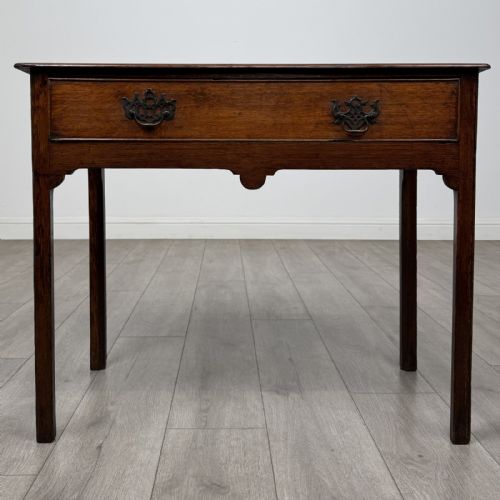
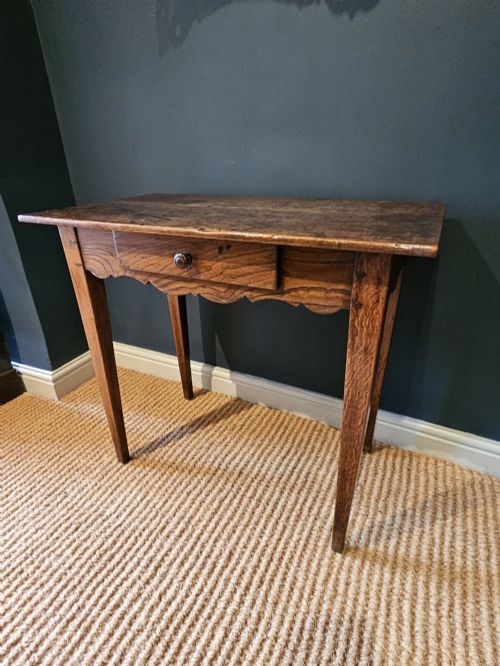
George III examples typically transition towards straighter, square or tapered legs, cleaner lines, and frequent use of mahogany.
Are walnut and oak lowboys different in style?
Walnut lowboys usually display finer veneers, crossbanding, and sophisticated curves typical of early eighteenth-century high-style cabinet making.
Oak examples often reflect sturdier country construction, featuring solid planked tops and simpler, robust framing.
How do I care for an antique lowboy?
Keep wooden furniture away from direct sunlight and sudden temperature shifts to prevent timber shrinkage and veneer lifting.
Apply traditional beeswax occasionally to nourish the grain and preserve the historic surface patination.