
Georgian Lady Wall Art
Georgian lady wall art brings historical portraiture into modern rooms, offering intimate painted and printed likenesses of women from past centuries.
Georgian Lady Wall Art
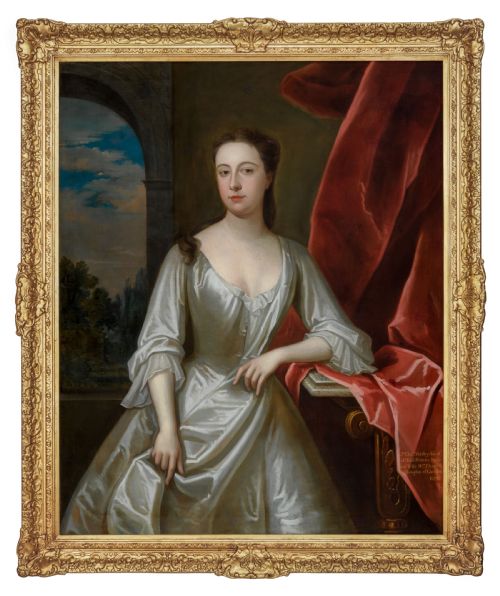
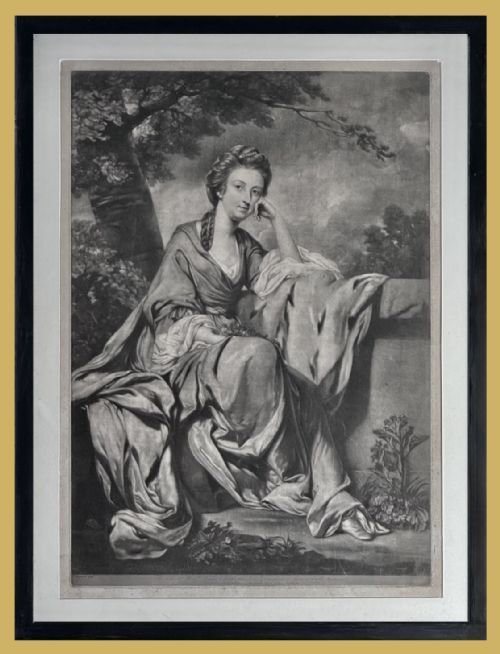
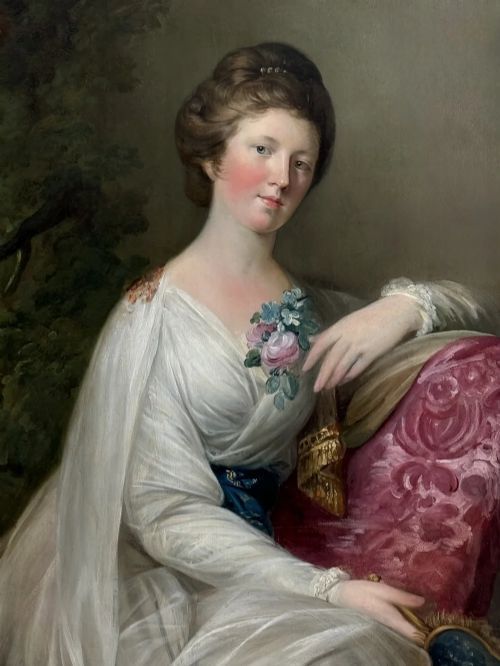
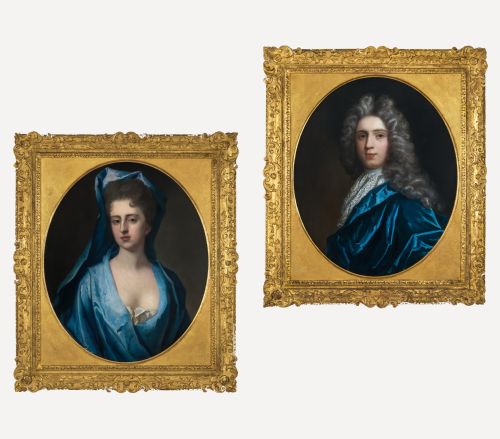
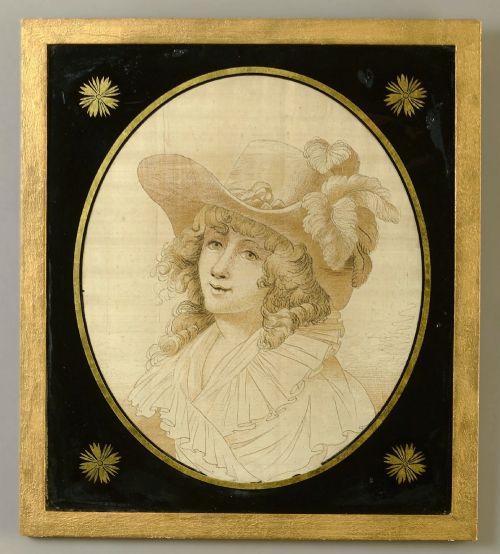
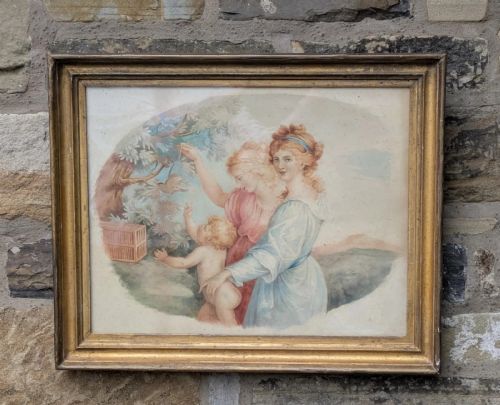
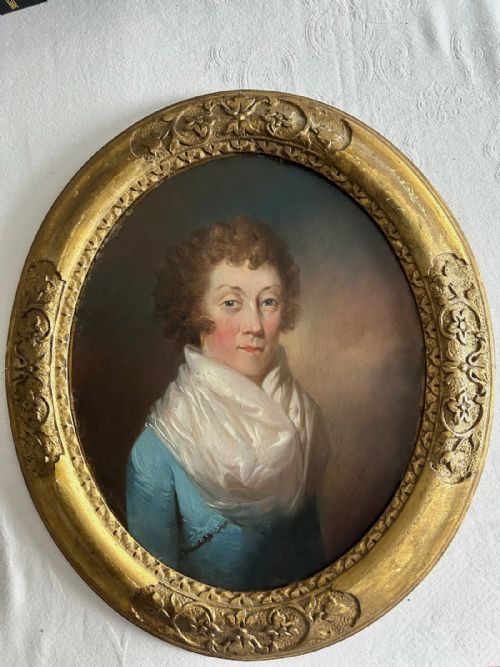
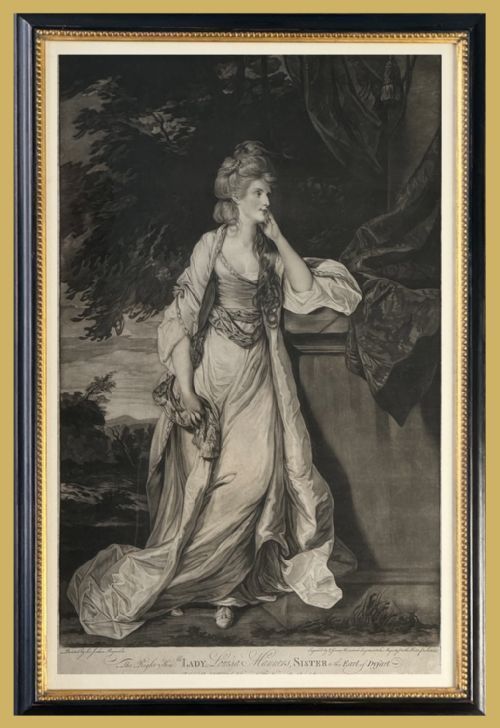
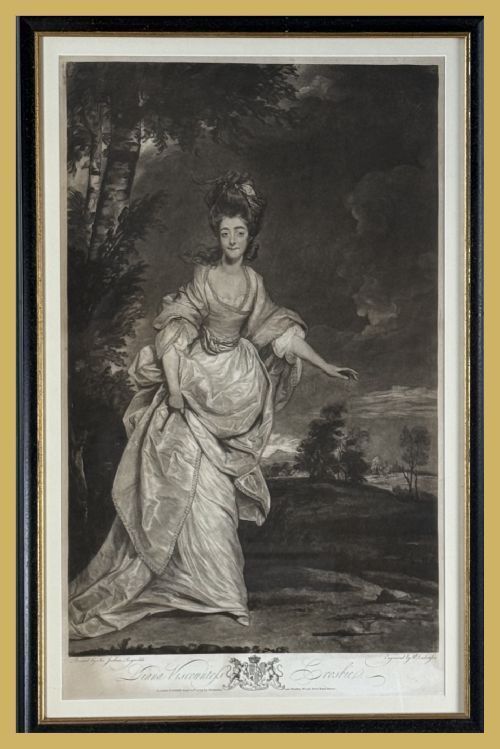
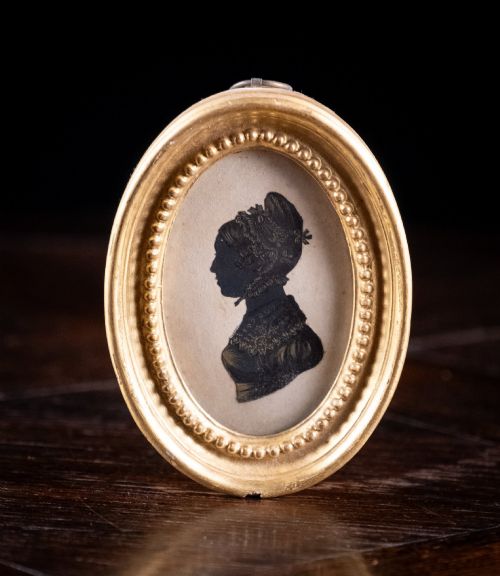
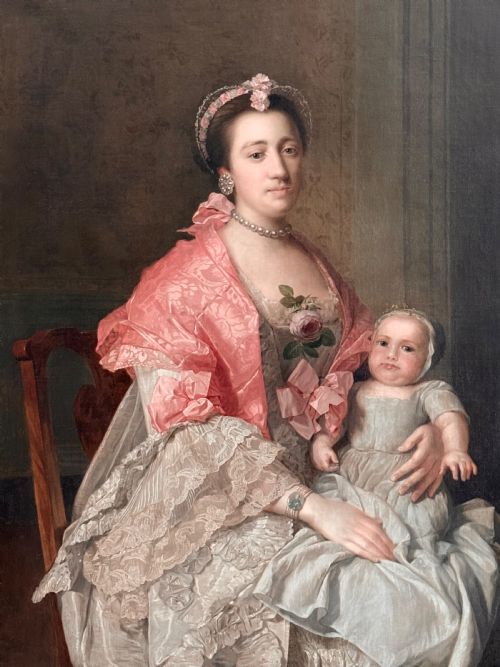
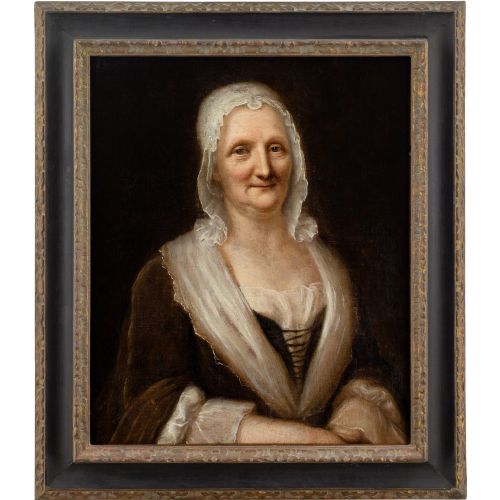
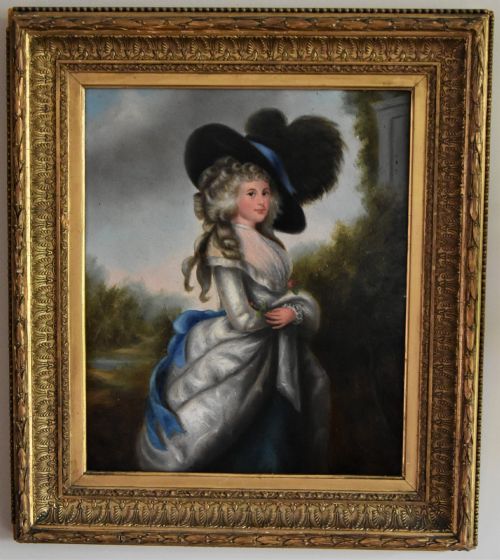
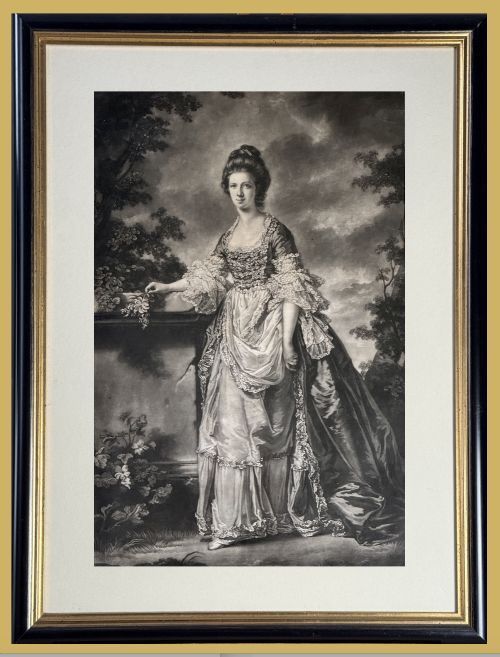
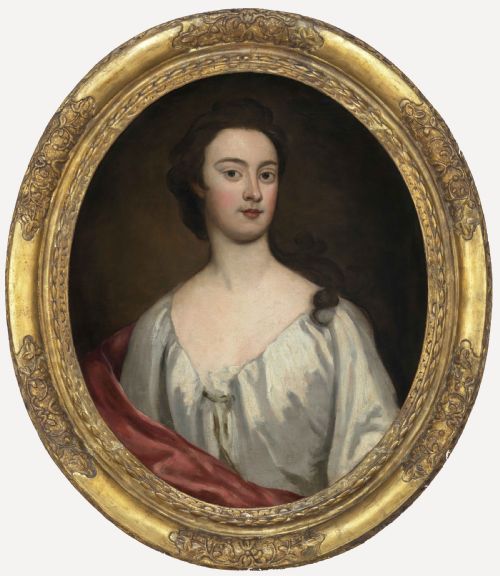
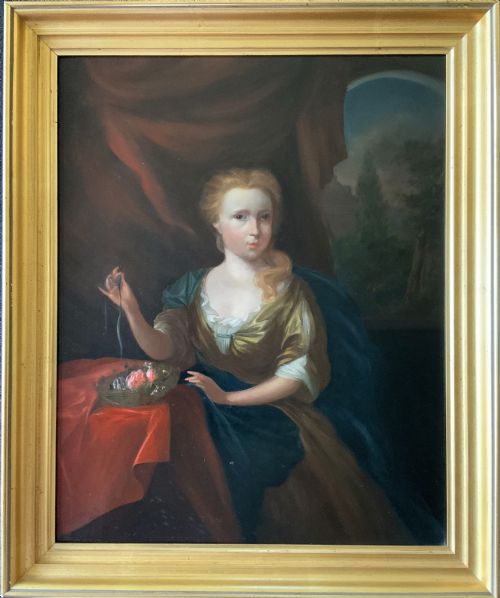
When buyers search for georgian lady wall art, they encounter portraits spanning several centuries, heavily anchored in the eighteenth century and the Regency period. These works encompass oil on canvas paintings, mezzotint engravings, delicate watercolours, pastels, and silhouette profiles housed in period frames.
The subjects range from formally posed aristocratic women in silk dresses to intimate miniature portraits and classical studies. Pieces frequently originate from British and European schools, capturing feminine identity through distinct historical painting traditions.
Materials and Techniques
The construction of these pieces relies on traditional painterly and printmaking methods, predominantly utilising oil on canvas, paper, and glass. Canvases are stretched and worked with oil pigments, while prints employ the rich tonal depths of mezzotint engraving.
Framing materials play an essential role in the presentation of these works, frequently featuring carved wood, giltwood, and rosewood. Protective glazing often preserves fragile paper works, watercolours, and silhouettes against environmental damage.
Listings feature works spanning the seventeenth through the early twentieth centuries, rendered in oil on canvas, paper, and glass.
Evaluating Quality
The integrity of the mounting significantly influences overall standard. Original frames matching the period of the artwork and well-preserved surfaces distinguish exceptional survivals from heavily restored or later compiled examples.
Sir Godfrey Kneller·Edward Fisher·Sir Joshua Reynolds·George Willison·Michael Dahl·Thomas Murray·Valentine Green·W Dickinson·Sir Allan Ramsay·James Watson·Francis Cotes·Jeremiah Davison·Thomas Gainsborough·Thomas Beach·Louis William Desanges·George Atkinson·George Hargreaves
The Georgian Lady Wall Art Glossary
- Mezzotint
- A printmaking process of the intaglio family where the plate is roughened to achieve rich dark tones and subtle gradations of light. This technique allowed printmakers to reproduce oil paintings with remarkable fidelity.
- Silhouette
- A solid shape of a person's profile, typically filled in with dark colour on a light background or cut from paper. These were popular profile portraits during the Regency era.
- Portrait Miniature
- A small, highly detailed portrait executed on a tiny scale, often painted on ivory, vellum, or card. These were designed to be carried or worn close to the body.
- Giltwood
- Wood that has been coated with a thin layer of gold leaf or powder. This finish was widely applied to decorative picture frames during the eighteenth and nineteenth centuries.
- British Baroque
- An architectural and artistic style following the Restoration, characterised by heavy ornamentation and theatrical grandeur. Portraits from this tradition emphasise status and dramatic posture.
Georgian Lady Wall Art: Frequently Asked Questions
What is georgian lady wall art?
These works are historical depictions of women created during the eighteenth and early nineteenth centuries, encompassing oil paintings, engravings, and silhouettes. They capture the fashion, status, and artistic styles of past eras through diverse mediums.
Buyers find everything from large oil portraits to small watercolour miniatures, reflecting the broad spectrum of historical portraiture available on the market.
How should I hang these portraits?
Historical portraits suit both traditional gallery walls and modern minimalist spaces, where a single framed piece creates a striking focal point. Ensure they are placed away from direct sunlight to protect vulnerable pigments and paper.
Pairing pieces of similar scale or tonal quality helps maintain visual balance when grouping multiple works together in a single room.
How do I identify the period?
Dating relies heavily on clothing styles, hairstyles, and framing techniques characteristic of specific reigns and decades. Hairstyles and dress silhouettes shifted rapidly from the stiff mantua gowns of the early eighteenth century to the softer neoclassical muslins of the Regency period.
Accompanying inscriptions, artist signatures, and the construction methods of the underlying canvas or paper provide further chronological markers.
Were these painted from life?
Many formal oil portraits were commissioned life studies painted by established artists in dedicated studios. Sitters posed for extended periods to capture accurate likenesses and elaborate garments.
Conversely, some later works and prints were produced after original paintings, serving as popular reproductions for broader domestic display.