


Georgian Lacquer Cupboard
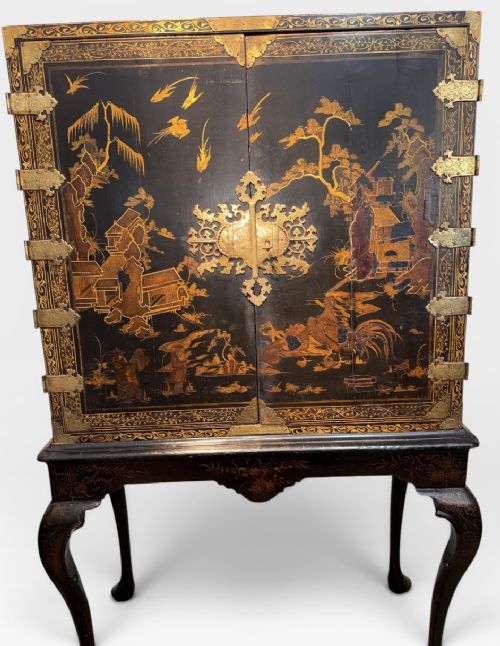
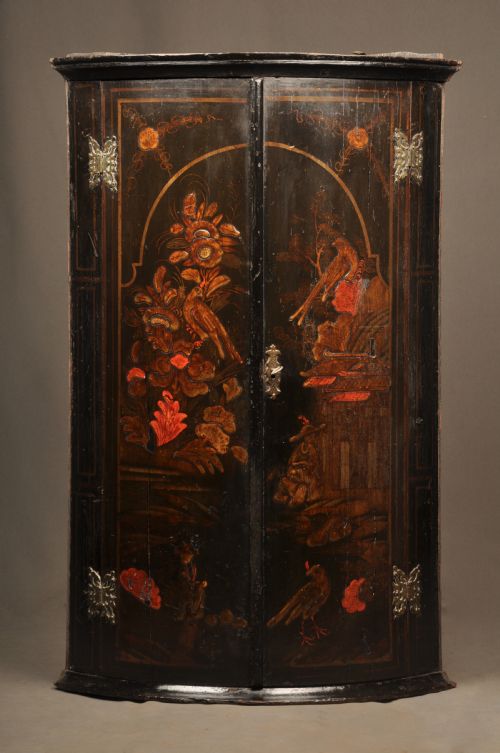
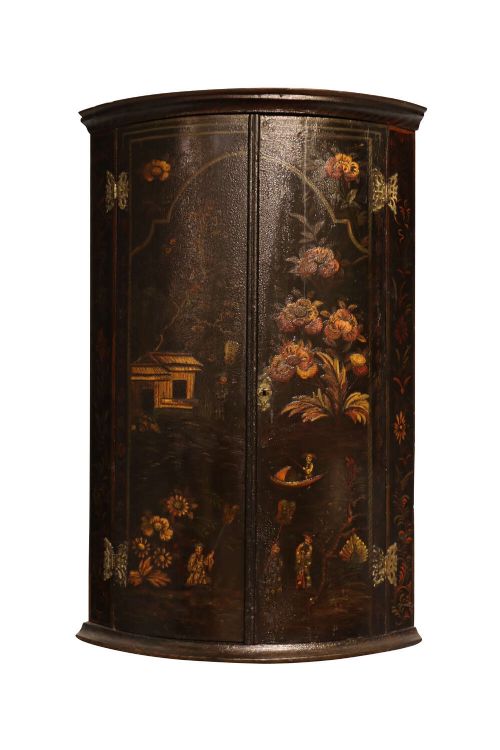
A georgian lacquer cupboard brings rich Chinoiserie narrative and deep dark or red painted surfaces into a room.
Georgian Lacquer Cupboard
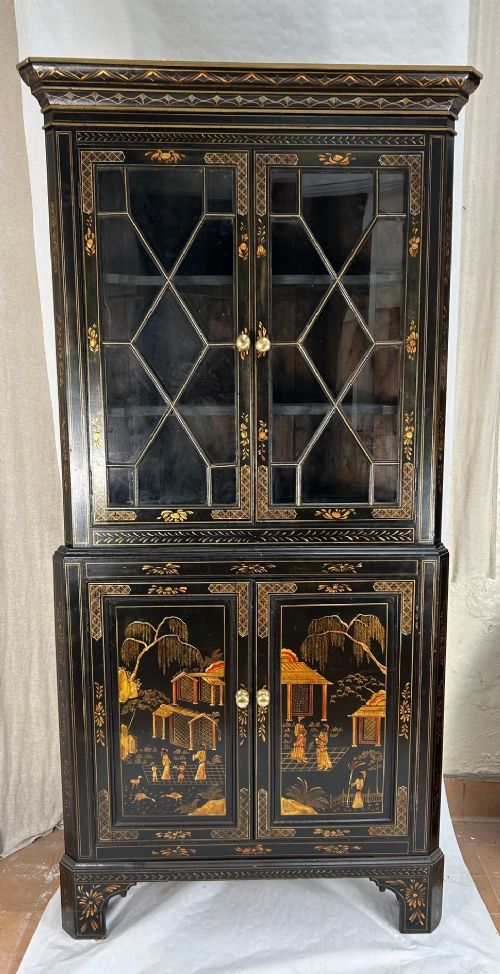
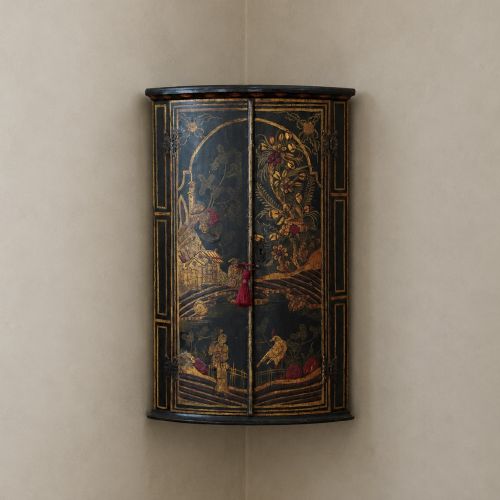
When you search for a georgian lacquer cupboard, you encounter corner cupboards, cabinets on stand, and side cabinets built across the eighteenth century and later revived in Edwardian and Victorian times. The corner cupboard form appears most frequently on this page, often fitted with shaped shelves behind single or double doors.
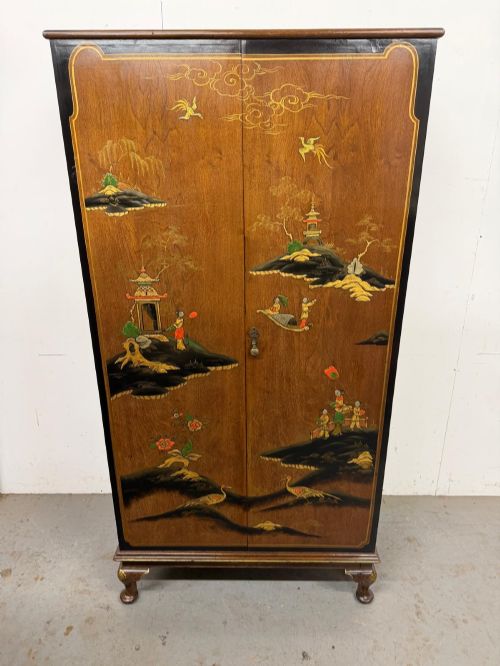
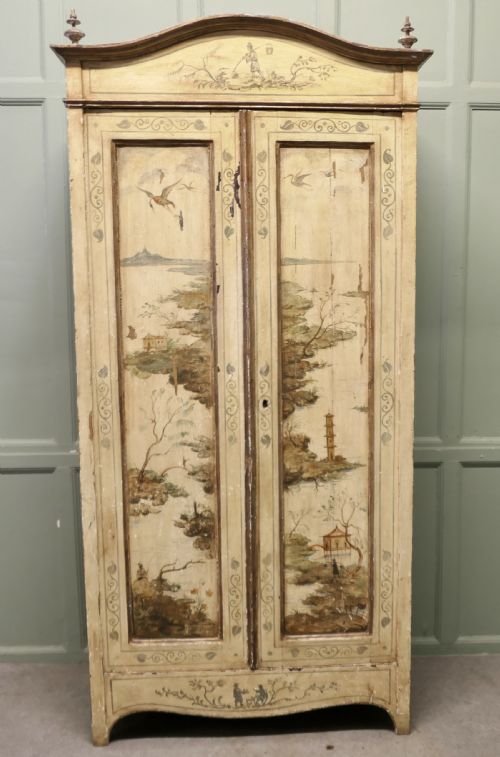
Makers drew heavily on Chinoiserie aesthetics, populating the painted wood surfaces with outdoor scenes, figures, and gilded motifs. Pieces range from early eighteenth-century japanned examples down to later Edwardian interpretations.
How they were made
These items rely on wood carcasses finished with lacquer, paint, and gold leaf to achieve their characteristic decorative sheen. Artisans applied successive coats of paint and lacquer before adding intricate gilt details and outdoor scenes.
Listings feature periods spanning from the 18th century through to the 1920s, dominated by Chinoiserie styles on wood and lacquer.
What varies in quality
The sophistication of the painted Chinoiserie decoration dictates the distinction between standard and exceptional pieces. Finer cabinets display meticulous brushwork and delicate gold leaf application in their outdoor scenes.
Period authenticity also governs worth, separating eighteenth-century originals from Edwardian revivals. The depth of the lacquer layers and the integrity of the underlying wood carcass further define the grade.
The Georgian Lacquer Cupboard Glossary
- Japanning
- European emulation of East Asian lacquerwork using resin varnishes and metallic powders. This technique creates the hard, glossy surface seen on many eighteenth-century pieces.
- Chinoiserie
- European interpretation of Chinese and East Asian artistic traditions. It manifests in these cabinets through whimsical figures, pavilions, and landscape motifs.
- Cabinet on stand
- A freestanding storage compartment raised on an independent support structure or legs. Early examples from the eighteenth century frequently take this architectural form.
- Compactum
- A large fitted wardrobe or multi-compartment storage unit designed for efficient clothing organisation. These large case pieces appear in twentieth-century revival forms alongside smaller corner units.
Georgian Lacquer Cupboard: Frequently Asked Questions
Where should I place a corner cupboard?
These corner units fit neatly into unused room angles, making efficient use of interior space while displaying decorative Chinoiserie scenes.
They anchor a room visually, functioning well in dining rooms or living spaces where traditional wooden furniture provides warmth and character.
How do I clean lacquered surfaces?
Dust surfaces gently with a soft, dry cloth to prevent scratching the delicate lacquer and gilt layers.
Avoid chemical polishes and excess moisture, which can damage historic paintwork and compromise the nineteenth or eighteenth-century finishes.
Are these cupboards purely decorative?
While their ornate painted outdoor scenes catch the eye, they serve practical storage roles through interior shelving and enclosed compartments.
Corner cupboards and side cabinets provide enclosed space for tableware, documents, or collections while concealing contents behind solid doors.
What is the difference between Georgian and Edwardian pieces?
Georgian items originate from the eighteenth century or early nineteenth century, representing the primary era of japanned Chinoiserie craftsmanship.
Edwardian pieces reflect later revivals of these earlier styles, constructed with similar painted wood methods but dating from the early twentieth century.