




Georgian Jewellery Box
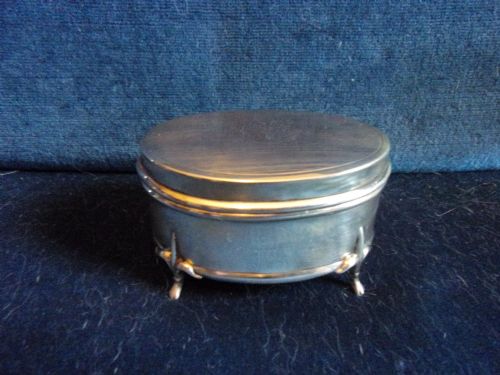
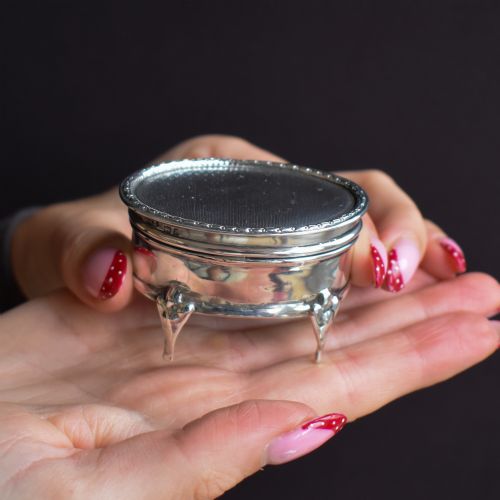
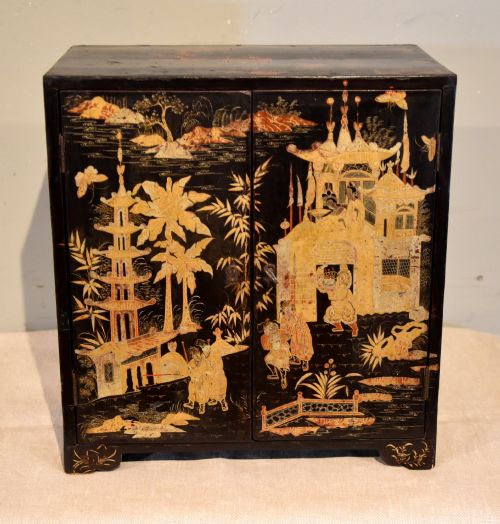
When you search for a georgian jewellery box, you are looking at small-scale cabinetwork designed to house precious trinkets and personal valuables.
Georgian Jewellery Box
A georgian jewellery box encompasses portable wooden caskets, travelling cases, and miniature chests of drawers produced during the eighteenth and early nineteenth centuries. These pieces were built to safeguard rings, necklaces, and personal documents on dressing tables or during travel.
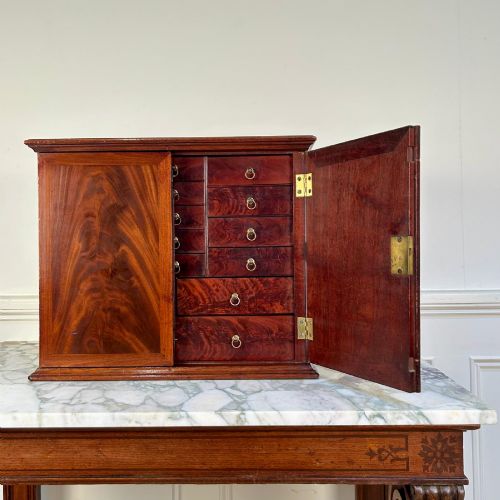
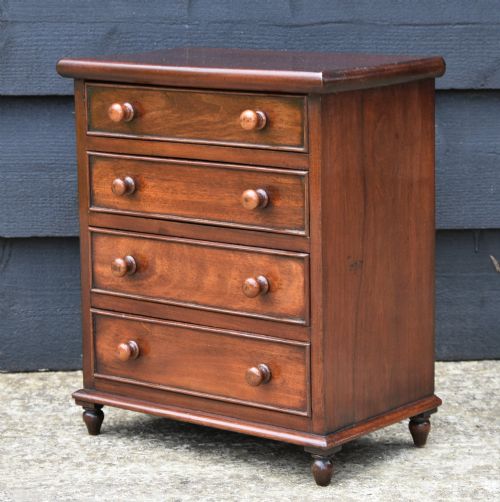
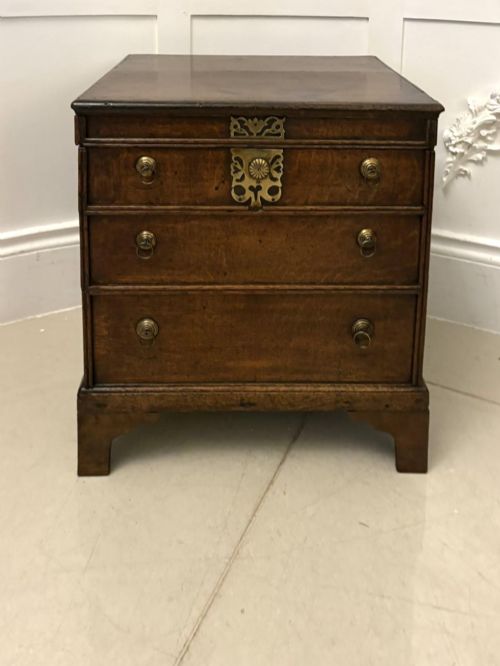
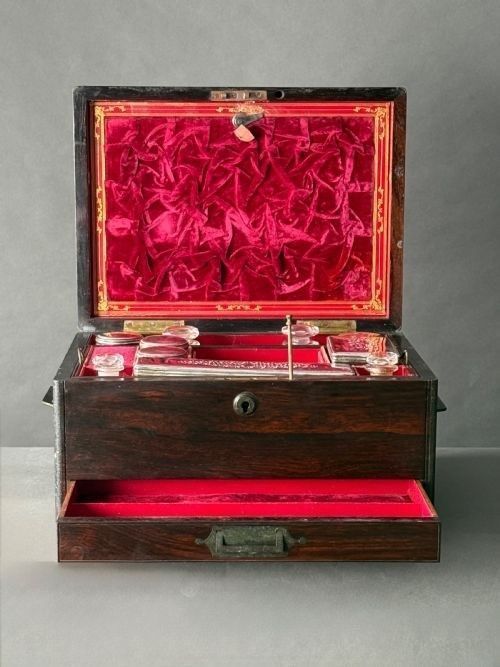
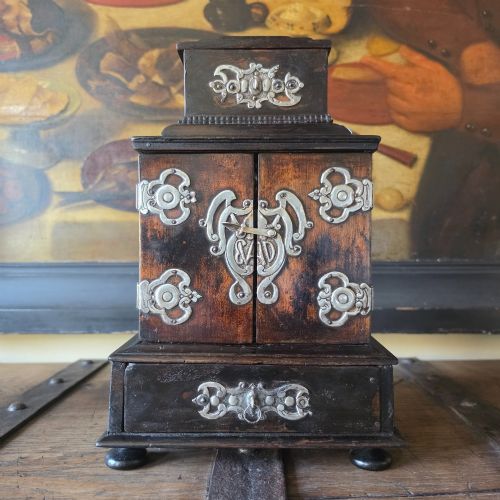
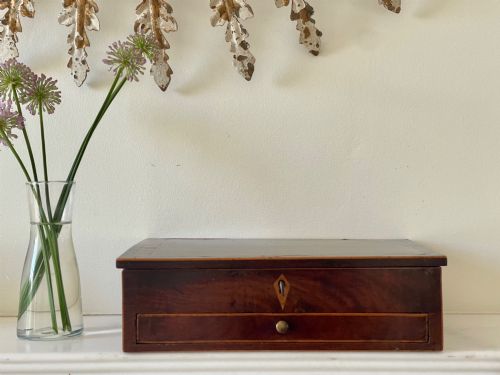
The versions most commonly met on this page include mahogany, rosewood, and satinwood boxes, often fitted with internal compartments, lift-out trays, and small secret drawers. Many take the form of miniature chests or sloping campaign boxes reinforced with brass mounts.
Beyond standard tabletop caskets, the selection spans specialised forms such as needlework boxes, writing slopes, and miniature mule chests that served multipurpose storage roles in prosperous households.
How they were made
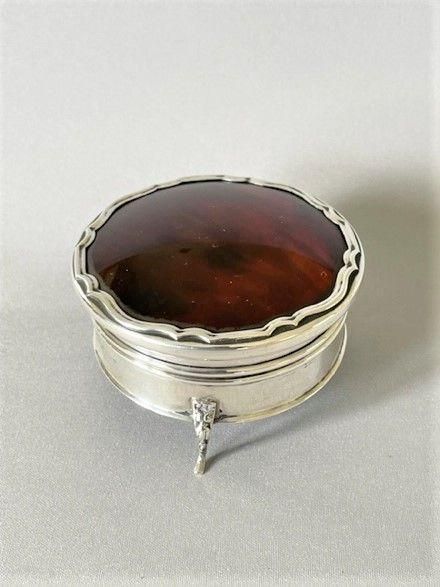
Cabinetmakers constructed these caskets using dense timbers such as mahogany, rosewood, walnut, and oak, frequently applying decorative veneers like burr yew, harewood, and tortoiseshell to visible exterior surfaces. Marquetry, parquetry, and fine penwork added geometric or floral ornamentation to the lids and panels.
Structural integrity relied on precise dovetail joints at the corners, while internal compartments utilised thin secondary woods to divide space for rings and accessories. Brass handles, escutcheons, and claw-and-ball feet were secured to accent the exterior.
Georgian Jewellery Box Retail Price Guide 2026
Typical asking prices for georgian jewellery box among the pieces listed under this phrase on Sellingantiques today, from the lower quarter to the upper quarter. They describe what is for sale here now, not the wider market.
One box preserves an engraved initial 'K' on its leather binding, hinting at a forgotten nineteenth-century owner.
What varies in quality
The standard of timber selection and veneer matching dictates much of the distinction across these pieces, with highly figured grains and symmetrical patterns marking superior workshops. Elaborate internal fittings, such as velvet-lined trays and original working locks with keys, elevate the execution.
The subtlety of inlay work, the precision of corner dovetailing, and the retention of original patination indicate the level of care invested by the original maker.
Jacob Amyand
The Georgian Jewellery Box Glossary
- Apprentice piece
- A small-scale item created by a trainee craftsman to demonstrate mastery of joinery and woodworking techniques before joining a guild.
- Escutcheon
- A protective brass plate surrounding a keyhole that prevents the surrounding wood from splintering during use.
- Writing slope
- A portable hinged box that opens to reveal an angled leather or velvet-lined surface designed for writing letters and storing stationery.
- Vinaigrette
- A small ornamental container holding a perforated grille, used to diffuse aromatic vinegar soaked in a sponge during the Georgian period.
- Parquetry
- A geometric mosaic of wood pieces used for decorative veneer on box lids and surfaces.
Georgian Jewellery Box: Frequently Asked Questions
What were georgian jewellery boxes used for?
These boxes served to store rings, brooches, and delicate personal valuables securely on dressing tables or inside bedchambers. Wealthy owners also utilised them during travel to keep essential trinkets organised.
Many examples included integrated compartments for writing materials, sewing equipment, or secret drawers for confidential papers. Their interiors reflected the specific needs of the owner.
How do I tell a georgian box from a victorian one?
Georgian boxes typically display restrained classical proportions, understated brass stringing, and timbers like flame mahogany, satinwood, and early rosewood. Construction methods feature hand-cut dovetails and older secondary woods.
Victorian pieces often introduce heavier mouldings, denser carvings, and alternative exotic veneers like coromandel or amboyna. Hardware styles and interior silk linings also shift as the nineteenth century progresses.
Are these boxes suitable for daily use?
Most of these pieces function well for holding modern rings, earrings, and small keepsakes on a dresser. The internal trays and velvet compartments remain practical for organising contemporary accessories.
Care should be taken with antique hinges, delicate veneers, and original paper linings to preserve their condition. Utilising them gently ensures the historical materials endure.
Why do some boxes have secret drawers?
Secret drawers provided a concealed space for storing high-value currency, sensitive letters, or confidential personal items. Cabinetmakers integrated these hidden compartments behind removable panels or false bottoms.
Discovering these mechanisms required operating internal catches or lifting specific dividers within the tray system. This added a layer of security valued by owners during the period.