




Georgian Intaglio Fob Seal
A georgian intaglio fob seal carries centuries of carved history in its miniature stone head, worn once to sign correspondence and today as a pendant.
Georgian Intaglio Fob Seal
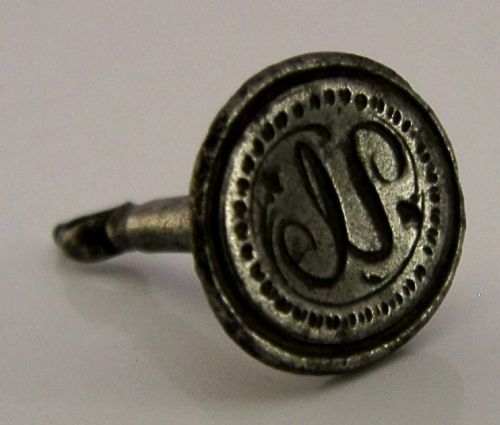
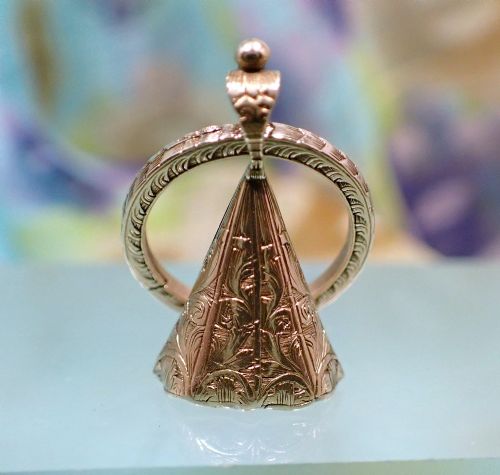
A georgian intaglio fob seal brings together miniature carving, precious metal and historical utility in a single small pendant. Collectors find these pieces fashioned into desk accessories, charms and pendants designed to suspend from a watch chain.
The selections on this page span several periods, with Georgian and Victorian examples forming the core. Makers shaped these seals from gold, silver, steel and gilt metal, setting hardstones into the base for impressing wax.
How they were made
Goldsmiths and lapidaries shaped precious metals including 9ct gold, 15ct gold, silver and steel into ornate frames to house the hardstones. These mounts often feature intricate wirework, cast ornamentation or cut steel work.
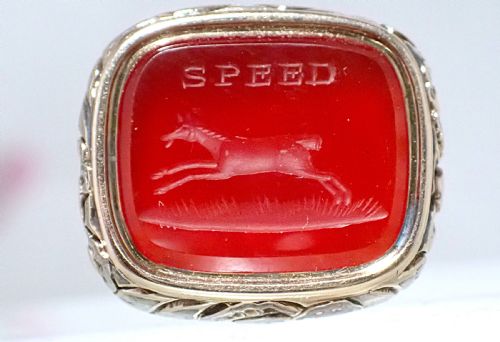
Craftsmen carved intaglios directly into stones such as carnelian, bloodstone, chalcedony, sardonyx and rock crystal. Each stone was engraved beneath the surface so that the impression left in sealing wax would stand out in relief.
Georgian Intaglio Fob Seal Retail Price Guide 2026
Typical asking prices for georgian intaglio fob seal among the pieces listed under this phrase on Sellingantiques today, from the lower quarter to the upper quarter. They describe what is for sale here now, not the wider market.
One surviving seal bears the imperative word 'SPEED' alongside a carved horse, encouraging swift dispatch for urgent correspondence.
What varies in quality
The weight and metal content of the mount also distinguish pieces, ranging from solid 15ct gold down to gold cased metal, steel and gilt metal. Elaborate ornamentation and matching split rings add to the complexity and substance of the piece.
The Georgian Intaglio Fob Seal Glossary
- Intaglio
- A design engraved into the surface of a stone so that the impression produced is in relief. This technique allows the carved stone to function as a stamp when pressed into warm wax.
- Fob seal
- A small ornamental pendant suspended from a pocket watch ribbon or chain. These objects combined practical function with personal display.
- Carnelian
- A reddish-orange variety of chalcedony quartz commonly used for intaglio seals. Its smooth texture made it a favourite material for detailed engraving.
- Cut steel
- Faceted small steel studs riveted to a backing plate to simulate the sparkle of marcasite or diamonds. This material appeared frequently in Georgian decorative hardware.
- Chalcedony
- A cryptocrystalline form of silica that includes stones like carnelian and bloodstone. Lapidaries valued it for its durability and smooth finish when polished.
Georgian Intaglio Fob Seal: Frequently Asked Questions
How do you use a wax seal?
To use a wax seal, you melt sealing wax onto the fold of a document or envelope. You then press the engraved stone matrix firmly into the warm wax.
Lifting the seal away leaves a raised impression of the intaglio design. This practice secured confidential correspondence in eras before envelopes with adhesive flaps.
What materials are seals made from?
Seals incorporate a variety of precious metals and hardstones in their construction. Mounts are typically fashioned from gold, silver, steel, gilt metal or gold cased metal.
The base stones feature hard minerals such as carnelian, bloodstone, chalcedony, sardonyx and rock crystal. These stones resisted wear during repeated use.
How do I date an antique seal?
Dating relies on stylistic clues, metal types and the specific motifs carved into the stone. Georgian pieces often display neoclassical designs or simpler gold mounts, while Victorian examples introduce more ornate cast ornamentation.
Inscriptions and hallmarks, where present, help narrow the period of manufacture. Many pieces reflect design traits bridging the Georgian and Victorian eras.
Can I still wear a fob seal today?
These pieces translate easily into modern jewellery as pendants or charms. Their small scale and durable hardstones make them suitable for regular wear on a sturdy chain.
Owners often hang them singly from a simple chain or group them with other charms. The robust nature of gold and chalcedony ensures they withstand daily use.