


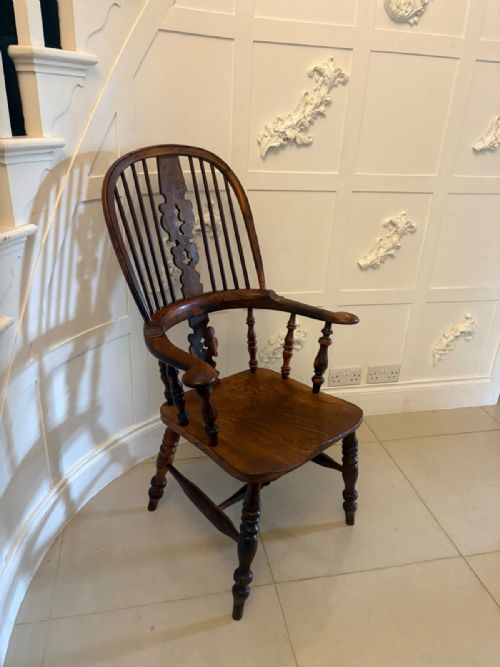
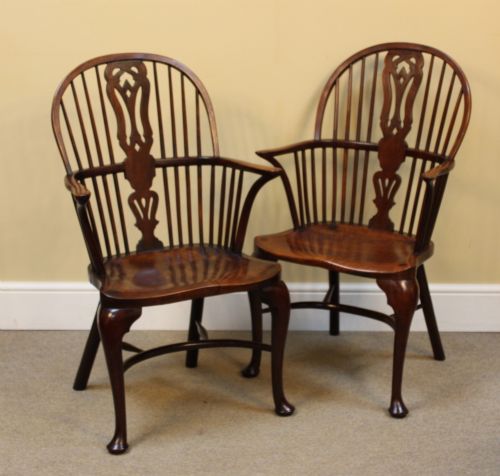
Georgian Hoop Back Armchair
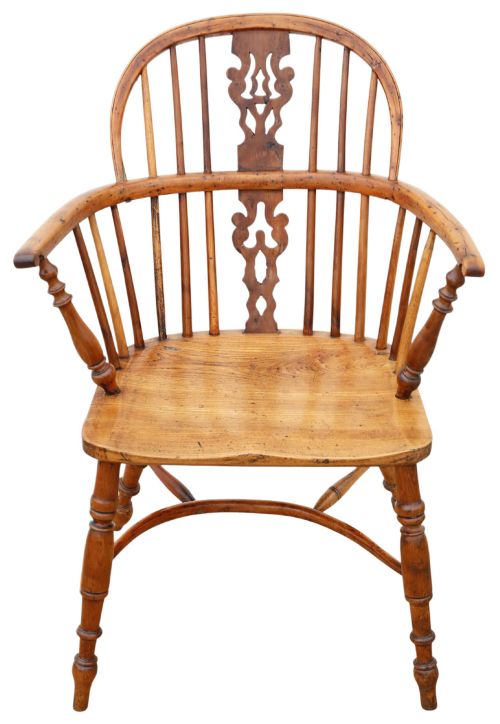
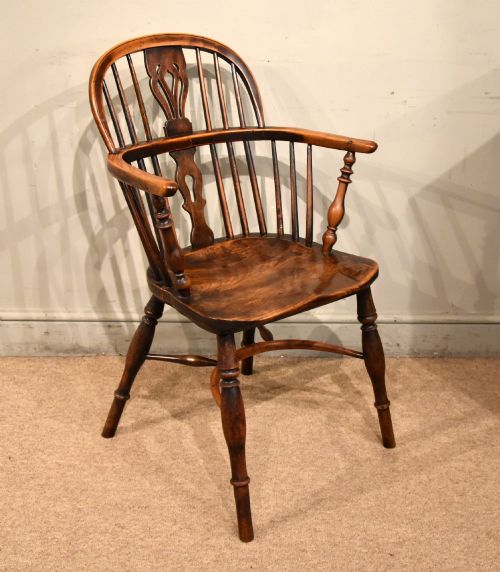
A georgian hoop back armchair combines vernacular craftsmanship with enduring comfort, offering solid timber construction built for daily use.
Georgian Hoop Back Armchair
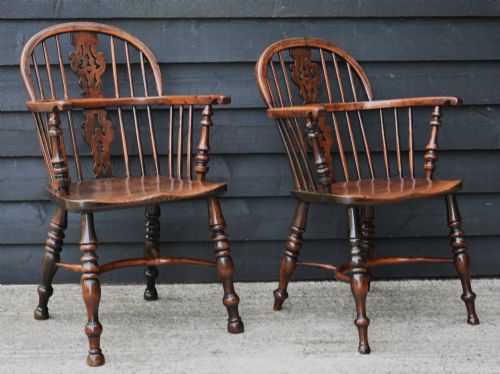
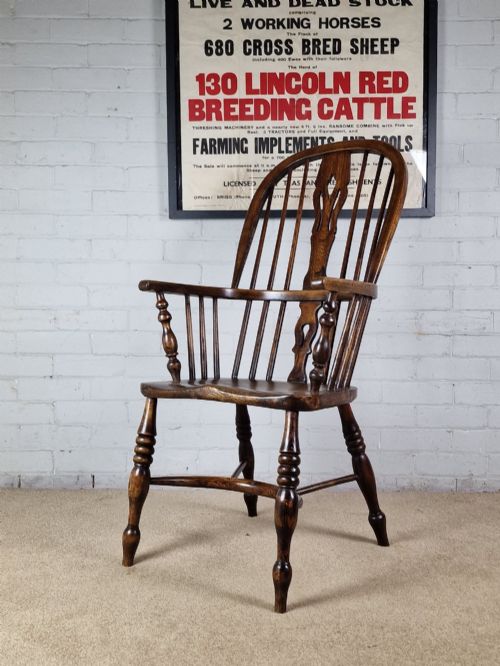
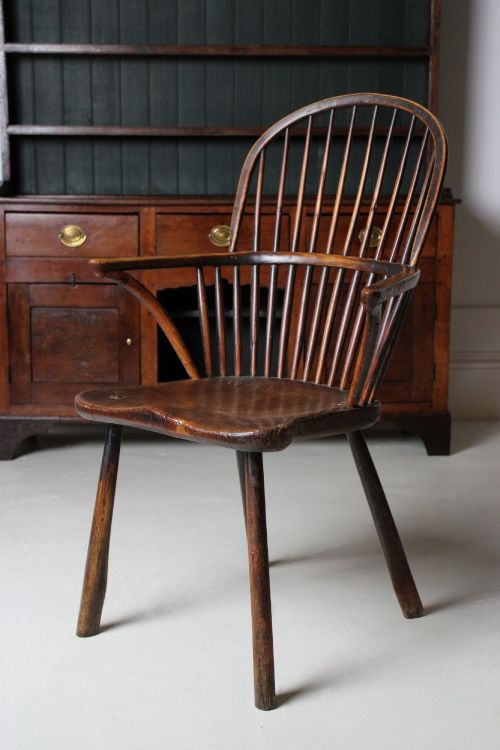
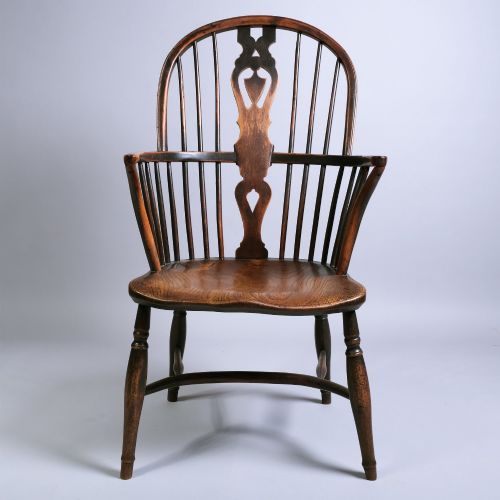
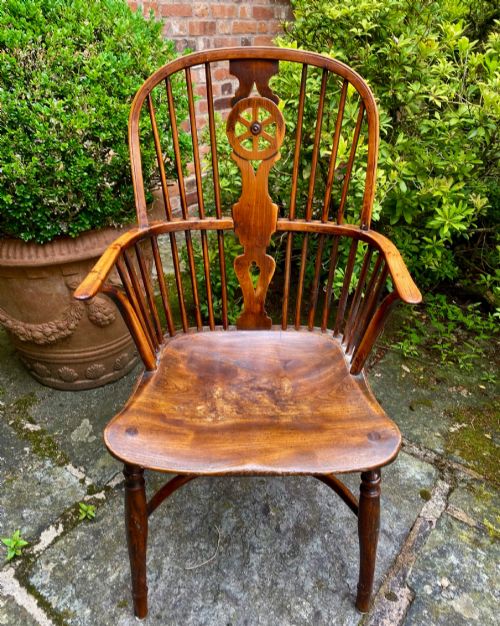
When you search for a georgian hoop back armchair, you encounter seating rooted in English country traditions, spanning the eighteenth and nineteenth centuries. These pieces function primarily as Windsor armchairs, incorporating distinct curved back rails bent from a single piece of wood.
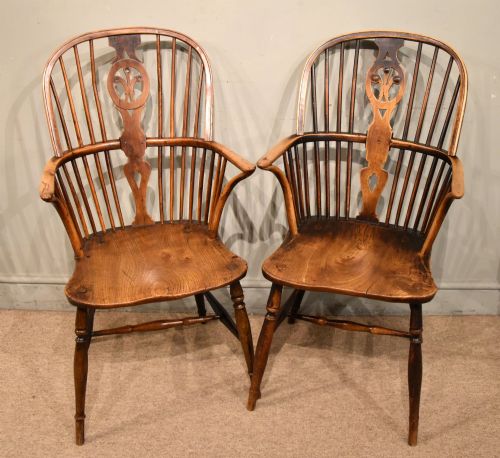
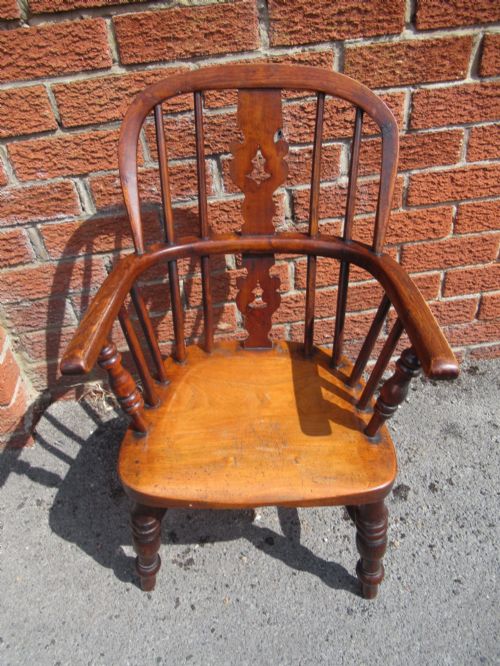
You meet examples fashioned in regional styles, originating from locations such as the West Country or Lincolnshire. The selection includes high back variants, child sizes, and matched pairs suited for domestic seating.
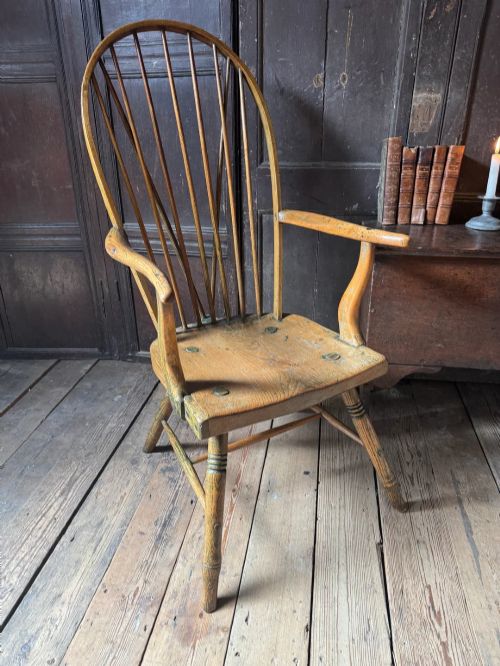
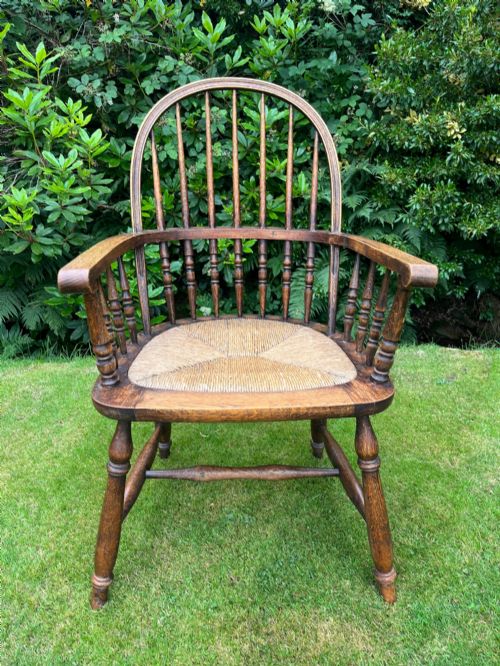
The dominant forms rely on traditional joinery where spindles rise from a shaped wooden seat. Variations span low backs, high hoops, and stick back configurations built across Georgian, Regency, and Victorian periods.
Materials and construction methods
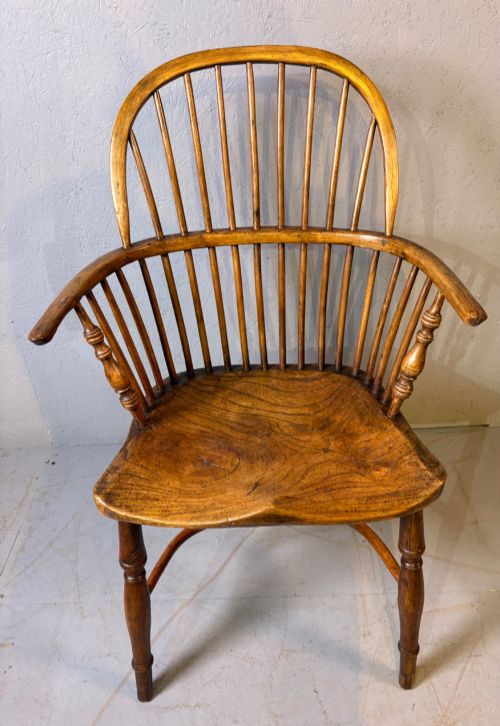
Maker construction relies heavily on native hardwoods, pairing durable elm seats with flexible yew, ash, or beech for spindles and bentwood hoops. Fruitwood and oak also appear, reflecting local timber availability in English country workshops.
The bending of green wood forms the characteristic hoop back, secured into thick saddles sculpted from solid elm. Undercarriages frequently incorporate crinoline stretchers to brace the legs and ensure structural rigidity.
Child size Windsor chairs survive in miniature form, offering diminutive proportions for younger members of the eighteenth century household.
Determining quality and character
Quality rests upon the selection of timber figure, particularly the depth of grain in yew wood and the proportion of the sculpted elm seat. Refined turning on the legs and spindles distinguishes superior pieces from simpler vernacular makes.
Original surface finishes, including early brown paint or mellow patination through age, elevate the desirability of a piece. Structural integrity depends upon the tightness of the wedged joints connecting the back assembly to the main seat.
John Brand of Sleaford
The Georgian Hoop Back Armchair Glossary
- Hoop back
- A curved wooden bow forming the upper backrest of a Windsor chair, typically steam-bent from a single piece of ash or yew.
- Crinoline stretcher
- An arched metal or wooden brace connecting the legs of a chair beneath the seat, providing additional stability.
- Windsor chair
- A chair built with a solid wooden saddle seat into which the legs and back spindles are separately tenoned.
- Vernacular
- Objects made by local craftsmen using regional materials and traditional designs rather than strict academic styles.
- Carver
- An armchair designed in the same style as a matching set of dining chairs, often placed at the head of a table.
Georgian Hoop Back Armchair: Frequently Asked Questions
How do I identify a Georgian Windsor?
Georgian Windsor chairs typically exhibit saddle seats carved from a single slab of elm, paired with expressive leg turnings. Regional traits often point to specific English districts where local craftsmen built them.
Examining the construction of the joints beneath the seat helps determine the period of manufacture.
Where were these armchairs used?
These armchairs served primarily in English country houses, farmhouses, and vernacular domestic interiors. Their sturdy construction made them practical for daily use around the hearth or at dining tables.
Over time, their sculptural qualities led them to be incorporated into varied living spaces.
How should I care for yew wood?
Yew wood benefits from stable indoor humidity levels away from direct heat sources and strong sunlight. Regular dusting with a soft cloth maintains the natural surface patination.
Applying occasional appropriate wax preserves the depth of grain without building up heavy residues.