
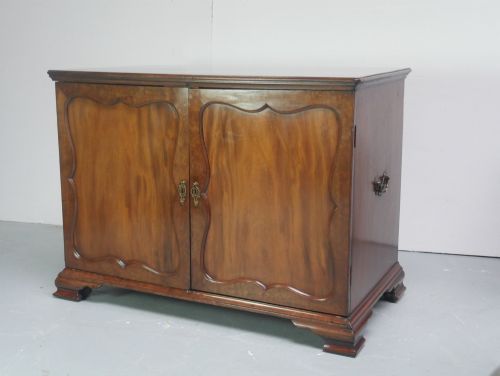
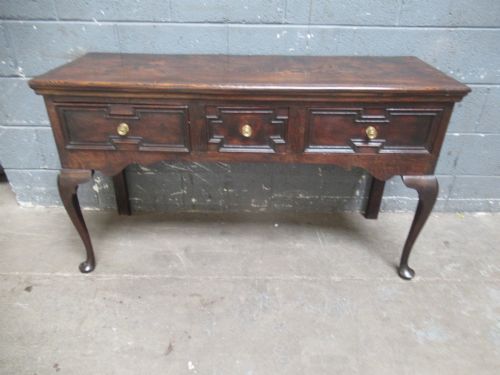


Georgian Hall Chest
A georgian hall chest is a practical storage piece designed for narrow entryways, offering compact dimensions and period character.
Georgian Hall Chest
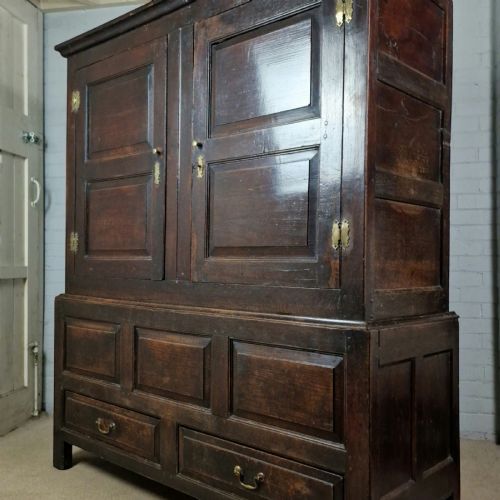
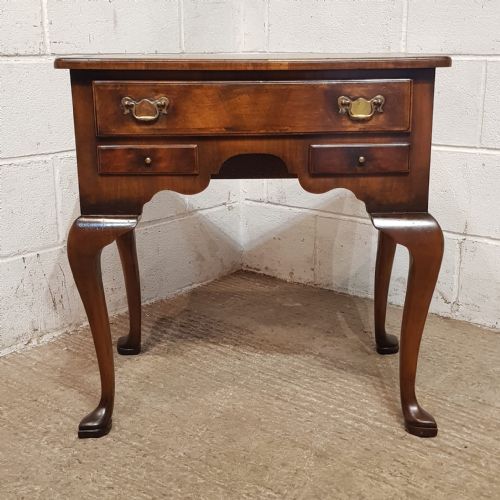
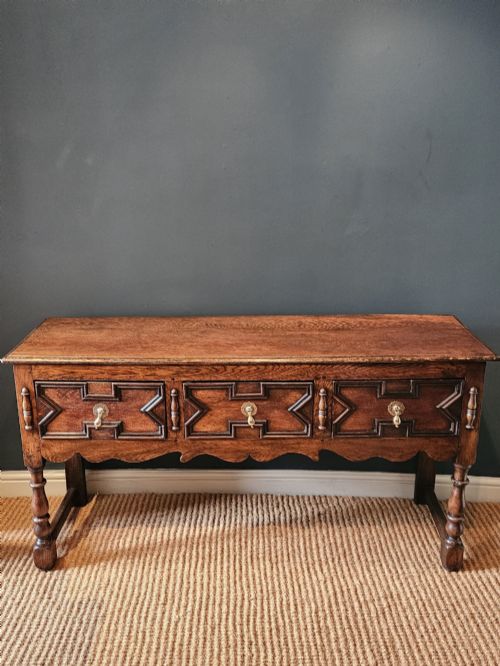
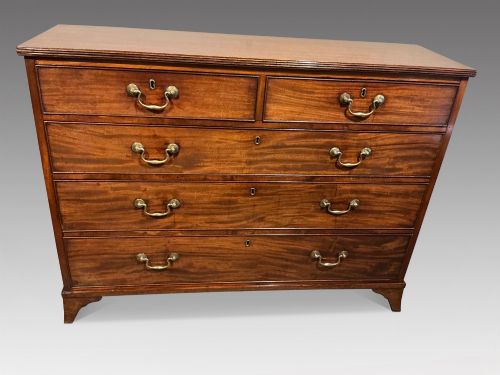
When searching for a georgian hall chest, buyers encounter compact storage furniture designed for corridors and entrance spaces. These pieces share a shallow depth to fit restricted floor areas while maintaining surface utility and drawer storage. The selection spans authentic 18th century examples alongside later revivals from the 20th century.
The materials and construction reflect the domestic requirements of period English homes. Most pieces employ dense hardwoods that withstand daily passage in a hallway. Side tables, lowboys, and mule chests frequently double as the functional equivalent of a traditional hall chest in the current inventory.
How They Were Made
Cabinetmakers utilised durable hardwoods such as mahogany, oak, walnut, and burr walnut for carcass construction. Secondary timbers often included fruitwood, cherrywood, and satinwood for drawer linings and decorative banding. Brass hardware provided functional handles and key escutcheons.
Joinery techniques relied on traditional dovetailing for drawers and mortise and tenon frames for structural stability. Surfaces received polish or wax finishes to highlight the natural grain of the timber. Decorative elements such as geometric mouldings or inlaid veneers appeared on select walnut and mahogany surfaces.
Listings feature oak, mahogany, walnut, and burr walnut across 18th century, 19th century, and Edwardian periods.
What Varies In Quality
The grade of timber selected for the primary facade dictates much of the visual appeal. Figured veneers like burr walnut and carefully matched mahogany grains separate standard workshop output from finer cabinet work. Original brass mounts and untouched surface patination command higher regard among collectors.
Structural integrity depends on the precision of the underlying joinery and the survival of original components. Pieces retaining their structural elements without extensive timber replacement demonstrate superior preservation. The subtlety of proportion in smaller hall dimensions distinguishes exceptional examples from bulkier domestic furniture.
Walker & Hall·Muirhead Moffat & Co·Whytock & Reid
The Georgian Hall Chest Glossary
- Lowboy
- A small dressing table or side table featuring one or more tiers of drawers supported on four legs. This form frequently crosses over with hall furniture requirements due to its shallow depth.
- Mule Chest
- A storage chest with one or two drawers built into the base beneath the main compartment. These pieces combine the function of a trunk with that of a chest of drawers.
- Coffer
- A heavy wooden chest traditionally used for storing valuables or household goods. Raised on a stand or legs, it serves similar placement functions in a hallway.
- Livery Cupboard
- An enclosed standing cupboard used for storing provisions or garments in period interiors. Examples appear in oak with panelled doors.
- Commode Chest
- A low storage cabinet fitted with drawers, originating from continental or English traditions. The form provides surface space alongside enclosed storage.
Georgian Hall Chest: Frequently Asked Questions
Where do you put a hall chest?
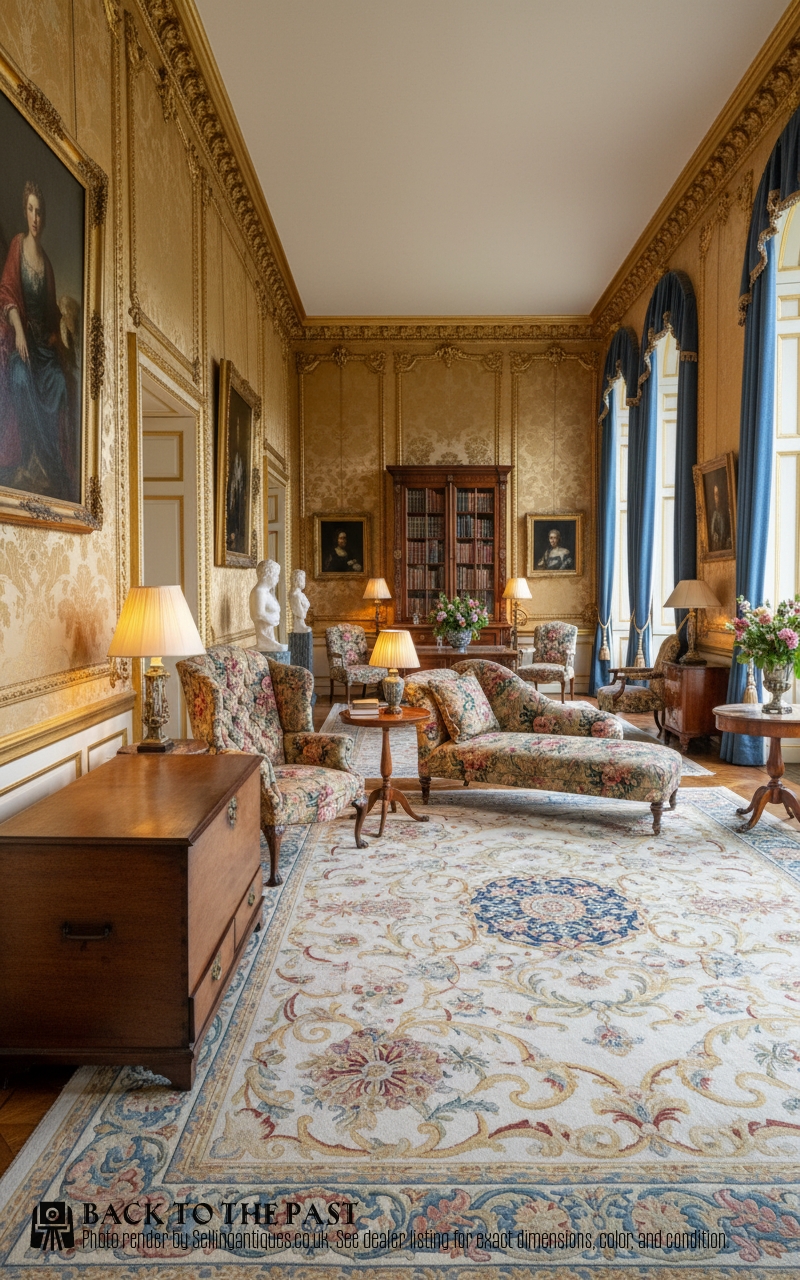
A georgian hall chest sits naturally in narrow corridors, entrance passages, or landings where floor space is limited. Its shallow depth allows clearance for foot traffic while offering surface space for post and keys.
Positioning the piece against a bare wall anchors the entryway and provides hidden storage for seasonal accessories.
How do I date a hall chest?
Dating relies on examining the timber species, construction joints, and hardware styles. Eighteenth-century pieces typically show hand-cut dovetails and native woods like oak or early mahogany.
Revival pieces from later periods often display different secondary timbers or machine-finished elements that distinguish them from original era furniture.
What is the difference between a lowboy and a hall chest?
A lowboy is strictly a small table with drawers, originally intended for personal grooming or dressing. A hall chest generally refers to a more upright cabinet or drawer unit adapted for hallway use.
Both forms overlap in modern placement because their compact footprints suit narrow domestic spaces.
How do I care for antique wood furniture?
Maintain wood surfaces by applying quality beeswax periodically to nourish the dry timber. Keep furniture away from direct heat sources and strong sunlight to prevent warping and fading.
Dust regularly with a soft, dry cloth rather than using silicone-based sprays that build up over time.