
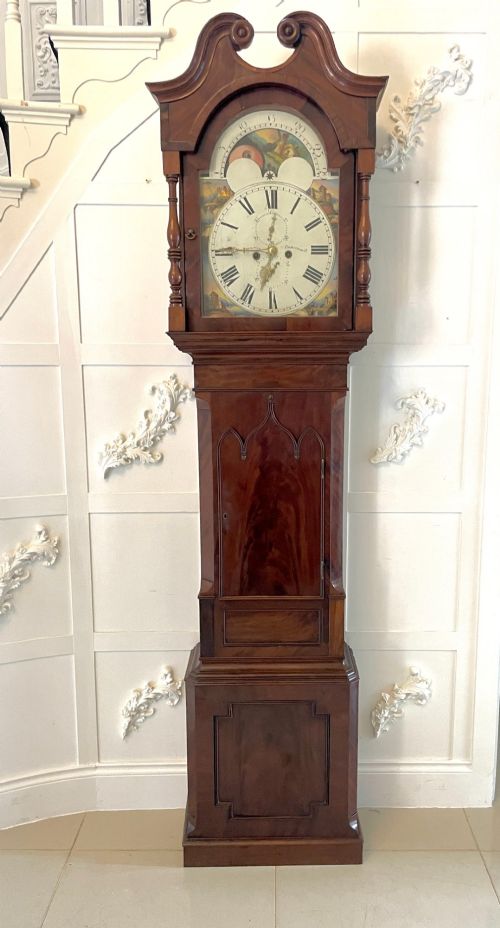


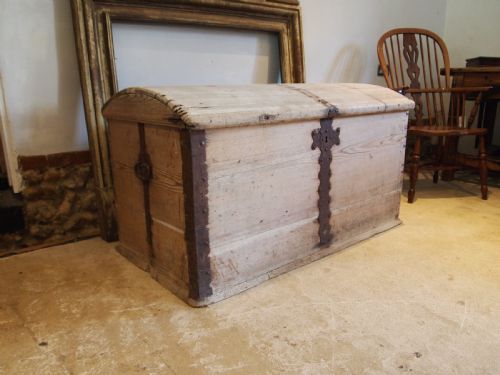


George III Trunk
A george iii trunk offers robust historical utility, bringing enduring timber character and practical storage to any traditional room.
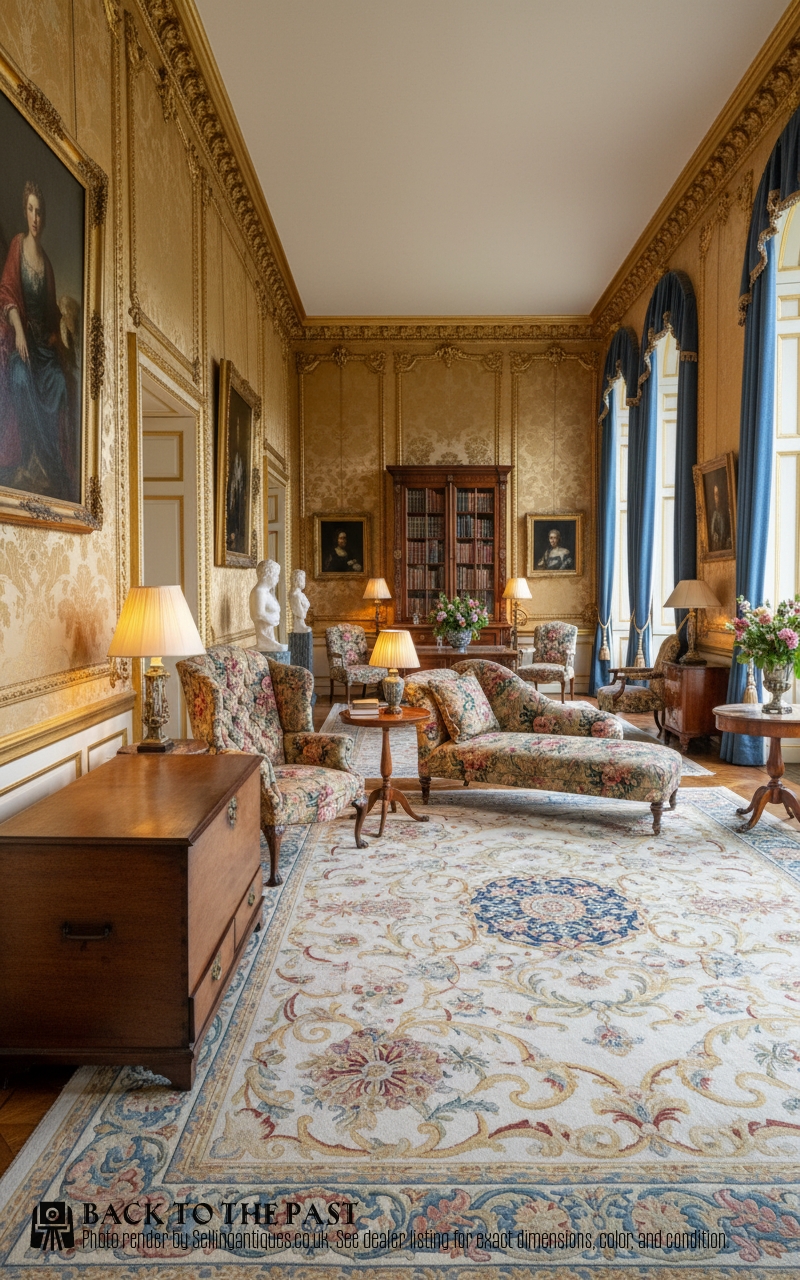
George III Trunk
A george iii trunk encompasses storage chests, coffers, mule chests and travelling trunks dating primarily from the eighteenth and early nineteenth centuries. These pieces served practical domestic and travel functions, ranging from simple blanket storage to fitted silver and campaign use.
How they were made
Makers utilised solid native timbers such as oak, elm and mahogany, occasionally incorporating contrasting woods like satinwood and ebony for inlay. Structural integrity relied on robust joinery including dovetailing, complemented by secondary woods like pine.
Hardware played a functional and decorative role, featuring brass carrying handles, iron straps, steel mounts and original locks. Surface finishes varied from natural waxed mahogany and polished oak to hand-decorated painted surfaces and lacquered treatments.
The inventory records regional Scottish oak examples alongside Scandinavian marriage chests and London travelling trunks.
What varies in quality
The distinction between standard utility pieces and finer examples rests on timber selection and decorative refinement. Highly figured burr elm, rich mahogany grains and intricate string inlay elevate a piece beyond basic domestic storage.
Original hardware and structural completeness heavily influence overall merit. Surviving swan neck handles, functional locks with original keys, and untouched timber surfaces represent the higher tier of surviving examples.
Seabrook of St.Pauls London
The George III Trunk Glossary
- Mule chest
- A storage chest featuring one or more drawers built into the base beneath the main compartment. This form bridges the traditional blanket chest and the modern chest of drawers.
- Campaign trunk
- A portable storage chest designed for military or travel use, typically reinforced with brass corners and straps. These trunks often incorporate recessed carrying handles for efficient packing.
- Till box
- A small lidded compartment built inside a chest for storing candles, coins or small valuables. It sits tucked into the upper corner of the main storage well.
- Dovetailed
- A joint formed by interlocking wedge-shaped fingers of wood, providing exceptional tensile strength. This method secures the corners of quality chests without relying on metal fasteners.
George III Trunk: Frequently Asked Questions
What is a mule chest?
A mule chest combines a traditional lidded top compartment with one or more drawers fitted beneath the main storage well. This hybrid form gained popularity as households sought easier access to folded linens without unstacking the entire contents.
Cabinetmakers built these pieces primarily in oak, elm and mahogany during the eighteenth century. They functioned as versatile bedroom and landing furniture for everyday storage.
How do I use a trunk today?
These chests provide generous enclosed storage for blankets, winter bedding and out-of-season textiles in living rooms or bedrooms. Their sturdy tops also allow them to function double-duty as coffee tables or window benches.
Placing a trunk in a hallway offers a practical spot to drop bags while concealing clutter. The warm timber tones ground modern interiors with tactile historical character.
Were these trunks used for travel?
Travelling trunks and campaign chests were specifically engineered for transit on coaches and ships. They utilised heavy-duty leather, camphor wood, iron bindings and robust brass mounts to withstand long journeys.
Domestic blanket chests and marriage chests remained stationary in the home. Travelling variants featured side carrying handles and reinforced corners for frequent handling.
How do I care for old timber?
Maintain historical wooden surfaces by applying a traditional beeswax polish sparingly and buffing gently with a soft cloth. Avoid placing trunks near direct heat sources or strong sunlight to prevent timber shrinkage and splitting.
Keep leather and metal bindings clean with a dry brush. Preserving the natural patina requires patience and minimal intervention rather than harsh chemical cleaning.