





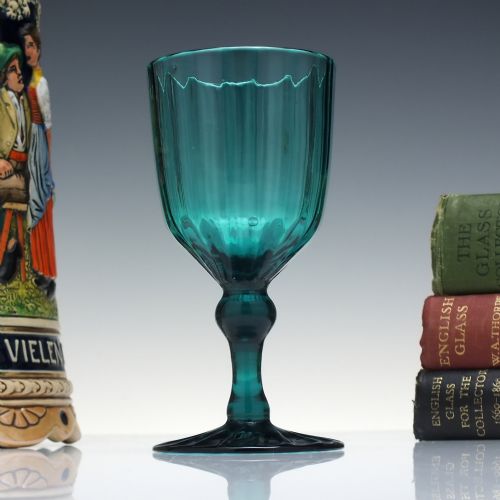
Georgian Green Glasses
Georgian green glasses combine rich forest hues with heavy lead metal, offering the collector tangible weight and depth from the late eighteenth century.
Georgian Green Glasses
When you search for georgian green glasses, you encounter deep-toned drinking vessels and serving pieces originating in the Georgian period and around eighteen hundred. These items include wine glasses, rummers, dram glasses, and export roemers with distinctive hollow stems.
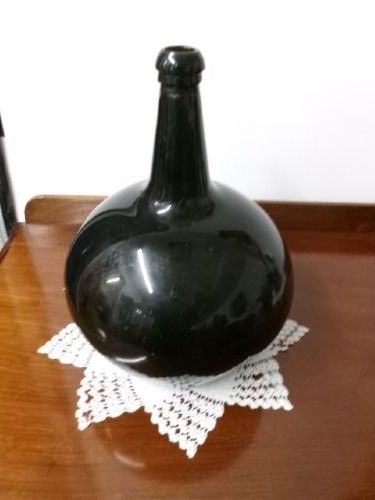
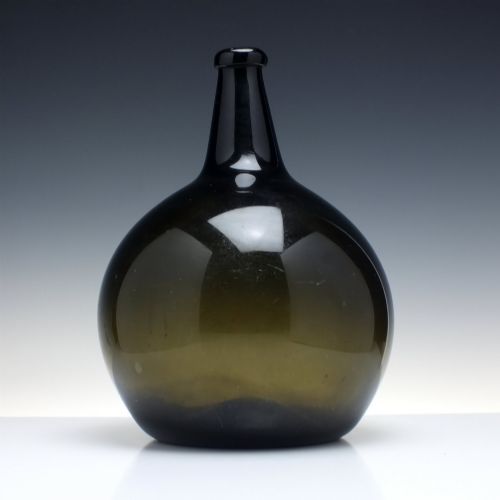
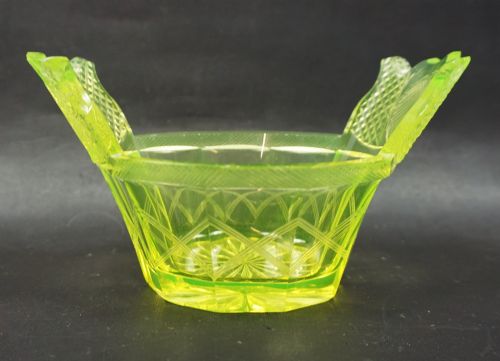
The selections on this page often take the form of hand-blown drinking vessels, alongside heavier utilitarian items like wine bottles and apothecary jars. Collectors also find related green glass pieces such as uranium glass dishes and spherical ornaments.
Most examples display the characteristic deep pigmentation known as Bristol green, shaped through traditional glasshouse methods. They reflect the dining and drinking habits of late eighteenth-century and early nineteenth-century British households.
How they were made
Glassmakers created these vessels using hand-blown lead glass, manipulating molten material on an iron pontil rod to form thick walls and sturdy bases. The deep green coloration was achieved by adding metallic oxides to the batch during melting.
Many drinking vessels feature rib-moulded surfaces, where the molten glass was inflated inside a small ribbed dip-mould before being expanded to its final size. Tooling shaped the stems, feet, and bowls while the metal remained malleable near the furnace.
Georgian Green Glasses Retail Price Guide 2026
Typical asking prices for georgian green glasses among the pieces listed under this phrase on Sellingantiques today, from the lower quarter to the upper quarter. They describe what is for sale here now, not the wider market.
Listings for georgian green glasses span the eighteenth century and the 1800 period, predominantly utilising hand-blown lead glass.
What varies in quality
Quality rests upon the purity of the metal and the stability of the vessel's form, where finer examples display even thickness and minimal trapped air bubbles. The depth and saturation of the green hue also dictate the visual strength of the piece.
Execution of rib-moulding and the neatness of the pontil scar on the underside reveal the skill of the glasshouse. Superior vessels maintain balanced proportions between bowl, stem, and foot without undue distortion.
Gillows Of Lancaster·Josiah Williams And Co·Aldridge And Green
The Georgian Green Glasses Glossary
- Bristol green
- A deep, saturated green colour traditionally associated with glass production in Bristol during the eighteenth and nineteenth centuries. This intense hue protected contents from light and became a standard for wine and spirits vessels.
- Roemer
- A large, Germanic drinking glass featuring a wide bowl atop a hollow cylindrical stem studded with prunts. English export versions adopted this shape using local green glass.
- Rib-moulded
- A technique where glass was blown into a patterned mould to impart vertical or spiral ridges onto the body. This process added both structural rigidity and decorative texture to drinking vessels.
- Pontil mark
- The rough scar left on the base of a hand-blown glass vessel where the punty rod was snapped off after finishing. Its presence confirms traditional manufacture before the adoption of machine grinding.
- Lead glass
- Heavy glass containing lead oxide, which increases brilliance, density, and working time. Georgian makers utilised this formulation to produce durable tableware with deep optical resonance.
Georgian Green Glasses: Frequently Asked Questions
What are georgian green glasses?
These are hand-blown drinking vessels and bottles produced during the Georgian era, typically featuring deep green coloration.
They encompass wine glasses, dram glasses, and roemers made from lead glass.
How were they used?
Georgian households utilised these green vessels primarily for serving wine, spirits, and cordials at the dining table.
The tinted glass helped shield contents from sunlight while adding colour to formal settings.
How to tell periods apart?
Examine the weight, pontil scar, and manufacturing characteristics of the vessel to determine its age.
Earlier eighteenth-century pieces often display heavier metal and distinct tool marks compared to later Victorian reproductions.