

Georgian Glazed Display Cupboard
A georgian glazed display cupboard brings timber and glass together to hold books or porcelain.
Georgian Glazed Display Cupboard
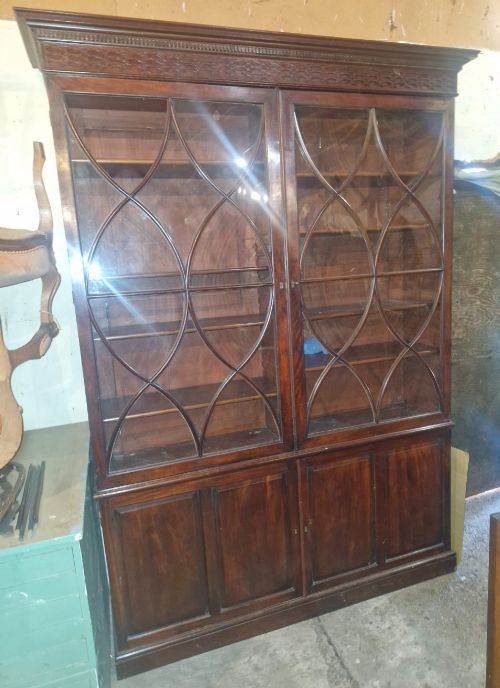
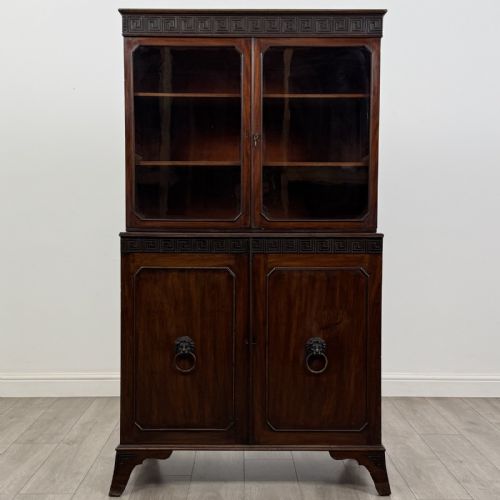
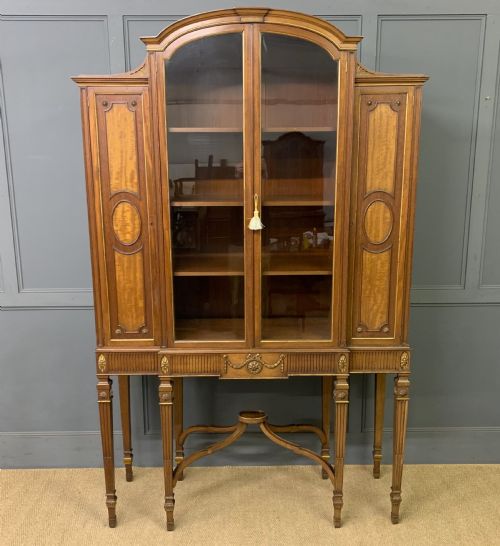
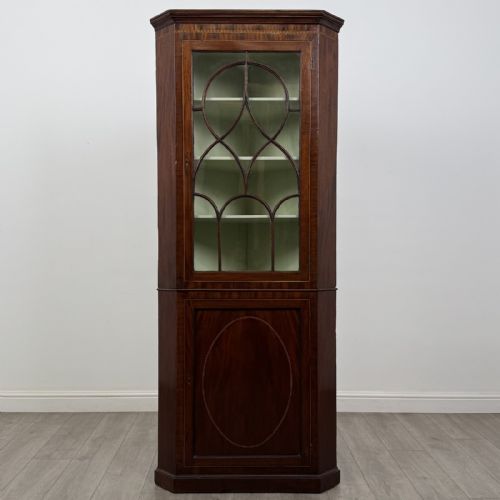
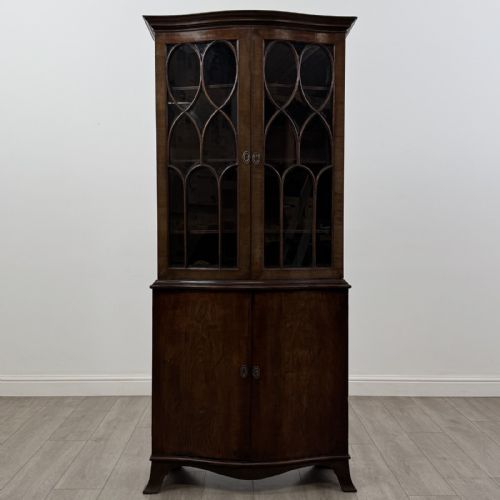
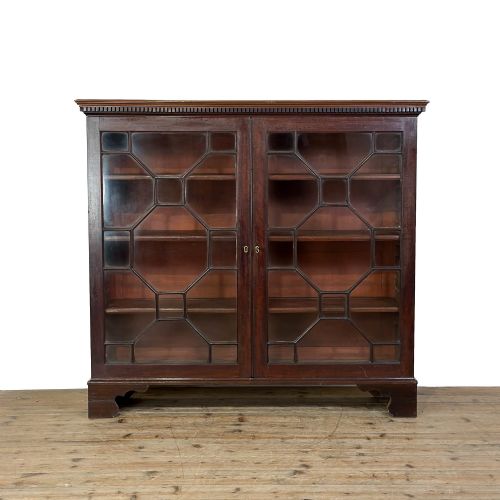
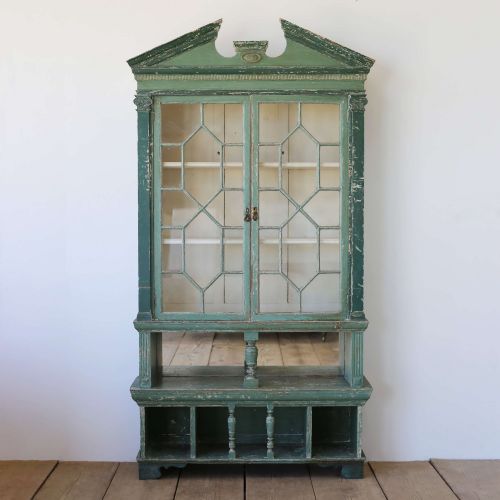
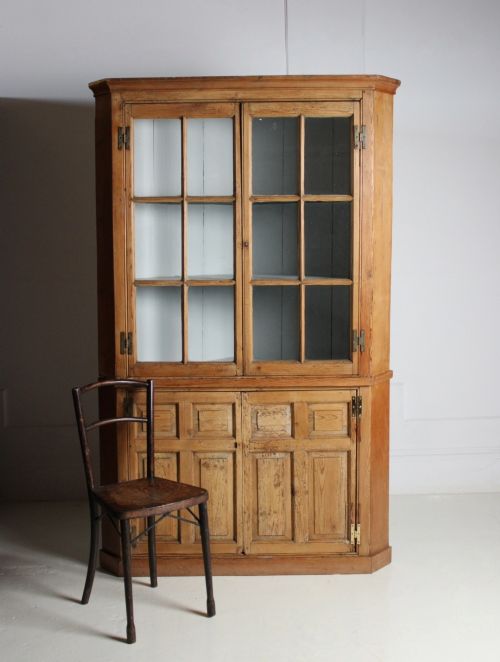
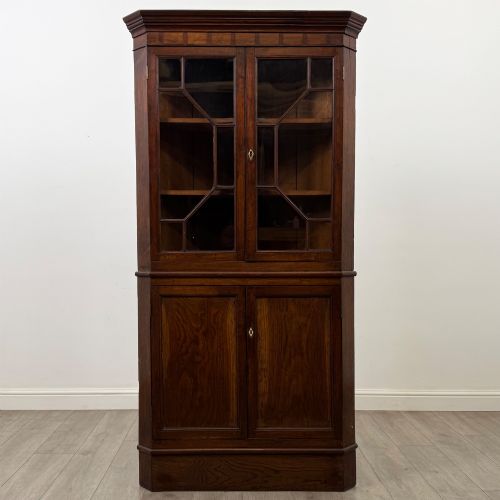
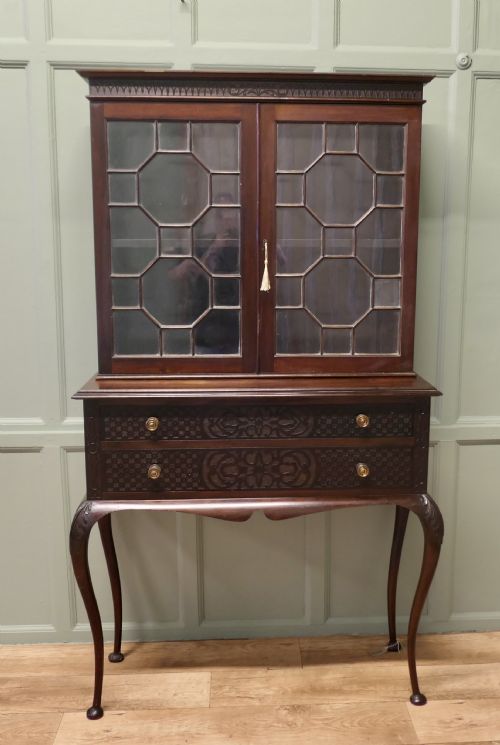
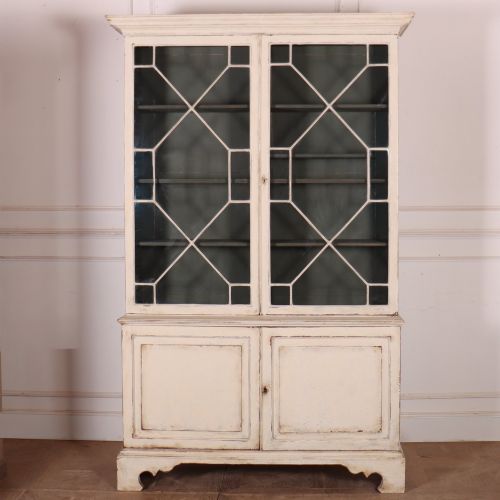
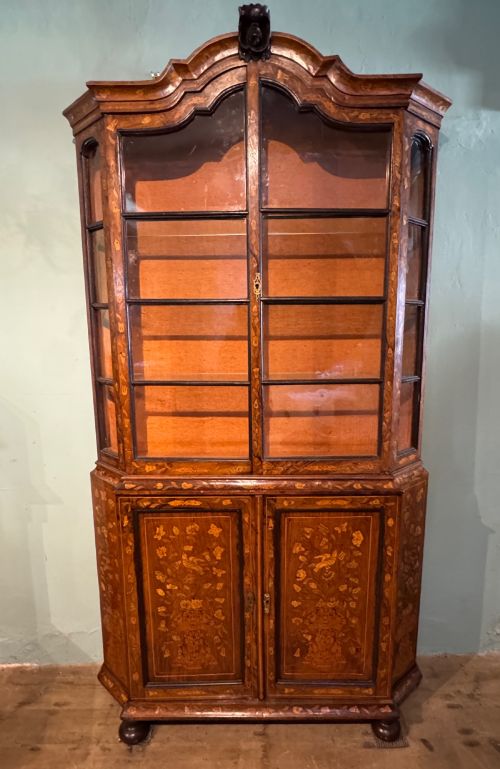
A georgian glazed display cupboard appears in various formats across this selection, ranging from floor-standing bookcases to corner cabinets designed to fit domestic spaces.
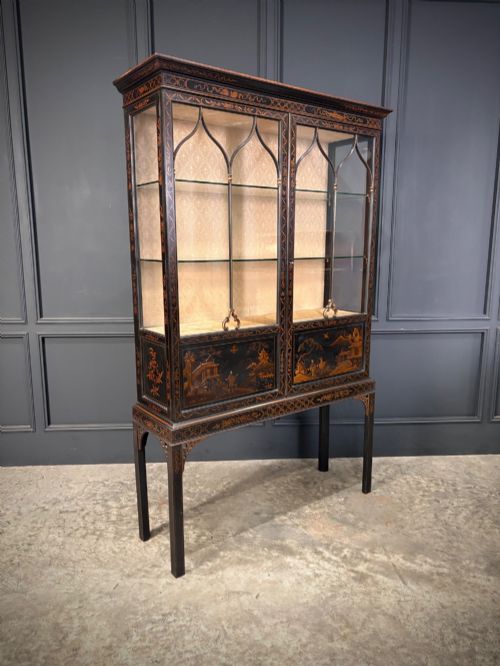
The periods represented span the 18th century through to the Edwardian era, with revival styles such as Chinese Chippendale appearing alongside pieces from the Georgian and Victorian periods.
Makers constructed these cabinets using woods like mahogany, oak, walnut, and pine, often incorporating glass doors to showcase the interior contents.
Materials and construction
Cabinet makers utilised solid timbers and veneers such as mahogany, oak, walnut, and pine, supplemented by brass hardware and glass panes.
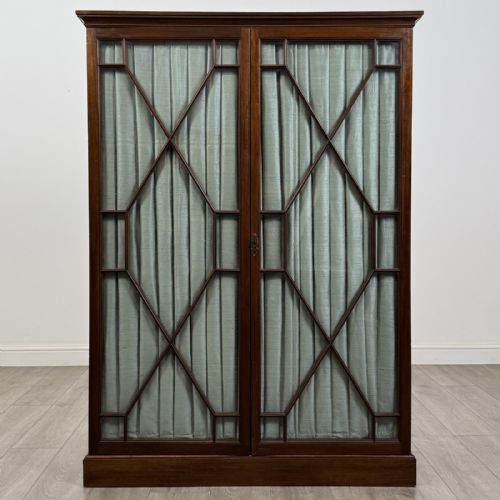
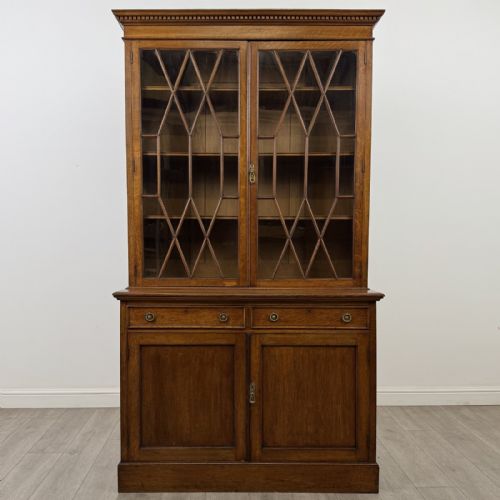
Joinery methods included framed construction for glazed doors, sometimes using astragal bars to divide the glass into smaller geometric sections.
Certain Welsh oak cupboards retain their traditional bilingual Welsh names, recording domestic life centuries ago.
Judging quality
The standard of timber selection and the precision of the joinery set finer pieces apart from standard workshop production.
Subtleties in carving detail, decorative inlay work, and the original condition of the glass panes indicate the level of craftsmanship involved.
Wylie and Lochhead·Maple and Co
The Georgian Glazed Display Cupboard Glossary
- Astragal
- The narrow timber or brass bar that holds separate panes of glass within a glazed door frame.
- Breakfront
- A piece of furniture where the central section projects forward from the flanking outer sections.
- Marquetry
- Decorative veneer work arranged in patterns using various contrasting woods.
- Corner cupboard
- A cabinet built specifically to fit into the internal corner of a room to save floor space.
Georgian Glazed Display Cupboard: Frequently Asked Questions
How do I identify a genuine period piece?
Examine the timber shrinkage, construction joints, and backboards to understand the age of the structure.
Secondary woods and nail types help distinguish original 18th or 19th-century work from later revivals.
Where were corner cupboards placed?
These cabinets were built to utilise unused room angles, freeing up wall space in dining rooms and parlours.
Floor-standing and hanging versions served to keep domestic items visible yet dust-free.
What woods were used for these cabinets?
Makers relied heavily on mahogany, oak, walnut, and pine depending on regional availability and the desired finish.
Some examples also feature painted surfaces or applied marquetry decoration over the base wood.
What is an astragal glazed door?
This construction method uses thin wooden bars to divide a large window opening into a grid of smaller glass panes.
It provides structural support while offering a clear view of the books or ceramics kept inside.