
Georgian Glass Vessel
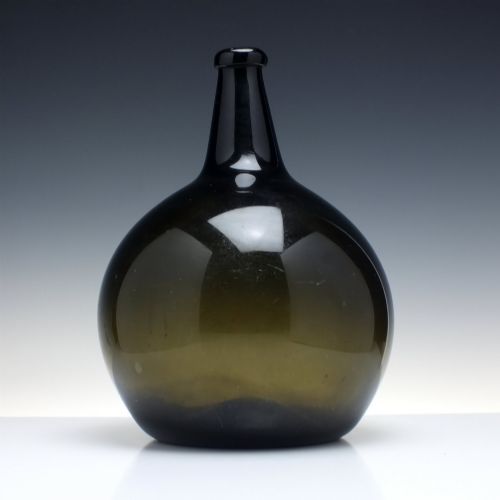
A georgian glass vessel brings tactile weight and crisp light reflection to a table, offering genuine domestic history.
Georgian Glass Vessel
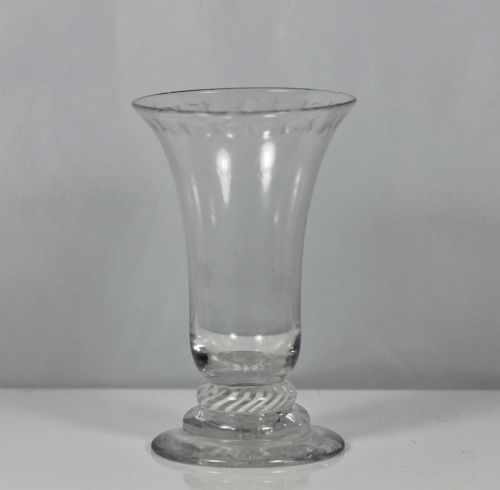
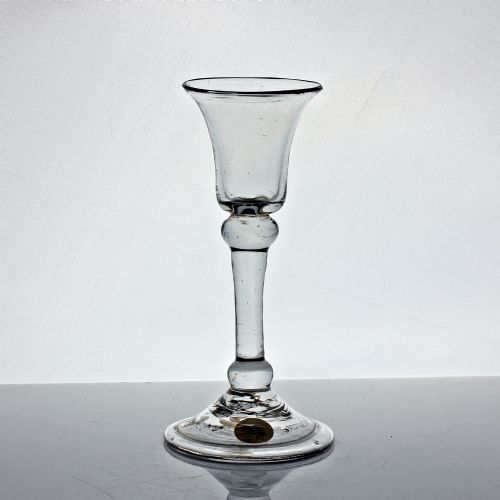
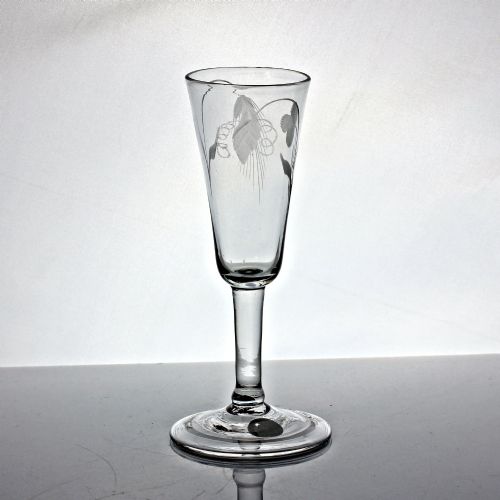
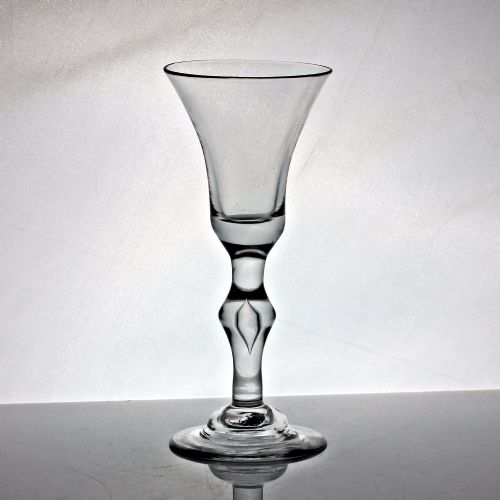
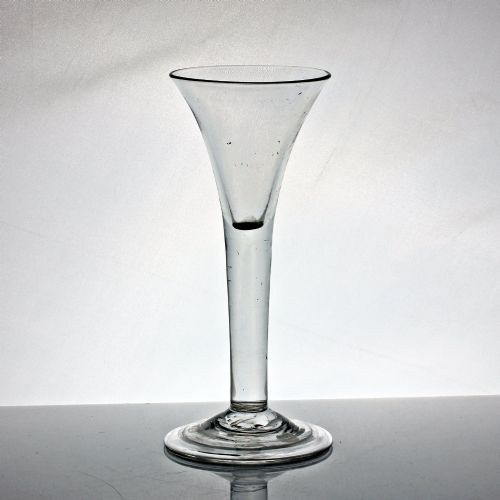
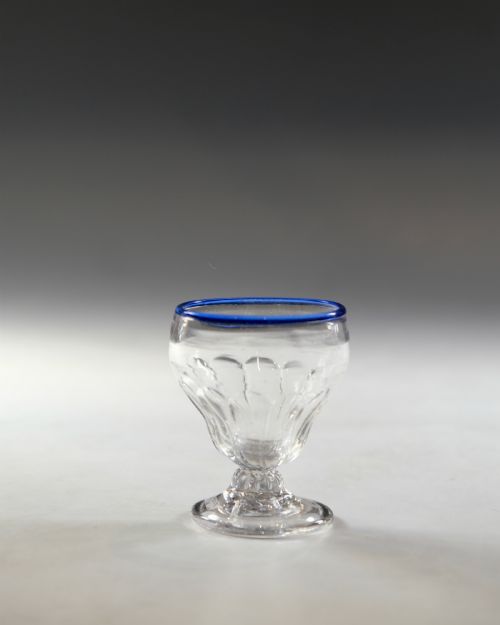
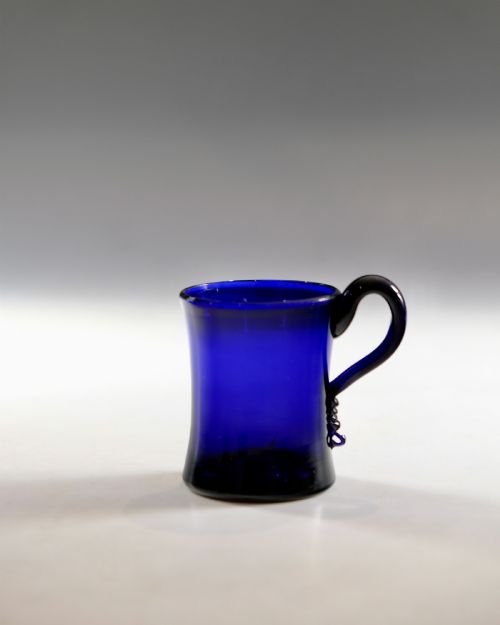
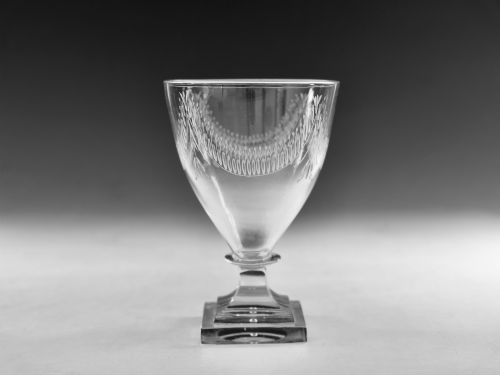
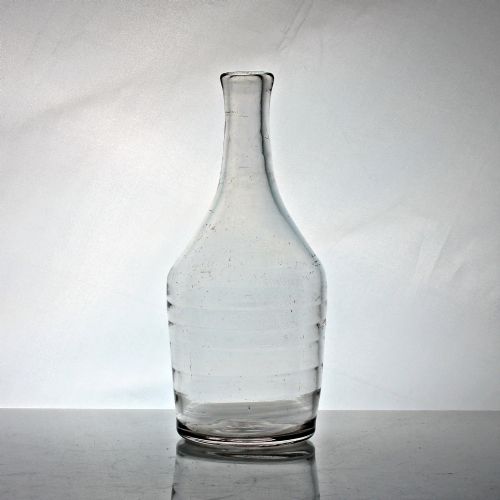
A georgian glass vessel encompasses tablewares, drinking vessels, and storage bottles originating predominantly across the eighteenth and early nineteenth centuries. Buyers encounter diverse forms ranging from robust wine bottles and tankards to delicate dram glasses, rummers, and sweetmeat containers.
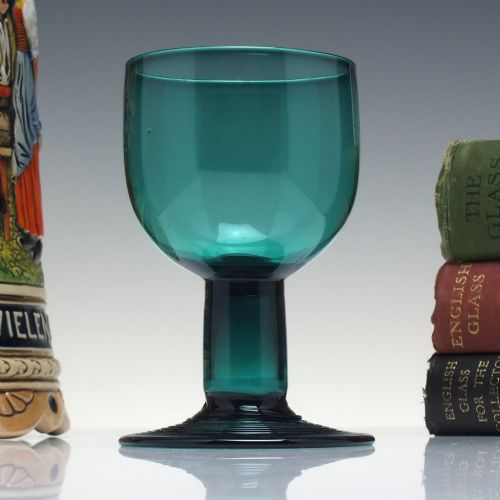
The selection here draws heavily upon lead glass and clear glass examples spanning the mid eighteenth century through the regency era. Pieces reflect practical household needs of the period, executed in clear, green, blue, and opaline glass.
Tableware categories feature specialised items such as bonnet glasses, celery vases, oil lamps, and jelly glasses alongside standard wine glasses. English and Scottish workshops dominate the record, alongside occasional continental pieces like bohemian decanters.
Materials and methods
Makers utilised lead glass and heavy flint glass, valued for clarity and substantial heft. Hand-blown techniques created foundational vessel forms, often manipulated while hot to form ribs, twists, and applied handles.
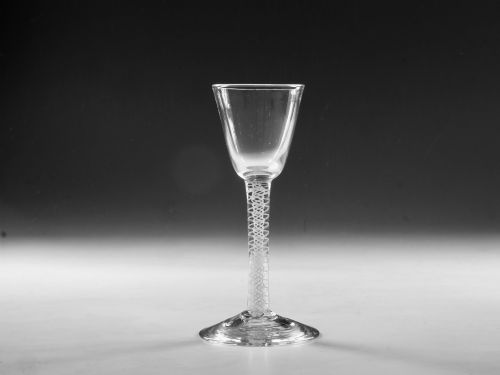
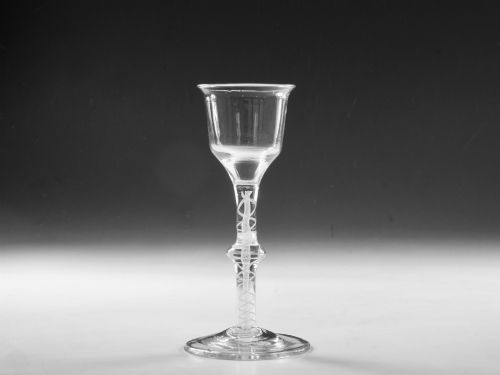
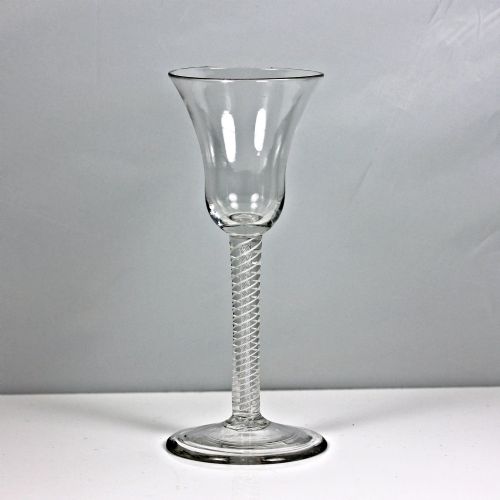
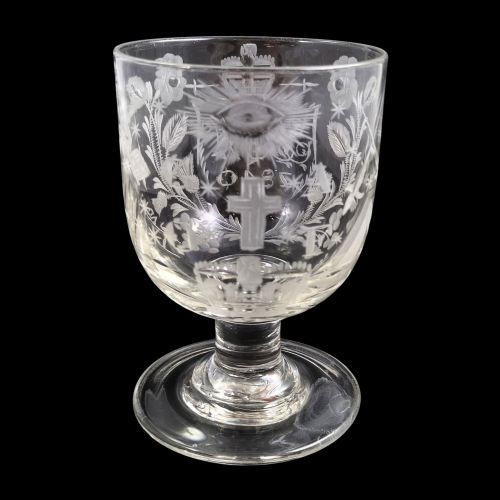
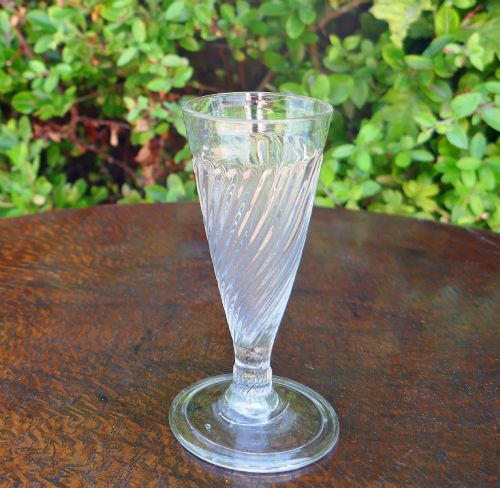
Surface decoration involved wheel engraving, cutting, and nut moulding to catch candlelight. Twist stems on drinking glasses incorporated intricate air or opaque glass threads within the molten matrix.
Listings feature lead glass and hand-blown glass across eighteenth-century and nineteenth-century periods.
Assessing quality
Quality rests upon the purity of the metal and the crispness of execution in cutting and engraving. Superior pieces exhibit balanced proportions, well-formed knops, and precise optical effects within twist stems.
The weight of the lead glass and stability of the foot inform the standing of a vessel. Skillful manipulation during blowing distinguishes master work from heavier, routine utility items.
Preservation of original surface brilliance and minimal wear to high points indicate careful handling over centuries.
The Georgian Glass Vessel Glossary
- Rummer
- A heavy drinking glass with a capacious bowl on a short stem, popular for ale and wine.
- Baluster stem
- A thick, swelling stem form reminiscent of architectural balusters, common in early eighteenth-century pieces.
- Opaque twist
- A stem decoration formed by white or coloured enamel glass rods drawn into spirals within clear glass.
- Bonnet glass
- A small, shallow glass vessel used for sweetmeats or desserts, often featuring fluted or panelled bowls.
- Folded foot
- A base edge turned under during manufacture to provide extra strength and a smooth rim.
Georgian Glass Vessel: Frequently Asked Questions
Were these vessels used daily?
Many items served practical daily functions at the dining table, tavern, or bedside, from holding wine and ale to storing condiments. Sturdier pieces like rummers and tankards endured robust everyday handling.
More delicate forms, such as air twist wine glasses and sweetmeat vessels, belonged to formal dining and dessert courses. Their survival reflects careful stewardship by generations of owners.
How can I tell an air twist from an opaque twist?
An air twist contains internal thread-like channels of trapped air drawn into spirals within the clear stem. They typically date toward the mid eighteenth century.
An opaque twist utilises solid white or coloured glass rods embedded within the stem matrix. These produce a brighter, opaque white ribbon effect that became widespread after about seventeen hundred and sixty.
Why do some glasses have folded feet?
Makers folded the rim of the foot underneath during hot working to add physical weight and structural reinforcement. This technique protected the vulnerable outer edge from chipping during vigorous tavern or dining use.
Folded feet serve as a helpful indicator of earlier manufacture, appearing frequently on pieces from the first half of the eighteenth century.