


Blown Glass Jar
A blown glass jar brings tactile history into a room, holding the subtle irregularities of hand-working that catch the daylight.
Blown Glass Jar
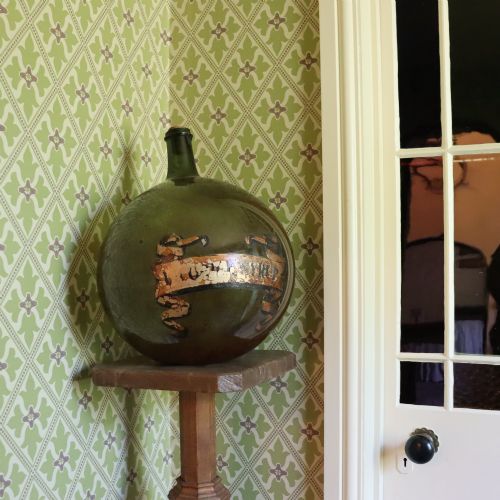
When you search for a blown glass jar, you enter a world of utilitarian vessels that once served pharmacies, French country kitchens, and grand dining rooms. The pieces recorded here span from the eighteenth century through the Victorian era and into the early twentieth century, showing remarkable variety in scale and function.
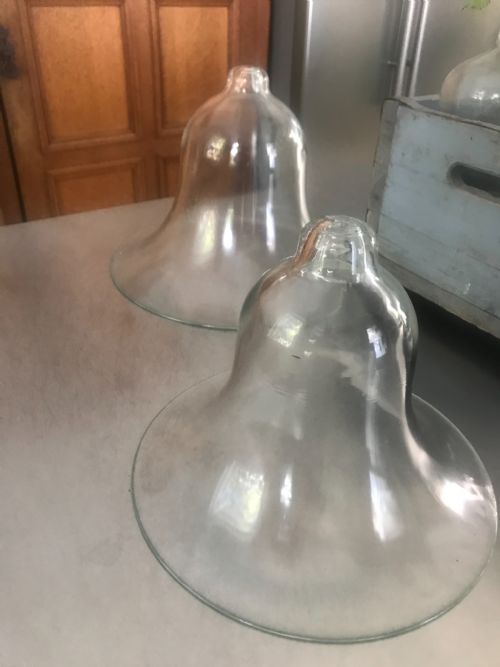
The most common forms you will meet on this page are large apothecary carboys and chemist jars, alongside French pickling jars, bell jar lanterns, and occasional lidded biscuit barrels. These objects evolved from practical storage and dispensing roles into decorative focal points.
How they were made
Makers shaped these vessels using free-blowing and mold-blowing techniques, gathering molten glass on a blowpipe and manipulating it by hand. This process leaves characteristic pontil marks, surface bubbles, and slight wall thickness variations that mark genuine age.
Clear glass and crystal dominate the material record, often paired with diamond cutting or applied brass elements for more formal lighting and display forms. Specialised pieces such as cranberry glass required specific mineral additions during melting to achieve their deep red colour.
Some old pickling jars still smell faintly of French truffles and vinegar after two centuries.
What varies in quality
Quality in these vessels rests in the integrity of the form and the optical liveliness of the metal. Thicker, heavier walls with pronounced hand-blown characteristics command attention, while cleaner crystal clarity determines the value in finer decorative jars.
The survival of original lids, stoppers, or complementary brass mounts elevates certain storage pieces far above standard examples. Proportion and scale also dictate worth, as exceptionally large carboys and intact pairs are scarcer than single, smaller bottles.
The Blown Glass Jar Glossary
- Carboy
- A large, bulbous glass bottle or jar, usually housed in a protective basket or frame, designed for holding liquids. They were widely used in laboratories, pharmacies, and commercial trade.
- Pontil mark
- The rough scar left on the base of a blown glass vessel where the pontil rod was snapped off after shaping. Its presence is a key indicator of traditional hand-blowing methods.
- Cranberry glass
- A rich red glass created by adding gold chloride to the molten batch during production. It achieved widespread popularity during the Victorian period for tableware and decorative storage.
- Bell jar
- A bell-shaped glass vessel used historically for covering food, protecting delicate plants, or enclosing lighting fixtures. The form emphasises smooth curves and clear visibility.
Blown Glass Jar: Frequently Asked Questions
How were glass jars used historically?
These vessels served chiefly practical roles in commercial trade, medical dispensing, and food preservation. Apothecaries and chemists relied on large carboys and jars to store liquids, powders, and herbs.
In domestic settings, similar jars preserved produce like cornichons and truffles, while specialised bell jars protected delicate plants or served as cloches in French gardens.
How can I tell eighteenth century glass apart from Victorian pieces?
Eighteenth century examples frequently display deeper metal irregularities, heavier pontil scars, and more organic, asymmetrical forms due to less standardised production methods. French pickling and truffle jars from this period often show thick, bubbly walls.
Victorian glass tended toward greater standardisation, introducing brilliant-cut crystal, vibrant cranberry colours, and refined chemist carboys with precise stoppers.
Can I use these old jars for food storage?
While many original jars were designed for provisions, antique glass can be porous or reactive depending on its lead content and age. It is wiser to display them dry or use non-consumable fillers.
Internal residue from old chemicals or pickling brine may also linger in the pores of early glass, making them unsuitable for modern consumption.