

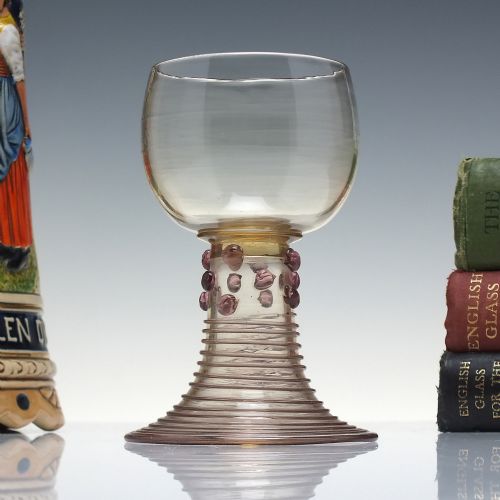


Georgian Glass Cup
These pieces of georgian glass cup range from handled jelly vessels to small tablewares, offering tactile weight and historic charm for daily use.
Georgian Glass Cup
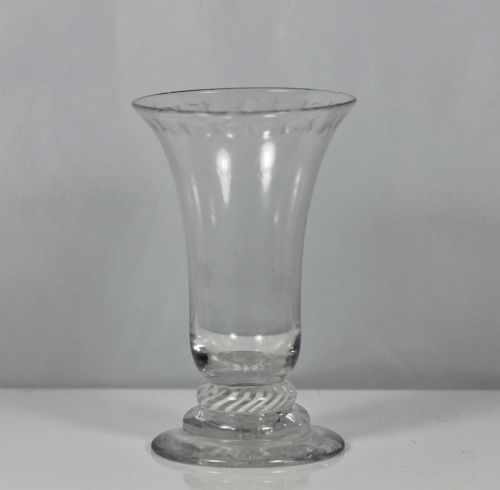
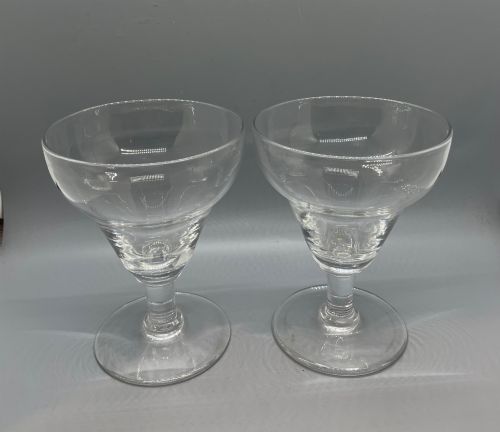
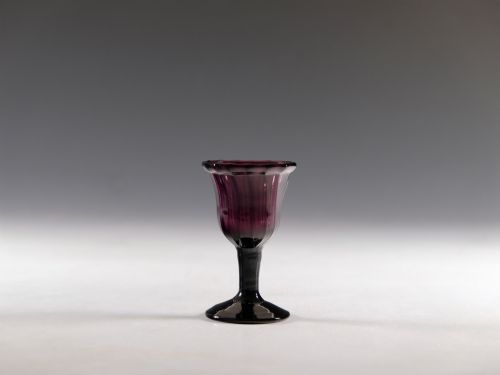
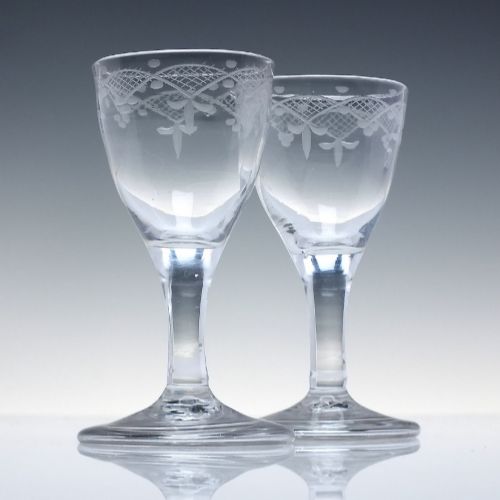
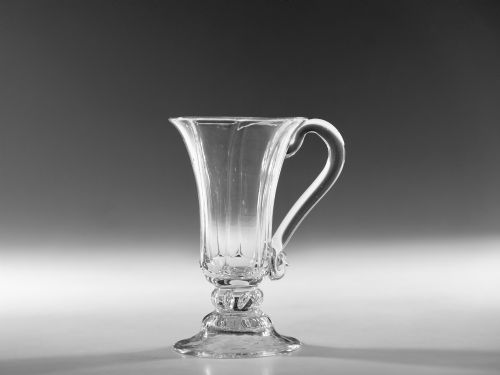
A georgian glass cup encompasses small vessels for table service, including egg cups, jelly glasses, custard glasses, and dram glasses made during the eighteenth and early nineteenth centuries. Buyers searching for a georgian glass cup frequently encounter specialised forms like double-handled jelly vessels or footed dram glasses intended for spirits and desserts.
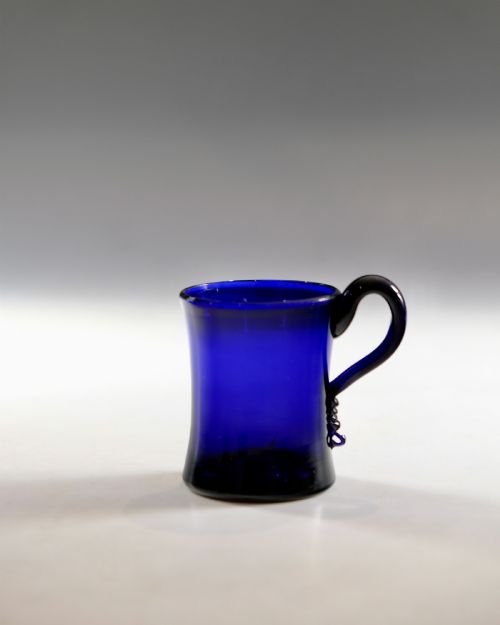
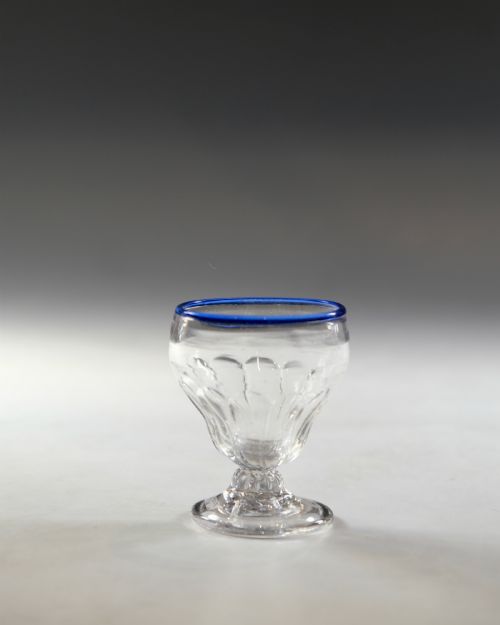
The selection includes pieces in opaque white opaline, Bristol blue, cobalt, amethyst, turquoise, and clear lead crystal. Many examples originate from English workshops operating in the Georgian and Regency periods.
Materials and manufacture
Makers utilised lead glass, clear glass, and coloured glass, often shaped through hand-blowing and panel moulding techniques. Coloured variants incorporate cobalt, amethyst, and white opaline materials into the molten batch or apply tinted rims.
Finishing touches involve folded feet, engraved details, and wrythen ribbing. Lead crystal formulations provide the substantial weight and refractive clarity seen across the period pieces.
Georgian Glass Cup Retail Price Guide 2026
Typical asking prices for georgian glass cup among the pieces listed under this phrase on Sellingantiques today, from the lower quarter to the upper quarter. They describe what is for sale here now, not the wider market.
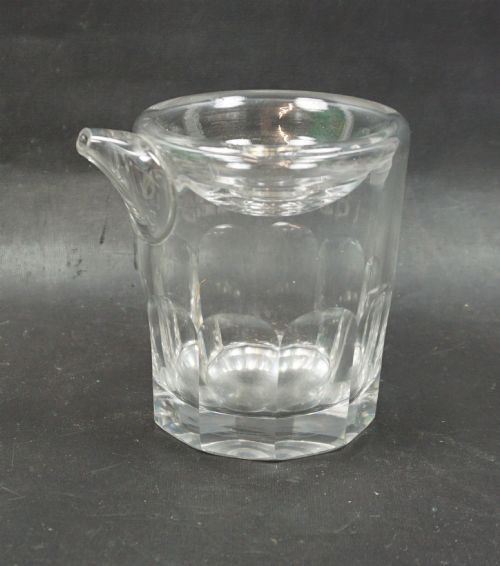
Medical cupping sets share shelf space with delicate jelly glasses, proving Georgian glass served both health and dessert.
Assessing quality
Quality rests on the crispness of moulding, the depth and clarity of hand-engraving, and the purity of the metal. Fine examples exhibit balanced proportions, well-finished pontil marks, and distinct colour saturation in blue, amethyst, or green varieties.
Surface wear, rim smoothness, and the complexity of stem formations or handles distinguish standard utility wares from superior cabinet pieces.
John Millikin·W A Ellwick Ltd
The Georgian Glass Cup Glossary
- Pontil mark
- The rough scar left on the base of a vessel where the punty rod was detached after blowing. This feature assists in confirming hand-blown manufacture.
- Lead glass
- Glass containing lead oxide, which increases brilliance, weight, and workability for cutting and engraving. It defines much of the tableware from this era.
- Wrythen
- A spiral decorative pattern formed in the glass while molten by twisting the gather before blowing into a mould. It creates diagonal optic ribs.
- Opaline glass
- An opaque or translucent white glass popular for small cups and tableware. It imitates porcelain while retaining a smooth glass texture.
- Dram glass
- A small drinking vessel designed for a single measure of spirits. These pieces often feature folded feet for stability.
Georgian Glass Cup: Frequently Asked Questions
What were georgian glass cups used for?
These small vessels served various table functions, from holding eggs, custards, and jellies to serving drams of spirits and wine at dinner.
Their specific shapes corresponded to dining customs of the eighteenth and nineteenth centuries, holding rich desserts or small portions of alcohol.
How do I identify a genuine period piece?
Examine the base for a pontil mark and look for the characteristic weight and greyish hue of lead glass. Hand-blown irregularities and subtle tool marks often distinguish older items from later reproductions.
Colour saturation in blue, amethyst, or opaline examples also points to period manufacturing methods.
Can I use these cups for daily dining?
Many buyers enjoy incorporating these antique cups into modern settings for table service or display. Hand washing in tepid water preserves the historic glass safely.
Careful handling ensures these fragile items survive for continued domestic use.
What styles are common in these listings?
Listings feature Georgian, Regency, and early nineteenth-century designs, including panel moulding and etched decoration. Clear lead crystal sits alongside coloured glass variants.
Forms range from simple egg cups to double-handled jelly vessels and dram glasses.