


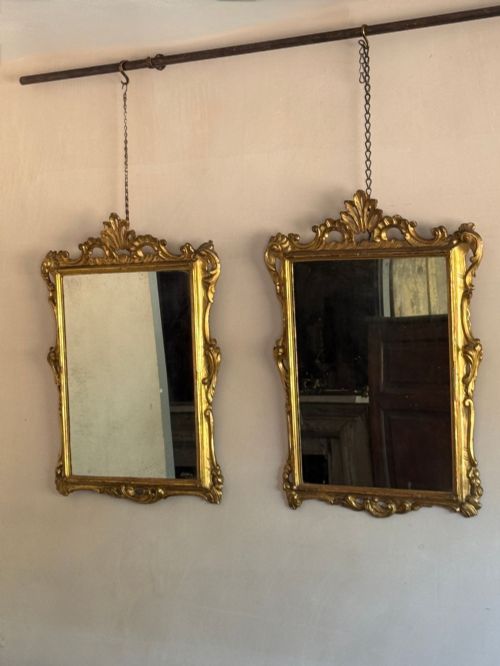
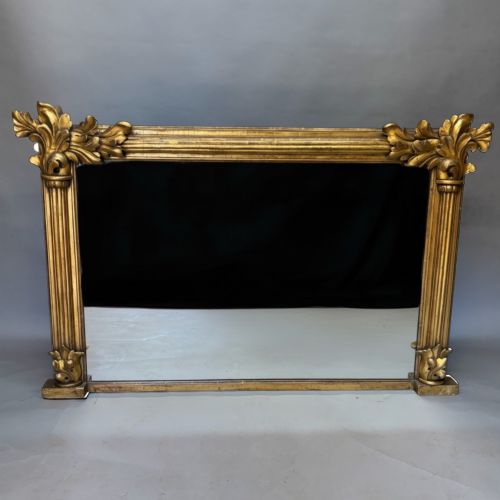

Georgian Gilt Frame
When you search for georgian gilt frame, you enter a world of gilded woodwork that brings warmth and historic presence to any wall.
Georgian Gilt Frame
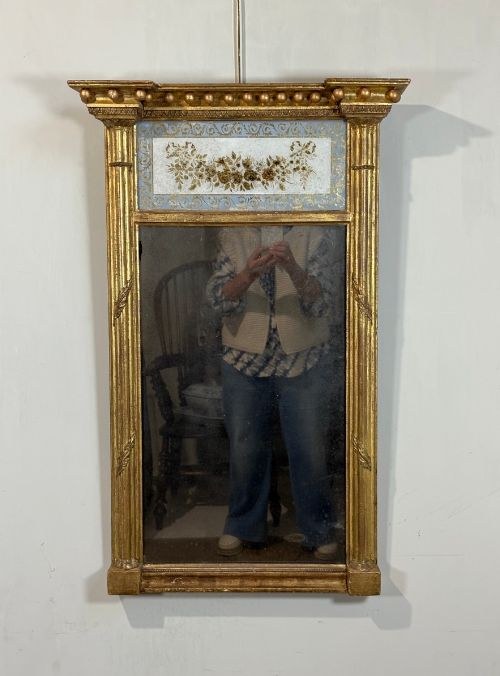
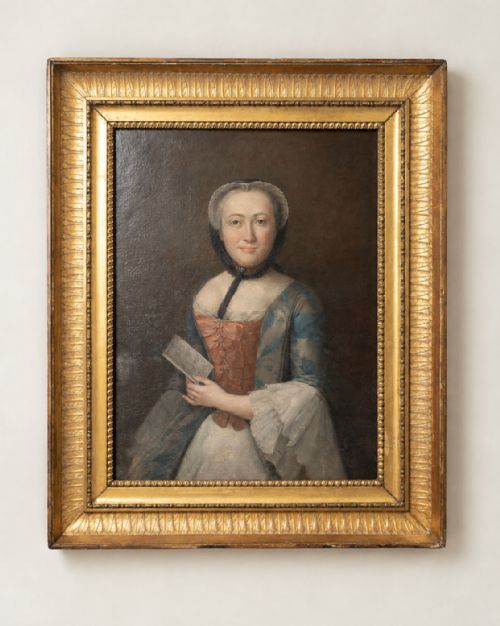
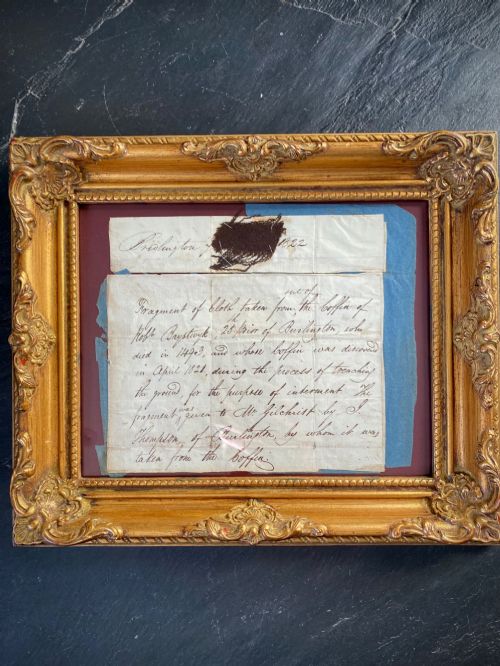
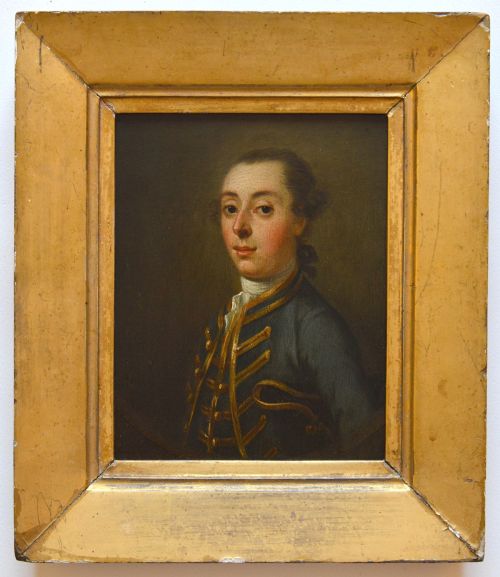
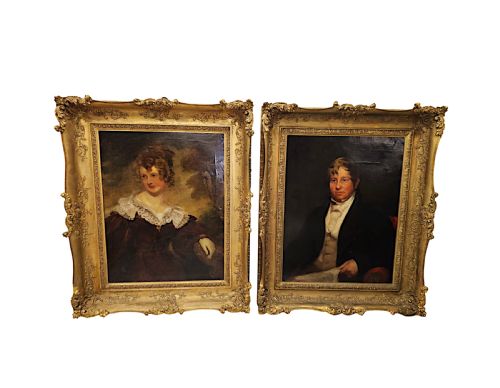
A georgian gilt frame represents a high point in British and European interior decoration, designed to house oil paintings, mirrors, and portrait miniatures. These pieces emerge primarily from the eighteenth and nineteenth centuries, reflecting styles from early Georgian through to Regency and William IV.
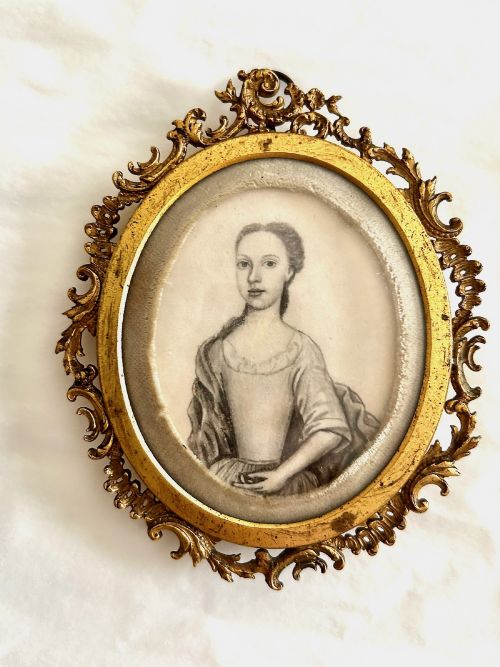
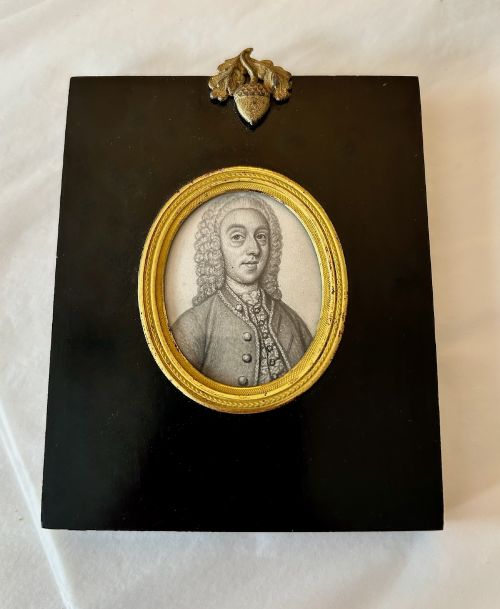
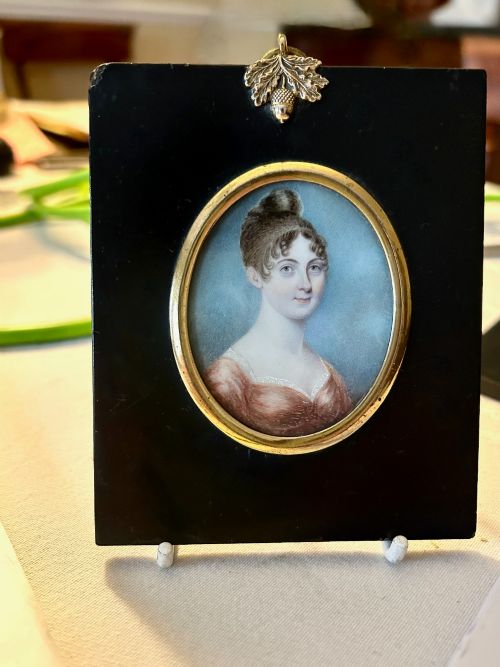
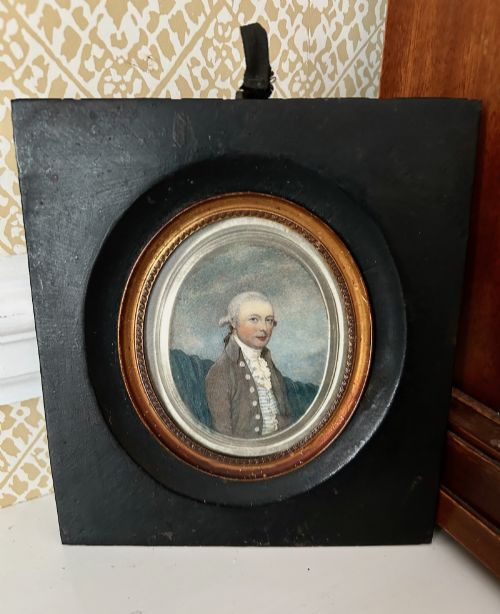
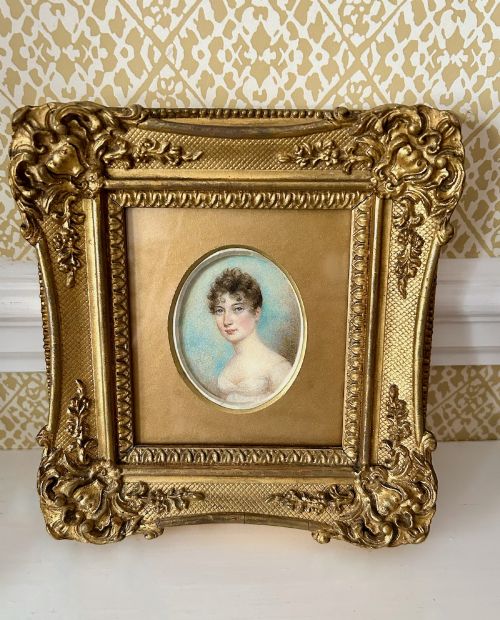
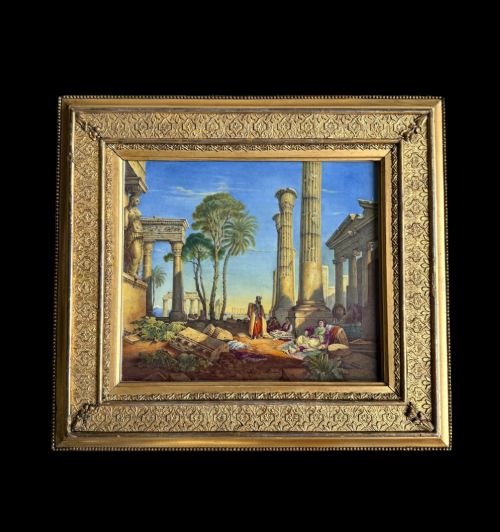
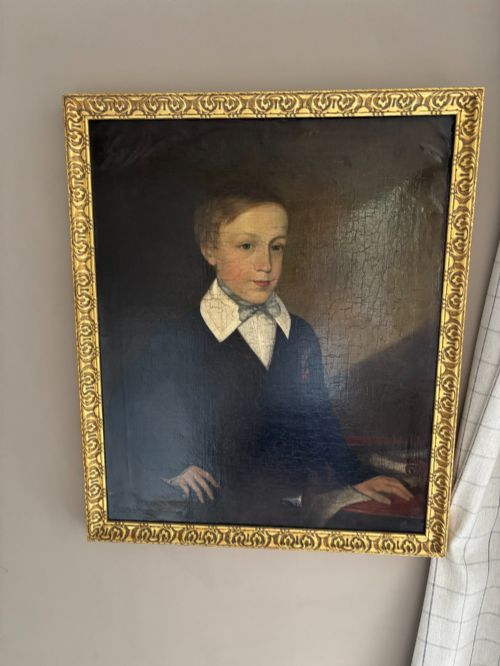
The most common forms found on this page are wall mirrors and oil paintings enclosed within wood structures finished in gold leaf or parcel gilt. Object types also span framed artwork, watercolours, and portrait miniatures set within smaller wooden or metallic surrounds.
Origins stretch across British and French schools, encompassing periods such as the 17th century through to 1900 with revival pieces like Adam style mirrors. Buyers encounter everything from simple parcel gilt wall mirrors to elaborate giltwood carved frames surrounding historical portraits.
Materials and Techniques
Makers constructed the structural core using woods such as pine, oak, or birds-eye maple, providing a stable foundation for decorative embellishment. Craftsmen then applied layers of gesso, a fine plaster mixture, to the wooden base to create smooth surfaces for carving and moulding.
The characteristic golden finish relies on the careful application of gold leaf or parcel gilt techniques over the prepared gesso and bole. Artisans also worked with glass, oil on canvas, paper, and panel substrates to complete the framed artworks and mirrors.
Georgian Gilt Frame Retail Price Guide 2026
Typical asking prices for georgian gilt frame among the pieces listed under this phrase on Sellingantiques today, from the lower quarter to the upper quarter. They describe what is for sale here now, not the wider market.
Listings feature items spanning the 17th, 18th, and 19th centuries, utilising materials including giltwood, gesso, glass, and oil on canvas.
Judging Quality and Craftsmanship
Quality rests in the crispness of the gesso moulding and the depth of the hand-carved detail in the wooden substrate. Finer examples display meticulous attention to proportion and ornament, whereas lesser pieces show softer contours and coarser surface preparation.
The integrity of the original gilding surface heavily influences the desirability of a piece. Preserved gold leaf that retains its natural warmth and texture distinguishes superior creations from heavily restored or later repainted surfaces.
Frederick Buck·Thomas Frye·Joseph Clover·Benjamin Barker of Bath·Samuel Howitt
The Georgian Gilt Frame Glossary
- Giltwood
- Wood that has been coated with gold leaf or gold powder. This material forms the primary structure of many high-status mirrors and picture frames from the period.
- Gesso
- A paint mixture consisting of a binder mixed with chalk, gypsum, or pigment. Craftsmen apply it to wood frames to build up relief details before applying gold leaf.
- Parcel Gilt
- A decorating technique where only specific parts of an object receive gilding while the rest shows the underlying wood. This method highlights carved motifs and mouldings.
- Portrait Miniature
- A small, highly detailed painting on ivory, vellum, or card. These intimate works often feature elaborate gilt or gold-plated frames.
- Mezzotint
- A printmaking process of the dark manner where the artist works from dark to light on a roughened copper plate. Many examples appear in period frames.
Georgian Gilt Frame: Frequently Asked Questions
What is a georgian gilt frame?
A georgian gilt frame is a wooden border finished with gold leaf or gesso, created during the eighteenth or early nineteenth century to display mirrors and fine art.
These pieces showcase traditional craftsmanship, often featuring intricate mouldings and carved details designed to complement the artwork or glass they enclose.
How were these frames used originally?
Originally, these items hung in drawing rooms, parlours, and grand staircases of stately homes to reflect candlelight and display important family portraits.
Wall mirrors amplified natural light in domestic spaces, while framed oil paintings and miniatures served as statements of status, taste, and lineage.
How do I style a gilt frame today?
A gilt frame works effectively as a focal point on a plain painted wall, bringing texture and historic contrast to contemporary interiors.
They mix well with modern furnishings, adding warmth and a sense of narrative depth when hung individually or grouped within a gallery wall.
How can I tell the period of a frame?
Dating relies on examining the construction woods, the composition of the gesso layers, and the style of carving, such as Rococo curves or Regency lines.
Secondary clues include the backing boards, fixings, and the ageing characteristics of the gold leaf and underlying bole.