

Georgian Gilded Glass
Georgian gilded glass brings together brilliant drinking vessels and gleaming mirrors framed in gold leaf, offering timeless elegance to any room.
Georgian Gilded Glass
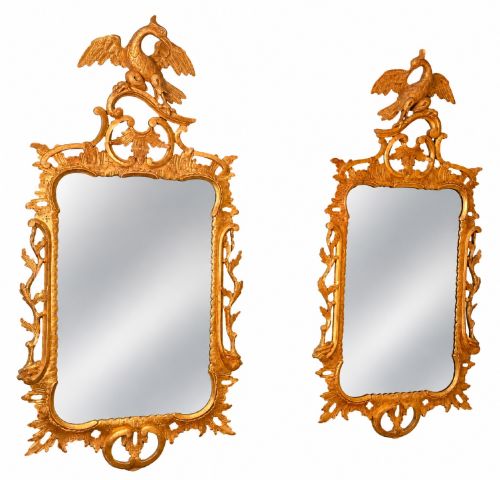
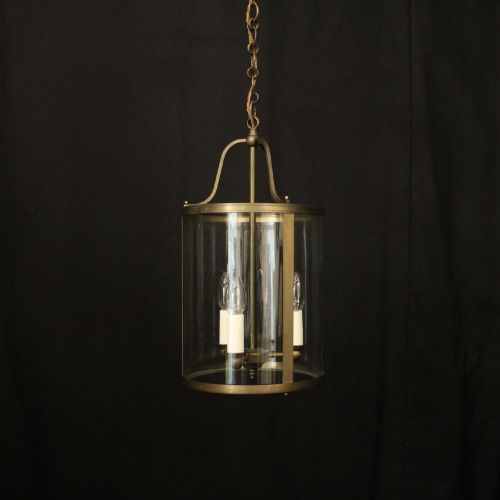
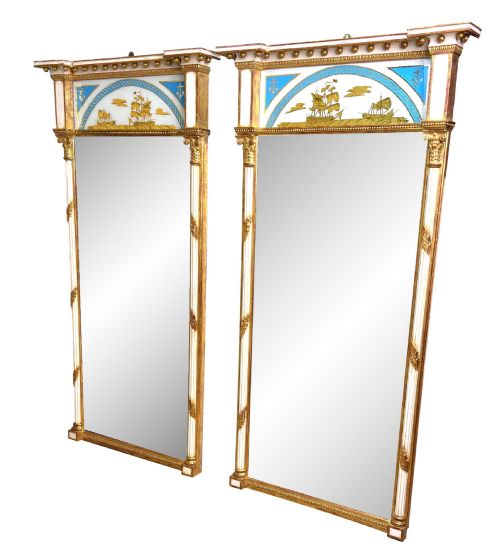
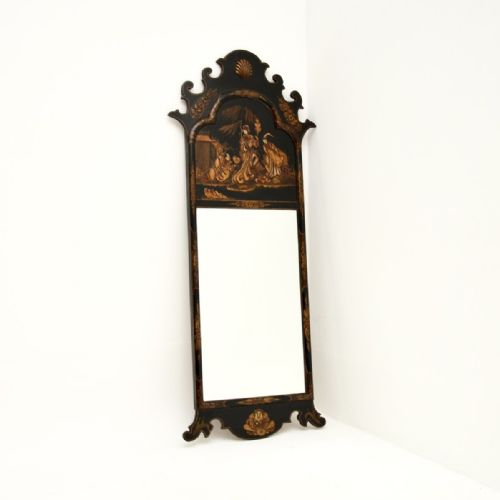
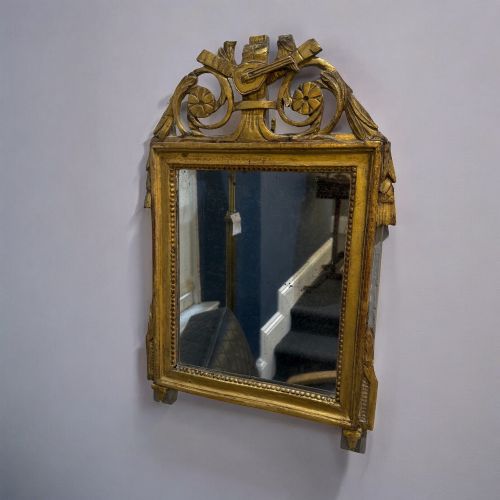
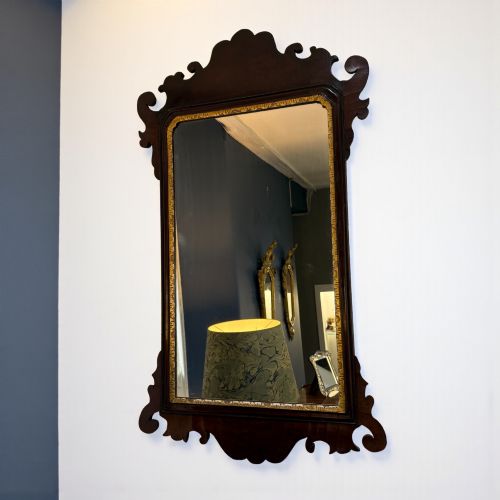
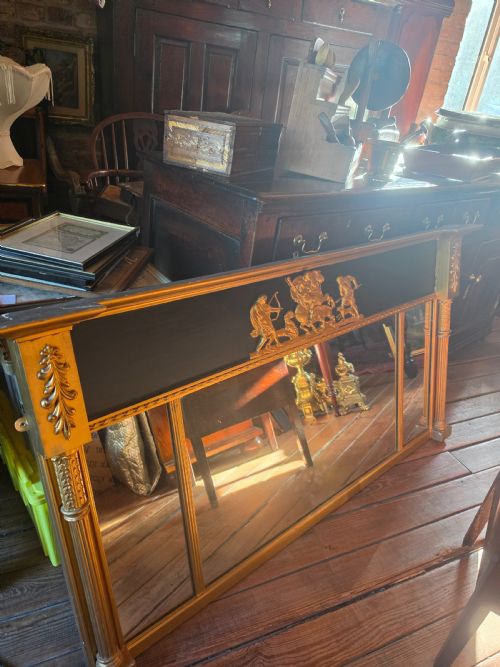
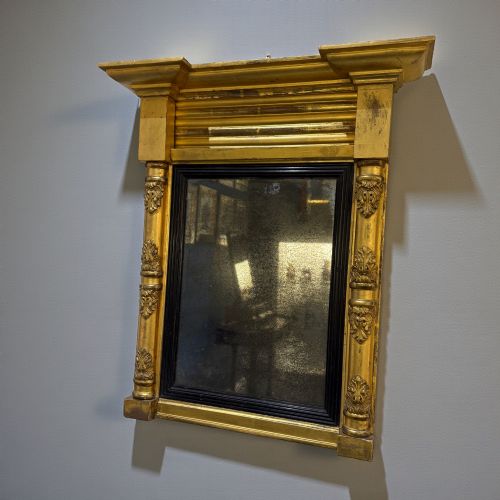
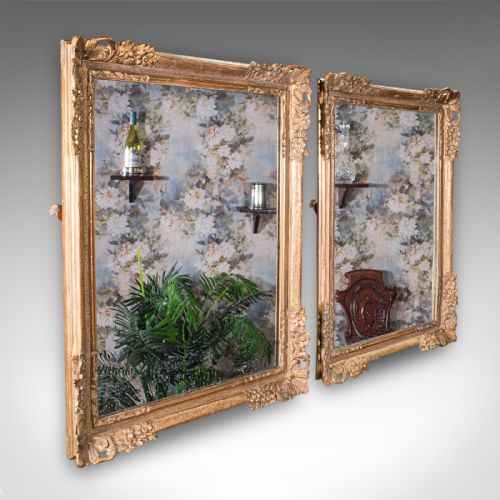
When you search for georgian gilded glass, you encounter sophisticated drinking vessels and decorative wall mirrors that capture the aesthetic of the eighteenth and early nineteenth centuries. The selection spans delicate table glass alongside substantial giltwood and gesso framed looking glasses.
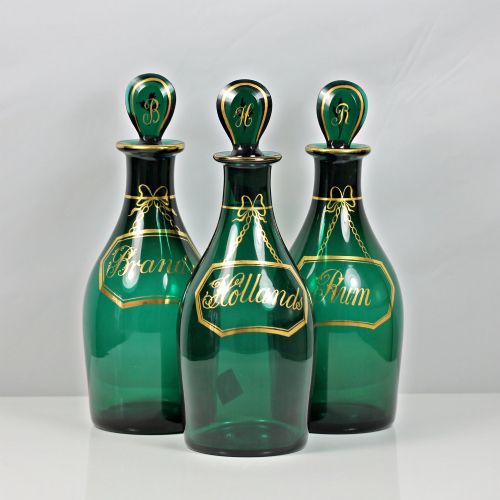
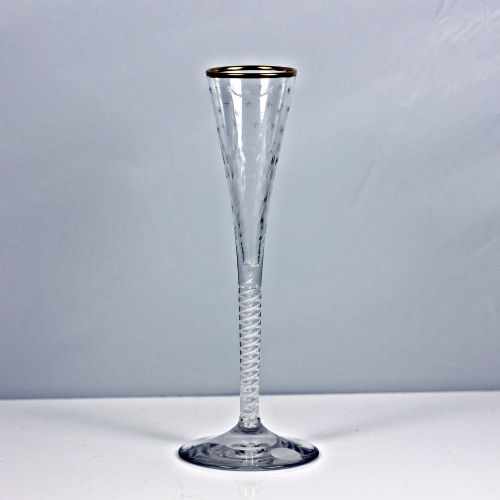
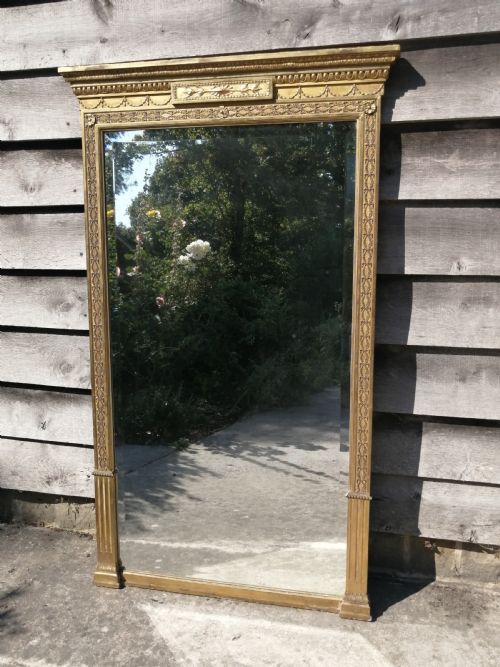
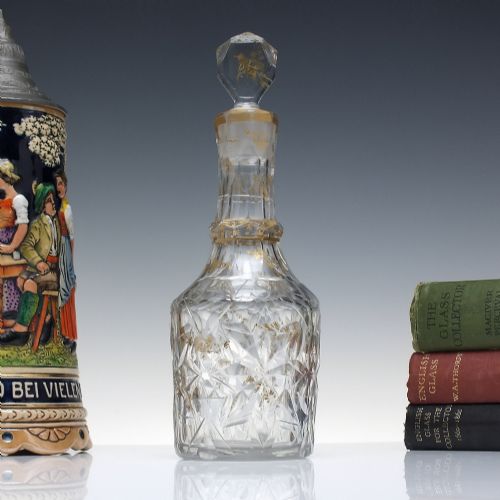
Vessels include cut glass decanters and engraved ratafia glasses embellished with gold detailing, while the mirror forms encompass pier glasses, convex butler mirrors, and large overmantels. These objects reflect the refined craft of historical English workshops.
The dominant material expressions combine clear or coloured glass with rich layers of gold leaf applied directly to wooden frames or reverse glass panels. Such pieces demonstrate the decorative ambitions of the Georgian and Regency periods.
How they were made
Makers shaped glass through blowing and cutting, often adding intricate engraving or applying gold leaf to surfaces in specialised workshops such as that of James Giles. Frames for mirrors relied on carved wood, gesso, and composition applied over a solid wooden base.
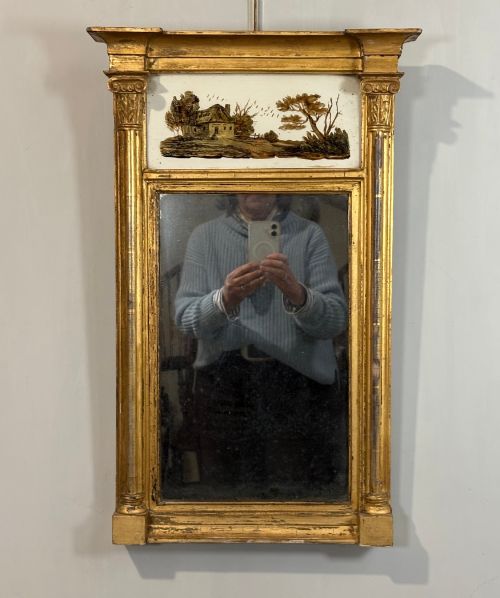
Guilders applied thin sheets of gold leaf over bolus to create a luminous metallic finish on mirror frames and reverse glass prints. Artisans also utilised verre eglomise techniques to paint and gild designs onto glass panels.
Georgian Gilded Glass Retail Price Guide 2026
Typical asking prices for georgian gilded glass among the pieces listed under this phrase on Sellingantiques today, from the lower quarter to the upper quarter. They describe what is for sale here now, not the wider market.
Listings within georgian gilded glass span both functional vessels like Bristol blue decanters and decorative furnishings including Adam Revival overmantel mirrors.
What varies in quality
The distinction between ordinary and exceptional examples rests upon the crispness of the hand-carved detail in the giltwood frames and the precision of the glass cutting or engraving. Superior pieces retain their original mirror plates and authentic gold leaf rather than later modern restorations.
Proportion and balance dictate the standing of a mirror or decanter, with finer works displaying harmonious lines and sophisticated decorative motifs true to their period design.
James Giles·Gillows Of Lancaster·John Belchier
The Georgian Gilded Glass Glossary
- Giltwood
- Wood that has been coated with gold leaf. This finish defines the frames of many period wall mirrors.
- Verre eglomise
- A cold decoration technique where gold or silver leaf is applied to glass and then etched and painted. It appears frequently on Regency pier glass panels.
- Gesso
- A plaster mixture applied to wood frames to create a smooth surface for gilding. It allows for intricate moulded details.
- Parcel gilt
- Objects decorated with partial gilding, highlighting specific carved areas against a painted or polished wood background.
- Opaque twist
- A type of glass stem enclosing white or coloured enamel threads inside clear glass. It is found on eighteenth-century drinking vessels.
Georgian Gilded Glass: Frequently Asked Questions
What defines georgian gilded glass?
These items encompass decorative mirrors with gold leaf wooden frames and fine glass tableware featuring gilded or enamelled decoration. They originate predominantly from the eighteenth and early nineteenth centuries.
The category bridges functional drinking vessels and grand interior furnishings, all sharing a distinct historic aesthetic defined by reflective surfaces and gold ornamentation.
How do I identify a period mirror?
Examine the construction of the frame behind the gilding, looking for hand-carved wood and traditional gesso rather than modern synthetic materials. Original mirror plates often display subtle ageing, such as light foxing.
The presence of backboards made from aged timber and traditional fixings further supports a period attribution, distinguishing genuine examples from later revivals.
Where were these pieces used?
Mirrors hung in principal reception rooms, parlours, and over mantelpieces to amplify natural daylight and enhance the perceived size of domestic interiors. Decanters and glassware served on dining tables during formal meals.
Their placement reflected the status and taste of polite society in country houses and town residences alike.
How should I care for antique gilt surfaces?
Keep gilded frames away from direct sunlight and damp environments to protect the fragile gold leaf and underlying gesso. Dust gently with a dry, soft brush rather than using wet cleaning products.
Glass elements require careful cleaning with standard glass solutions applied to a cloth rather than sprayed directly onto the historic frame.