

Georgian Gentleman Portrait Painting
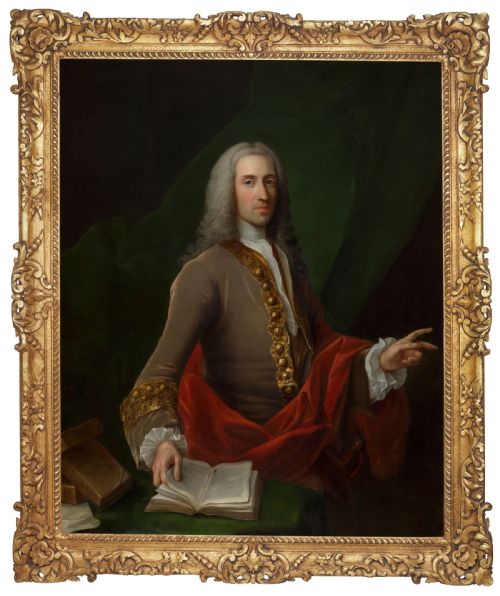
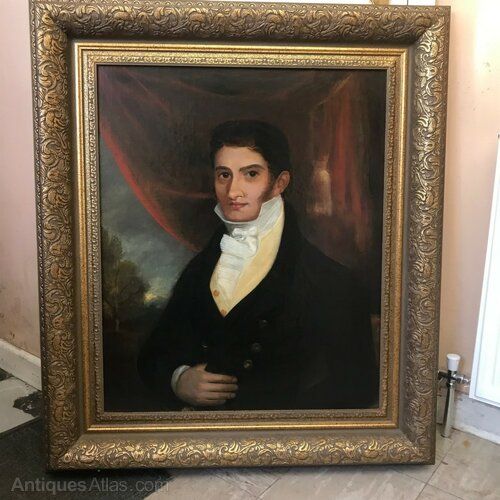
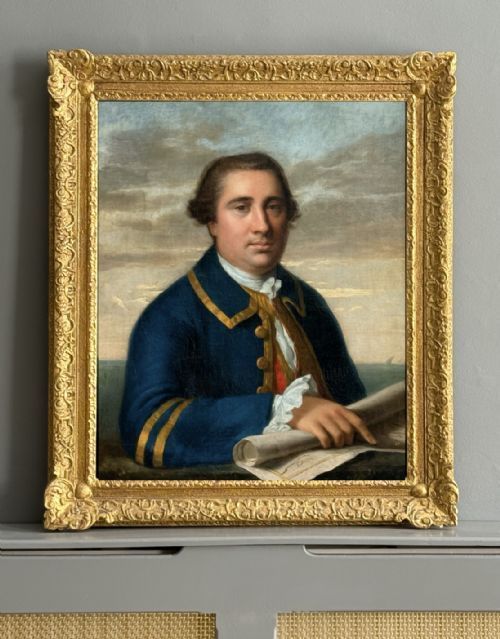
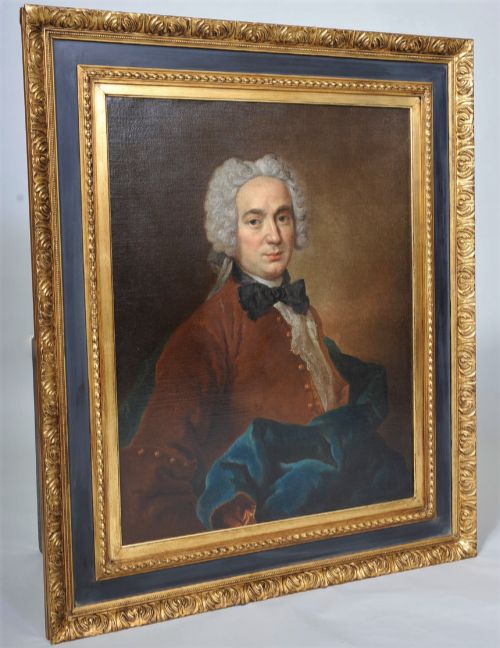
When you search for a georgian gentleman portrait painting, you encounter centuries-old likenesses of notable figures rendered in oil, watercolour, and silhouette.
Georgian Gentleman Portrait Painting
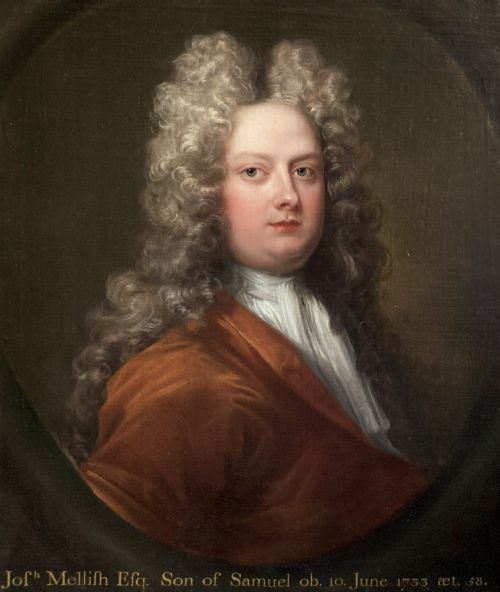
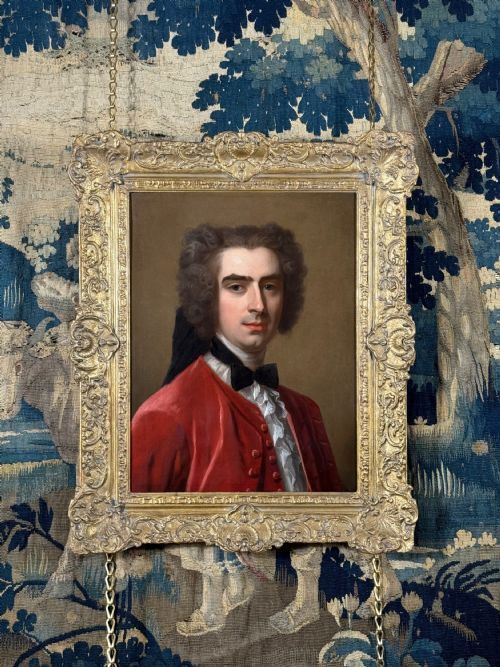
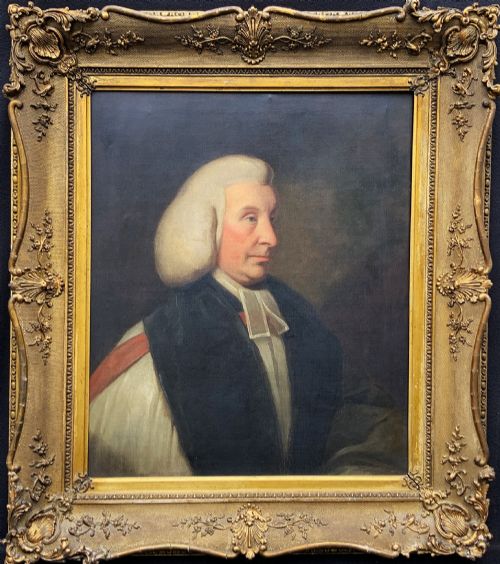
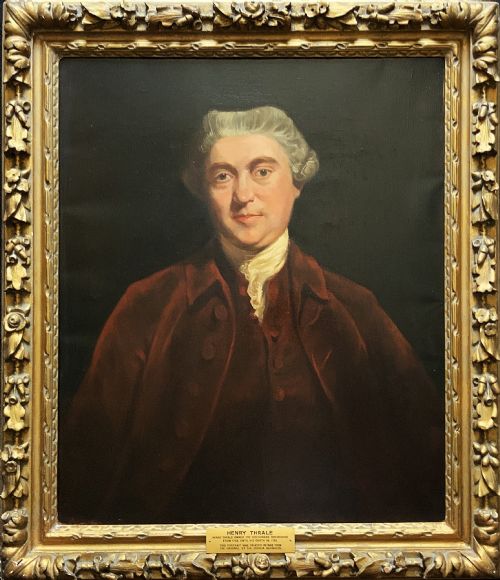
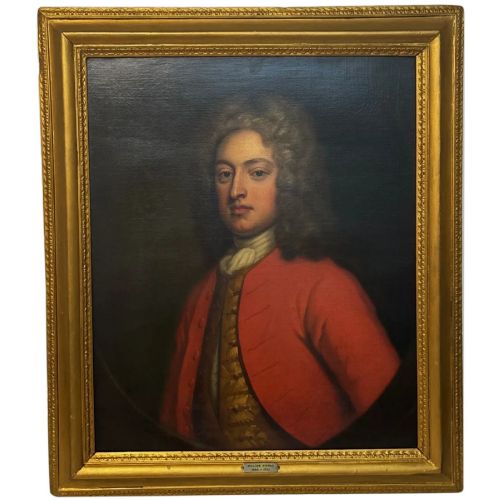
A georgian gentleman portrait painting captures the likenesses of merchants, captains, scholars, and aristocrats from the seventeenth, eighteenth, and nineteenth centuries. These works record the changing fashions in dress, from scarlet jackets and crimson coats to restrained clerical or naval attire.
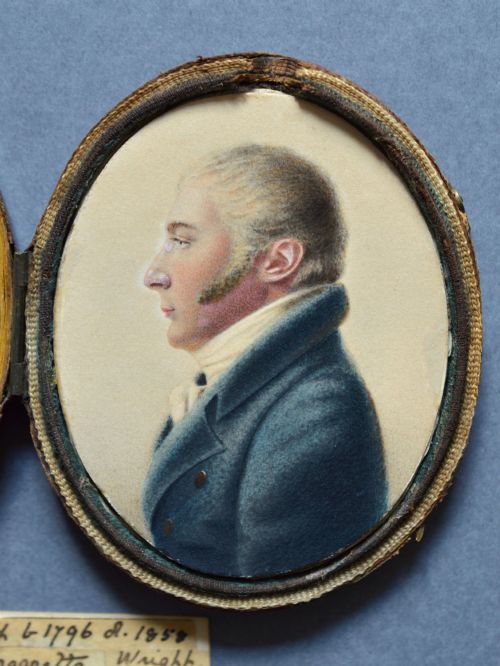
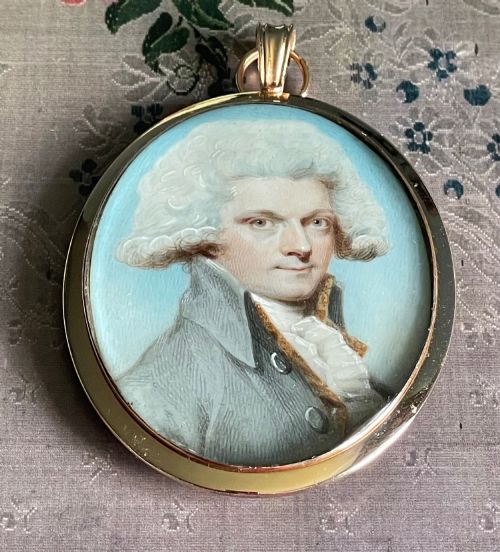
The selections span grand oil on canvas works produced by established studios alongside intimate portrait miniatures on paper or ivory. Many pieces preserve specific identities, complete with biographical details such as military ranks or political offices, while others remain anonymous character studies of the period.
How They Were Made
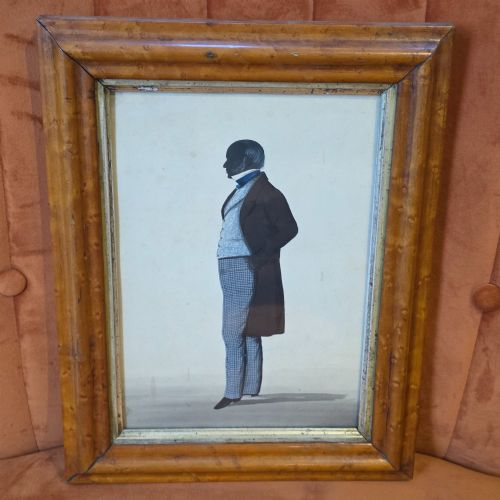
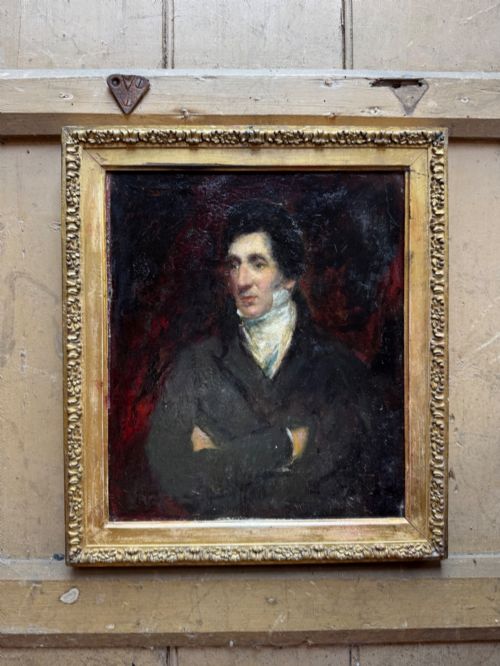
The primary medium recorded in these works is oil paint applied to stretched canvas, occasionally laid onto wood panels or boards for structural support. Painters also utilised watercolour and paper for delicate miniatures, complemented by hand-cut silhouettes.
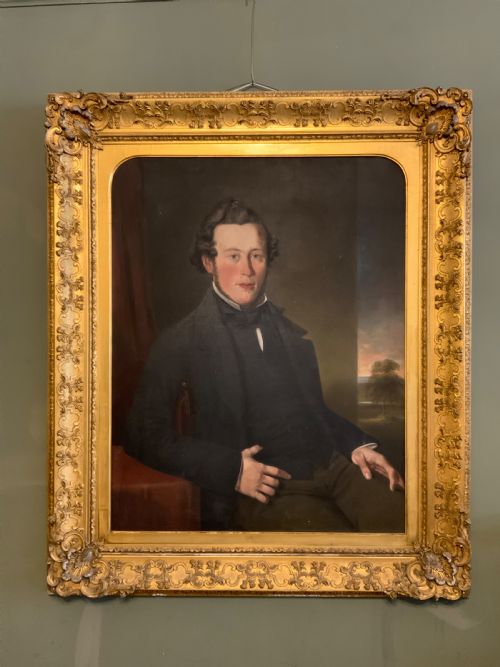
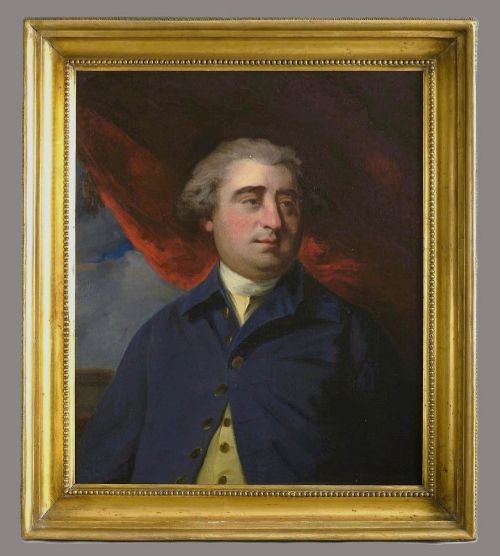
Many surviving frames utilise moulded and carved giltwood, which provides an ornate border that contrasts with the dark, rich pigments of the canvas. The preparation of the ground and the layering of translucent glazes determined the depth and permanence of the finished subject.
Several gentlemen are immortalised gripping pipes, skulls, or merchant ledgers, ensuring their favourite hobbies and professions outlive them.
What Varies in Quality
The distinction between works rests upon the precision of the brushwork and the psychological depth captured in the sitter's expression. Studio output from well-known portraitists demonstrates superior anatomical accuracy and fabric rendering compared to provincial school copies.
Condition also plays a role in the evaluation, distinguishing untouched canvases with original stretchers from those that have undergone extensive overpainting or relining over the centuries.
Charles Jervas·Jean Baptiste Van Loo·Sir Joshua Reynolds·Michael Dahl·Thomas Hudson
The Georgian Gentleman Portrait Painting Glossary
- Oil on Canvas
- A painting medium where pigments are suspended in drying oils and applied to a woven fabric support. This technique allowed artists to achieve rich tonal gradations and subtle textures.
- Portrait Miniature
- A small, highly detailed painting executed on materials such as ivory, vellum, or paper. These portable likenesses were frequently kept as personal tokens or worn as jewellery.
- Giltwood
- Wood, often carved gesso or pine, that has been coated with a thin layer of gold leaf. It remains a standard framing material for formal Georgian art.
- Silhouette
- A two-dimensional profile portrait filled in with a solid dark colour, usually cut from paper or painted. The form gained widespread popularity during the eighteenth century as an economical alternative to oil paintings.
Georgian Gentleman Portrait Painting: Frequently Asked Questions
How do I identify the sitter in a portrait?
Many works include contemporary inscriptions on the reverse of the canvas, stretcher bars, or framing. Surviving documentation, family crests, and distinct personal items depicted like books or letters often provide clues to historical identity.
Researching the recorded dates and professions, such as naval captains or physicians, helps cross-reference archives to confirm the subject's name.
What is the difference between an oil painting and a miniature?
Oil paintings are executed on large canvases or wood panels designed to hang prominently on interior walls. They utilise layered pigments to create depth and formal presence.
Miniatures are intimate, small-scale works painted on delicate surfaces like paper or ivory, intended for close viewing or private collection.
How should I care for an antique canvas?
Display paintings away from direct sunlight and fluctuating humidity to prevent the canvas and paint layers from drying out or cracking. Avoid using liquid cleaners on the painted surface.
Dust the canvas gently with a soft, dry brush and consult a professional conservator for any structural repairs or cleaning.
How can I tell the period of a portrait?
Clothing fashions, wig styles, and framing materials offer the most reliable indicators of a painting's era. Redingotes, powdered wigs, and specific military uniforms help narrow down the decade of production.
Stretcher construction and canvas types also provide physical evidence that corresponds to seventeenth, eighteenth, or nineteenth-century manufacturing methods.