



Georgian Gentleman Miniature
A georgian gentleman miniature is a small, intimate portrait that brings the personal likeness of a bygone era straight to your desk or wall.
Georgian Gentleman Miniature
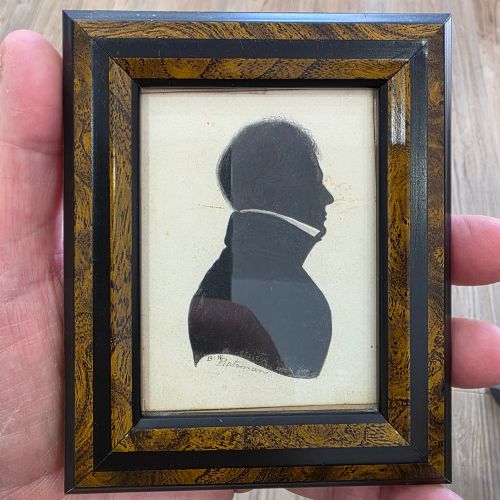
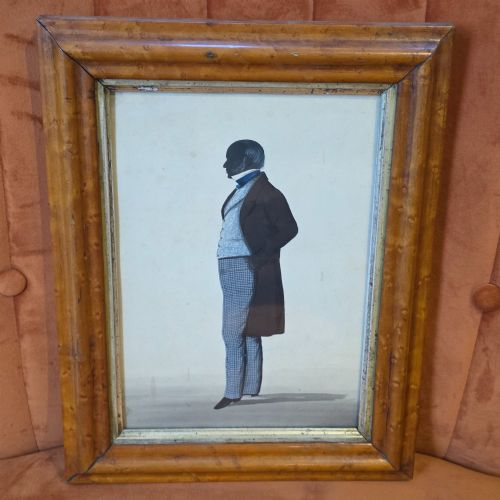
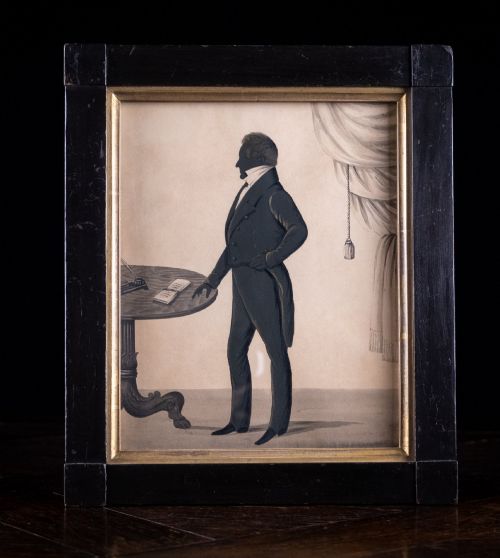
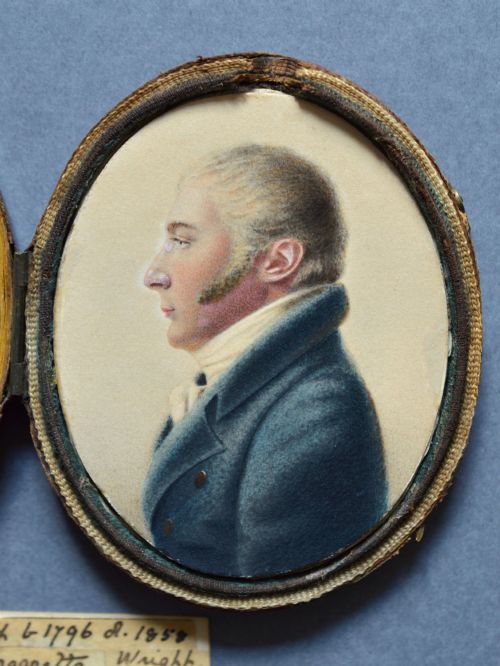
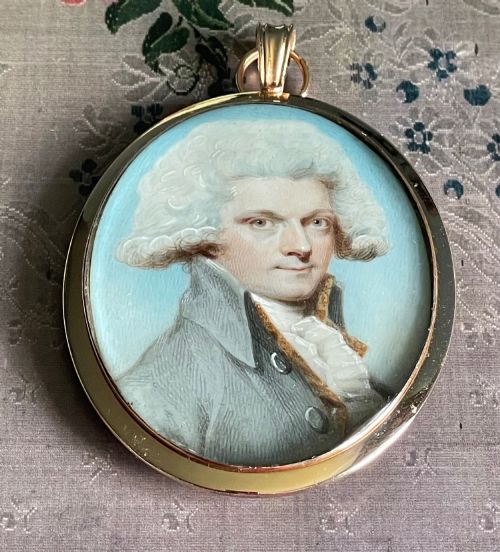
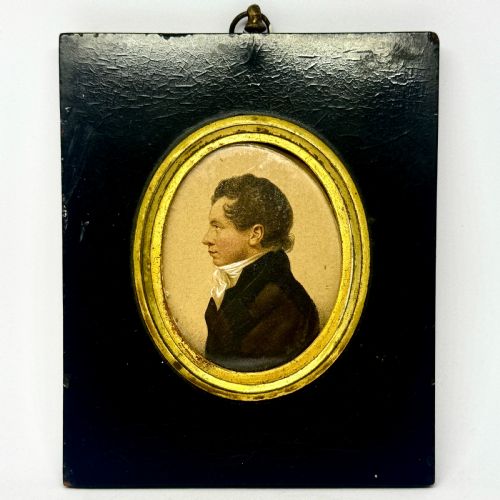
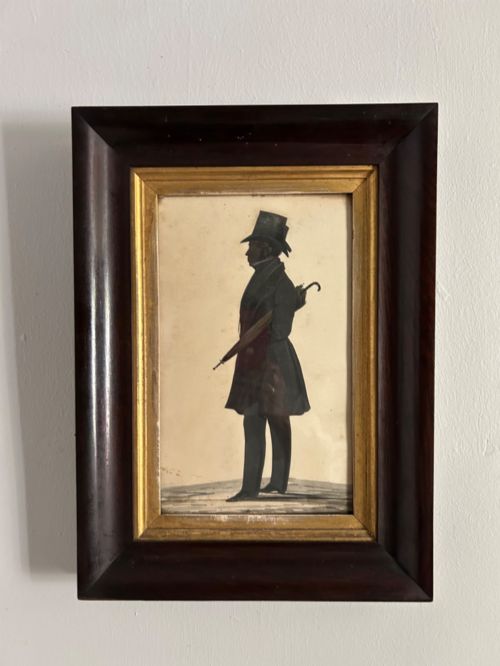
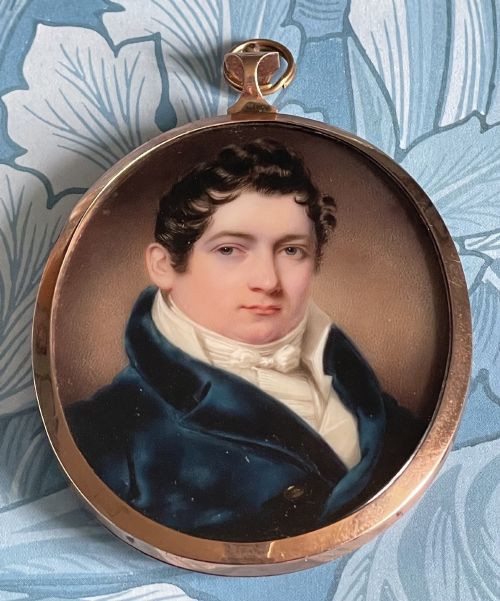
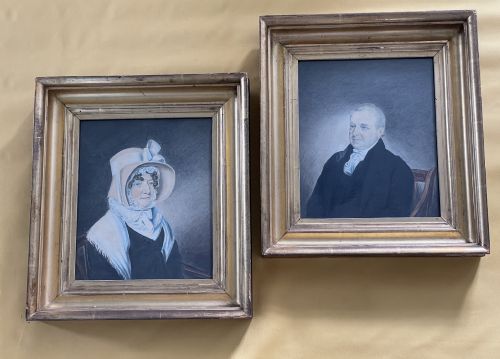
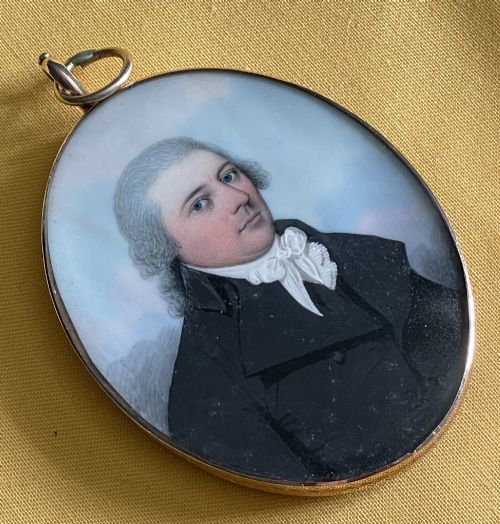
When you search for a georgian gentleman miniature, you are looking at small-scale portraits that capture male subjects from the eighteenth and nineteenth centuries. These works appear in several distinct formats across this selection, including delicate watercolour paintings, oil panels, and sharp paper silhouettes. Most examples date from the Georgian and Regency periods, reflecting the height of personal portraiture before the widespread use of photography.
The subjects range from named military officers and country gentlemen to anonymous sitters rendered in profile or bust-length poses. You will frequently encounter framed artworks designed for wall display alongside pendant pieces meant to be worn or carried. The styles span from precise, finely executed likenesses to more naive, characterful portrayals created with ink, pencil, and paint.
Materials and Technique
Artists painted these small works using watercolour, oil, and ink on supports like paper, card, and sometimes ivory. Silhouettes were frequently hand-cut from dark paper or painted directly onto card, often enhanced with subtle gilding or pencil detailing to define clothing and hair. Plumbago technique utilised fine graphite to build up intricate monochrome portraits with remarkable detail.
Georgian Gentleman Miniature Retail Price Guide 2026
Typical asking prices for georgian gentleman miniature among the pieces listed under this phrase on Sellingantiques today, from the lower quarter to the upper quarter. They describe what is for sale here now, not the wider market.
Assessing Quality
Quality in these miniature portraits rests upon the skill of the brushwork and the precision of the sitter's likeness. Master artists achieved remarkable facial expression and texture within a compass of just a few inches, whereas lesser works display stiffness or flat rendering.
The quality of the housing also matters immensely, as original gold, gilt metal, or timber frames indicate a higher status of commission. Pieces that retain clear signatures or documentation linking them to known miniaturists demonstrate superior craftsmanship and historical value.
Bateman·Thomas John Horsley·Charles Shirreff·John C D Engleheart·Frederick Buck·John Taylor·George Engleheart·John Inigo Wright·Samuel Cotes·Diana Hill·Nathaniel Bermingham·AE Chalon·John Barry
The Georgian Gentleman Miniature Glossary
- Silhouette
- A solid profile portrait, usually cut from black paper or painted in monochrome on a pale background. This technique gained immense popularity in the eighteenth century for capturing rapid likenesses.
- Plumbago
- An early form of miniature drawing executed in graphite or black lead. The term derives from the Latin word for graphite.
- Pendant
- A small framed portrait designed to be worn around the neck on a chain or carried securely. These often featured gold settings and hairwork panels on the reverse.
- Miniature
- A painting executed on a greatly reduced scale, requiring a magnifying glass to appreciate the fine stippling and hatching techniques of the artist.
Georgian Gentleman Miniature: Frequently Asked Questions
How were these miniatures displayed?
Owners usually hung these small artworks closely together in groups on domestic walls or kept them stored safely in pocket watch cases. Pendant versions were worn near the heart on ribbons or chains as personal tokens of affection.
Over time, collectors transitioned from carrying these portraits to mounting them in traditional wall frames or tabletop stands for everyday viewing.
How do I identify a Georgian period piece?
Georgian pieces generally display the characteristic costume, hairstyles, and framing styles associated with the reigns of the Hanoverian kings from the eighteenth into the early nineteenth century. Examination of the backing materials, paper types, and mounting techniques often reveals the age of the construction.
Signatures, dates inscribed on the reverse, and historical records help confirm the precise decade of creation for named sitters.
Can these portraits be worn as jewellery today?
Pendant examples equipped with original gold loops or rings were historically designed to be worn on chains. Modern owners sometimes continue this practice if the setting remains robust and secure.
However, due to the fragile nature of historic glass and delicate pigments, many collectors prefer to display pendant miniatures securely in cabinets or on specialist stands.