

Georgian Furniture Table
A georgian furniture table brings the architectural symmetry of the eighteenth century directly into a modern room.
Georgian Furniture Table
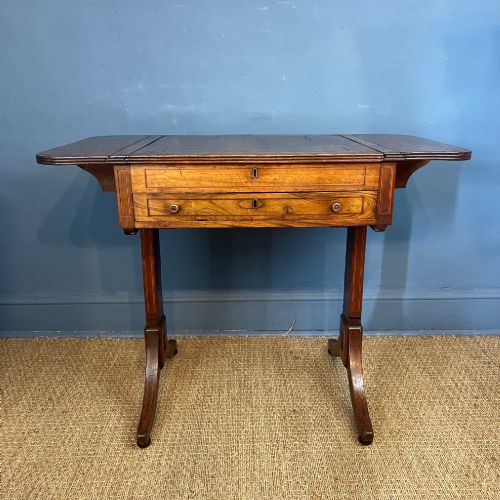
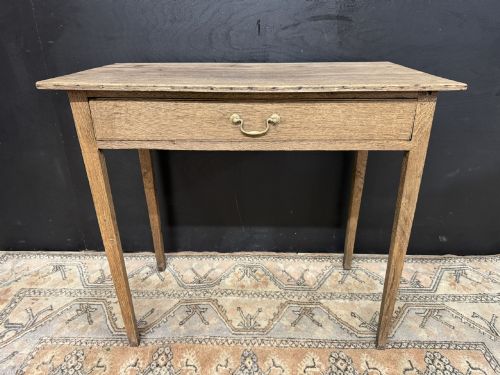
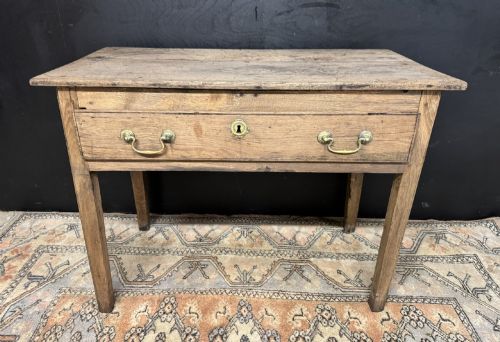
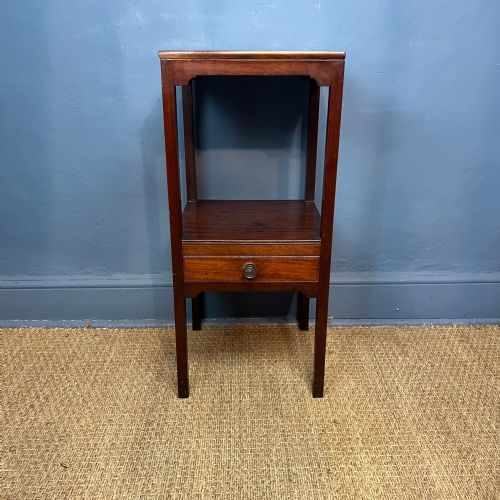
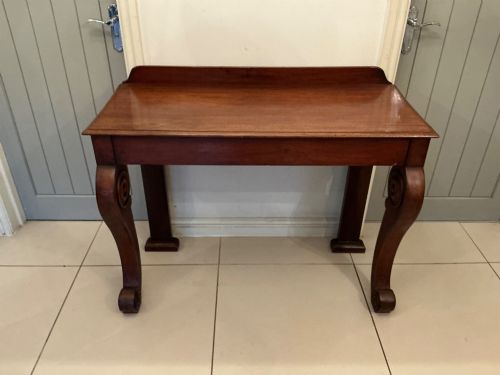
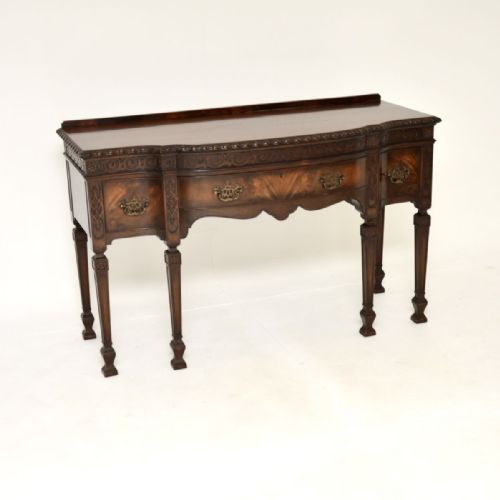
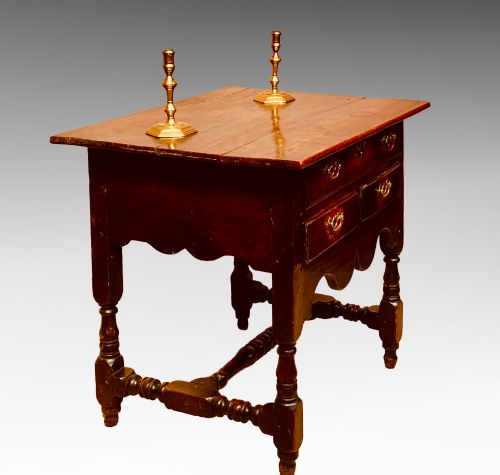
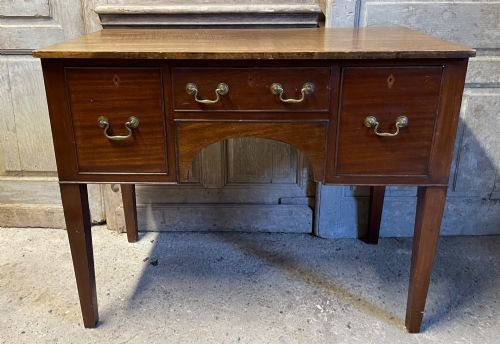
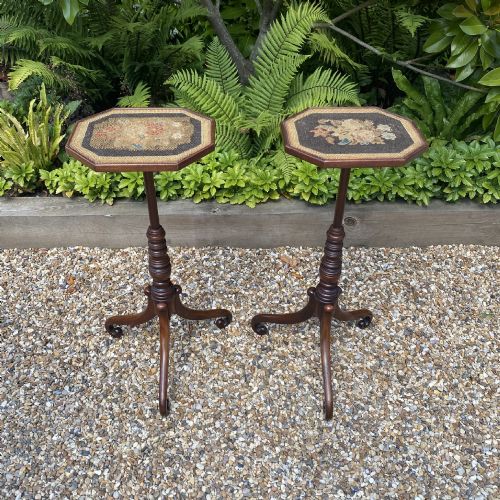
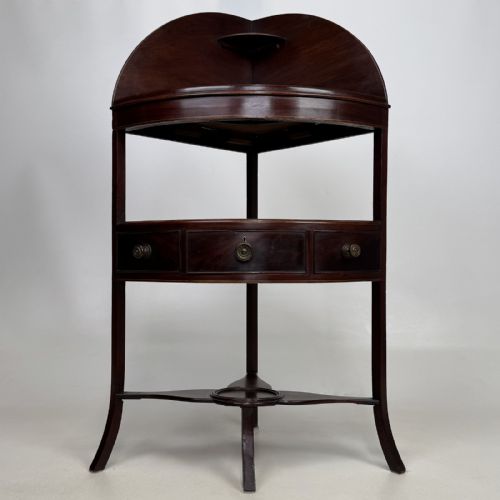
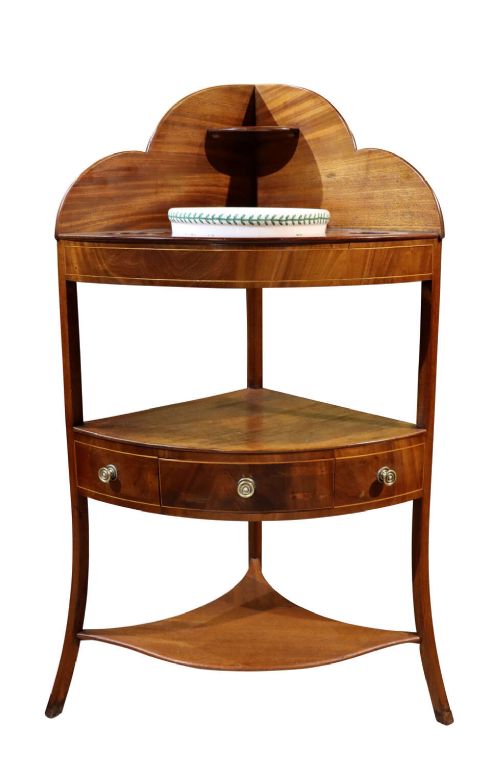
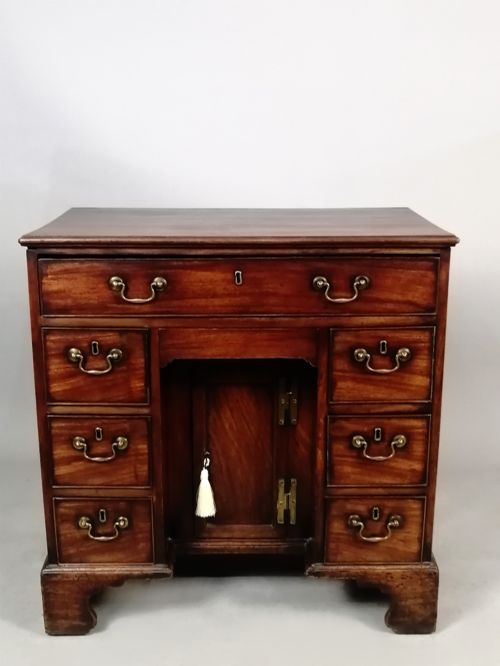
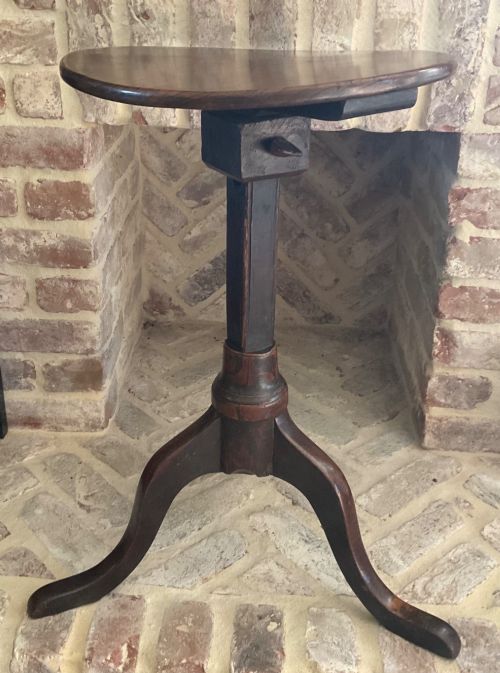
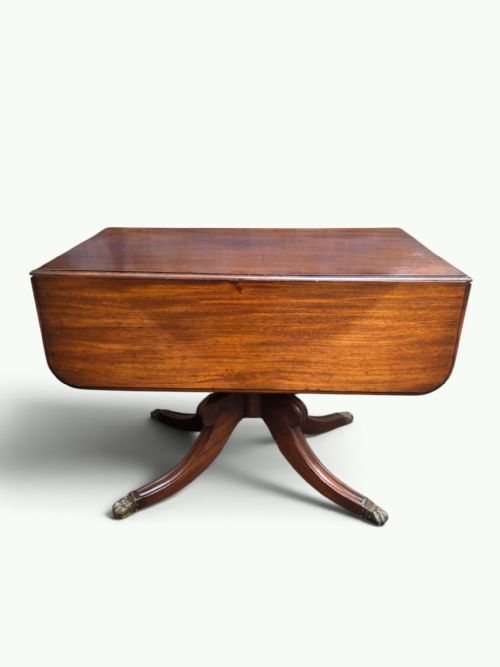
When you search for georgian furniture table, you encounter a diverse array of domestic timber forms spanning the eighteenth and early nineteenth centuries. The listings encompass side tables, dressing tables, card tables, tea tables, and lowboys rooted in periods from Queen Anne through to Regency.
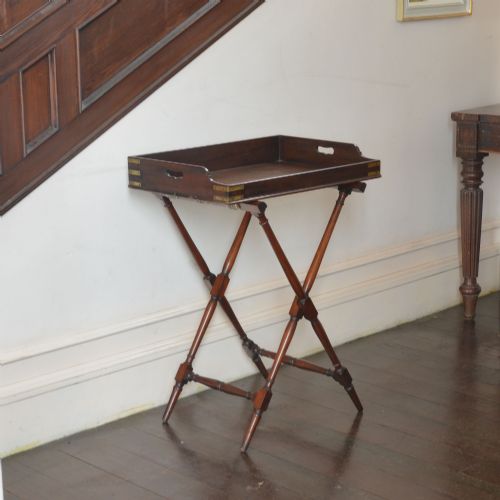
Mahogany and oak dominate the domestic output of this era, alongside occasional pieces in walnut, satinwood, and fruitwood. These surfaces served specific social rituals, from the folding tops of card tables to the pull-out trays of writing desks and campaign furniture.
Materials and Technique
Cabinetmakers of the period relied heavily on dense hardwoods like Cuban mahogany and native English oak, joined with traditional pegged or dovetailed construction. Secondary timbers were chosen for structural stability, while decorative surfaces featured intricate crossbanding in satinwood, boxwood, and rosewood.
Turned legs, carved paw feet, and tilt-top mechanisms demonstrate the mechanical ingenuity applied to everyday domestic items. Brass fittings, leather inserts, and glass components completed tables designed for rigorous daily service in drawing rooms and dressing chambers.
Georgian Furniture Table Retail Price Guide 2026
Typical asking prices for georgian furniture table among the pieces listed under this phrase on Sellingantiques today, from the lower quarter to the upper quarter. They describe what is for sale here now, not the wider market.
Listings feature eighteenth and nineteenth-century forms including oak dressers, mahogany writing desks, and fruitwood wine tables.
Craftsmanship and Proportion
The distinction between ordinary utility items and exceptional examples lies in the selection of timber figure and the crispness of carved detail. Superior tables exhibit well-matched mahogany grains, fine crossbanding, and robust structural joinery that withstands centuries of use.
Proportion and restraint separate high-grade cabinetmaking from lesser workshops, where decorative elements can appear heavy or out of scale. Original hardware, undisturbed patina, and clever internal mechanisms elevate a piece far beyond standard regional production.
The Georgian Furniture Table Glossary
- Lowboy
- A small oak or walnut table with drawers, typically used as a dressing table or side table during the eighteenth century.
- Crossbanding
- A narrow strip of veneer applied to the border of a table top with the grain running perpendicular to the main panel.
- Tilt-top
- A mechanism allowing the surface of a table to pivot vertically for storage against a wall when not in use.
- Cricket table
- A small, light three-legged occasional table, frequently constructed from ash or oak with a round top.
- Campaign table
- A portable folding piece designed for military officers, often fashioned in solid teak with brass mounts.
Georgian Furniture Table: Frequently Asked Questions
How do I identify a genuine period piece?
Examine the secondary timbers inside drawers and the underside of the top for tool marks and consistent age indicators. Period pieces exhibit hand-cut dovetails and timber movement appropriate to their century.
Compare the construction methods against known regional styles of the eighteenth and early nineteenth centuries. Later revivals often betray their twentieth-century origin through machine-cut joints and modern adhesives.
What was a lowboy used for?
A lowboy served primarily as a small dressing table in bedchambers for holding personal grooming items. The drawers provided convenient storage for powders, brushes, and documents.
Over time, these versatile tables also functioned as side tables in reception rooms or as serving surfaces. Their modest proportions allowed them to fit easily into compact spaces throughout the home.
How do I care for antique mahogany surfaces?
Keep wooden surfaces away from direct sunlight and extreme humidity fluctuations to prevent timber splitting and fading. Regular dusting with a soft, dry cloth preserves the natural lustre of the aged polish.
Apply high-quality beeswax sparingly when the wood appears dry, avoiding modern silicone-based sprays. Gentle maintenance protects the delicate patina accumulated over hundreds of years of daily use.
What is the difference between a tea table and a card table?
A tea table typically featured a fixed or tilt-top surface designed to hold porcelain service during afternoon gatherings. Many examples incorporate raised edges or gallery rails to prevent cups from sliding.
A card table, by contrast, relies on a foldover top that opens to reveal a baize-lined playing surface supported by a swing leg. These dual-purpose items adapted easily from gaming use to console display.