



Georgian Furniture Stool
Georgian furniture stool forms range from provincial joint oak to polished mahogany, built for comfort and utility by domestic makers.
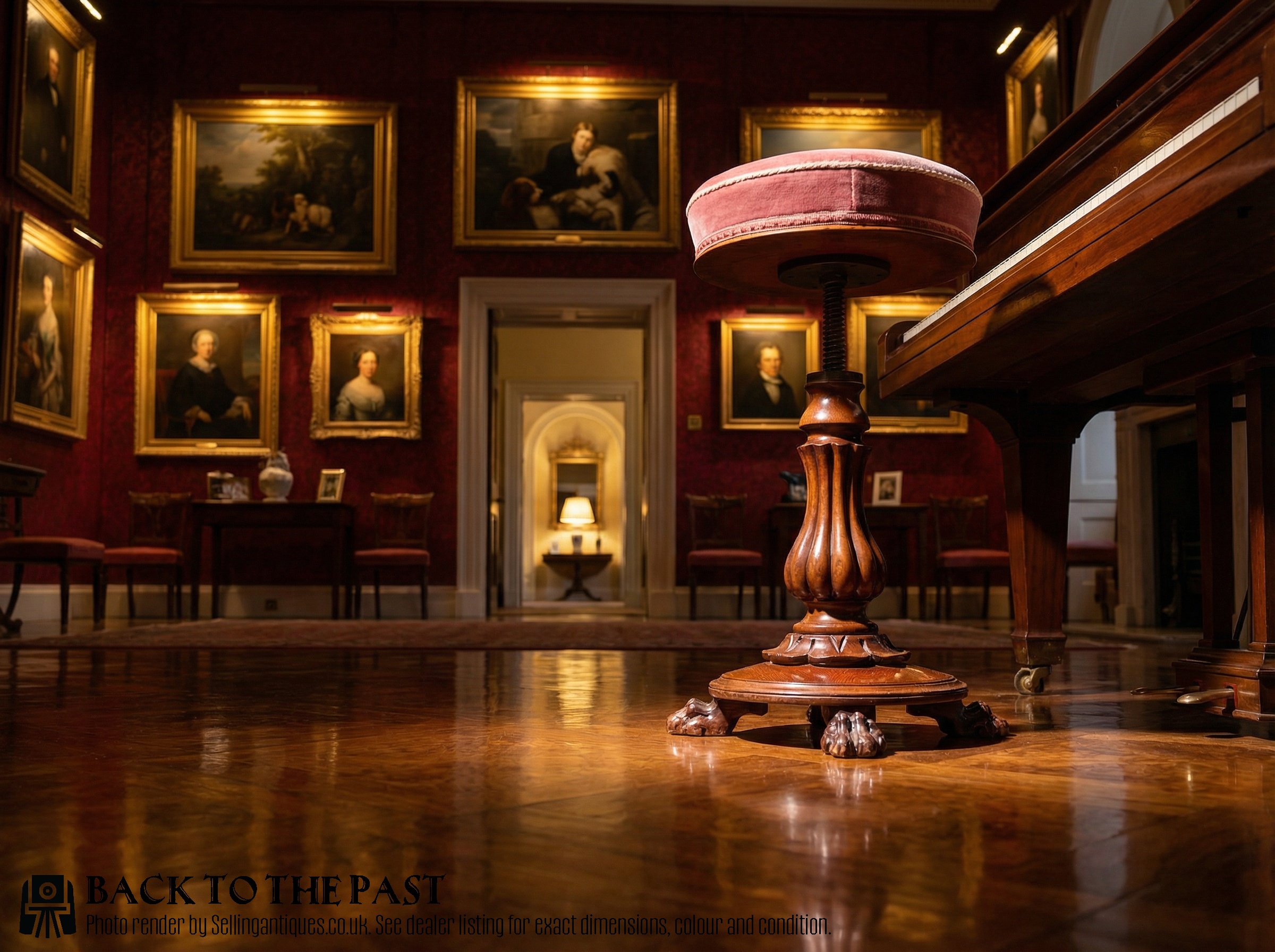
Georgian Furniture Stool
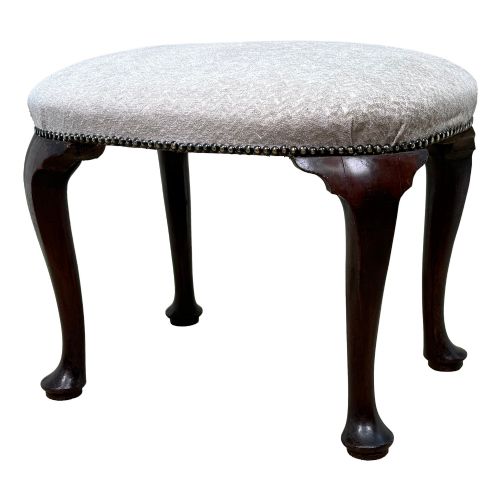
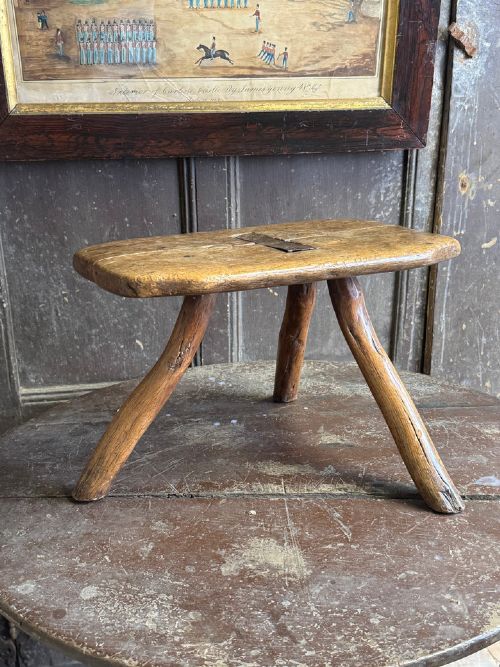
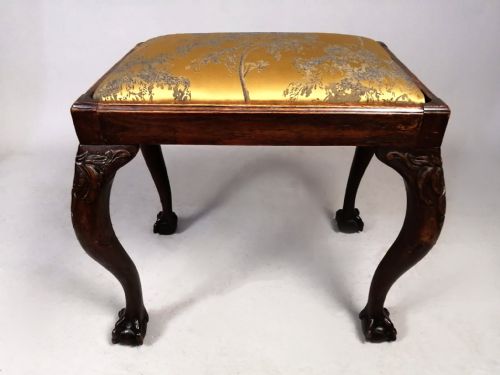
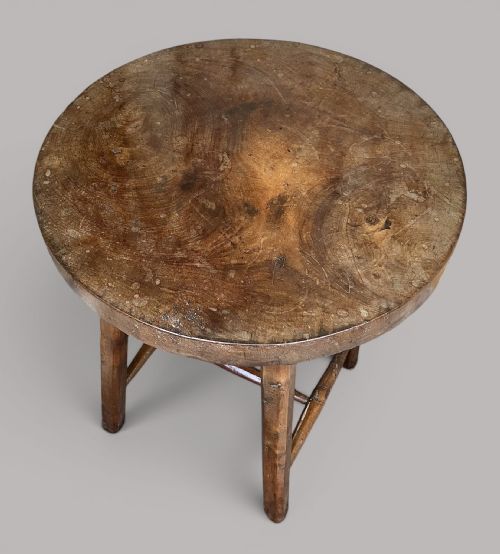
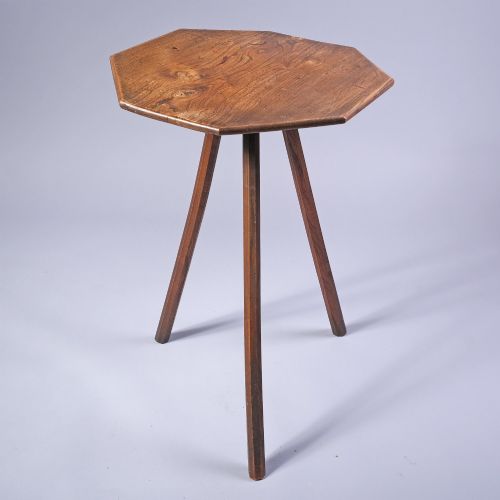
A georgian furniture stool brings practical seating and auxiliary support into domestic spaces, appearing across periods from the seventeenth century to the Edwardian era. Buyers seeking this phrase encounter a diverse assortment of seating forms, ranging from utilitarian milking stools and close stools to formal mahogany footstools and piano stools.
The selection here draws primarily on eighteenth and nineteenth-century craftsmanship, featuring regional vernacular pieces alongside refined metropolitan seating. Oak, walnut, and mahogany dominate the offerings, matched with upholstery in fabric and leather.
Provincial workshops and city cabinet-makers produced these utilitarian items for specific household tasks, resulting in varied forms including joint stools, footstools, and bedsteps. Surviving examples demonstrate the enduring utility of domestic seating designed for everyday use.
How they were made
Joinery and cabinet-making techniques define these pieces, utilising solid hardwoods such as oak, elm, walnut, and mahogany. Carpenters employed traditional mortise and tenon joints for structural integrity, often reinforced by blacksmith-made iron repairs or braces on vernacular country examples.
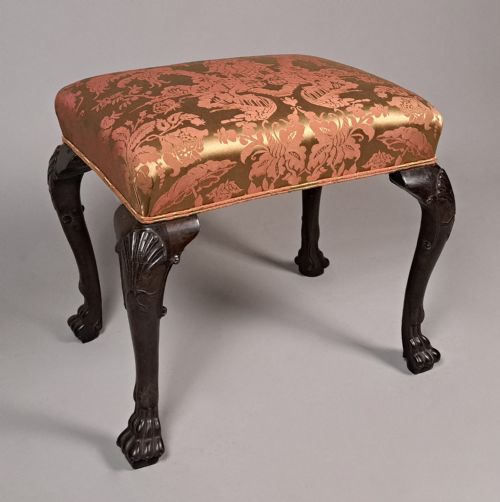
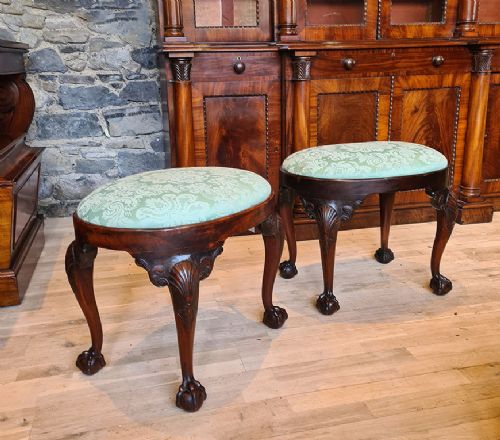
Turned legs, splayed supports, and carved cabriole legs give structural support to seats shaped from single planks of timber or framed to hold upholstered pads. Secondary materials like brass and steel appear on footmen and specific hardware components, while applied finishes highlight the natural grain of the wood.
Footwear accessories on this site span utilitarian iron footmen and refined mahogany bedsteps used for accessing high sleeping quarters.
What varies in quality
The calibre of timber selection and the retention of original surface finish dictate the standing of an individual piece. Items retaining rich patination and minimal structural alteration command greater interest than those stripped or heavily rebuilt over subsequent centuries.
Design sophistication also sets examples apart, distinguishing simple provincial vernacular seating from sophisticated urban cabinet-work with carved details. The integrity of the original construction, from joint tightness to unblemished timber surfaces, determines the overall standard.
J.Jarvis·Gillows·Whytock and Reid·I.M. Gillows of Lancaster
The Georgian Furniture Stool Glossary
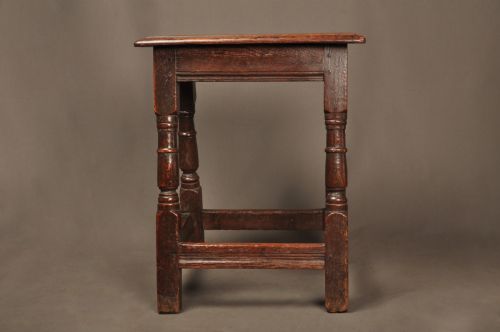
- Joint stool
- A traditional wooden stool constructed with mortise and tenon joinery rather than turned legs inserted into a seat. These sturdy items served various household functions in earlier domestic interiors.
- Close stool
- A piece of furniture enclosing a chamber pot, often disguised as a small cabinet, commode, or box stool. They provided discreet sanitary arrangements in bedchambers before modern plumbing.
- Footman
- A metal stand placed before a hearth to keep food warm or support utensils. These accessories were typically forged from brass and iron.
- Bedsteps
- A set of portable steps used to reach high-post beds in large country houses and town residences. They often concealed commode compartments within their lower treads.
- Vernacular
- Regional building or cabinet-making traditions rooted in local materials and practical needs rather than academic architectural styles. These items reflect the unpretentious work of country tradesmen.
Georgian Furniture Stool: Frequently Asked Questions
How do I identify a joint stool?
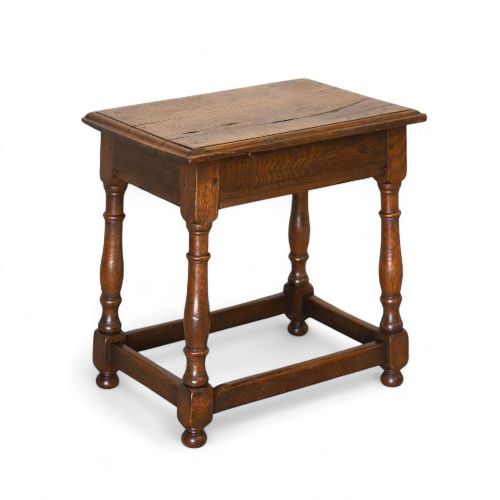
A joint stool relies on pegged mortise and tenon joinery to connect its upright legs to the seat frame. This method produces a rigid, durable structure without modern adhesives.
These pieces typically feature rectangular plank tops supported by turned or straight legs joined by low stretchers for extra stability.
What materials were used for piano stools?
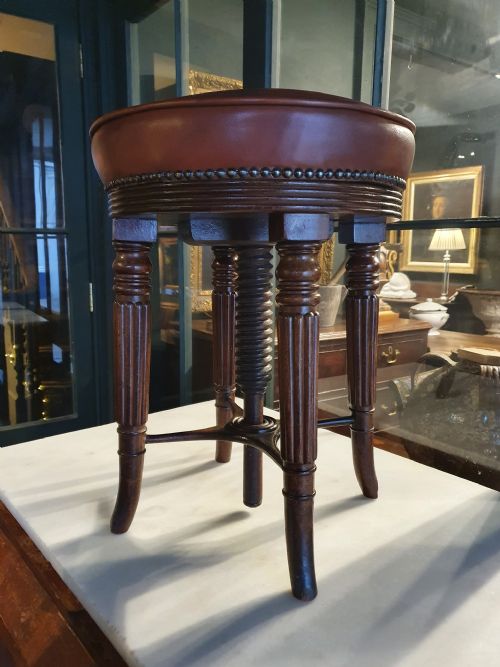
Makers utilised dense hardwoods such as mahogany and rosewood to construct piano stools capable of supporting revolving or adjustable seating mechanisms. Upholstery in fabric or leather provided comfort for the musician.
These seats often incorporate turned columns, cabriole legs, or mechanical screws allowing height adjustments for the player.
Where were footmen placed?
Footmen stood directly in front of the domestic hearth to hold kettles or keep dishes warm near the fire. Their metal construction handled radiant heat without sustaining damage.
Craftsmen forged these accessories from brass and iron, frequently incorporating decorative cut-out aprons and sturdy supporting legs.
How do I care for antique wooden stools?
Antique wooden stools require placement away from direct heat sources and sudden humidity changes to prevent timber splitting or joint shrinkage. Regular dusting with a dry cloth maintains the surface.
Applying appropriate wax polishes occasionally helps preserve the natural patination and grain of historic hardwoods like oak, walnut, and mahogany.