







Georgian Furniture Collector
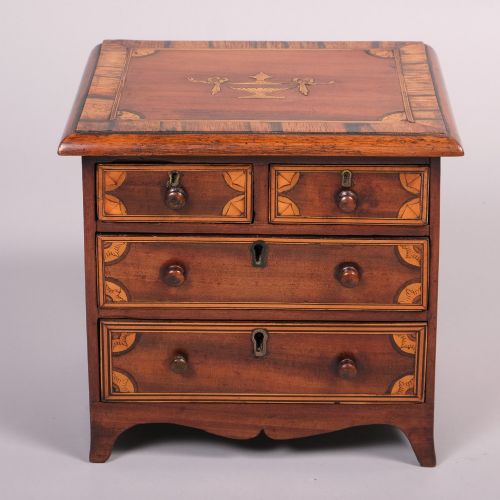
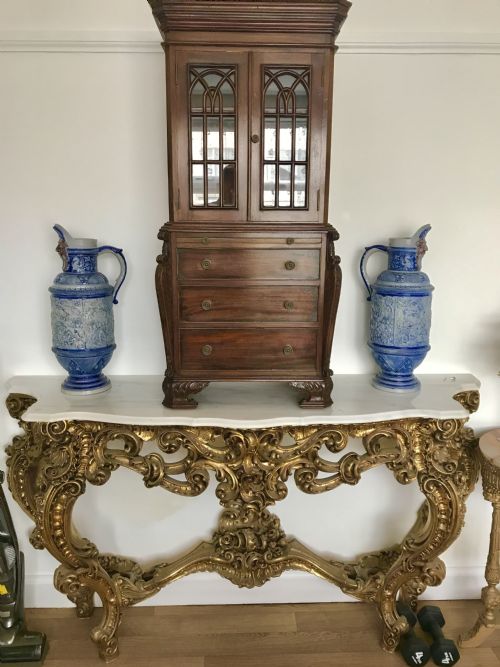
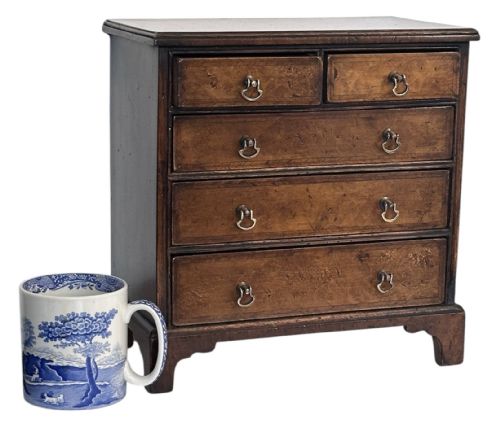
A georgian furniture collector seeks out miniature chests, cabinets on stands and diminutive folios crafted in mahogany, oak and walnut.
Georgian Furniture Collector
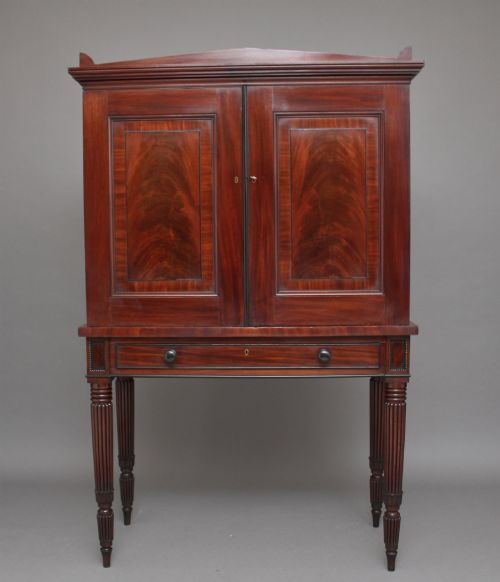
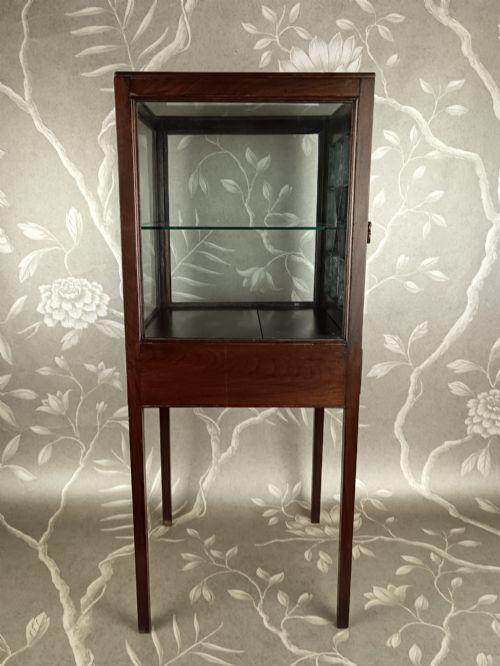
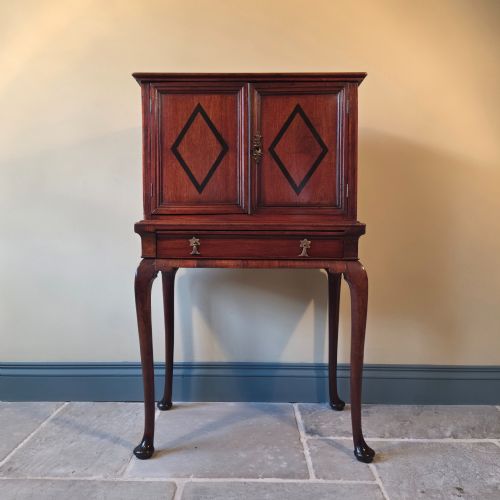
A georgian furniture collector focuses upon miniature chests of drawers, small cabinets on stands, and specialised folio or collectors cabinets. These smaller forms emerge across the eighteenth, nineteenth and early twentieth centuries in styles spanning Queen Anne, George II, George III, Regency and Georgian Revival. The most frequent encounters on this page involve mahogany miniature chests of drawers and various small display or collectors cabinets.
Makers produced these smaller pieces for several practical purposes including travelling sales samples, apprentice test pieces, or specialised domestic storage for gentlemen. Dimensions are diminutive by design, allowing tabletop placement or easy transport of small valuables, specimens and papers. Oak, walnut and mahogany form the structural core of these miniature chests and cabinets.
Regional variations appear in domestic timbers such as Welsh oak utilised for provincial miniature tallboys alongside finer mahogany and rosewood examples from urban workshops. Styles shift from the simpler bracket feet of earlier walnut pieces to the refined bow-fronts and string-inlaid surfaces of later georgian furniture collector pieces. Collectors balance these regional vernacular items against high-status urban pieces from the main stylistic reigns.
How they were made
Cabinet makers built these small chests and cabinets using solid hardwoods like mahogany, oak, walnut and exotic veneers such as burr yew, amboyna and rosewood applied to secondary framing timbers. Joinery relies upon hand-cut dovetails for drawer construction and pegged mortise-and-tenon frames for cabinets on stands. Secondary elements incorporate brass handles, escutcheons and glass panels for vitrines.
Surfaces received traditional finishing techniques including French polish, wax polish and oil finishes designed to highlight the natural figure of the timber. Inlaid stringing, cross-banding and fine mouldings demanded precise hand-tool work due to the small scale of the furniture. Timber selection favoured highly figured grains such as birds-eye maple, burr oak and figured mahogany to enhance diminutive proportions.
Georgian Furniture Collector Retail Price Guide 2026
Typical asking prices for georgian furniture collector among the pieces listed under this phrase on Sellingantiques today, from the lower quarter to the upper quarter. They describe what is for sale here now, not the wider market.
Object forms include miniature chests of drawers, collectors cabinets, folio cabinets, vitrines, and cabinets on stands originating from English and Welsh workshops.
What varies in quality
Quality rests upon the crispness of the hand-cut dovetails, the integrity of the timber veneers, and the proportion of the scaling. Superior pieces maintain correct architectural harmony at a small scale, whereas lesser examples look clumsy or heavy-handed in their mouldings and drawer depths. Original brass hardware, uncompromised timber patination and sound structural joinery elevate certain examples.
The choice of cabinet timber significantly separates the standard production from exceptional works. Highly figured burr walnut, amboyna, Gonçalo-Alvez and finely matched flame mahogany denote superior workshops. The refinement of interior fittings, such as specialised dividers within collectors cabinets or dovetailed drawer linings, dictates the overall standing of an item.
The Georgian Furniture Collector Glossary
- Apprentice piece
- A small-scale item of furniture made by a trainee craftsman to demonstrate mastery of joinery techniques before admission to a guild.
- Collectors cabinet
- A specialised storage piece fitted with multiple shallow drawers or compartments designed to house natural history specimens, coins or medals.
- Folio cabinet
- A tall or floor-standing cabinet featuring wide, shallow shelves or drawers built specifically to store large paper prints, drawings and maps.
- French polish
- A shellac finish applied in numerous thin layers with a rubbing pad to produce a high-gloss surface showing the wood grain.
- Vitrine
- A glass-fronted display cabinet used for exhibiting porcelain, curiosities and small decorative objects.
Georgian Furniture Collector: Frequently Asked Questions
What is a miniature chest of drawers?
A miniature chest of drawers is a small-scale scaled-down version of standard domestic furniture, typically measuring under knee height. These pieces were built for specialised tabletop use or as sample items.
Craftsmen utilised the same premium timbers and joinery methods found in full-size furniture. They offer storage for small personal items while exhibiting fine cabinet-making skills.
How do I date a georgian cabinet?
Dating relies upon examining the timber species, secondary woods, construction methods and prevailing stylistic details. Eighteenth-century pieces often feature solid oak drawer linings and hand-cut dovetails.
Later nineteenth-century revivals introduce different secondary woods and machine-assisted components. Comparing the hardware and foot design against known period styles helps confirm the era.
Where were apprentice pieces used?
Apprentice pieces originated in workshops where trainees demonstrated their competency to master craftsmen. Upon successful completion, these small items served as portable portfolios.
Travelling salesmen later adopted similar small-scale samples to demonstrate furniture designs to prospective clients. They functioned as functional display items within domestic settings.
How should I care for antique mahogany?
Antique mahogany requires stable indoor humidity away from direct sunlight and heat sources. Excessive dryness causes timber shrinkage and veneer lifting.
Routine maintenance involves gentle dusting with a soft dry cloth followed by occasional application of traditional beeswax. Avoid modern silicone sprays which damage historic polish surfaces.