

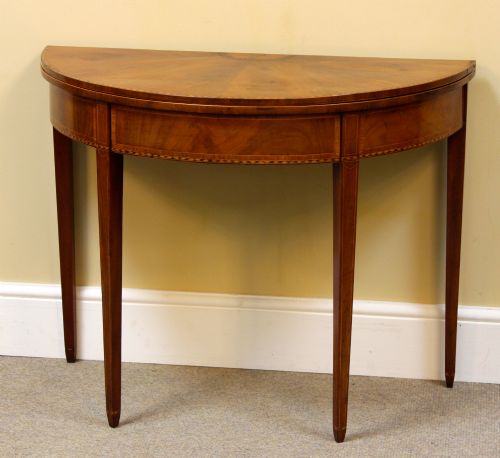


Georgian Fruitwood Table
A georgian fruitwood table brings rich warm tones and provincial charm to a room, offering practical surface space through side tables, tilt-tops, and lowboys.
Georgian Fruitwood Table
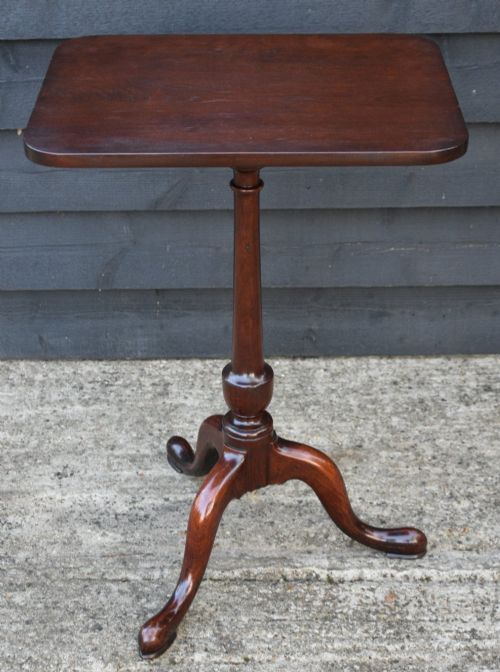
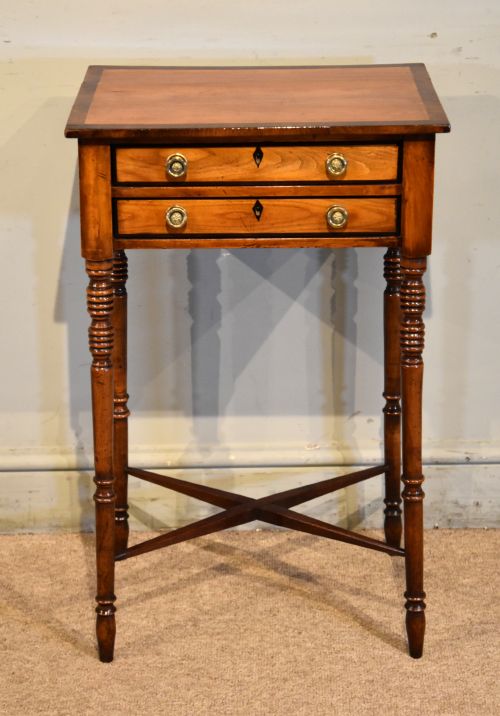
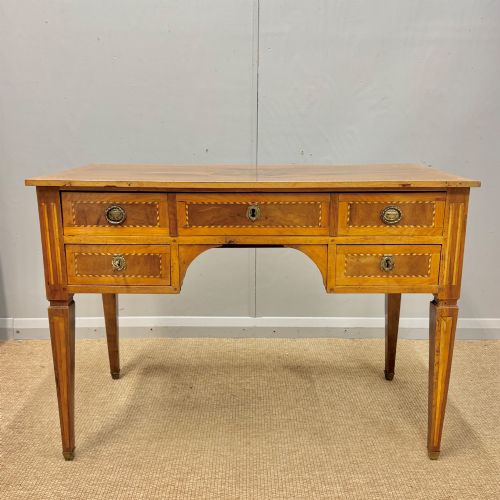
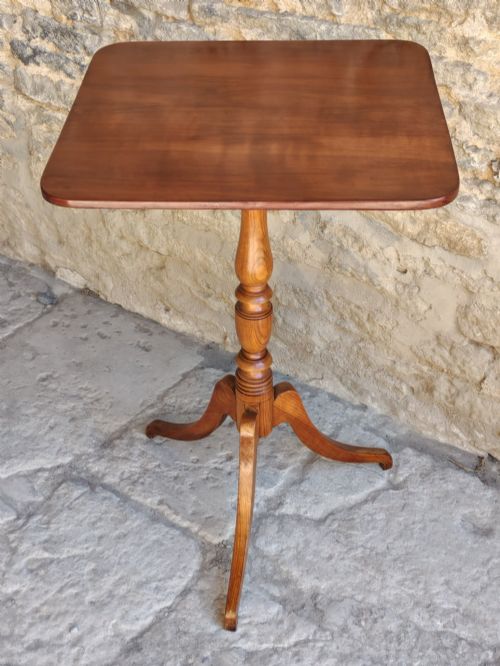
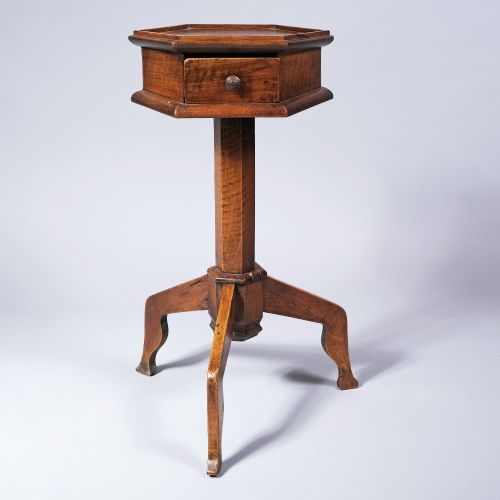
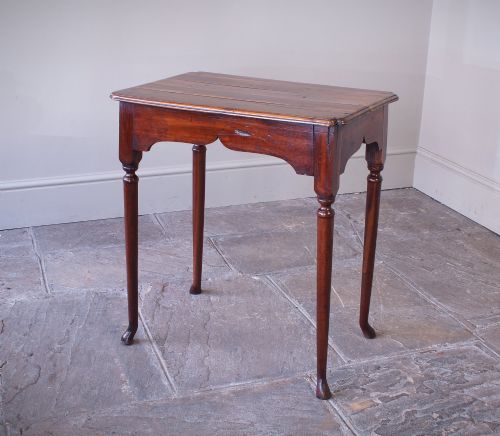
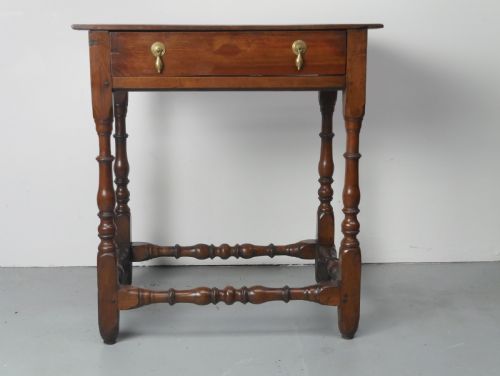
A georgian fruitwood table encompasses a variety of domestic forms built during the eighteenth and early nineteenth centuries. The listings show side tables, wine tables, occasional tables, and lowboys taking centre stage on this page.
Makers in provincial workshops utilised dense local timber to construct functional items for everyday household use. Pieces range from simple tripod wine tables with tilting tops to larger drop-leaf and centre tables.
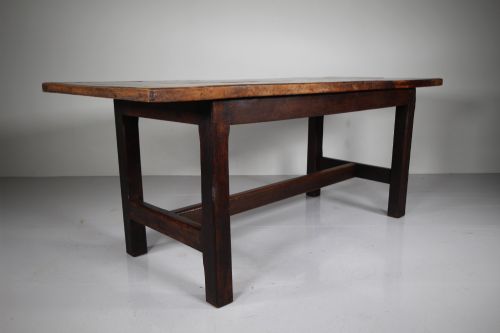
Country vernacular styles dominate the selection, often pairing fruitwood tops with oak or elm frames. These regional builds display straightforward joinery and honest proportions suited to domestic interiors.
Materials and Construction
Cabinet makers worked primarily with native fruitwood, frequently combining it with oak, walnut, or mahogany for structural integrity. Timber selection depended on regional availability, resulting in varied grain patterns and warm patination.
Tables feature traditional construction methods including wood-turned legs, stretchers, and tripod bases. Some examples incorporate brass fittings, drop leaves with drawers, or subtle marquetry and inlay work.
Georgian Fruitwood Table Retail Price Guide 2026
Typical asking prices for georgian fruitwood table among the pieces listed under this phrase on Sellingantiques today, from the lower quarter to the upper quarter. They describe what is for sale here now, not the wider market.
The archive reveals a strong presence of tilt-top wine tables and lowboys spanning the seventeenth to nineteenth centuries.
Evaluating the Pieces
The distinction between ordinary and exceptional items lies in the crispness of the turning and the depth of the timber's surface finish. Tables displaying untouched patination and harmonious wood pairing command greater appreciation.
Structural honesty and the preservation of original elements separate fine provincial survivals from heavily altered examples. Well-proportioned tripod bases and tight joints indicate superior regional craftsmanship.
The Georgian Fruitwood Table Glossary
- Fruitwood
- Timber sourced from fruit-bearing trees such as pear or apple, known for its fine grain and warm colour. It was a favourite material for provincial cabinet makers.
- Lowboy
- A small side table or dressing table featuring one or more drawers beneath the top. They typically stand on cabriole or straight legs.
- Tilt-top
- A tabletop hinged to a central pillar, allowing the surface to fold vertical when not in use. This mechanism saved valuable space in smaller rooms.
- Tripod table
- A small occasional table supported by a pillar and three splayed legs. They appear frequently in wine and candle table formats.
- Cricket table
- A small round table with three legs and a lower triangular shelf for stability. The design originates from early English country vernacular traditions.
Georgian Fruitwood Table: Frequently Asked Questions
What rooms suit a fruitwood table?
These tables fit easily beside seating in living spaces or serve as bedside surfaces in bedrooms. Their compact scale accommodates smaller corners without crowding the floor.
The warm tones of the timber blend naturally with both traditional and contemporary interiors. Side tables and lowboys add practical utility to hallways and studies alike.
How do I care for fruitwood?
Keep the timber away from direct heat sources and strong sunlight to prevent drying and fading. Regular dusting with a soft cloth maintains the natural surface.
Apply a traditional beeswax polish occasionally to nourish the wood and preserve its historic sheen. Avoid modern silicone sprays which can damage the aged finish.
Why do tilt-top tables exist?
Makers designed tilting mechanisms so owners could store the tables flat against walls when space was required. This practical feature was essential in smaller period homes.
The pivoting action allowed wine tables and occasional pieces to double as decorative screens when folded away.
What is a lowboy used for?
Historical interiors utilised lowboys as dressing tables, writing desks, or general side tables for holding small objects. The single or multiple drawers provided concealed storage.
Modern homes often place them in hallways as compact console surfaces or beneath mirrors in bedrooms.
How do I spot country vernacular style?
Country vernacular pieces display simpler lines and regional quirks that set them apart from formal metropolitan furniture. Makers focused on utility rather than elaborate ornamentation.
The use of mixed timbers, such as fruitwood tops on oak bases, points directly to provincial workshops working with available local materials.