


Georgian Fruit Painting
Georgian fruit painting brings together delicate porcelain, oil on canvas, and carved timber capturing natural abundance.
Georgian Fruit Painting
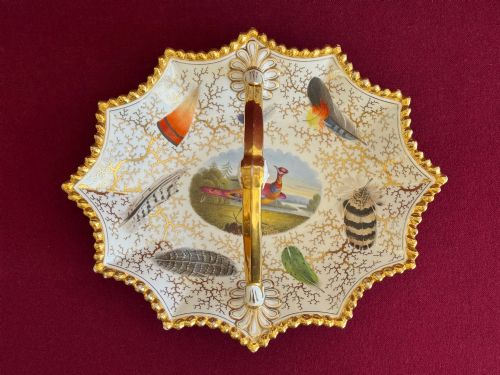
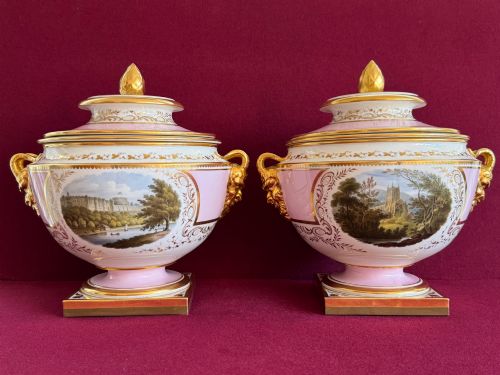
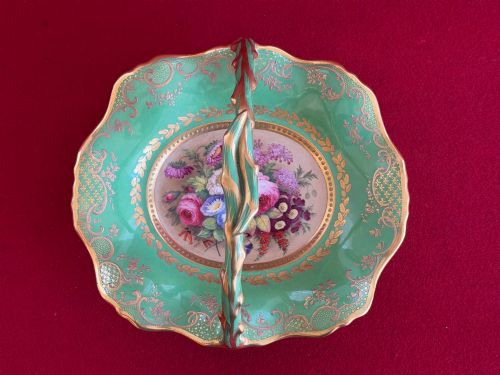
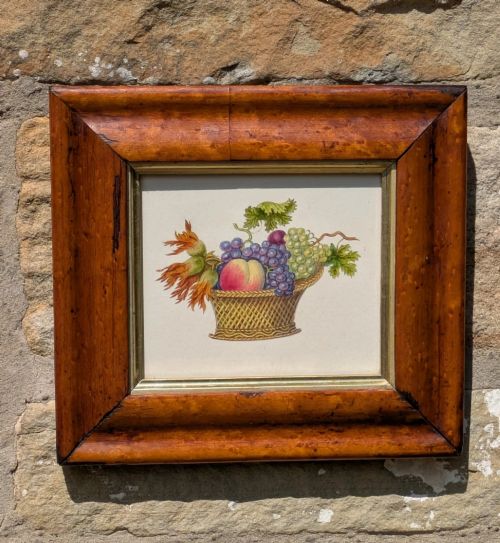
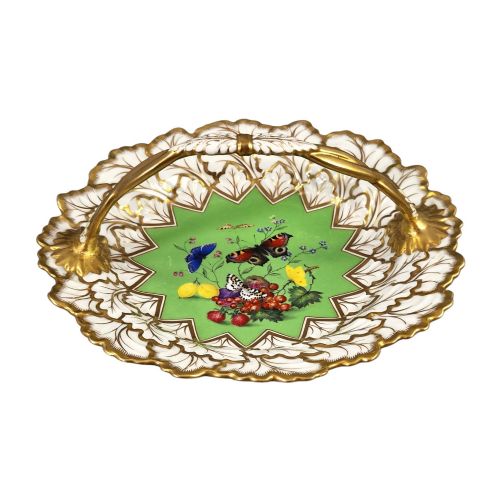
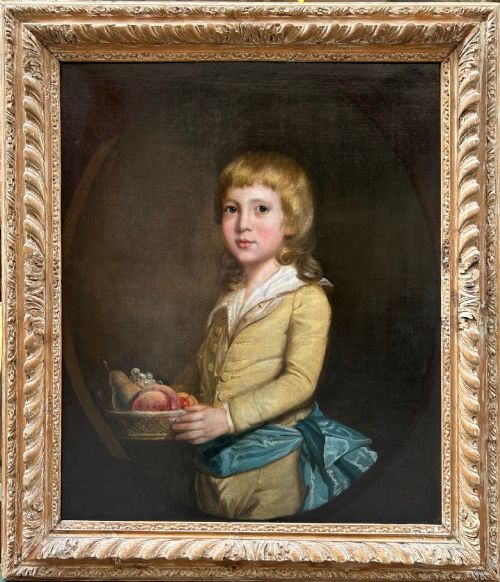
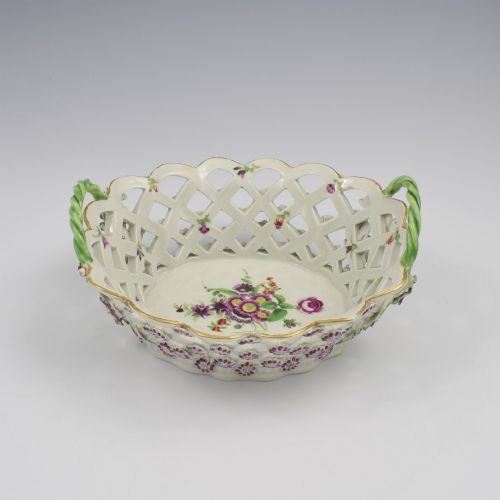
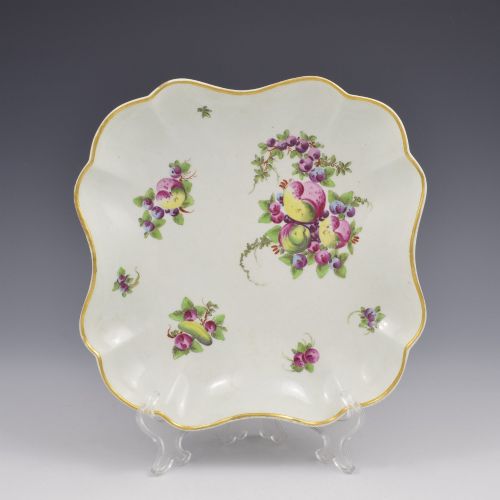
When you search for georgian fruit painting, you encounter a focused selection of fine art and decorated ceramics spanning the eighteenth and nineteenth centuries. These works range from oils on canvas depicting botanicals and portraits holding harvest produce to porcelain plates, bowls, and baskets adorned with hand-painted studies of fruit.
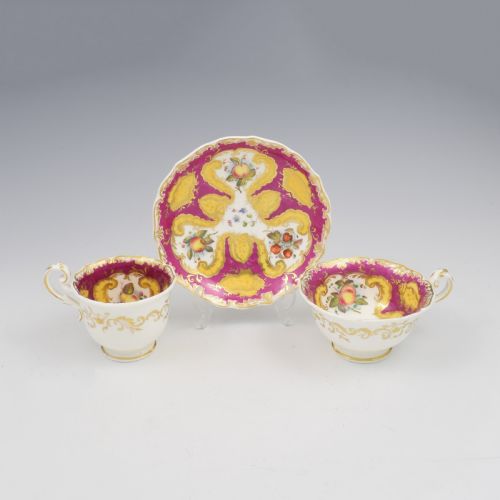
You are most likely to meet painted porcelain dessert services, comports, and plates from factories such as Worcester, Derby, and Coalport, alongside oil paintings from the eighteenth century. These pieces record a period fascination with natural history, still life arrangements, and lavish dining customs.
The objects serve as both decorative wall art and functional tableware, reflecting the refined domestic interiors of the Georgian and Regency eras. Their enduring appeal lies in the meticulous brushwork and vibrant pigments that preserve seasonal produce across centuries.
How they were made
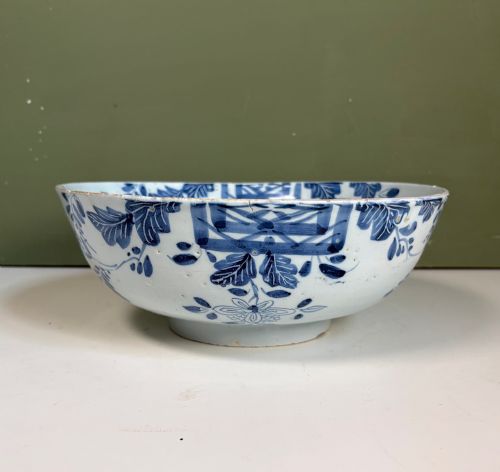
Painters utilised oil on canvas and watercolour to render detailed textures of grapes, melons, and citrus varieties. Ceramic pieces employed tin-glazed earthenware, ironstone china, and soft-paste or hard-paste porcelain as canvases for enamels, gold leaf, and delicate gilding.
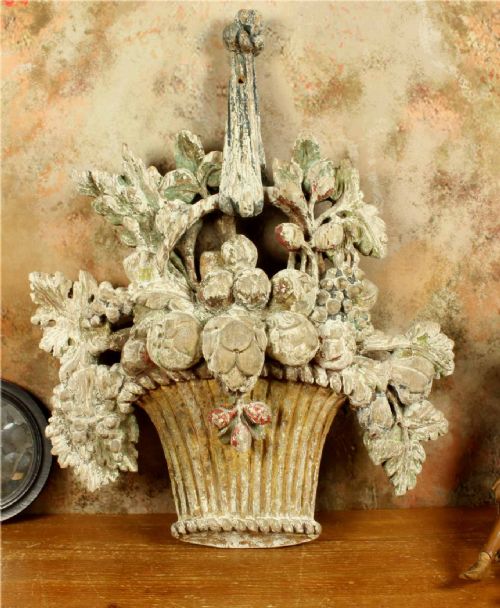
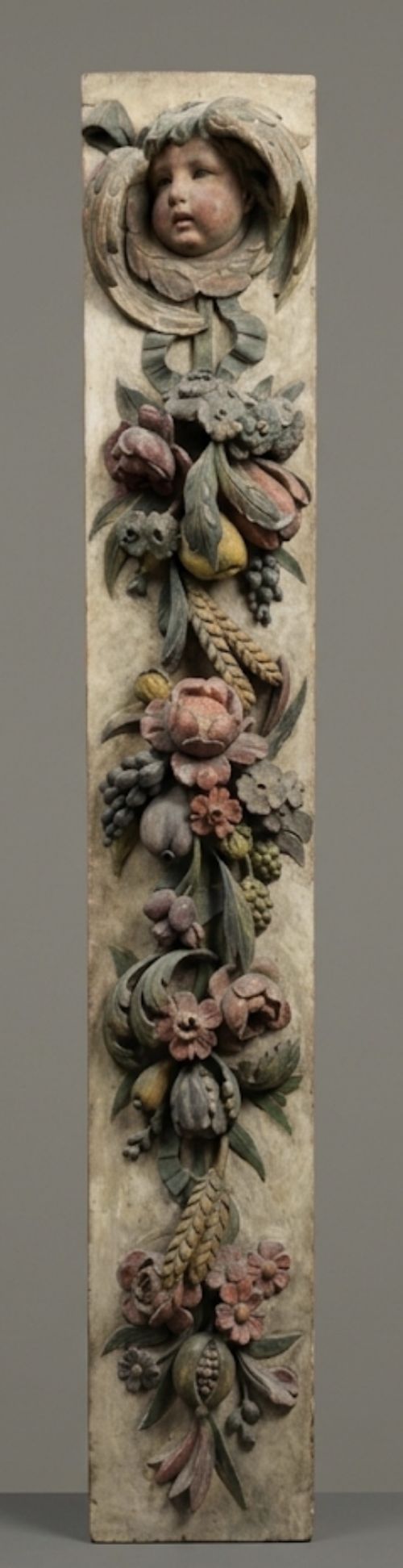
Craftsmen also shaped timber into decorative wall relief carvings and wooden panels, applying polychrome pigments to create dimensional fruit and floral baskets. Porcelain items underwent high-temperature kiln firings to set complex enamel colour palettes before receiving final gilding touches.
A white-fronted Amazon parrot shares canvas space with grapes, a melon, and hazelnuts in a mid-nineteenth-century oil painting.
What varies in quality
The refinement of the painted botanical detail distinguishes standard production wares from masterwork pieces. Skilled artists achieved naturalistic shading, accurate botanical specimens, and subtle depth within the depiction of fruit, whereas lesser pieces display rigid forms and flat application.
The prestige of the manufactory or artist also dictates the standing of the work. Named porcelain establishments like Worcester and Derby, or documented painters and portraitists, command greater distinction through superior porcelain bodies, precise enamelling, and expert brushwork.
Flight, Barr & Barr·Thomas Beach·Coalport·Dr Wall Worcester·Thomas Steele·Chelsea-Derby James Giles·Chamberlain Worcester·William Jones of Bath·Robert Byng·George Lance
The Georgian Fruit Painting Glossary
- Comport
- A decorative footed dish or bowl raised above the table surface, commonly used for serving fruit during Georgian dessert courses. These vessels often feature pierced borders or hand-painted botanical motifs.
- Enamel
- Opaque vitreous glass fused to ceramic or metal surfaces at high temperatures to provide durable, vibrant colours for hand-painted decoration. It allows for rich hues that resist fading over time.
- Ironstone China
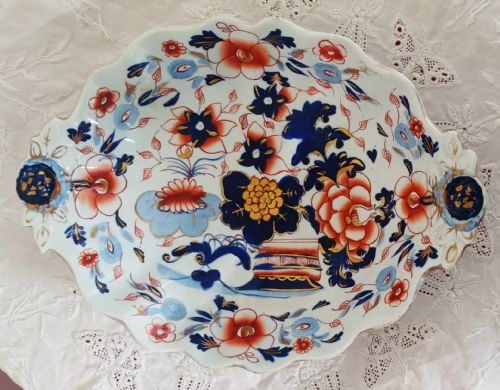
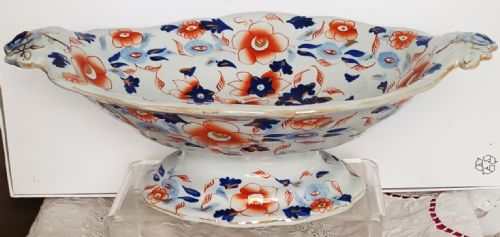
- A heavy, durable type of utilitarian ceramic patented in the early nineteenth century that imitated porcelain at a lower cost. It provided a stable white ground for bold transfer-printed or hand-painted patterns.
- Polychrome
- Multicoloured decoration utilising a variety of enamel pigments on ceramics, wood, or canvas. This technique brought vitality and realism to still life paintings and floral porcelain services.
- Tin-Glazed Earthenware
- Pottery coated with a tin oxide glaze that fires to an opaque white surface, suitable for direct painting in the manner of Delftware. It creates a slightly porous body with characteristic soft glaze pooling.
Georgian Fruit Painting: Frequently Asked Questions
What periods do these pieces cover?
The objects span the eighteenth and nineteenth centuries, encompassing the Georgian era, the Regency period, and the year 1800.
Stylistic influences reflect eighteenth-century Baroque, Neoclassical design, and Delftware traditions alongside nineteenth-century manufacturing developments.
How were painted ceramics used?
Ceramics such as comports, dessert plates, and ice pails formed part of formal dining services used during the final course of a grand meal.
Fruit painted on these vessels matched the fresh produce served at the table during the Georgian period.
What materials are common?
Surviving works primarily consist of porcelain, ironstone china, tin-glazed earthenware, and creamware decorated with enamels and gilding.
Two-dimensional works feature oil on canvas and watercolour, while three-dimensional pieces include carved wood with polychrome finishes.
How do I identify a factory?
Porcelain pieces often bear underglaze marks, pattern numbers, or characteristic paste qualities associated with kilns in Worcester, Derby, and Coalport.
Stylistic cues such as square lobed shapes or specific floral grounds help attribute unmarked items to particular workshops.