
Georgian Framed Portrait Art
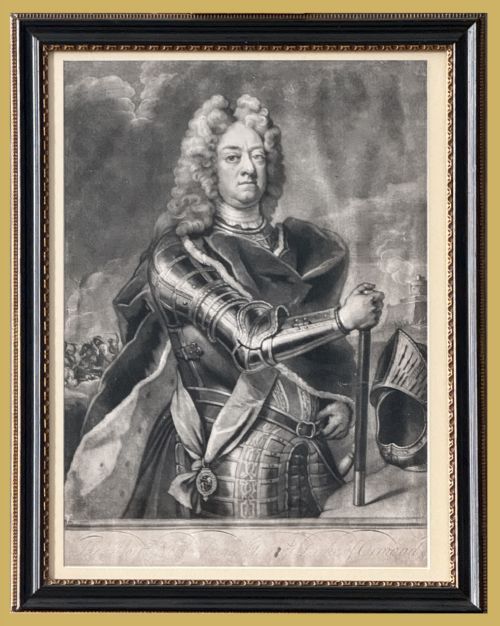
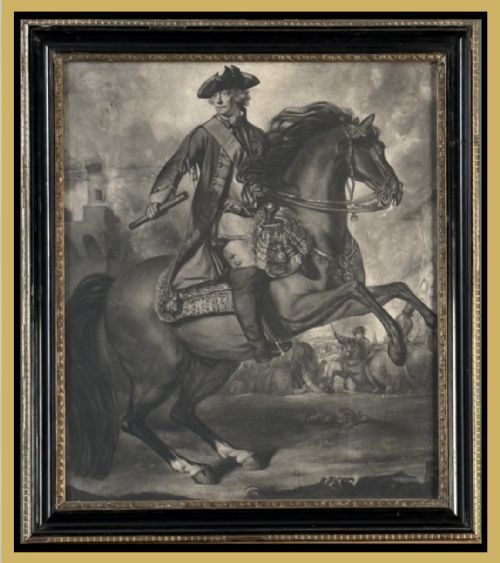
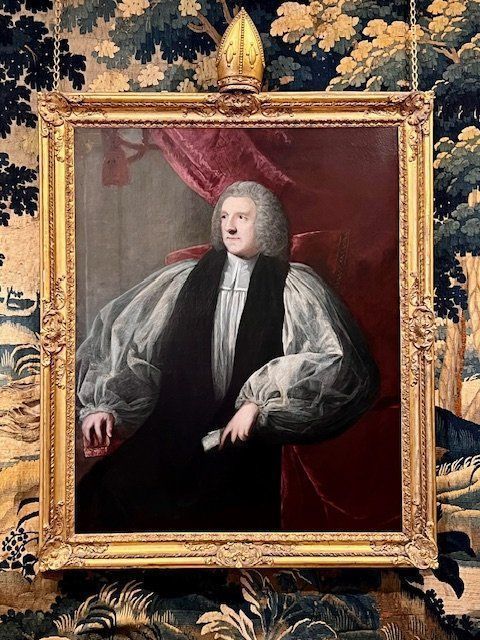
Georgian framed portrait art encompasses oil paintings, mezzotints, silhouettes and miniatures that capture the likenesses of past centuries.
Georgian Framed Portrait Art
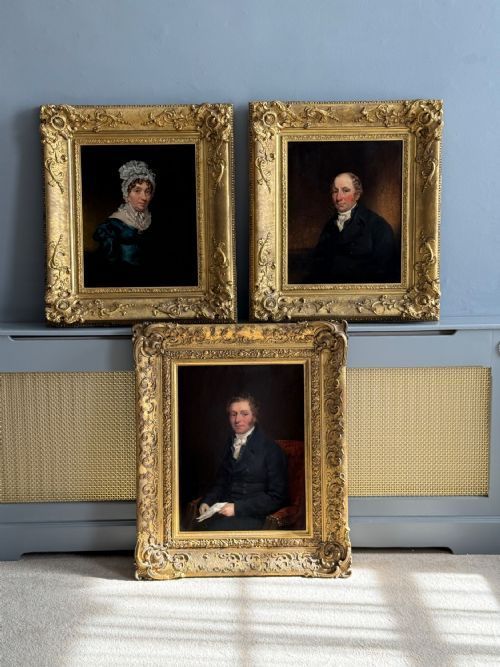
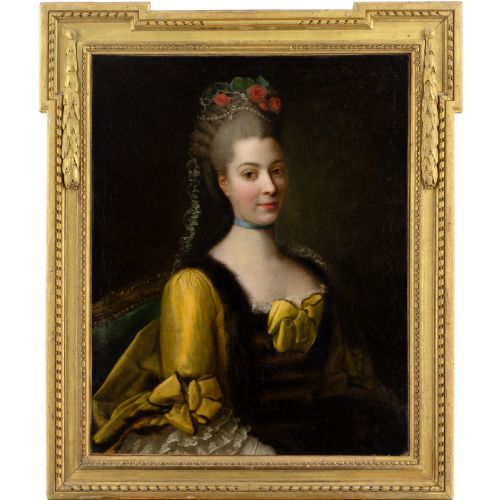
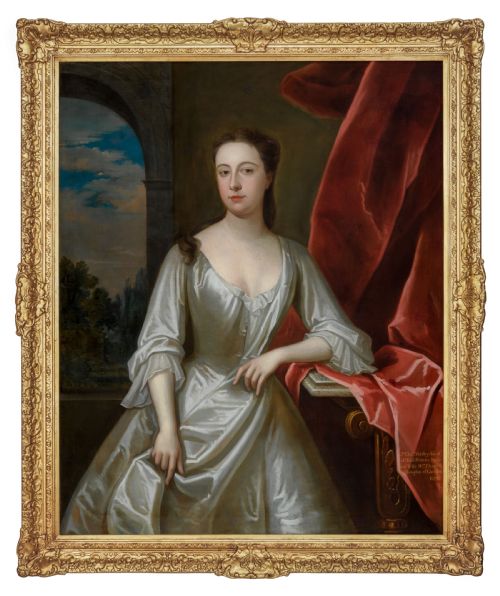
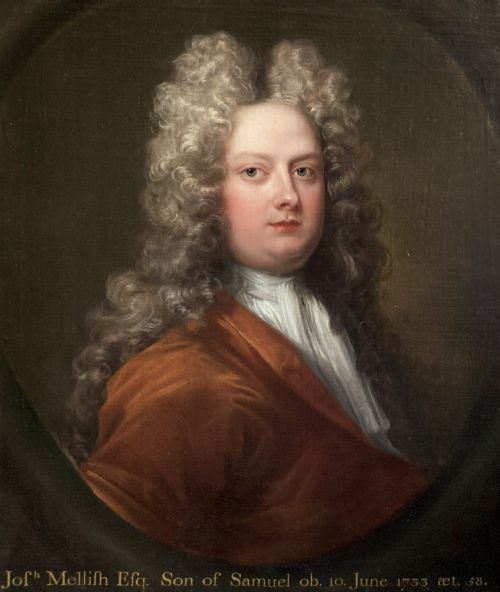
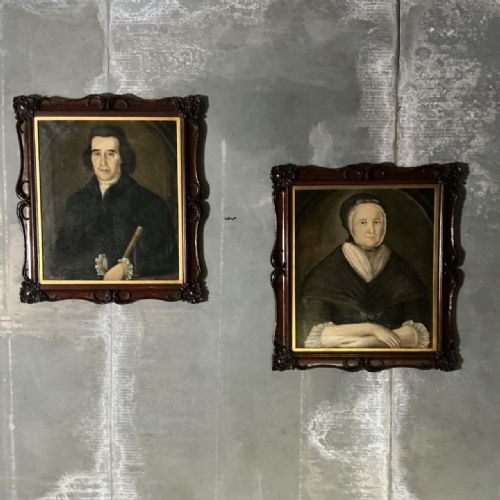
Georgian framed portrait art comprises oil paintings on canvas and panel, mezzotint engravings, delicate silhouettes, pastel drawings and portrait miniatures. These works record sitters from the seventeenth, eighteenth and nineteenth centuries, often presented in period wood and giltwood frames.
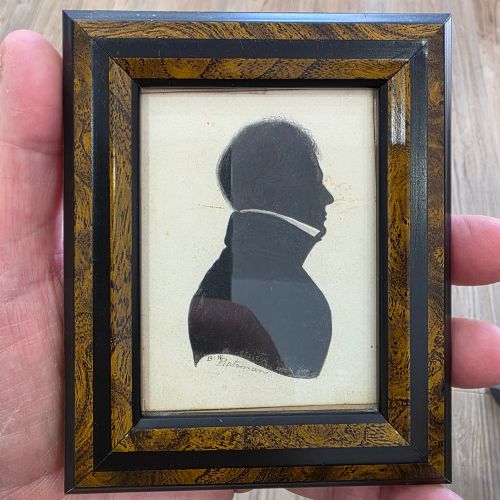
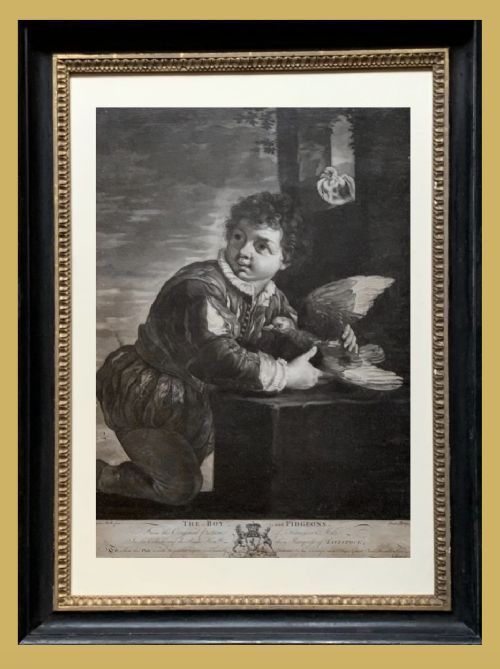
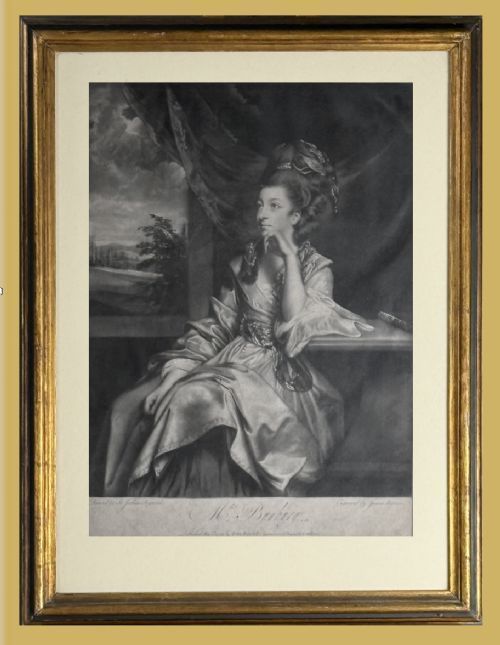
Oil paintings range from grand canvases by established artists to more modest regional depictions of gentlemen and ladies. Mezzotints translate famous painted portraits into printed ink on paper, while cut-paper silhouettes provide intimate profiles executed with fine scissors and watercolour detail.
Materials and execution
Artists painted in oils upon stretched canvas or wooden panels, applying layers of pigment to build depth in clothing and skin tones. Printmakers utilised copper plates for mezzotints, scraping and burnishing the surface to produce rich tonal gradations in black ink.
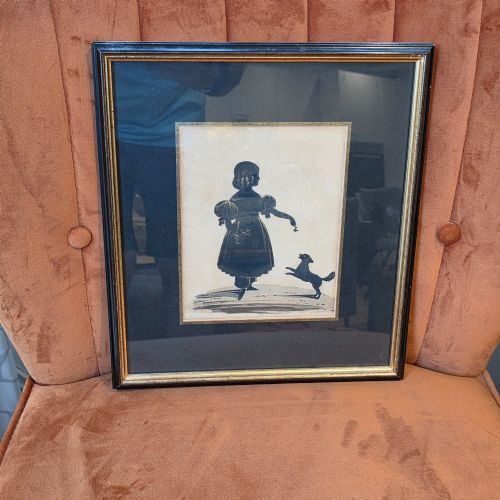
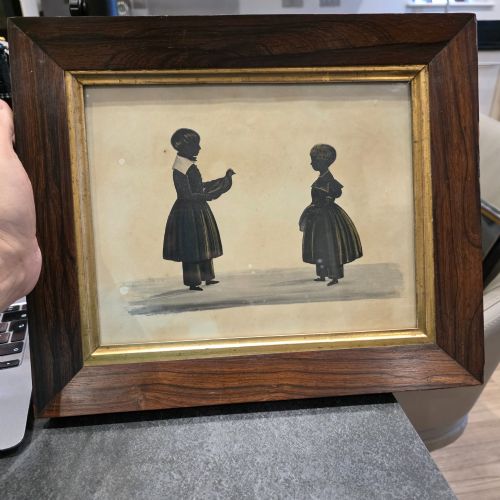
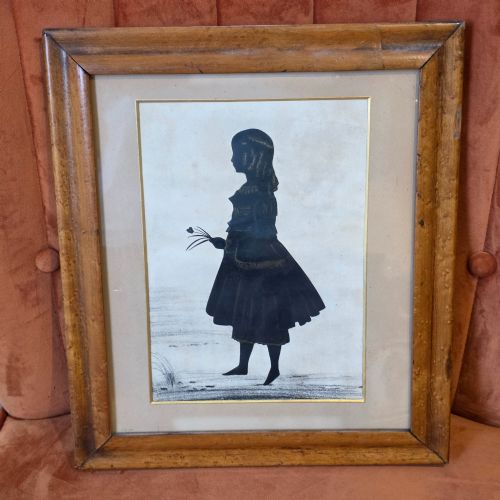
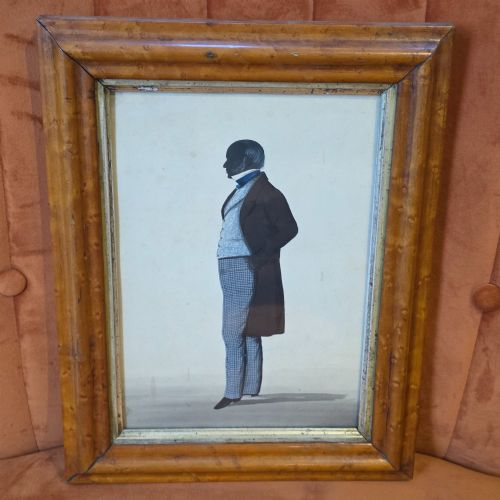
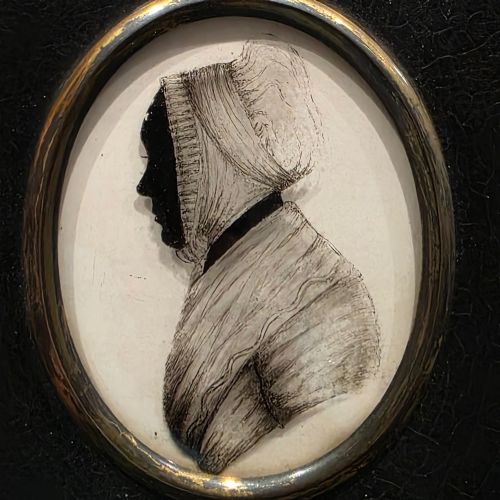
Silhouette artists cut black paper by hand, occasionally augmenting the profiles with delicate washes of watercolour and ink. Frames were constructed from timber, frequently finished with layers of gold leaf or giltwood mouldings to complement the artwork.
A young girl holds a tiny bird in her hand while posing for her silhouette, forever capturing a quiet moment from the nineteenth century.
Factors that distinguish quality
Quality rests upon the skill of the original hand, separating accomplished academic portraiture from provincial production. The precision of the brushwork in an oil painting or the exactness of the scissors in a cut-paper silhouette determines the artistic merit of the piece.
The preservation of the paper, canvas and original frame contributes significantly to the integrity of the object. Works that retain their untouched surfaces and contemporary mountings command greater attention than those with extensive later interventions.
Sir Godfrey Kneller·Charles Jervas·Michael Dahl·Sir Joshua Reynolds·William James Hubard·James Watson·Jean-Baptiste Van Loo·Joseph Clover·Francesco Bartolozzi·John Smith·James Sharples·Henry Bone·George Willison·John Opie·Jeremiah Davison·Michael Dahl·Thomas Murray·Lemuel Francis Abbott
The Georgian Framed Portrait Art Glossary
- Mezzotint
- A printmaking process where the copper plate is roughened uniformly and scraped to create areas of light, producing soft tones. This technique allows for subtle gradations of shadow rather than hard lines.
- Silhouette
- A portrait cut from black paper or painted as a solid dark profile against a pale background. These shadow likenesses gained popularity for capturing profiles quickly before the invention of photography.
- Enamel portrait
- A miniature painting fired onto a metal support using powdered glass pigments. This method ensures the colours remain stable and luminous over centuries.
- Giltwood
- Wood carved and coated with a thin layer of gold leaf or gold paint. Frames made this way provide a reflective border that enhances the tones of the enclosed portrait.
- Pastel
- A medium consisting of powdered pigment mixed with a binder and pressed into sticks. Artists applied these dry colours to paper to achieve soft textures and lifelike flesh tones.
Georgian Framed Portrait Art: Frequently Asked Questions
What periods do these portraits date from?
The selections span the seventeenth, eighteenth and nineteenth centuries, encompassing the Georgian and Regency eras.
While the majority originate from the 1700s and early 1800s, some pieces reach back into the seventeenth century or extend into later revival styles.
Are these portraits painted by hand?
Many examples are original hand-painted works in oil, pastel or watercolour on canvas, panel and paper. Other pieces are period mezzotint engravings and hand-cut silhouettes produced during the eighteenth and nineteenth centuries.
Each medium employs distinct techniques, from brushwork on canvas to inked copper plates and precision paper cutting.
How were framed silhouettes created?
Artists cut profile likenesses from black paper using small scissors, often mounting the silhouette against a light card background. Some makers added delicate touches of watercolour and gold ink to define hair and clothing details.
These cut-paper portraits were then protected beneath glass within timber or papier-mâché frames.
How should I care for antique portrait art?
Protect works on paper and canvas from direct sunlight to prevent the fading of inks, watercolours and oil pigments. Maintain a stable indoor environment away from excessive moisture and sudden temperature changes.
Avoid hanging pieces in damp spaces or near direct heat sources to preserve both the artwork and the original frame.